Alphabet Recognition Normal Uppercase Letters Worksheets
10 filtered results
-
From - To
Enhance your child's alphabet learning with our "Alphabet Recognition Normal Uppercase Letters Worksheets." Perfect for early grades, these worksheets are designed to introduce and reinforce the essential skill of recognizing uppercase letters. Each fun and engaging activity will capture your little one's interest, promoting confidence and literacy growth. Ideal for both classroom use and homeschooling, these worksheets provide structured practice to ensure mastery of the alphabet. Download and print our carefully crafted resources to give your child a solid foundation in letter recognition, paving the way for successful reading and writing skills in the future.
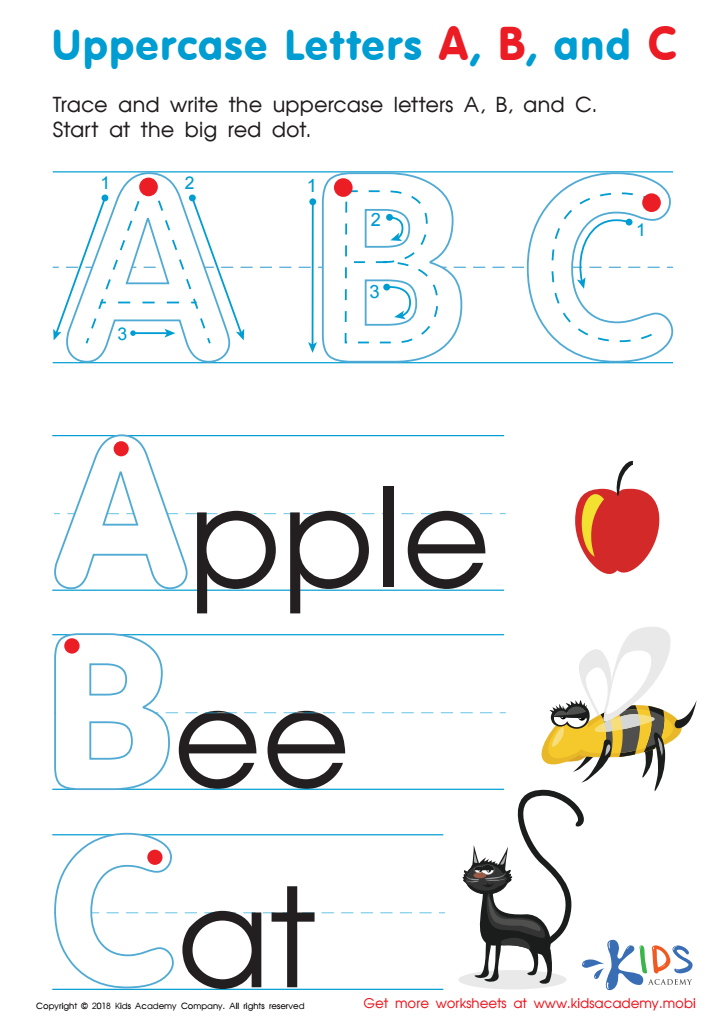
Uppercase Letters A, B, and C Worksheet
 Assign to My Students
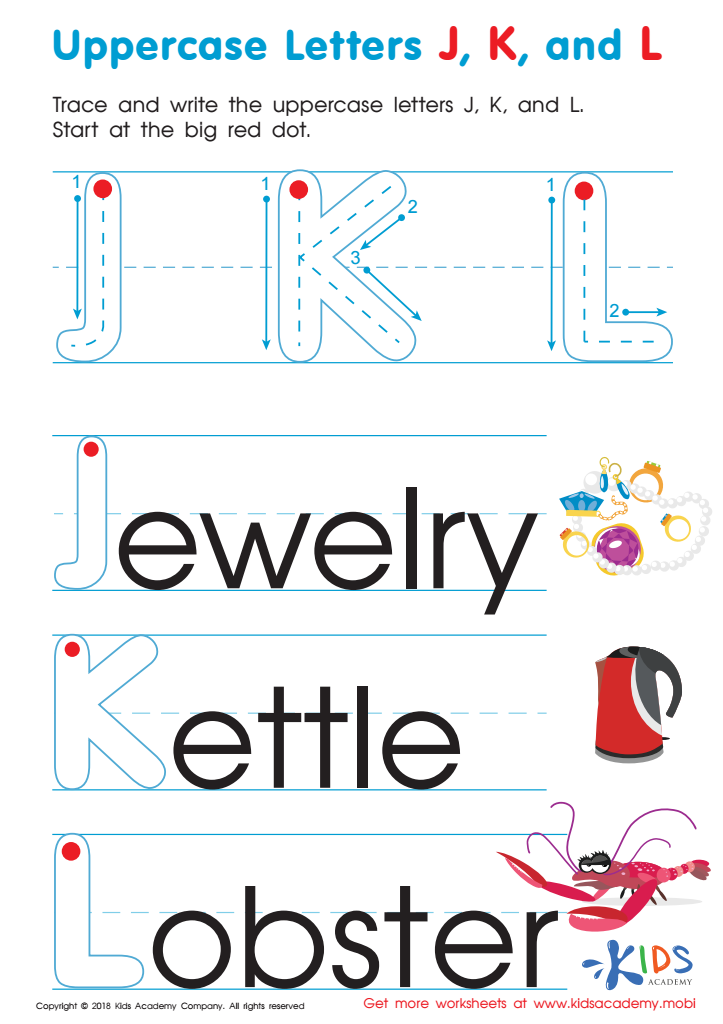
Uppercase Letters J, K, and L Worksheet
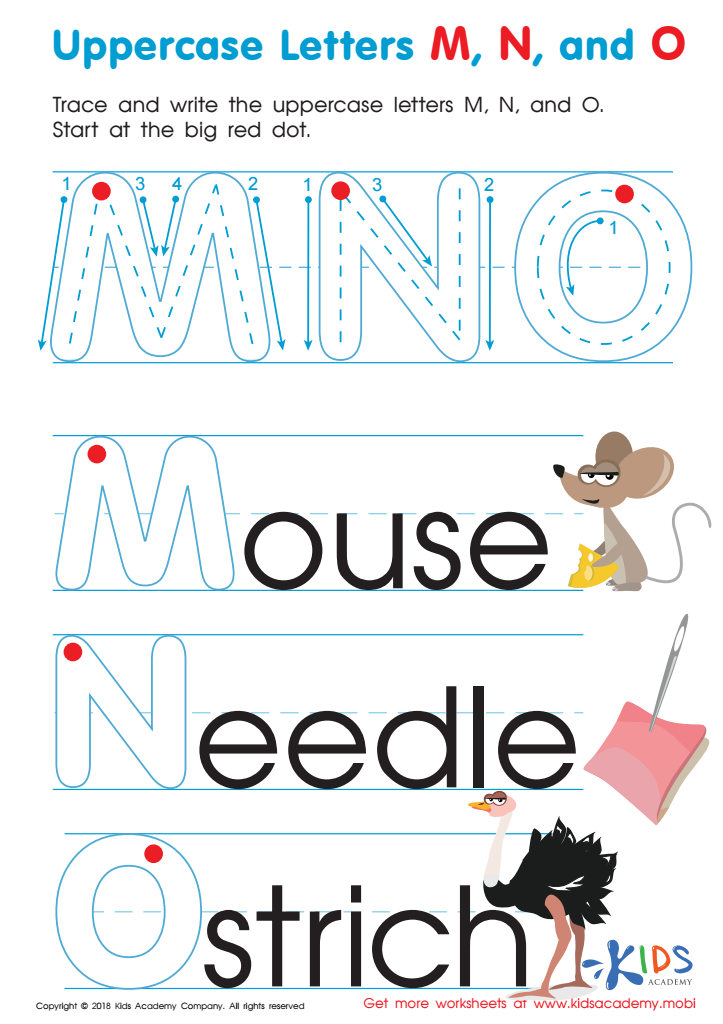
Uppercase Letters M, N, and O Worksheet
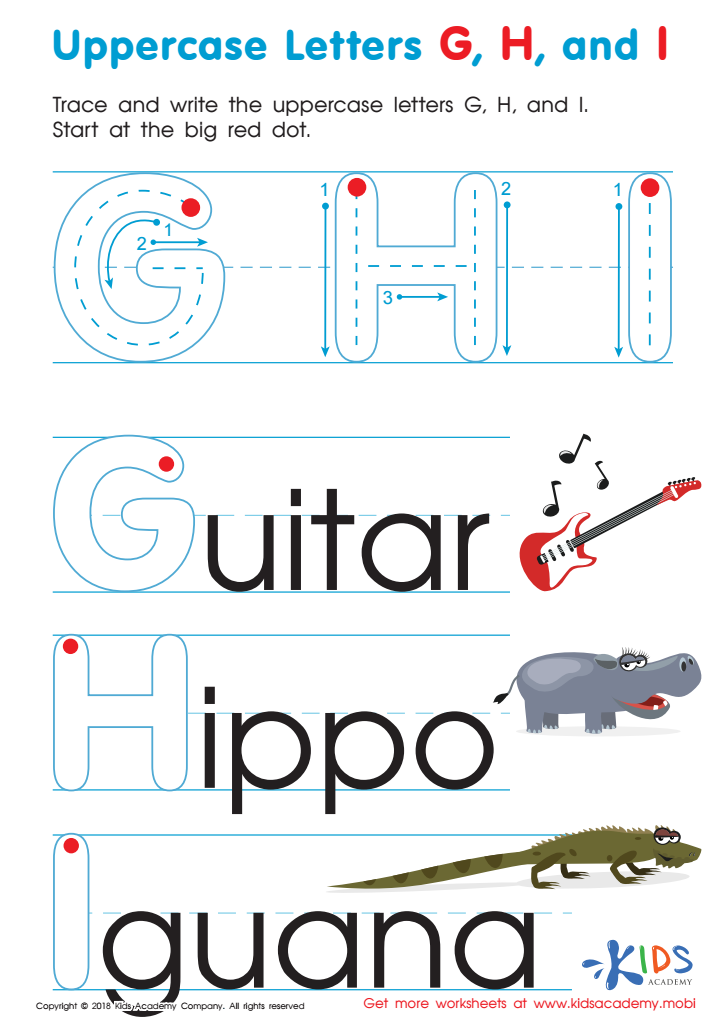
Uppercase Letters G, H, and I Worksheet
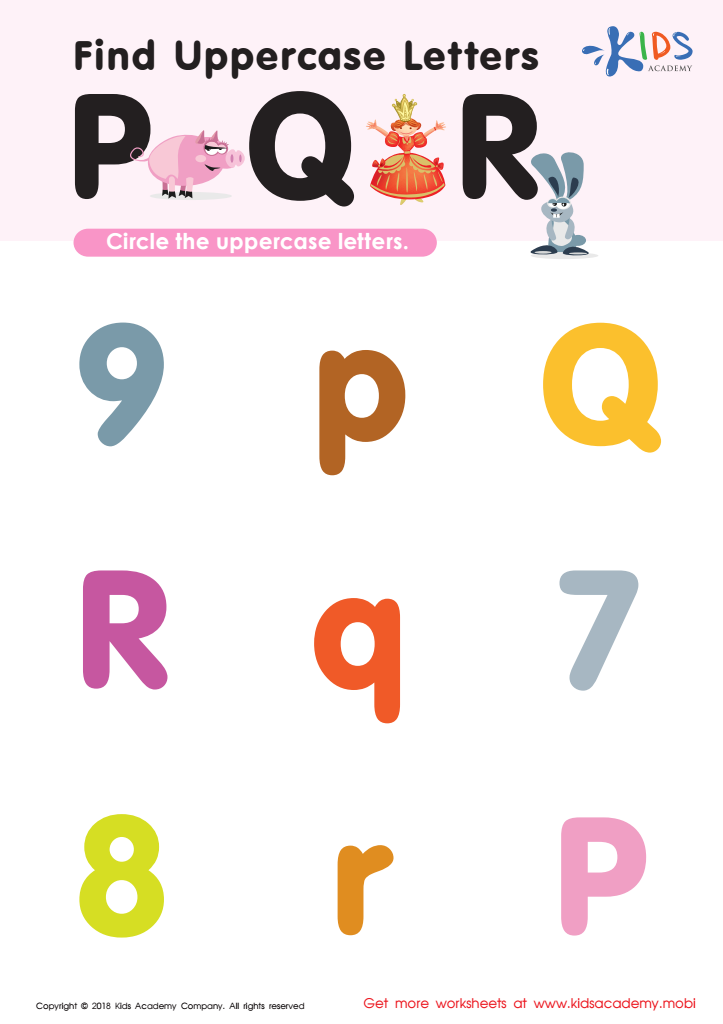
Find Uppercase Letters P, Q, and R Worksheet
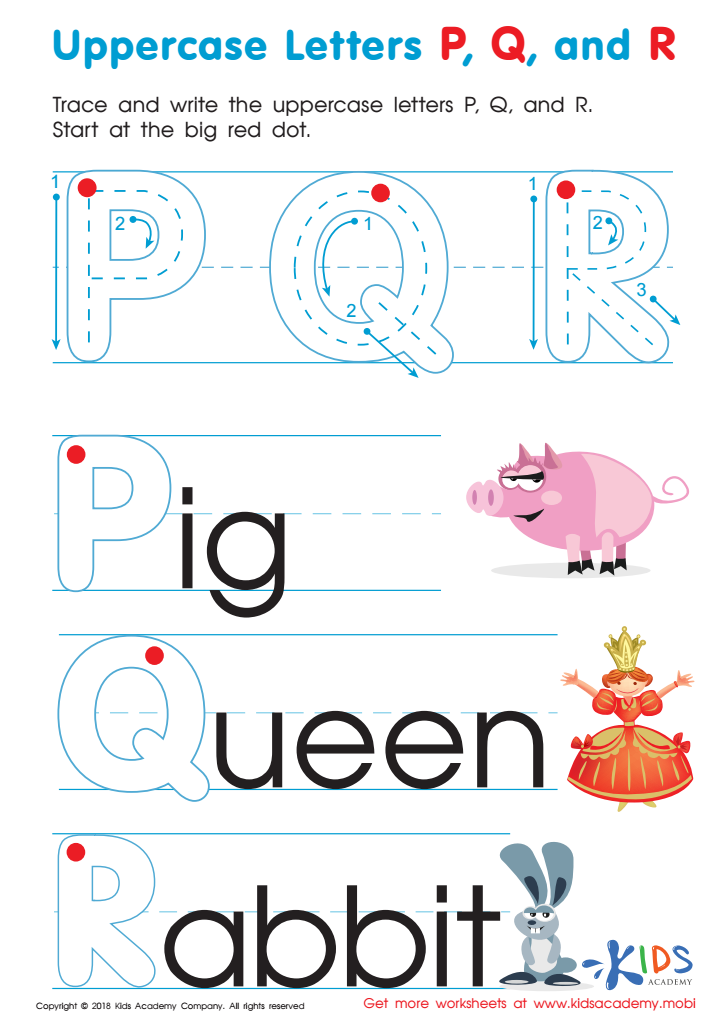
Uppercase Letters P, Q, and R Worksheet
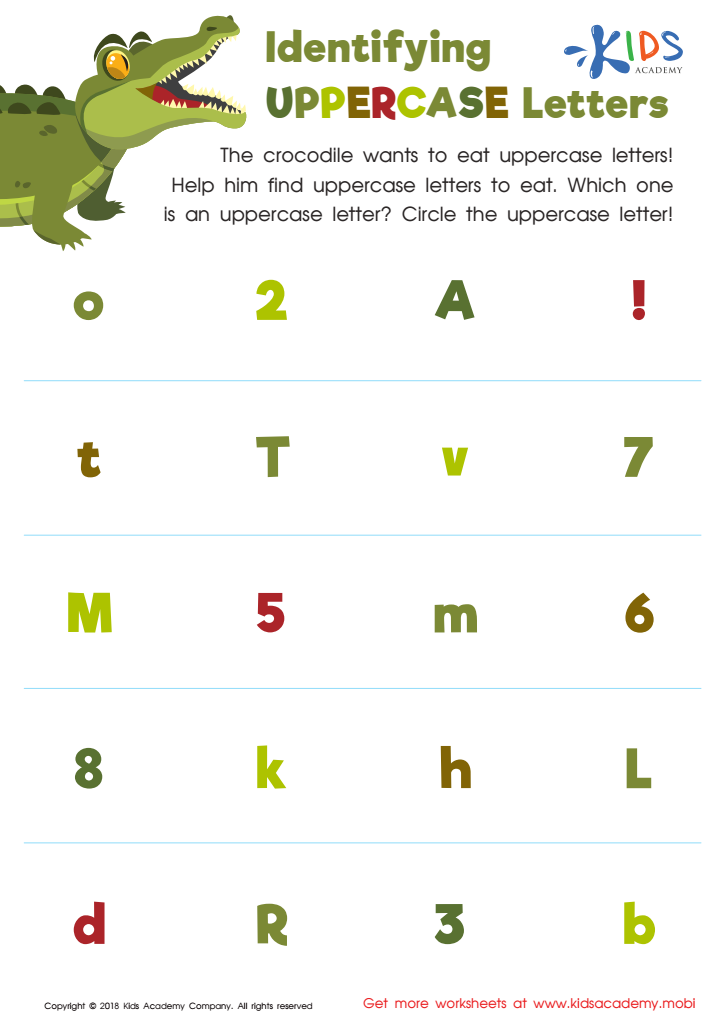
Identifying Uppercase Letters Worksheet
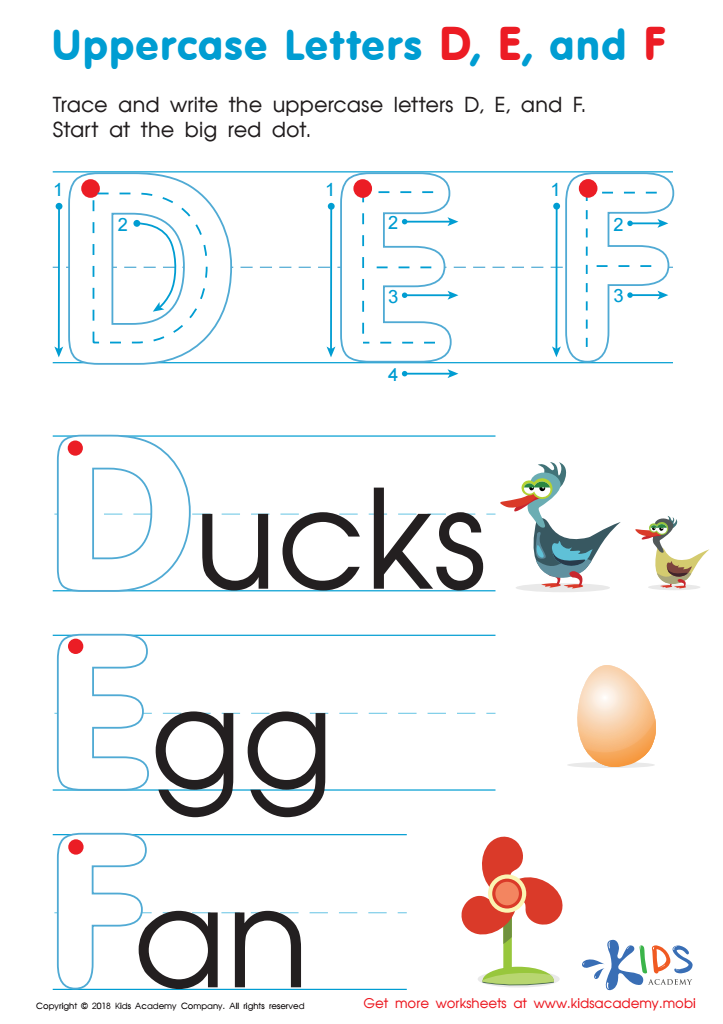
Uppercase Letters D, E, and F Worksheet
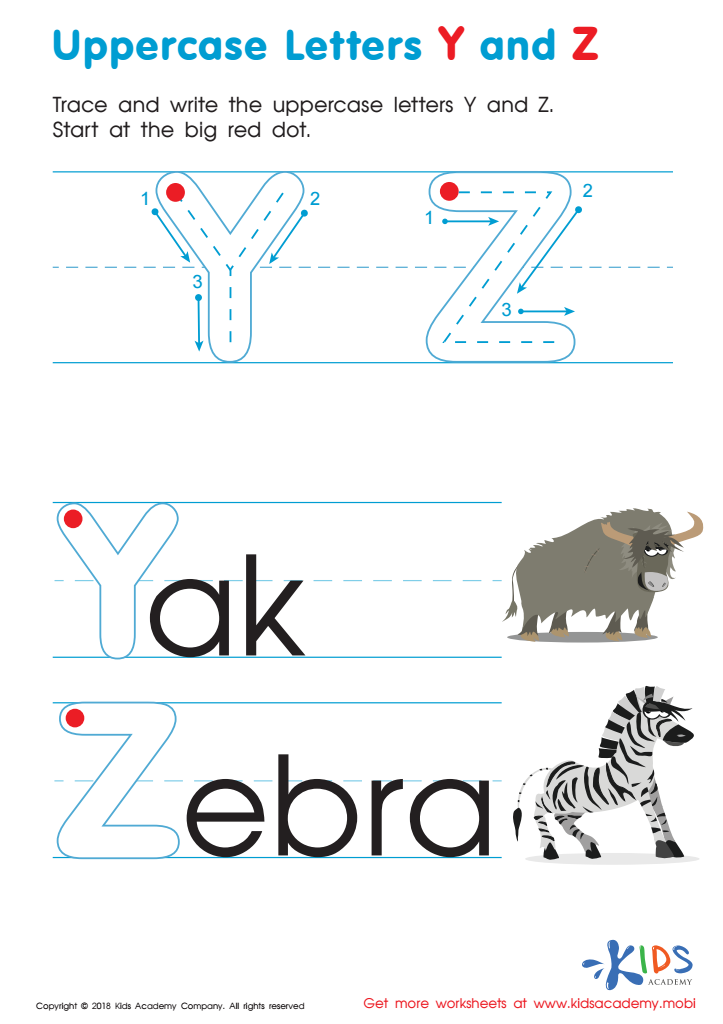
Uppercase Letters Y Z Worksheet
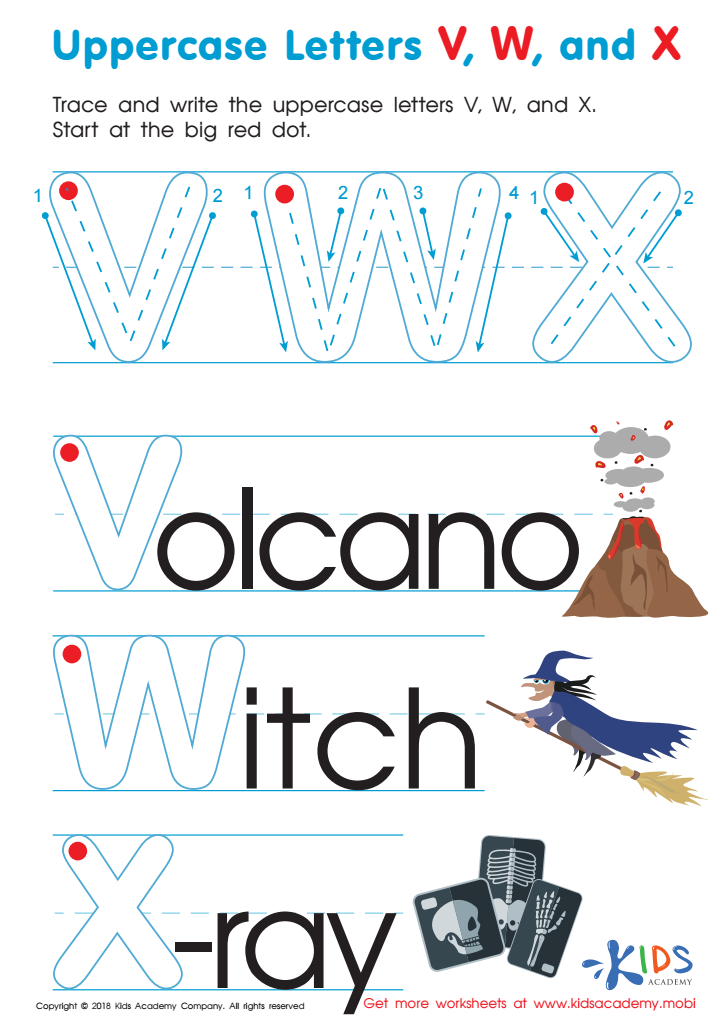
Uppercase Letters V, W, and X Worksheet








Alphabet recognition, particularly of uppercase letters, is foundational for early literacy development, making it essential for parents and teachers to prioritize this skill. Recognizing uppercase letters serves as the first step toward reading and writing proficiency, as children need to identify and differentiate letters before linking them to corresponding sounds and words. Mastery of uppercase letters, which are often simpler in design and used as the initial letters in sentences and proper nouns, provides a strong base for understanding the framework of written language.
Early exposure to and practice with uppercase letters bolster a child's confidence and enthusiasm for learning. This skill aids in activities such as reading signs, labeling personal items, and following written instructions in classrooms. Recognizing uppercase letters also helps in developing a child's visual discrimination skills, which involve noticing differences in shapes and patterns—an ability crucial not only in reading but in everyday life skills.
By ensuring children are proficient in recognizing uppercase letters, parents and teachers set them up for success in reading, writing, and effective communication. A strong grasp of uppercase recognition leads to smoother transitions into recognizing lowercase letters and more complex literacy skills, underpinning academic achievement and lifelong learning.