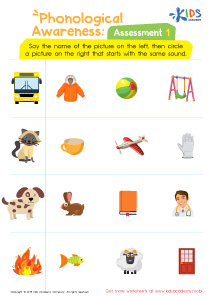
Reading proficiency Normal Vowels Worksheets
5 filtered results
-
From - To
Boost your child's reading proficiency with our engaging Normal Vowels Worksheets! Designed for early learners, these printable resources help children master the essential vowel sounds that form the foundation of reading. Our worksheets offer a variety of fun and interactive activities that cater to different learning styles, making it easy for kids to recognize and practice normal vowels in context. From matching games to fill-in-the-blanks, each worksheet promotes skill development while keeping learning enjoyable. Perfect for at-home practice or classroom use, these materials ensure your child gains confidence in their reading abilities. Unlock the joy of reading today!
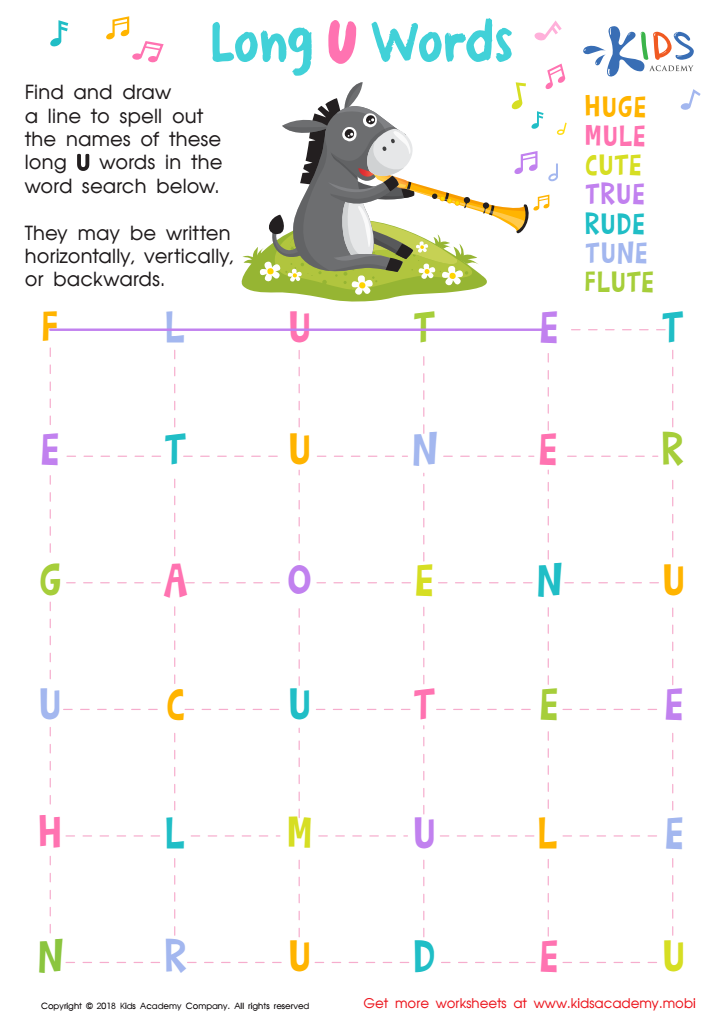
Long /u/ Words Worksheet
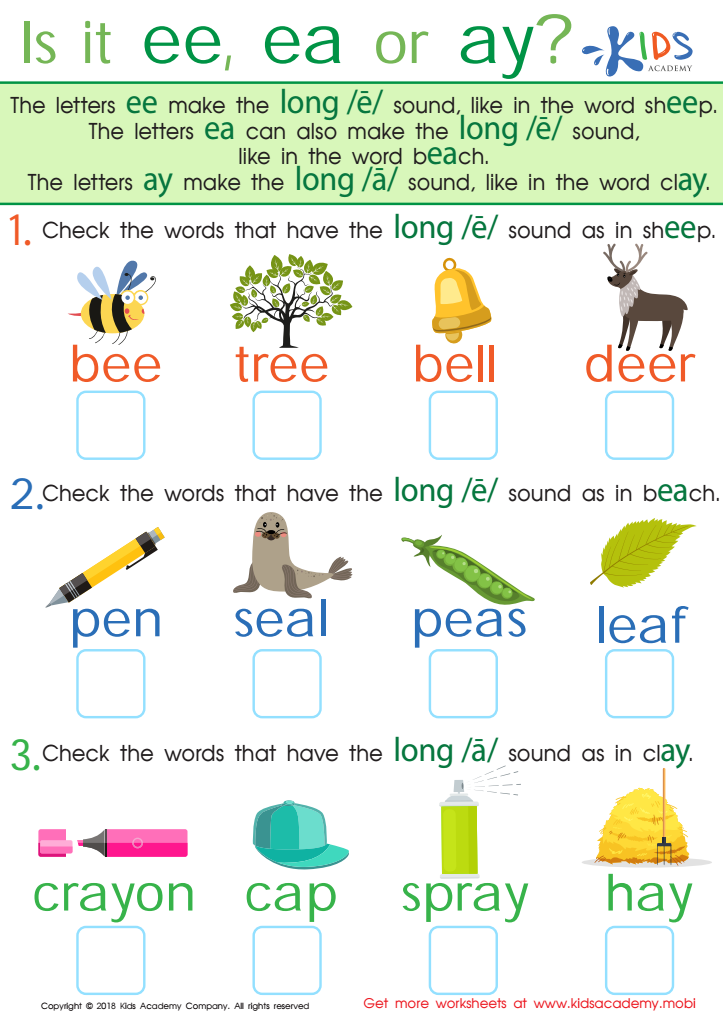
Is It EE, EA, or AY? Worksheet
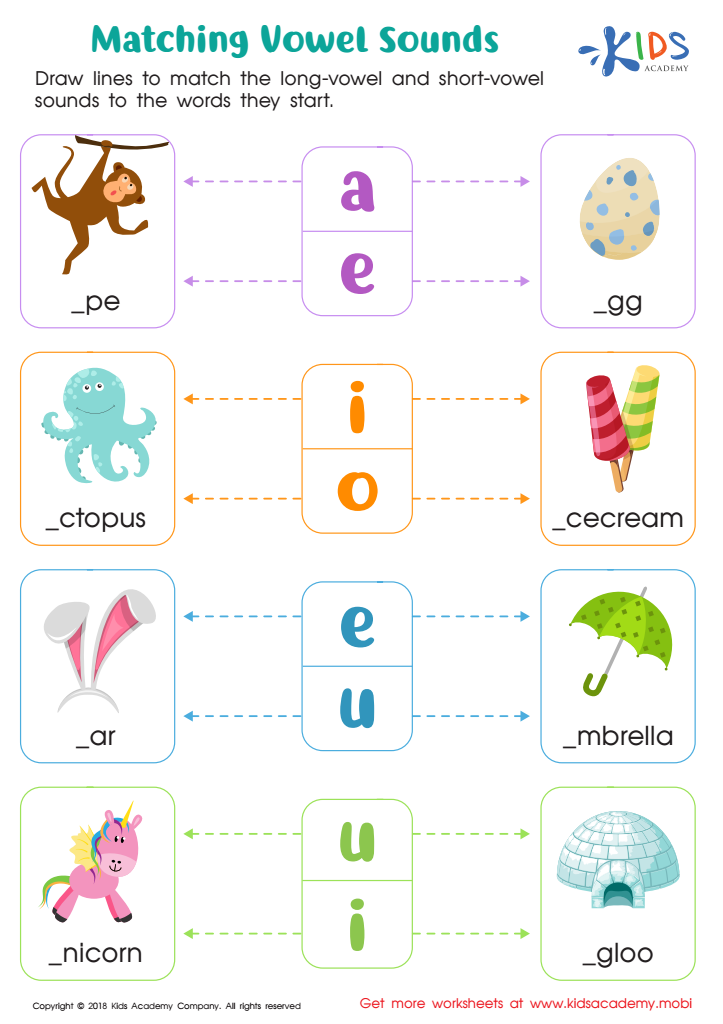
Matching Vowel Sounds Worksheet

Long and Short U Worksheet
 Assign to My Students
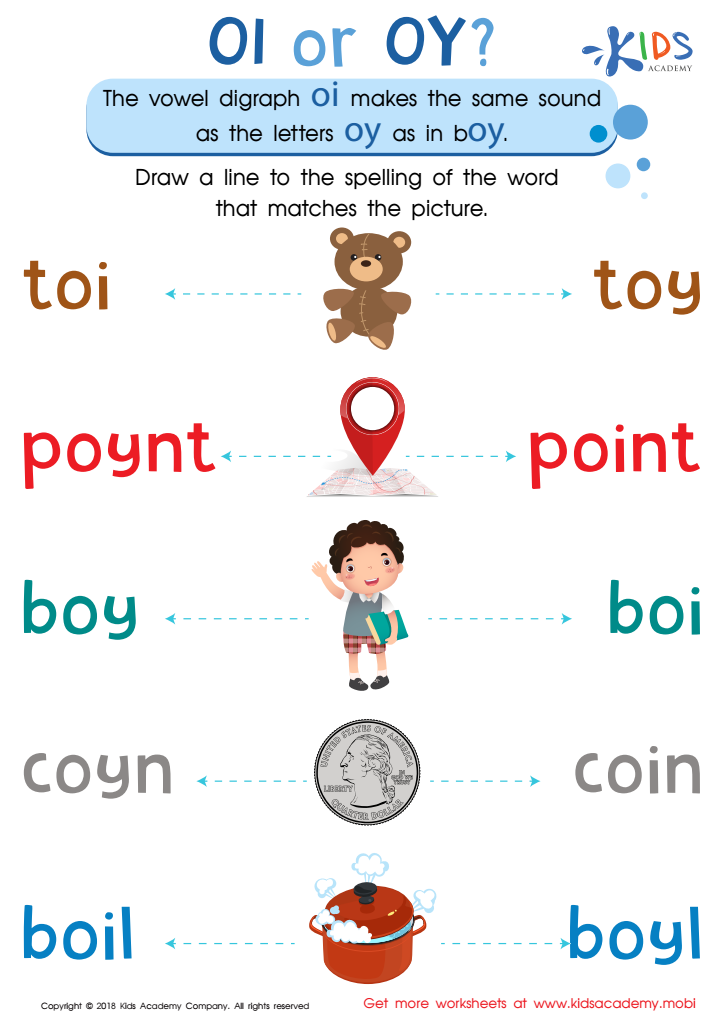
Reading: OI and OY Worksheet





Reading proficiency, particularly concerning normal vowels, is crucial because it forms the foundation of literacy development in early learners. When parents and teachers prioritize understanding normal vowels, they unlock essential skills that facilitate effective reading and comprehension. Normal vowels play a key role in how words are pronounced and understood, forming the core of many phonetic patterns.
Children who grasp vowel sounds and their applications are more likely to decode words accurately, which enhances their reading fluency. This fluency not only boosts confidence but also cultivates a love for reading, fostering lifelong learning. Furthermore, reading proficiency contributes significantly to academic success in all subjects, as comprehension is vital for understanding texts, instructions, and broader concepts.
Additionally, well-developed reading skills can mitigate future struggles in learning, as poor reading proficiency often correlates with challenges in language development and cognitive skills. Parents and teachers can support children's literacy by engaging with them through reading games, phonics exercises, and activities that emphasize vowel recognition and usage. Ultimately, caring about and cultivating reading proficiency in children lays the groundwork for a future filled with opportunities and success in education and beyond.