Enhancing logical thinking Normal Grade 1 Worksheets
4 filtered results
-
From - To
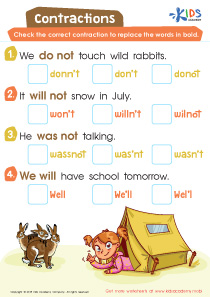
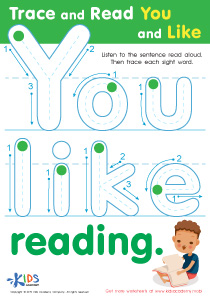
Enhance your child's logical thinking skills with our engaging Normal Grade 1 Worksheets! Tailored specifically for first graders, these worksheets foster critical reasoning and problem-solving abilities through fun and interactive activities. Your child will explore engaging tasks that promote pattern recognition, classification, and decision-making. Whether it's sorting shapes, discovering connections, or completing sequences, our thoughtfully designed worksheets make learning exciting. These resources support classroom learning and home practice, ensuring your little ones build a strong foundation in logical thinking. Empower your child’s educational journey and cultivate essential skills that are vital for future learning. Explore our collection today!
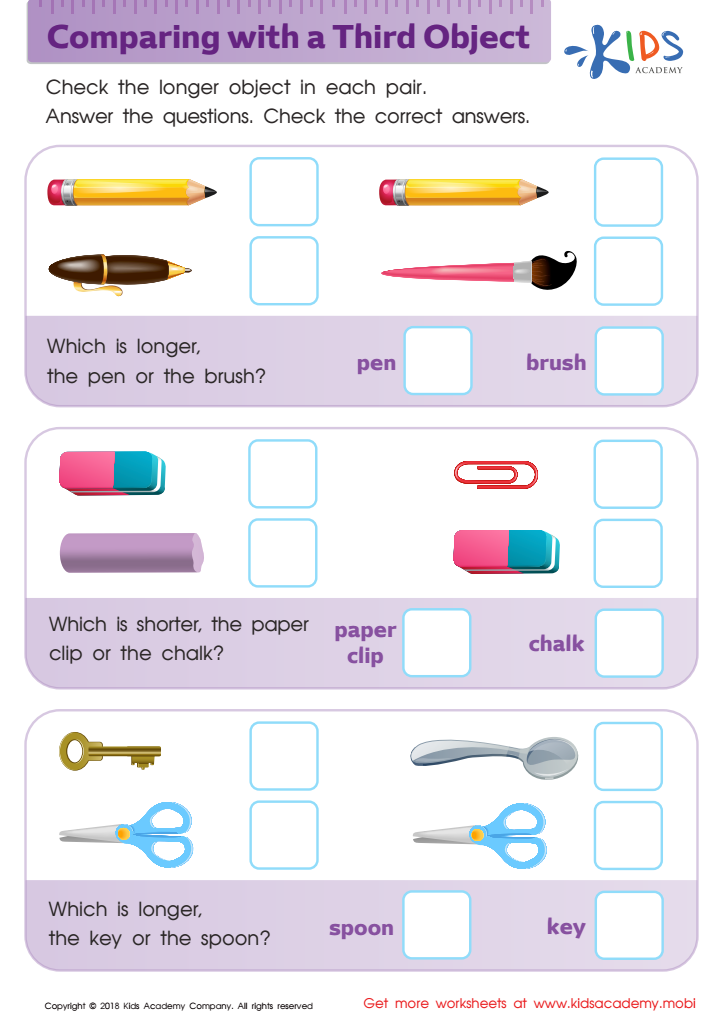
Comparing with a Third Object Worksheet
 Assign to My Students
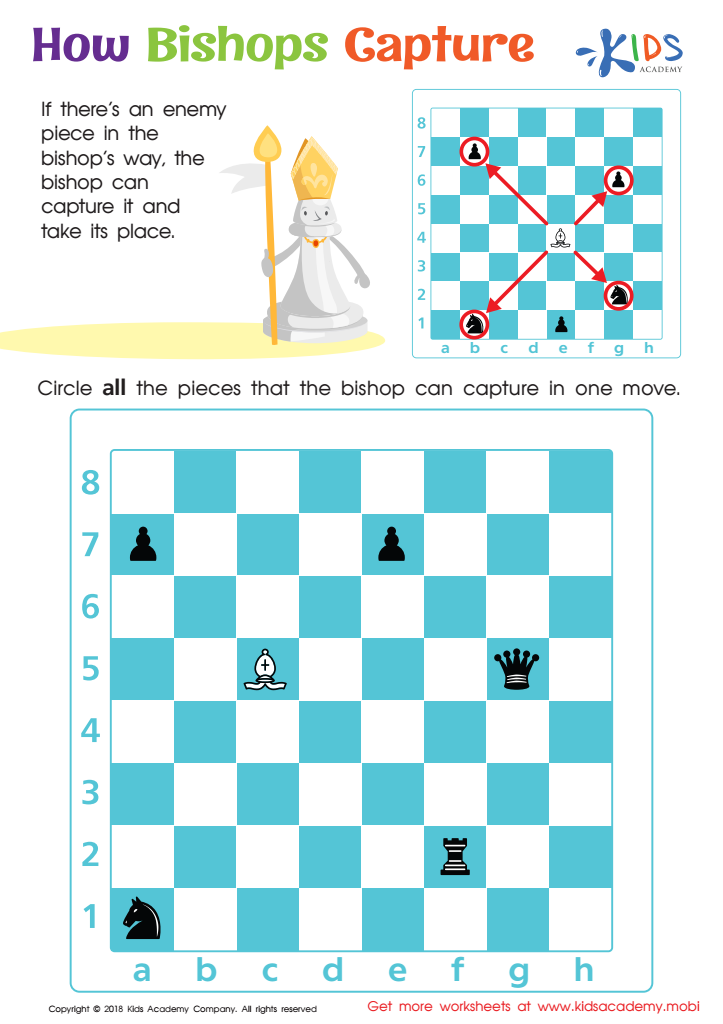
How Bishops Capture Worksheet
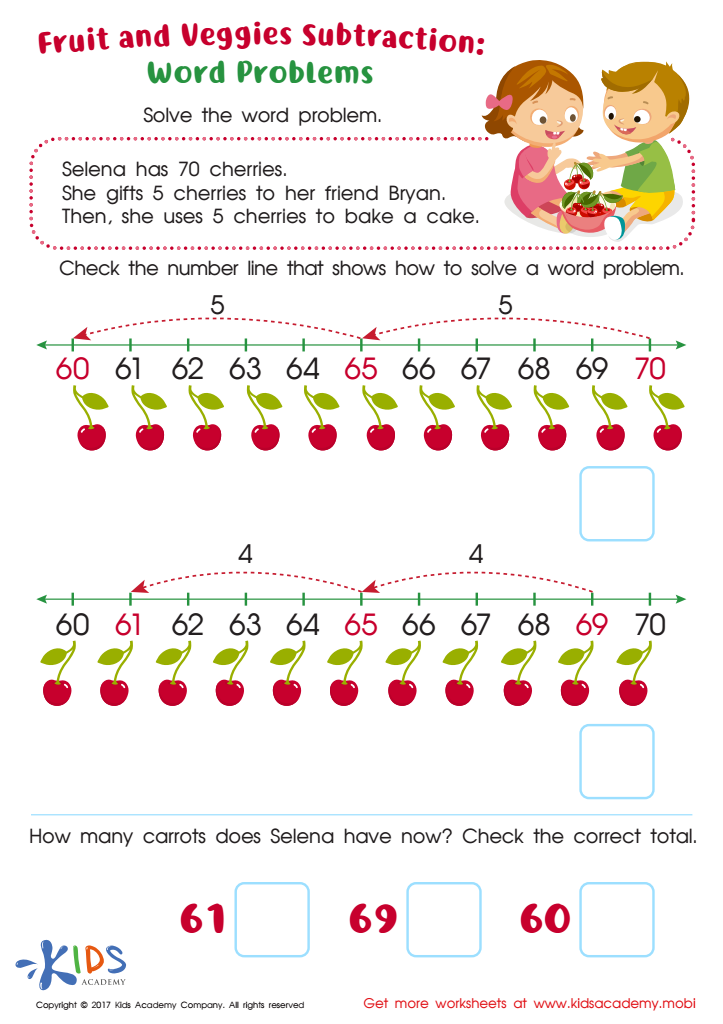
Subtraction Word Problems Free Printable
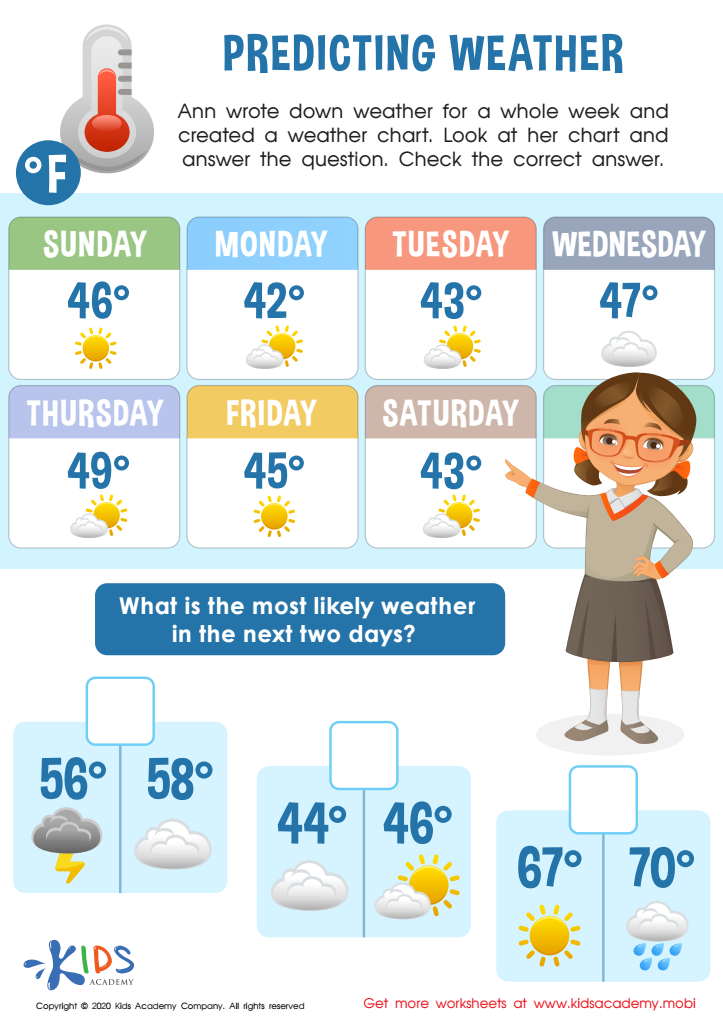
Predicting Weather Worksheet



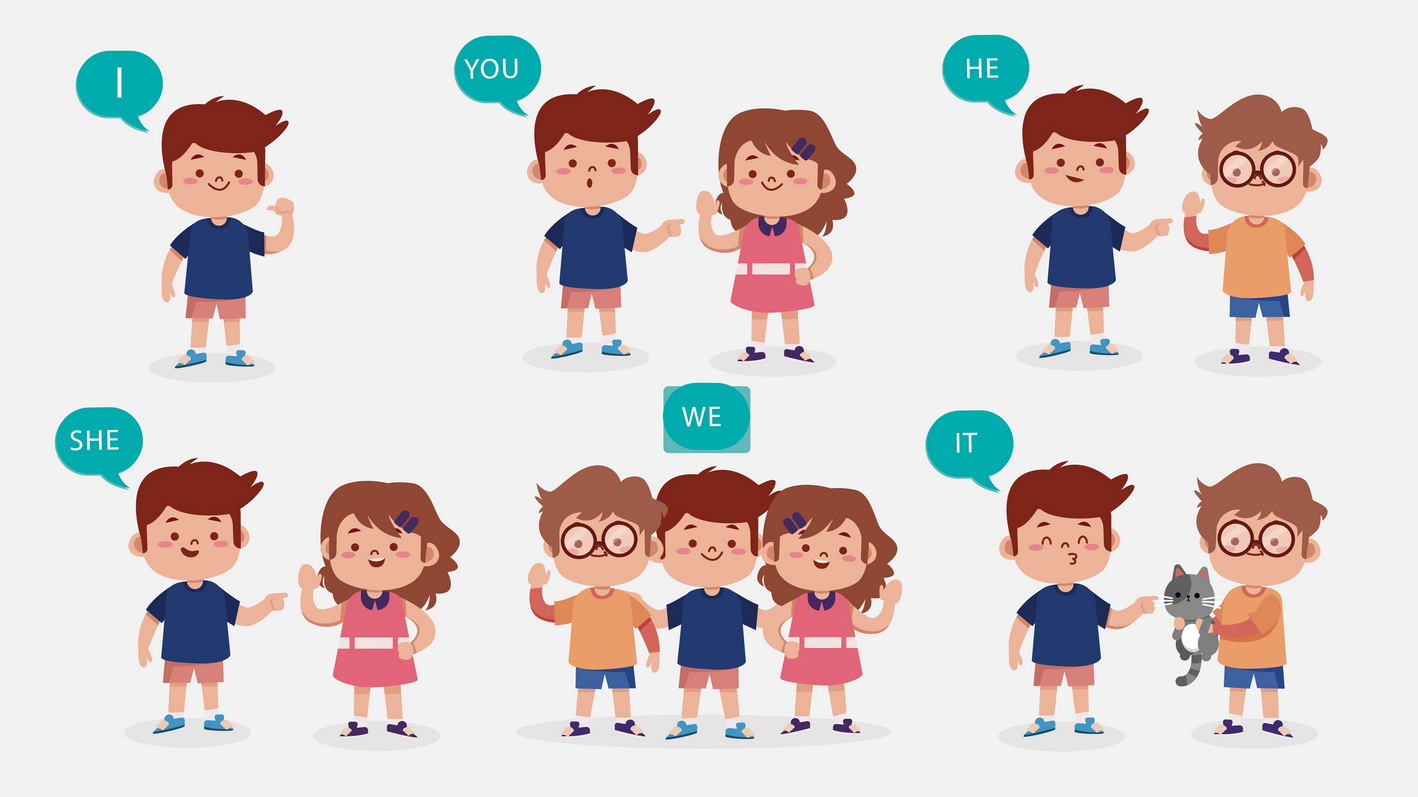




Enhancing logical thinking skills in Grade 1 is crucial for both parents and teachers for several reasons. At this early stage of development, children are increasingly able to engage in higher-order thinking and problem-solving. Developing logical thinking lays the foundation for critical cognitive abilities, which are essential for academic success throughout their schooling.
Logical thinking helps children learn to analyze information, identify patterns, and make connections between different concepts, which are fundamental skills in subjects like math and science. Additionally, these skills create a framework for effective decision-making and reasoning, aiding children in navigating everyday challenges.
Moreover, fostering logical thinking nurtures children's creativity and curiosity. Engaging them in activities that promote logical reasoning, such as puzzles, games, and structured discussions, stimulates their cognitive development and keeps them engaged in learning.
Parents and teachers have the opportunity to actively encourage these skills through intentional play and learning experiences. When logical thinking is prioritized, it not only supports individual learning but also cultivates a culture of inquiry and exploration in the classroom and at home. Ultimately, preparing children to think logically equips them for future academic challenges and everyday problem-solving, setting them on a path toward lifelong learning and success.