Letter recognition Normal Grade 1 Worksheets
25 filtered results
-
From - To
Engage your first grader with our fun and educational Letter Recognition worksheets, meticulously designed to enhance early literacy skills. Perfect for normal grade 1 students, these resources offer a variety of exercises that foster letter identification, differentiation between uppercase and lowercase letters, and proper letter formation. Each worksheet is interactive and visually appealing, making learning enjoyable. By integrating these activities into your child's routine, you'll build a solid foundation for reading and writing success. Explore our comprehensive collection to give your young learner the head start they deserve in mastering the alphabet.
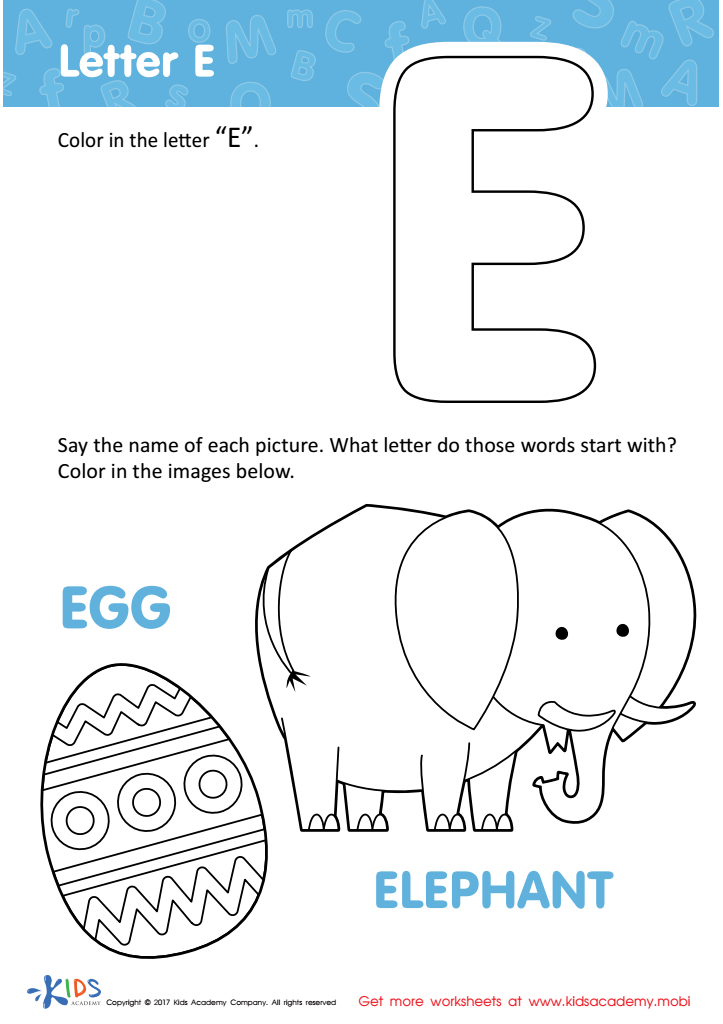
Letter E Coloring Sheet
 Assign to My Students
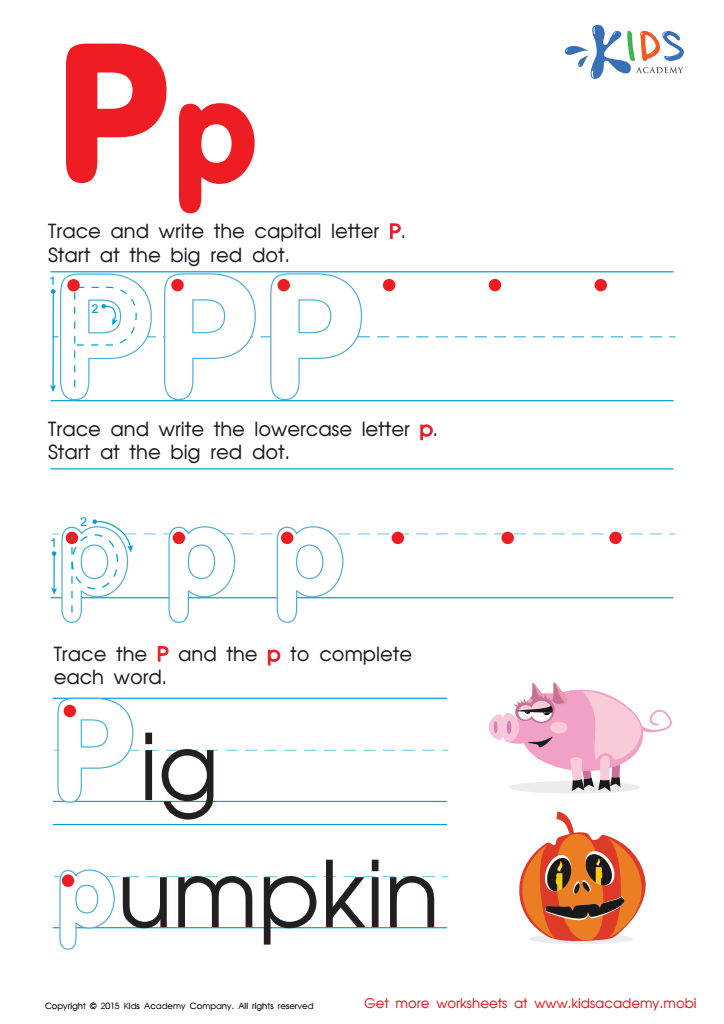
Letter P Tracing Page
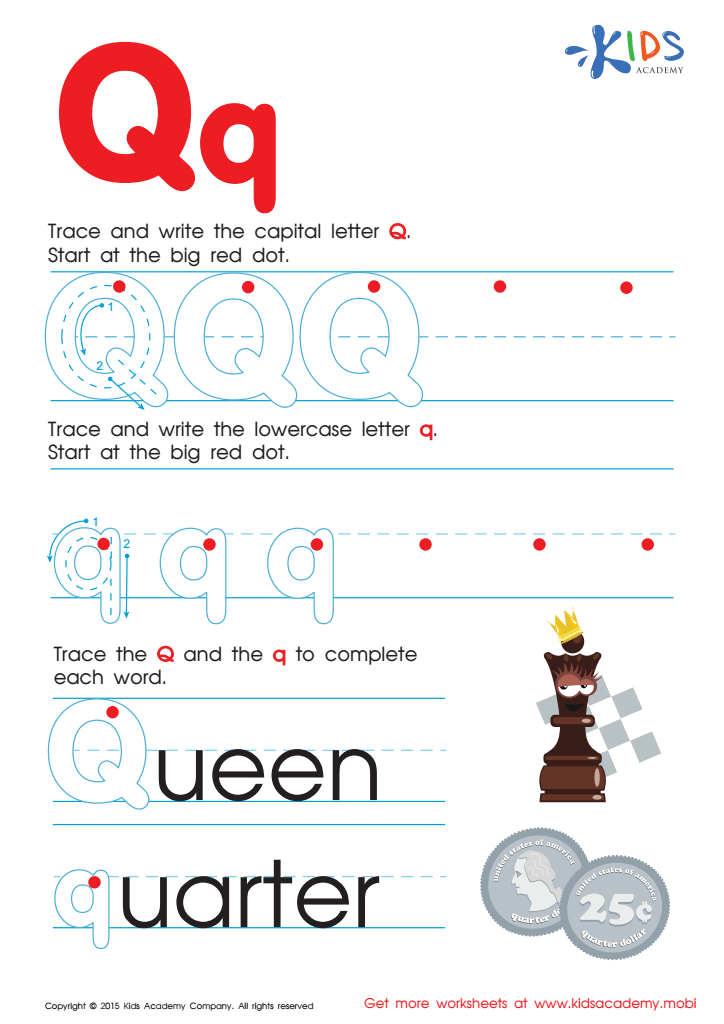
Letter Q Tracing Page
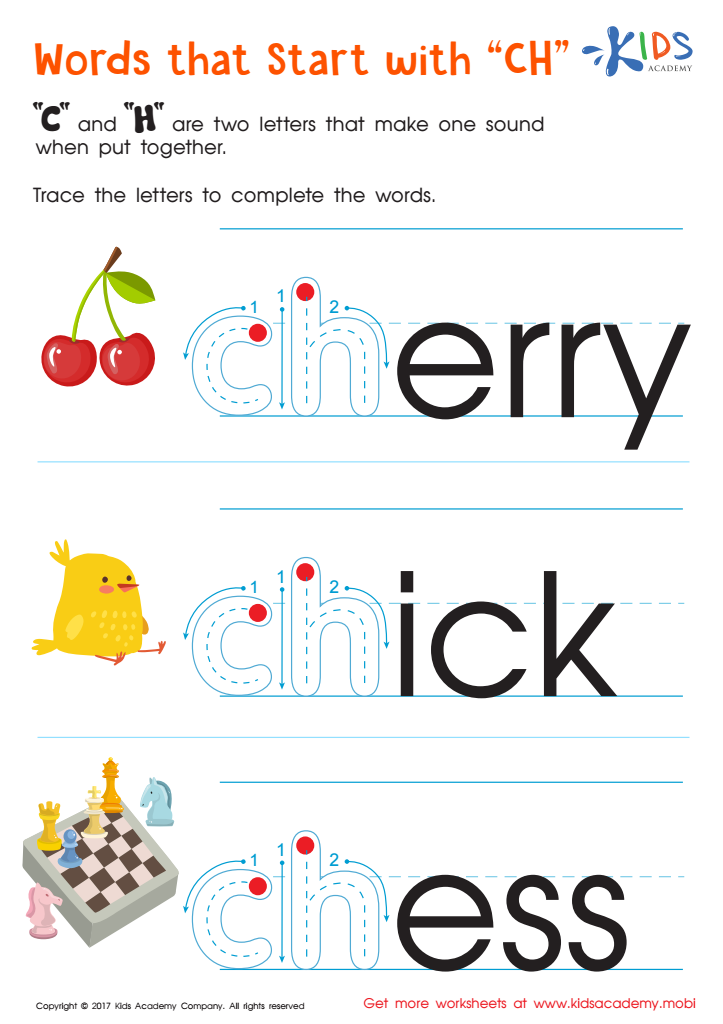
Words That Start with "ch" Spelling Worksheet

Letter H Tracing Page
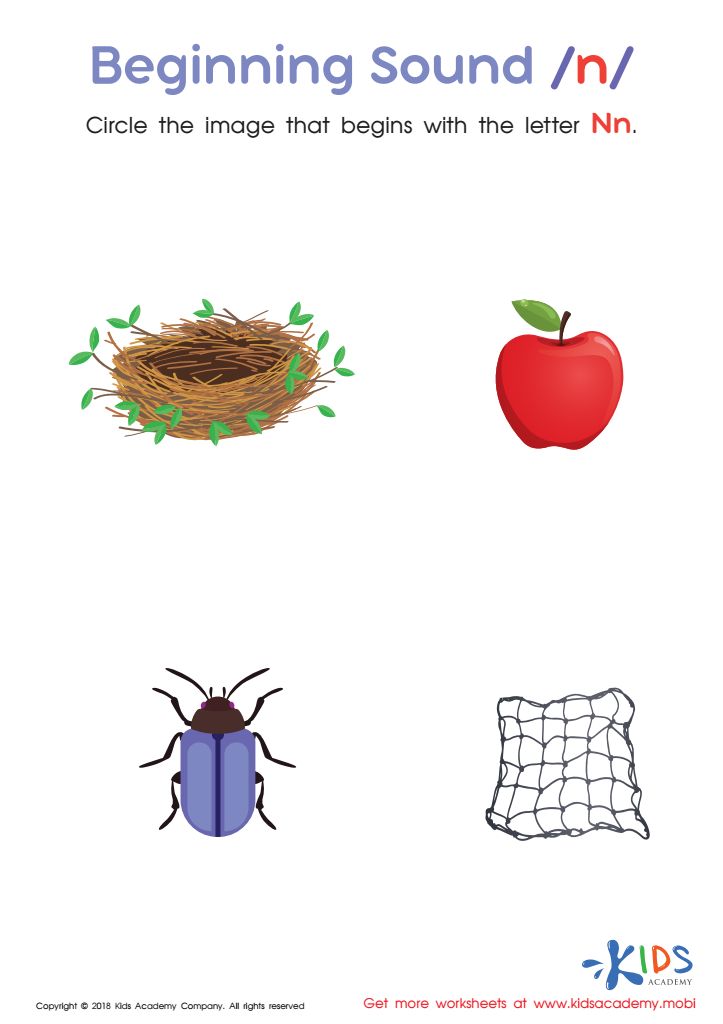
Beginning Sound «n» Worksheet
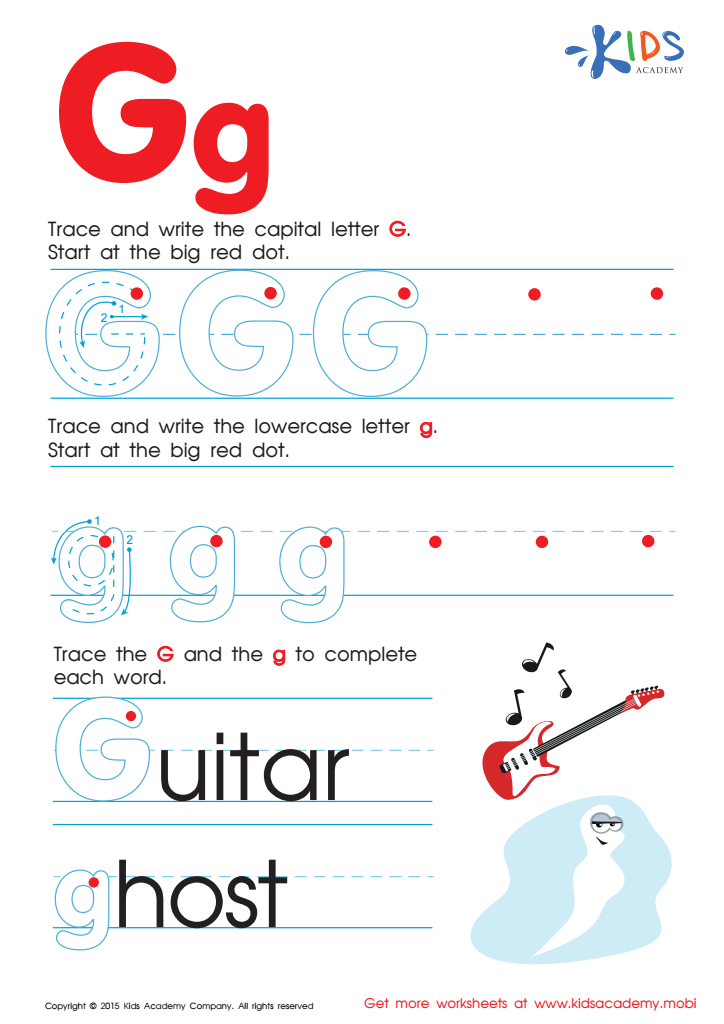
Letter G Tracing Page
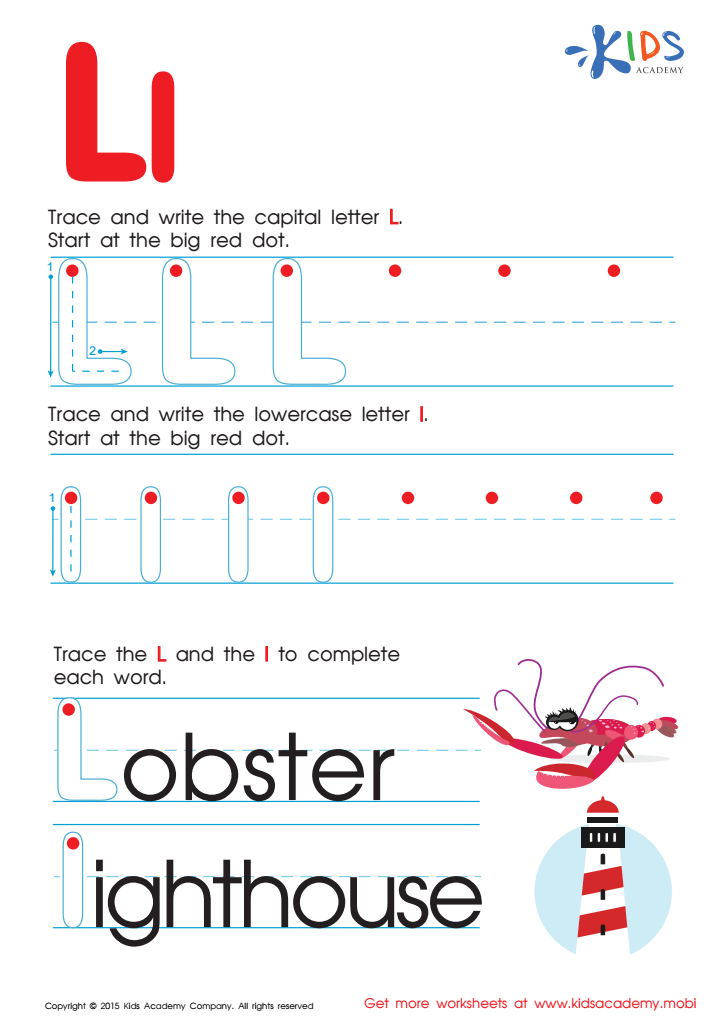
Letter L Tracing Page
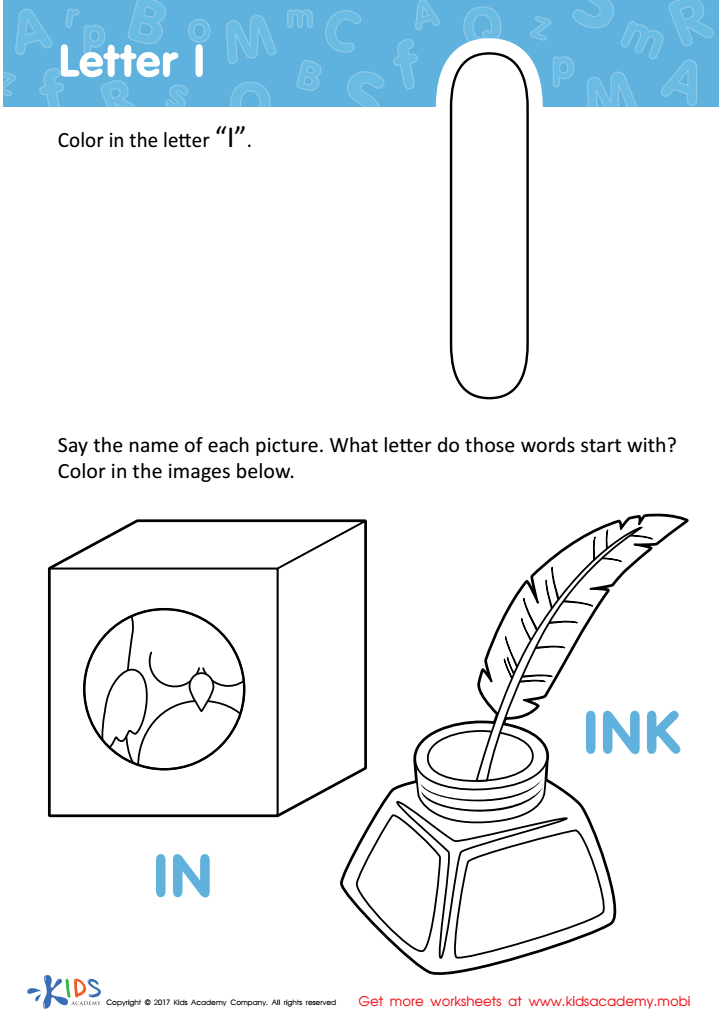
Letter I Coloring Sheet
Assign to My Students

Long and Short U Worksheet
Assign to My Students
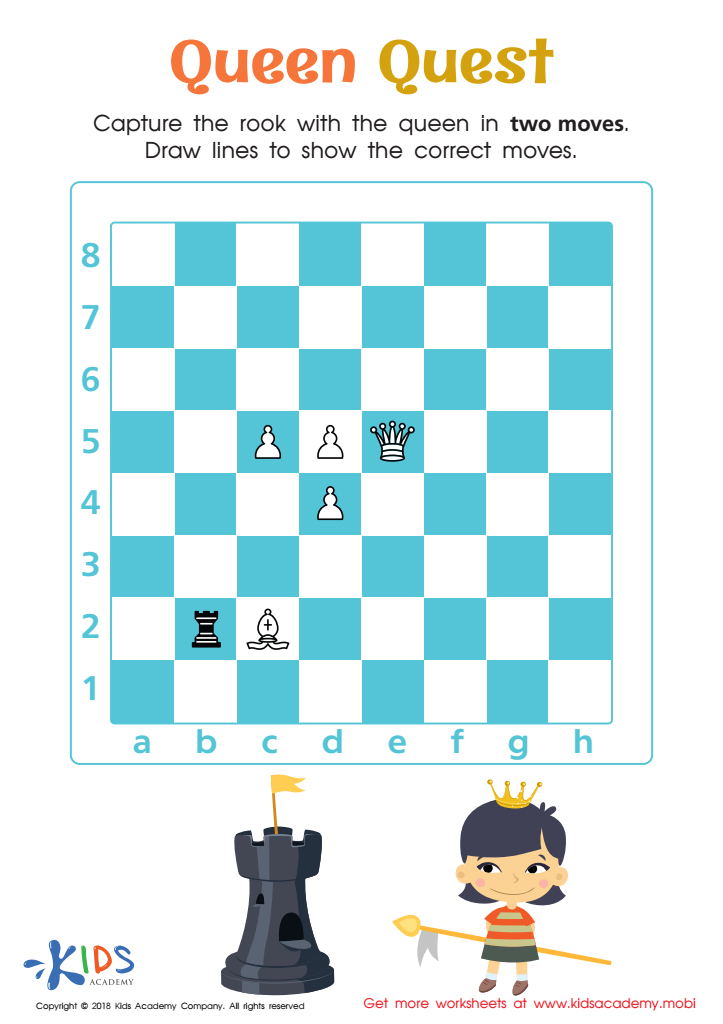
Queen Quest Worksheet
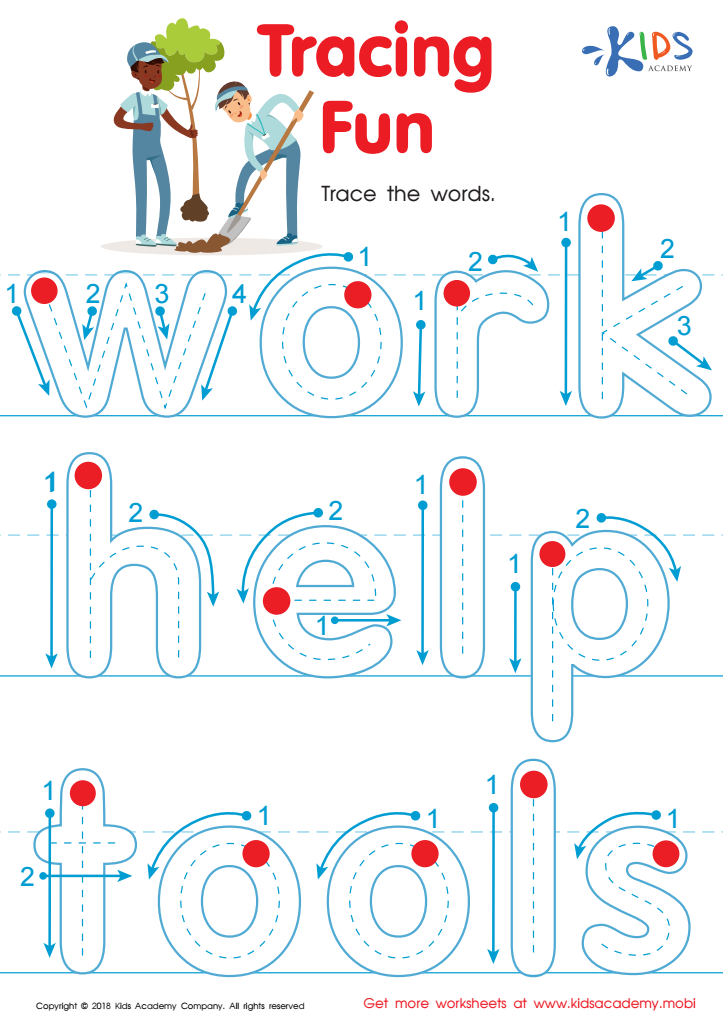
Tracing Fun Worksheet
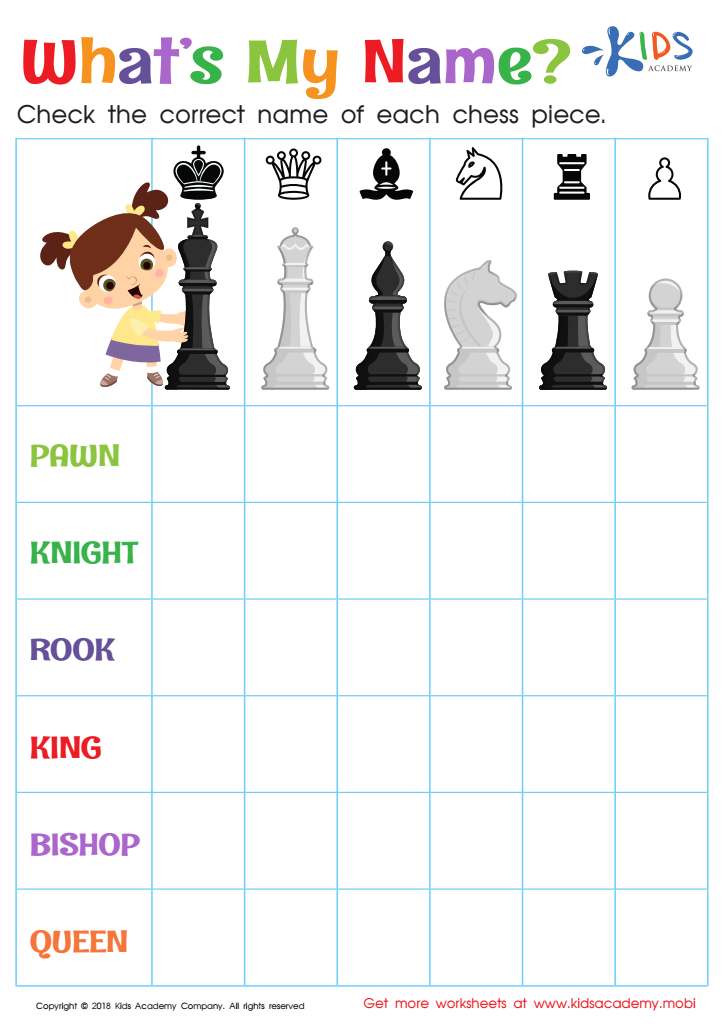
What's My Name? Worksheet
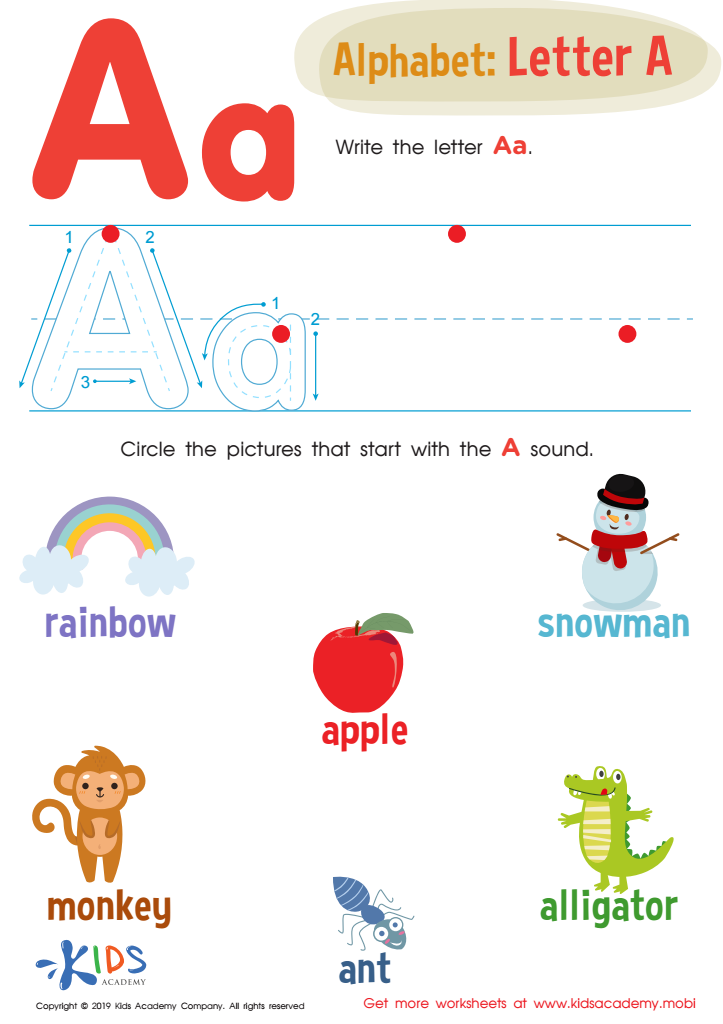
Letter A Tracing Worksheet
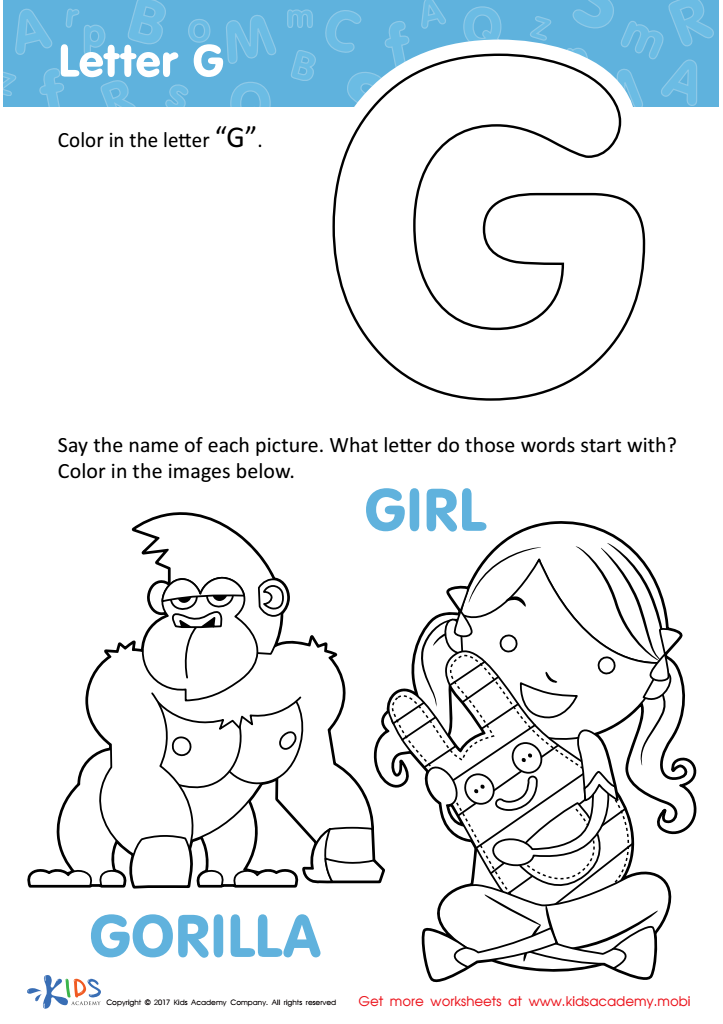
Letter G Coloring Sheet
Assign to My Students
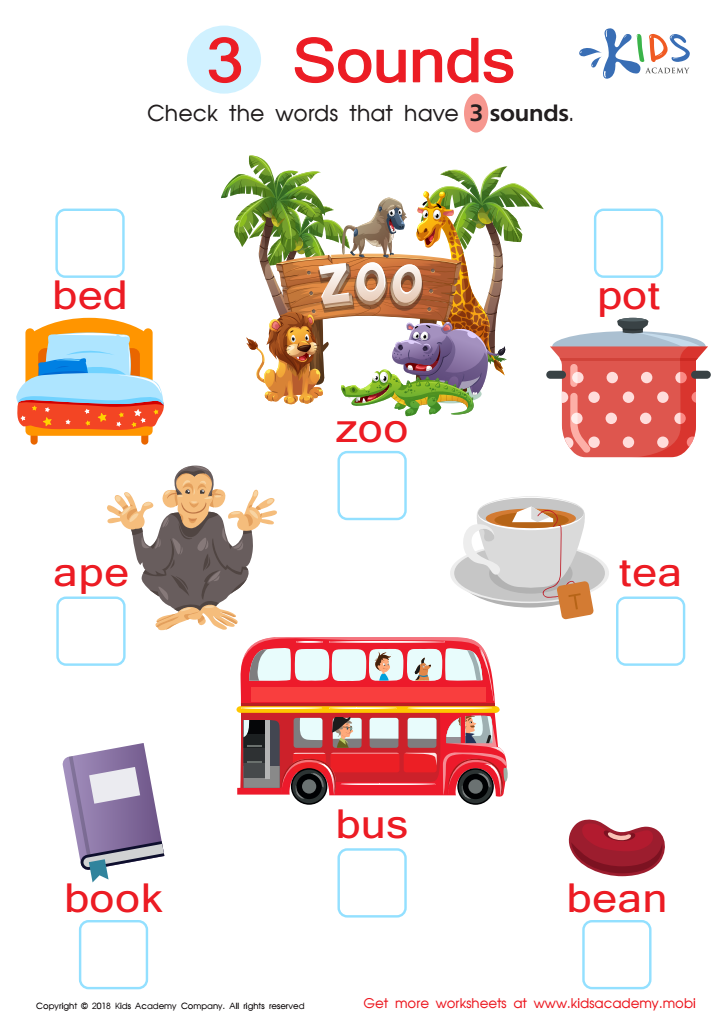
3 Sounds Worksheet
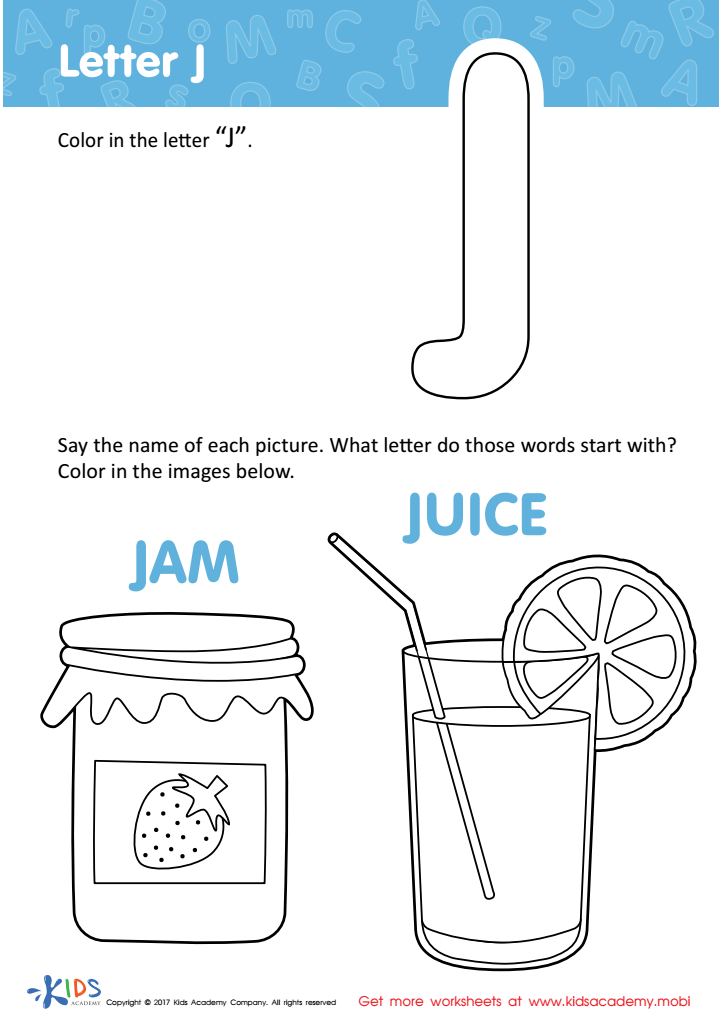
Letter J Coloring Sheet
Assign to My Students
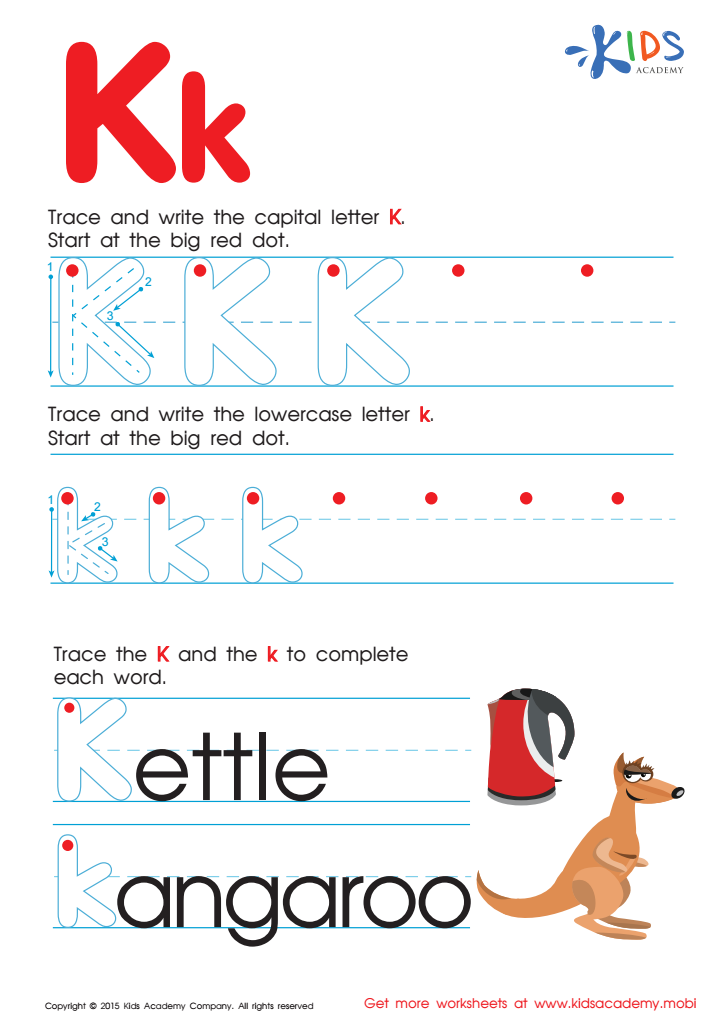
Letter K Tracing Page
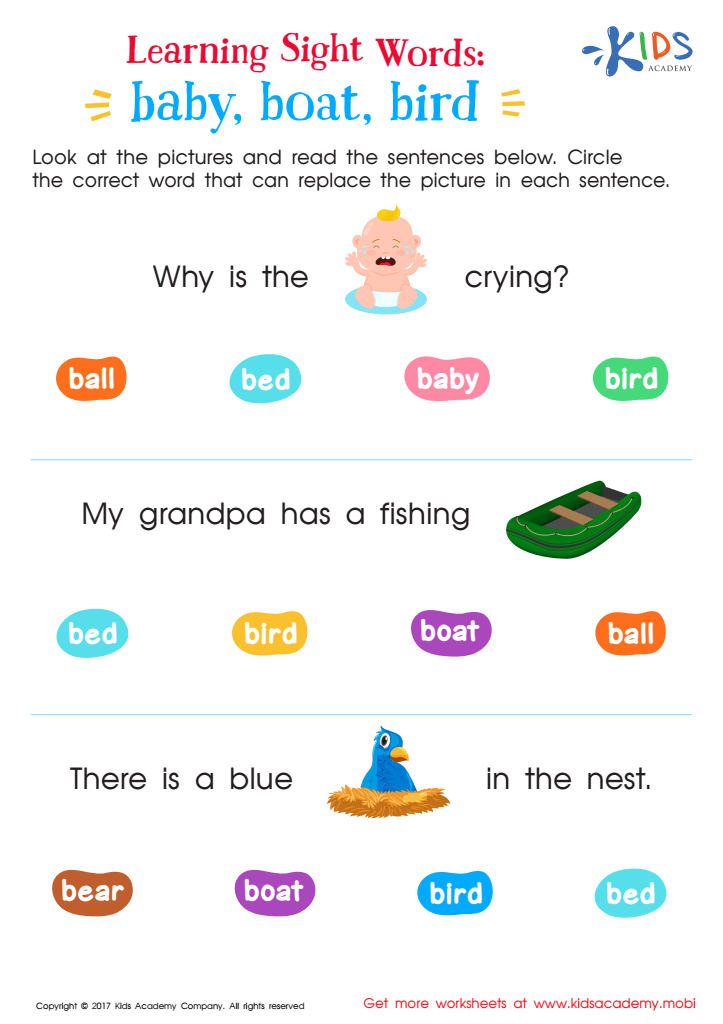
Baby, Boat, Bird Worksheet Sight Words Worksheet
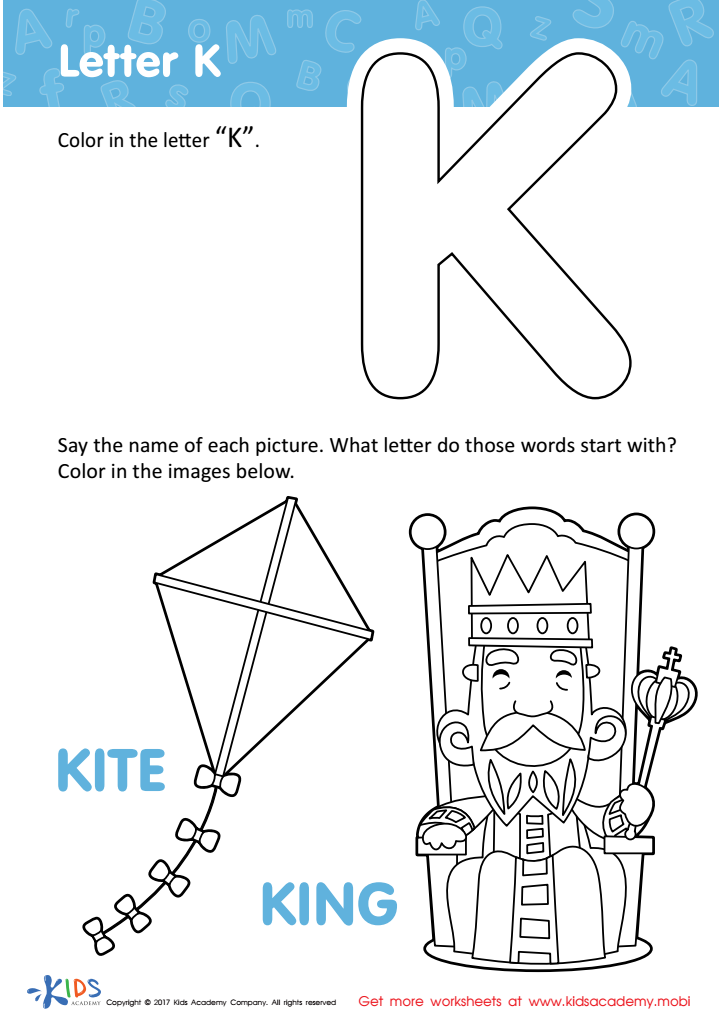
Letter K Coloring Sheet
Assign to My Students
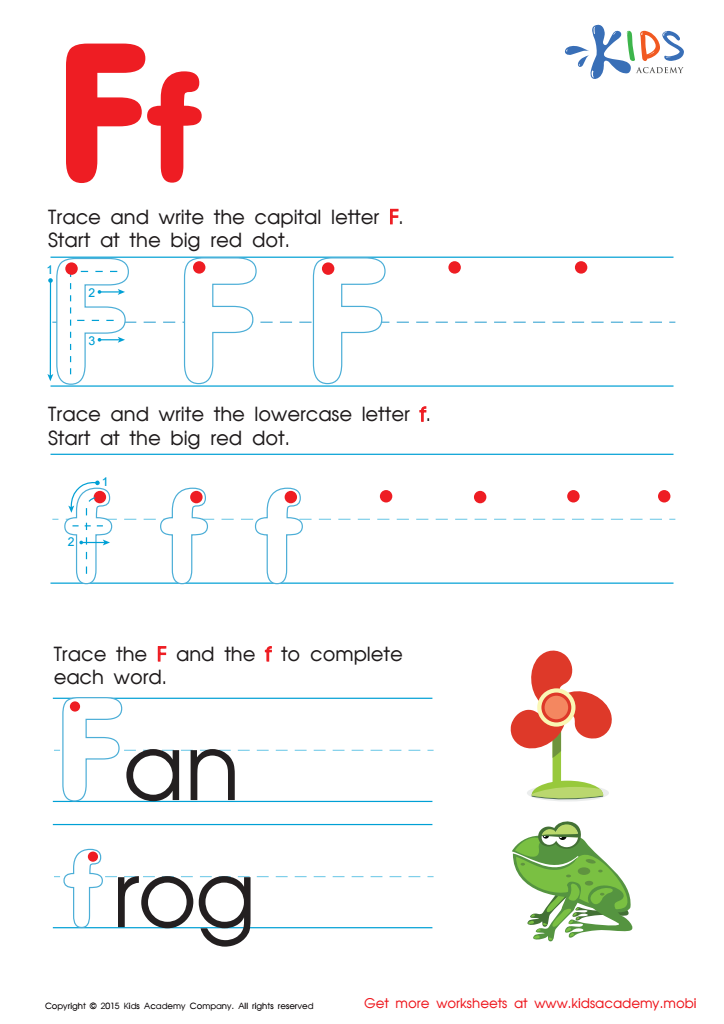
Letter F Tracing Page

Long and Short E Worksheet
Assign to My Students
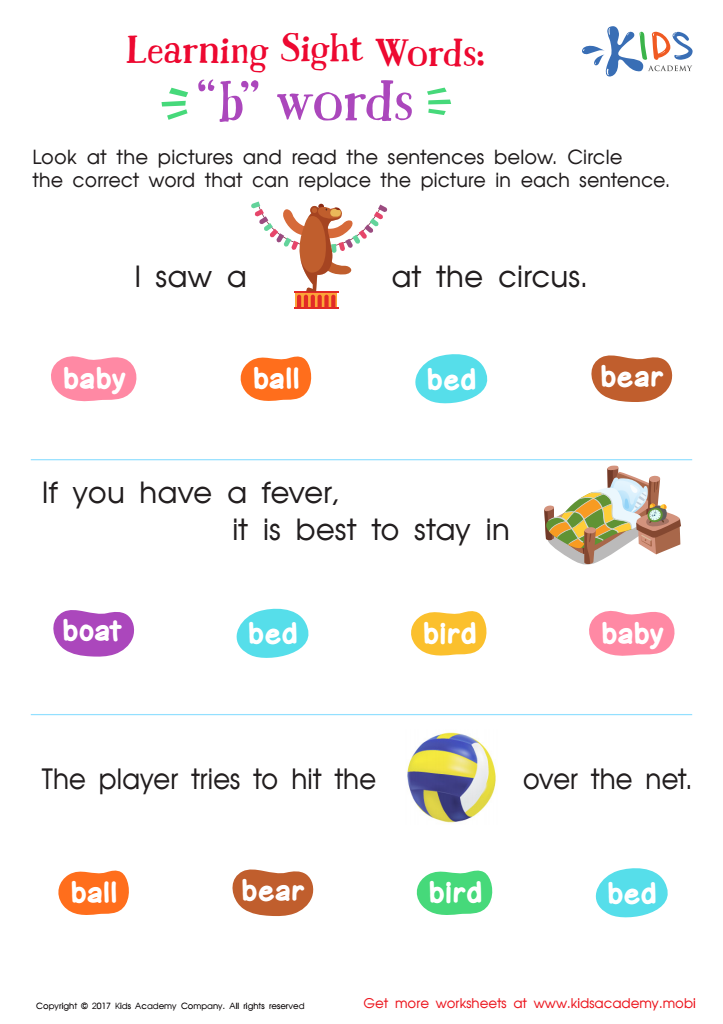
"B" Words Printable Sight Words Worksheet
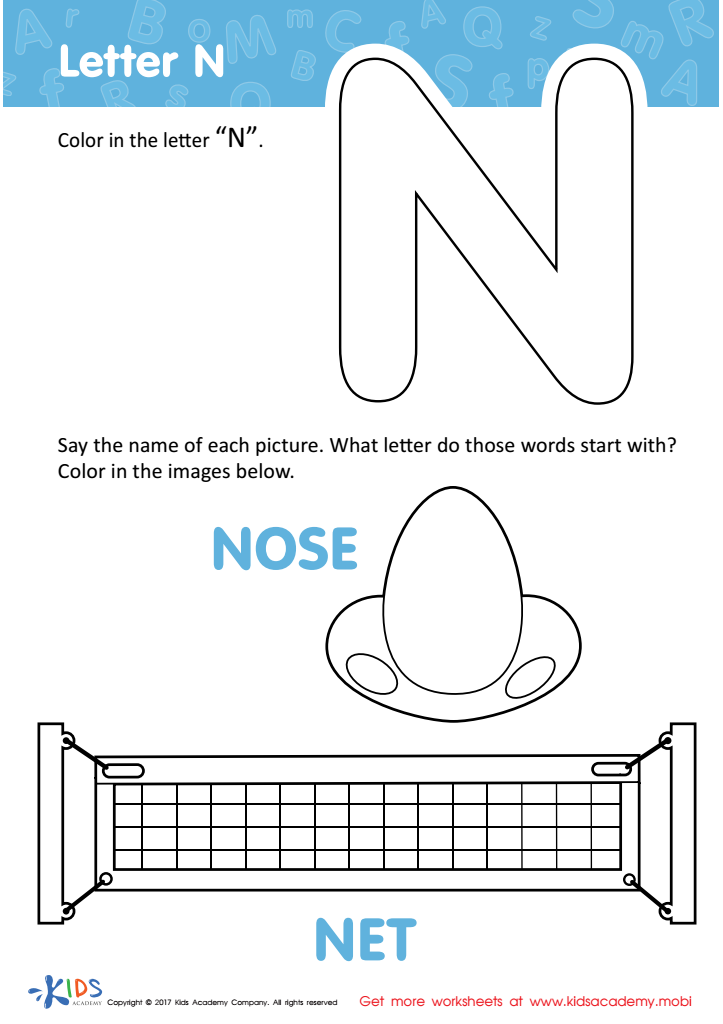
Letter N Coloring Sheet
Assign to My Students






Letter recognition is a fundamental component of early literacy, essential for Grade 1 students. Both parents and teachers should place high importance on this skill due to its far-reaching impact on a child's educational journey.
Firstly, letter recognition forms the basis for reading and writing, which are critical skills for academic success. When children accurately identify letters, they are better equipped to sound out words and understand phonetics, leading to fluent reading and comprehension. Without solid letter recognition, young learners may struggle with more complex language tasks, hindering their overall progress.
Secondly, mastering letter recognition boosts a child's confidence and self-esteem. Early success in recognizing letters can make learning enjoyable, increasing a child’s willingness to engage with more challenging material. This positive reinforcement encourages a love for learning from an early age.
Thirdly, early proficiency in letter recognition helps prevent future learning difficulties. Data shows that children who lag behind in early literacy often continue to struggle academically. Early intervention can align their learning trajectory with those of their peers, ensuring they do not fall behind.
In summary, ensuring Grade 1 children develop strong letter recognition skills is essential for their literacy development, academic confidence, and long-term educational success. Both parents and teachers play crucial roles in supporting this foundational learning milestone.