Fine Motor Skills Normal Grade 1 Numbers Worksheets
11 filtered results
-
From - To
Our Fine Motor Skills Normal Grade 1 Numbers Worksheets are designed to help students improve their dexterity while mastering essential math skills. These engaging worksheets provide a dual benefit: enhancing hand-eye coordination and promoting number recognition and counting abilities. They feature a variety of activities such as tracing, drawing, and connecting the dots, which make learning numbers fun and effective. Perfect for classroom use or at-home practice, these worksheets support young learners in developing the fine motor skills necessary for writing and daily tasks. Help your first grader get a head start on their educational journey with our expertly crafted resources.
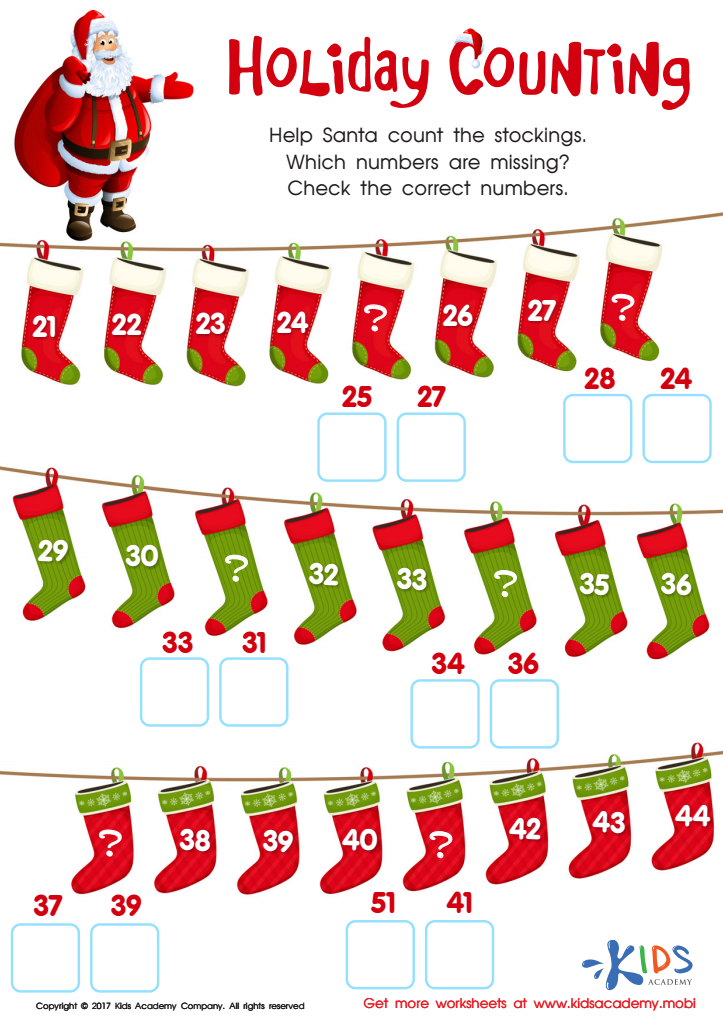
Holiday Counting Worksheet
 Assign to My Students
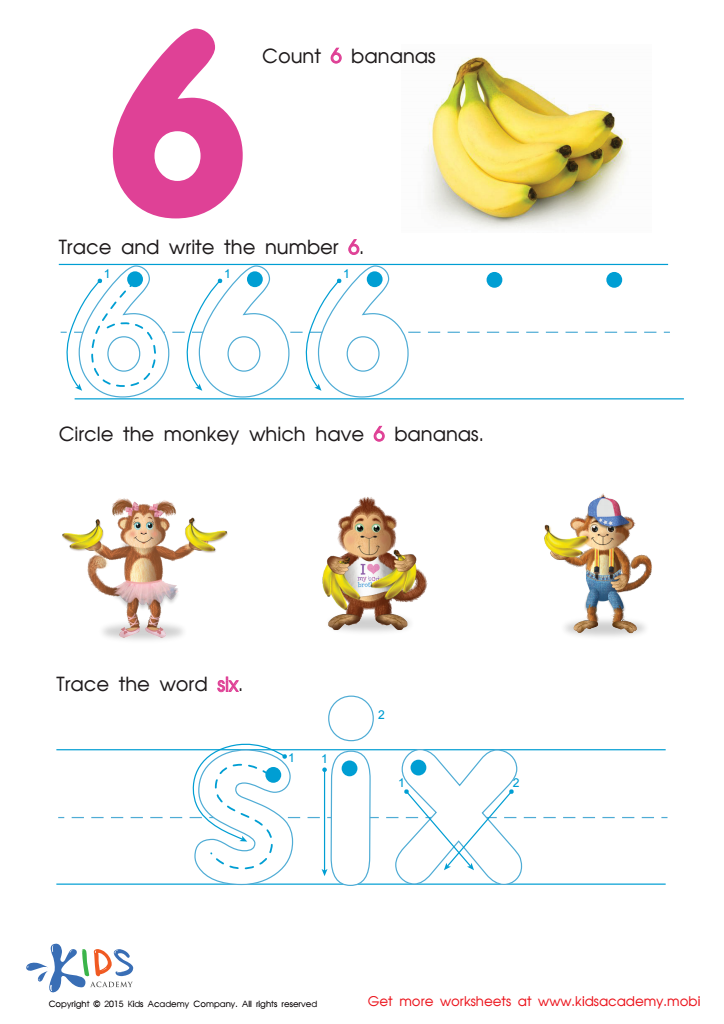
Tracing And Writing Number 6 Worksheet
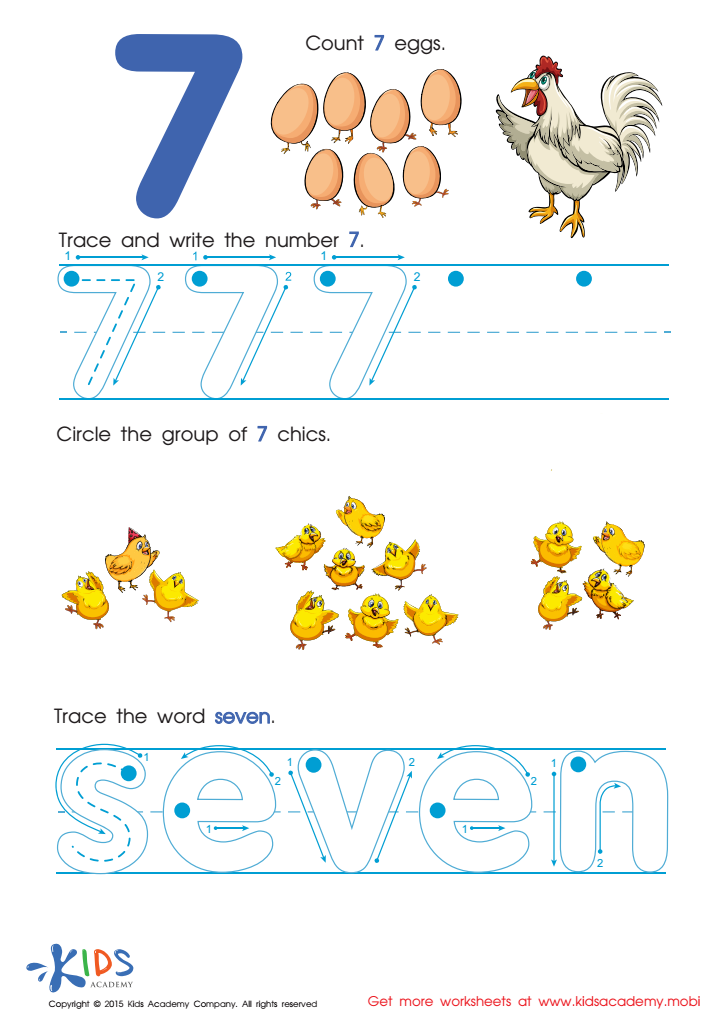
Trace And Write Number 7 with Fun Worksheet
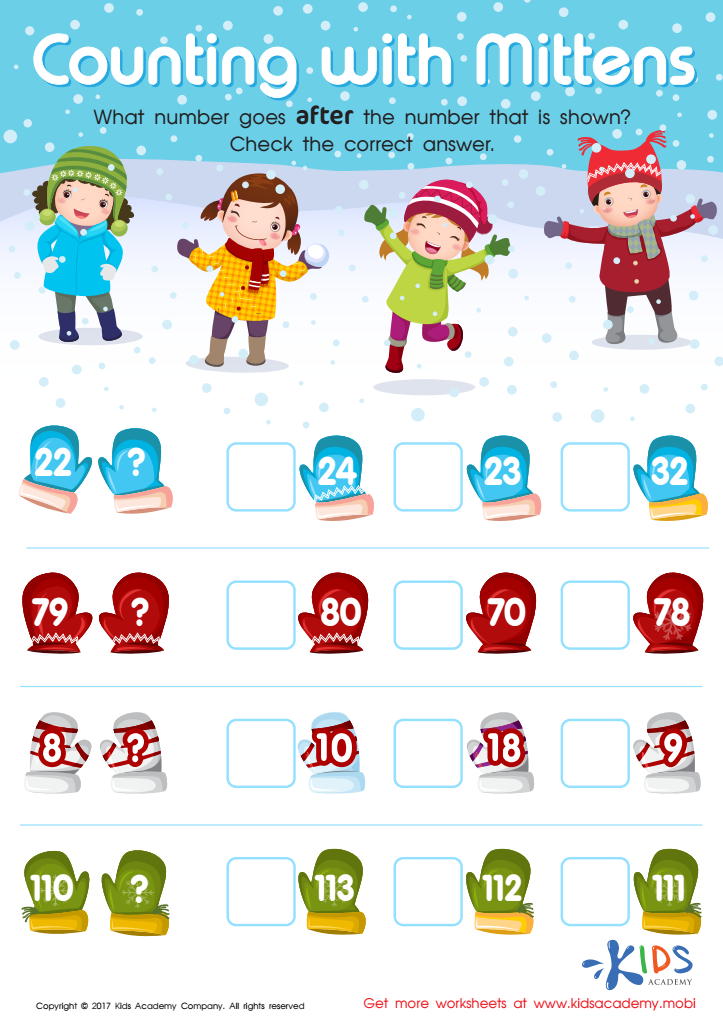
Counting with Mittens Worksheet
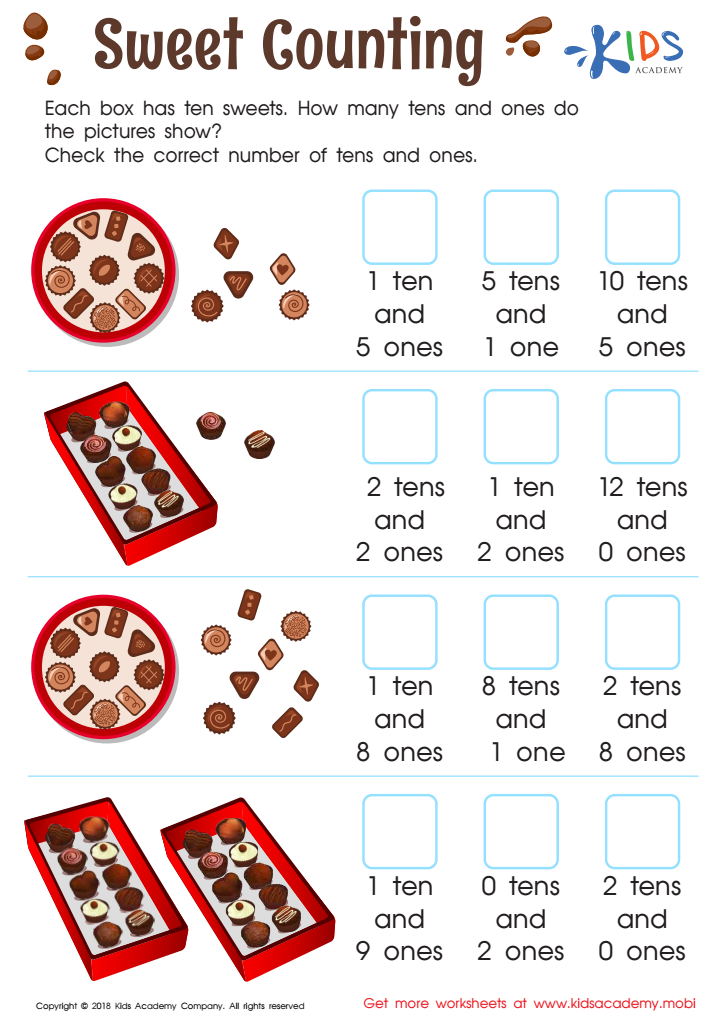
Sweet Counting - Part 2 Worksheet
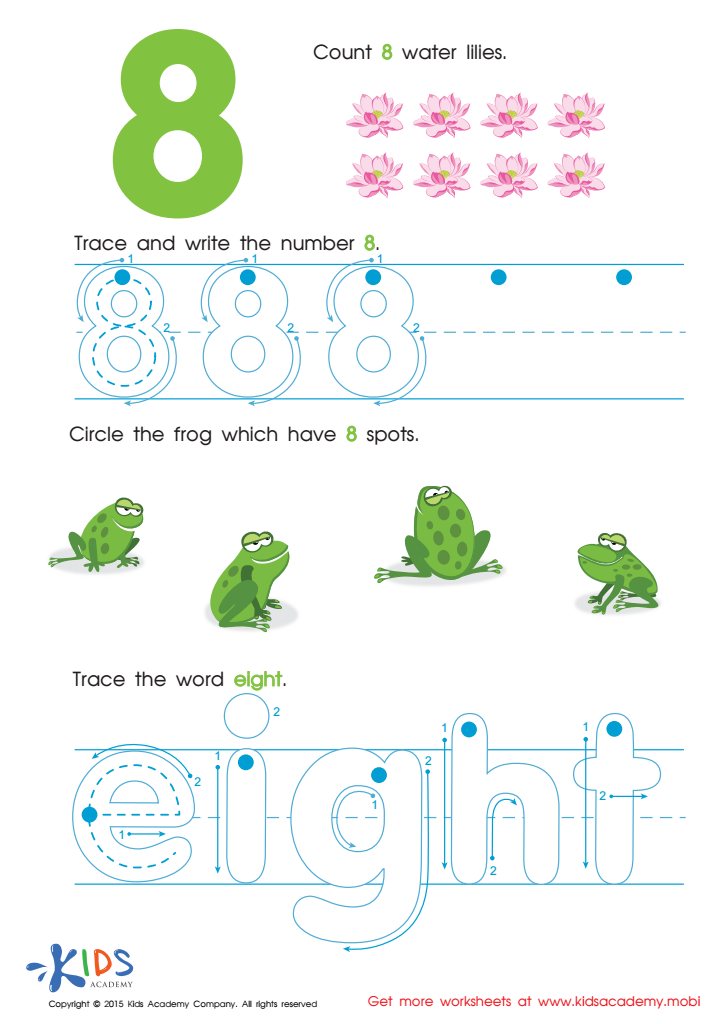
Learn Number 8 Easily Worksheet
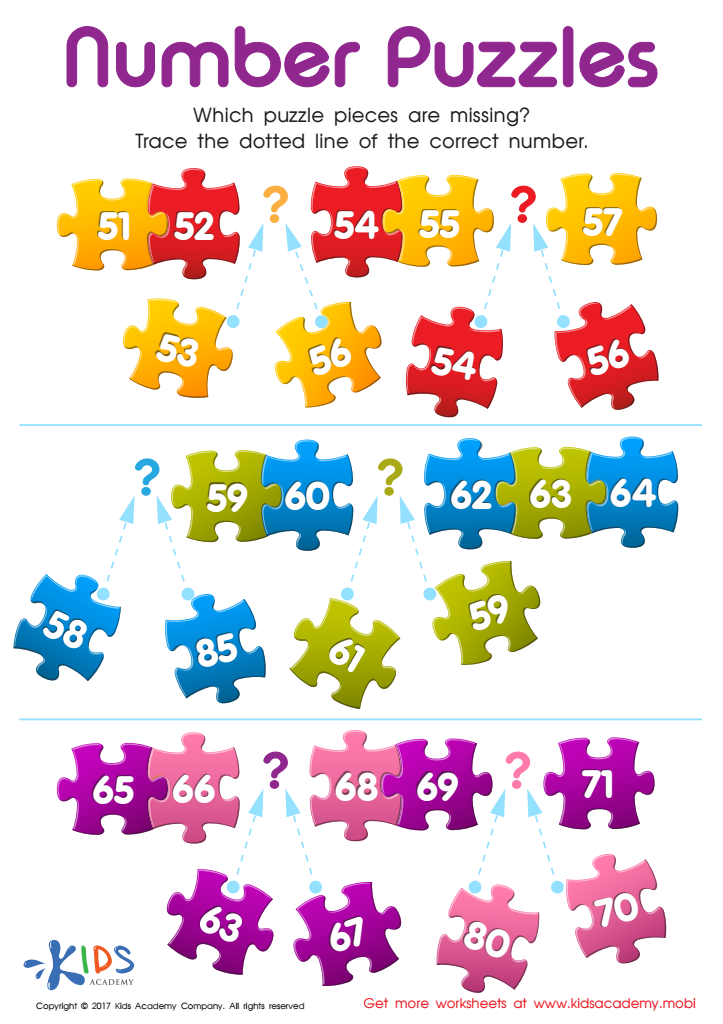
Number Puzzles Worksheet
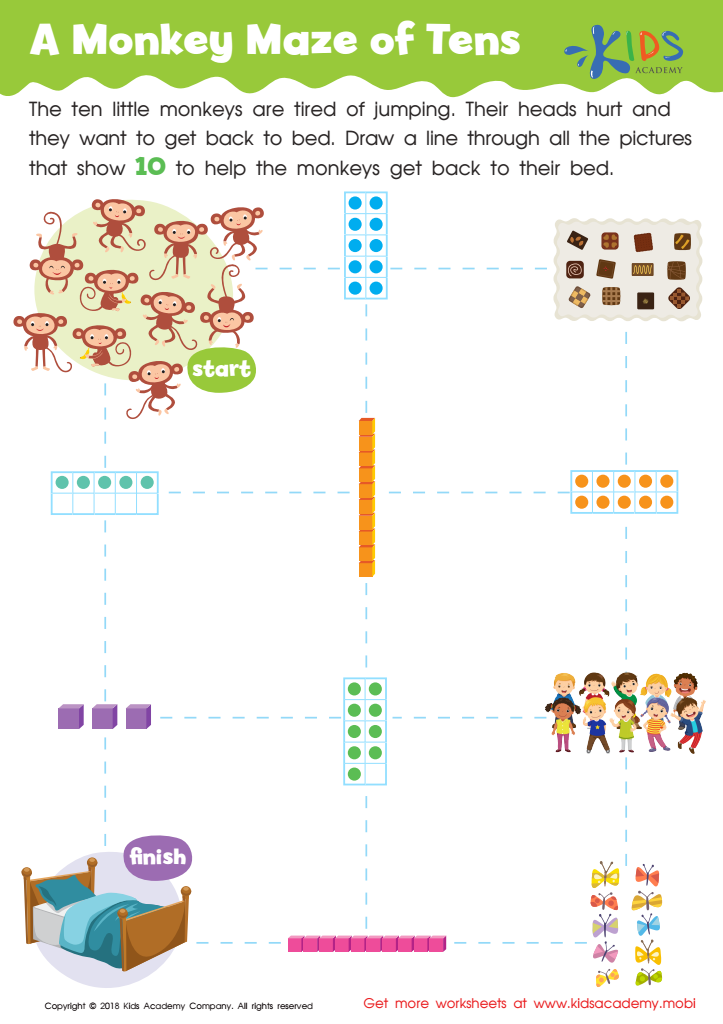
A Monkey Maze of Tens Worksheet
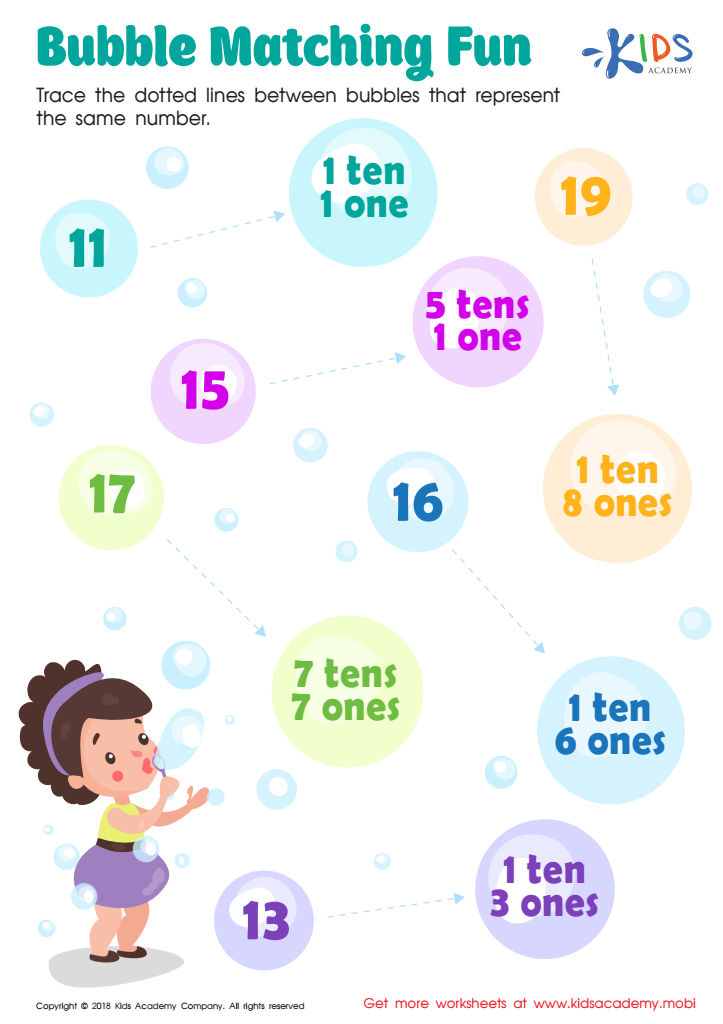
Bubble Matching Fun Worksheet
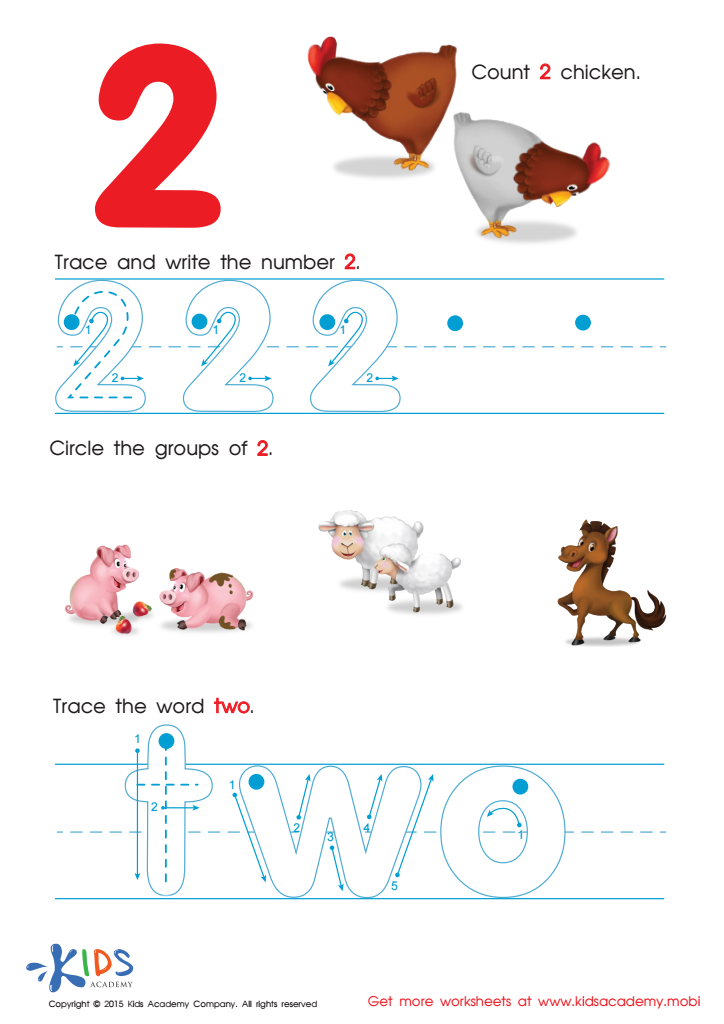
Learn to Write the Number 2 Worksheet
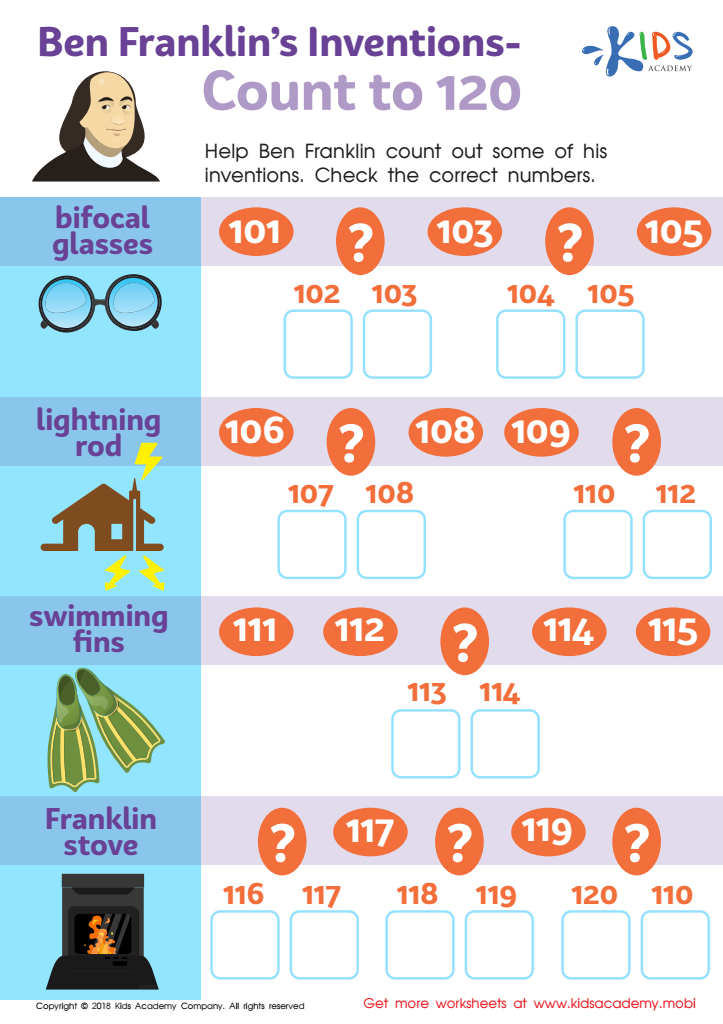
Ben Franklin’s Inventions – Count to 120 Worksheet








Fine motor skills are crucial for a child's overall development, especially in Grade 1, when foundational learning activities are essential. These skills involve the coordinated efforts of the small muscles in the hands and fingers, important for tasks such as writing, buttoning clothes, and using utensils. When focusing on normal Grade 1 numbers, strong fine motor skills are necessary to help children form numerals legibly and accurately on paper.
Firstly, proficient fine motor skills enable children to grasp pencils correctly, which is fundamental in writing numbers neatly and staying within the lines in workbooks. This precision helps prevent frustration and encourages positive academic experiences. Furthermore, legible number writing is vital for ensuring that teachers and parents can accurately assess a child's mathematical understanding.
Secondly, strong fine motor skills contribute to cognitive development. Tasks that require fine motor coordination, such as organizing objects or constructing with blocks, often incorporate number concepts. These activities enhance problem-solving skills and numerical cognition.
Lastly, developing fine motor skills early supports a child's confidence and independence. When children can perform tasks efficiently, such as writing or manipulating small objects, they build self-esteem, which encourages further learning and exploration. Therefore, prioritizing the development of fine motor skills at this stage prepares children for future academic and life challenges.