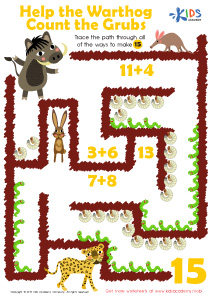
Cognitive Development Normal Kindergarten Matching Worksheets
3 filtered results
-
From - To
Our Cognitive Development Normal Kindergarten Matching Worksheets are expertly designed to foster essential cognitive skills in young learners. These engaging worksheets help children enhance their ability to recognize patterns, improve memory, and develop logical thinking through matching exercises. Additionally, they promote visual differentiation and attention to detail, laying a strong foundation for future academic success. Perfect for both teachers and parents, these easy-to-use resources are ideal for classroom activities and at-home practice. Unlock your child's cognitive potential with our comprehensive and fun matching worksheets that make learning an exciting journey!
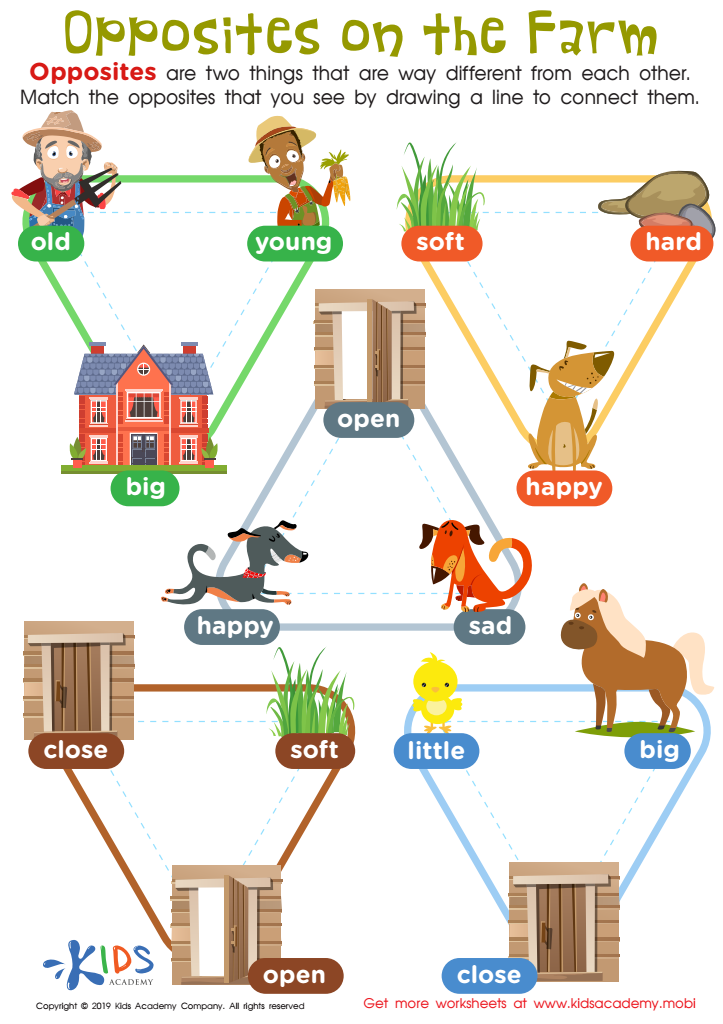
Opposites on the Farm Worksheet
 Assign to My Students
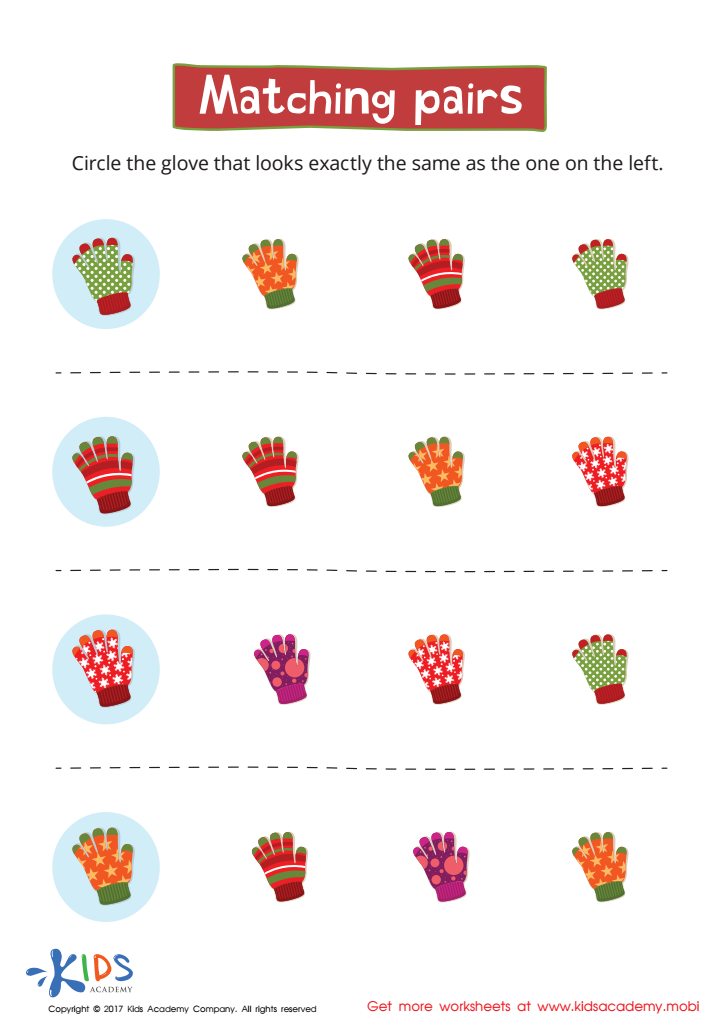
Matching: Matching Pairs Worksheet
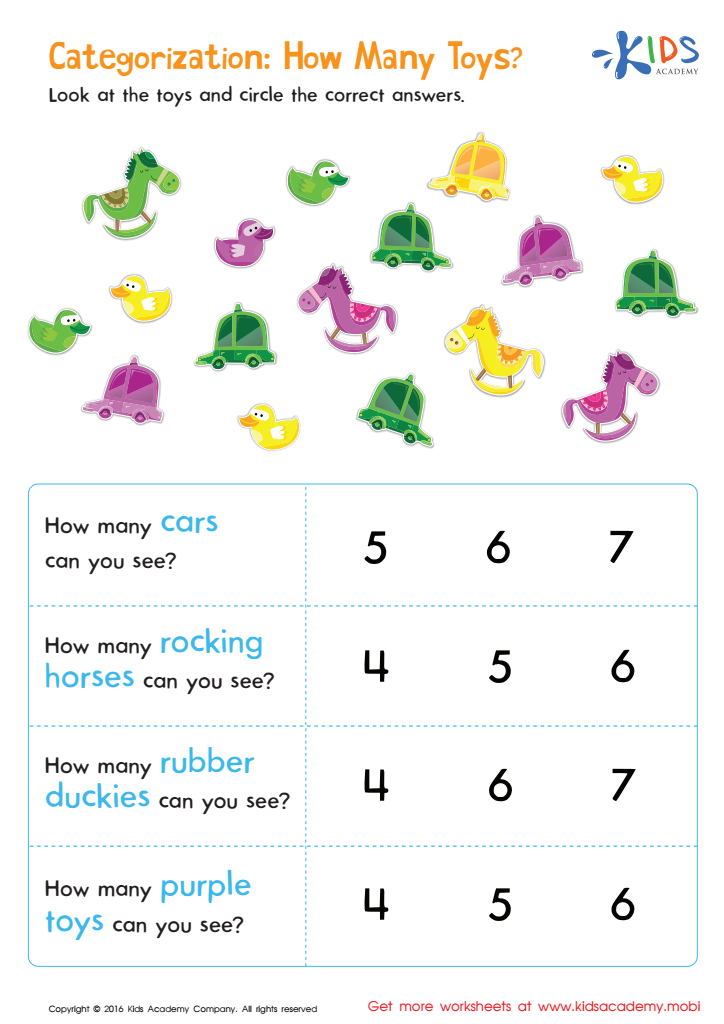
Classifying Toys by Type and Color Sorting Worksheet








Parents and teachers should prioritize Cognitive Development Normal Kindergarten Matching because it lays the foundation for essential learning skills and overall intellectual growth. During the kindergarten years, children's brains are highly receptive to new information and experiences, making it a critical period for cognitive development. By engaging in activities that promote matching and categorization, children develop important skills such as attention to detail, memory, and problem-solving.
Matching activities help children understand relationships between items, which is a crucial aspect of logical thinking. When children match objects by color, shape, size, or functionality, they enhance their ability to recognize patterns and similarities, fostering better organizational skills. This process also improves their visual discrimination, which is essential for reading and writing.
Moreover, participating in matching games and activities encourages social interaction and cooperative play when done in group settings. Children learn to take turns, share, and communicate effectively, which are valuable social skills.
Overall, prioritizing cognitive development through Normal Kindergarten Matching equips children with the foundational abilities they need for academic success and everyday problem-solving. It encourages a love for learning and helps in creating a well-rounded educational experience, ensuring that children are ready for the more complex cognitive challenges of later school years.