Critical Thinking Normal Kindergarten Reading Fiction Worksheets
7 filtered results
-
From - To
Enhance your kindergarten students' reading skills with our engaging Critical Thinking Normal Kindergarten Reading Fiction Worksheets. Designed to stimulate young minds, these worksheets encourage critical analysis of stories, fostering comprehension and creativity. Each activity prompts children to explore characters, plot, and settings, promoting deeper understanding through questions and reflective prompts. Ideal for group or independent work, these worksheets provide a fun way to develop essential literacy skills while nurturing a love for reading. Perfect for teachers and parents striving for a holistic learning approach, these resources are easy to use and aligned with educational standards, ensuring your child becomes a confident reader.
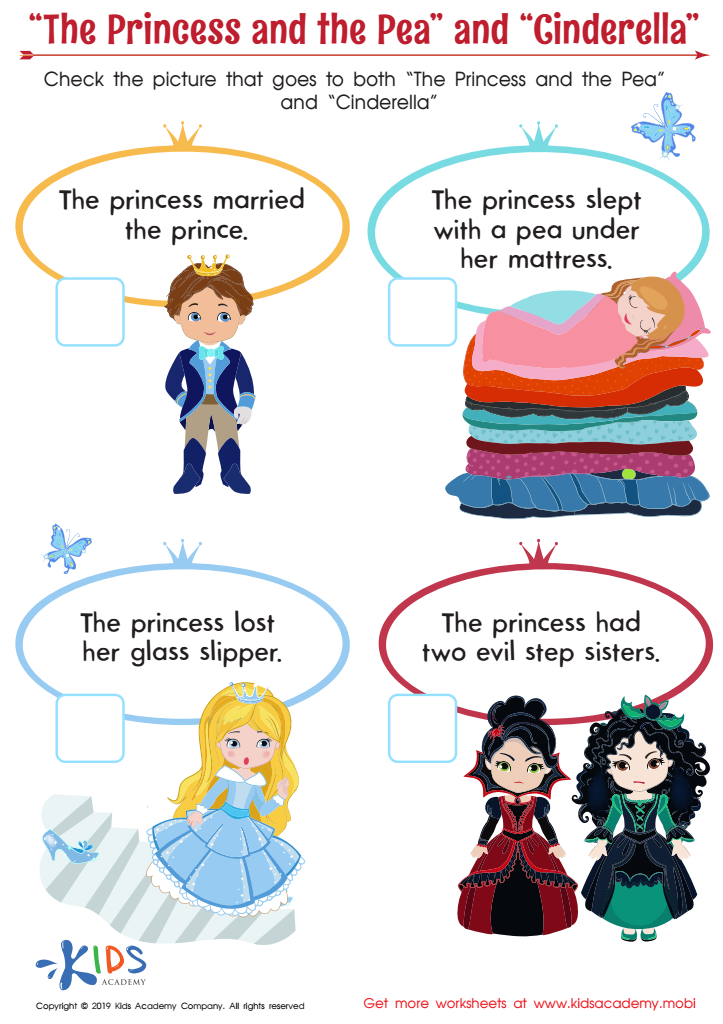
“The Princess and the Pea” and “Cinderella” Worksheet
 Assign to My Students
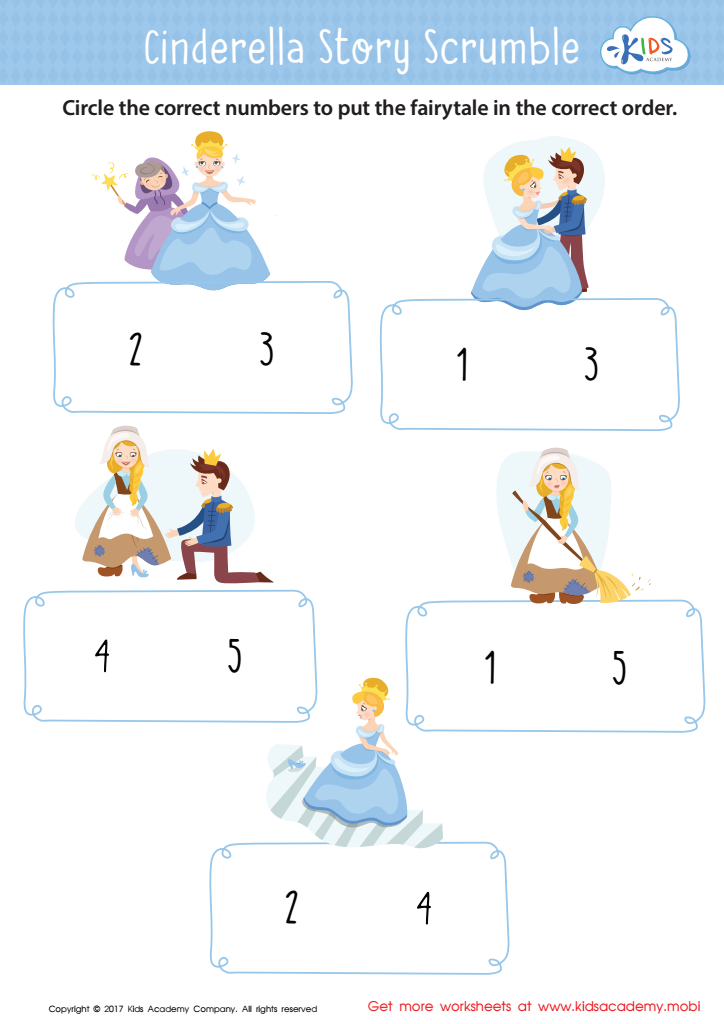
Cinderella Story Sequencing Worksheet
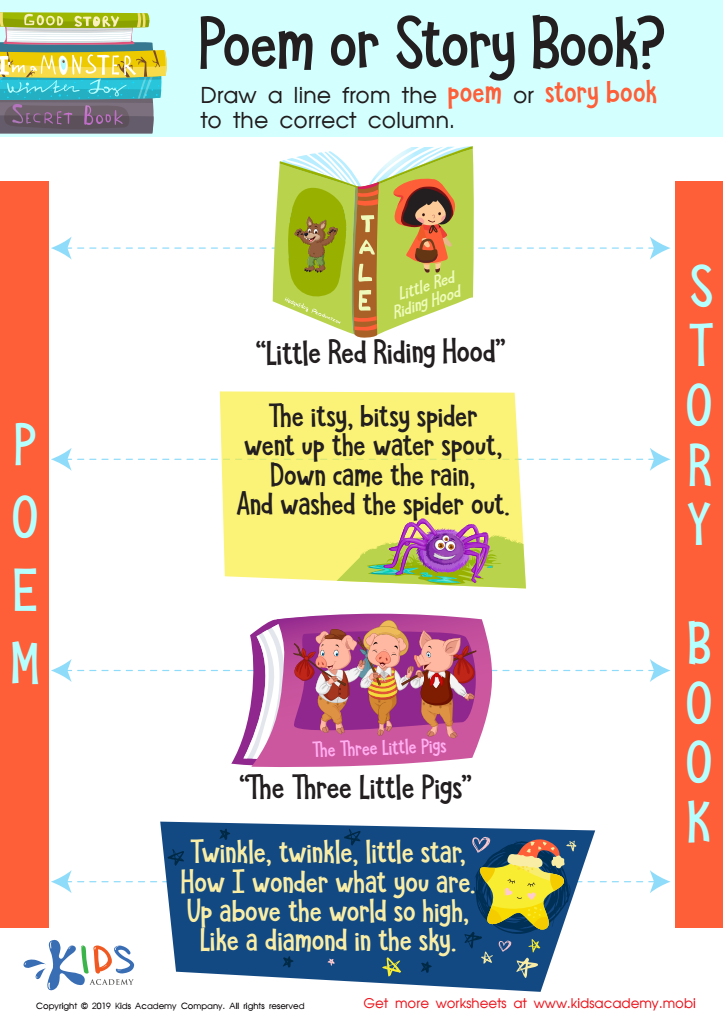
Poem or Story Book? Worksheet
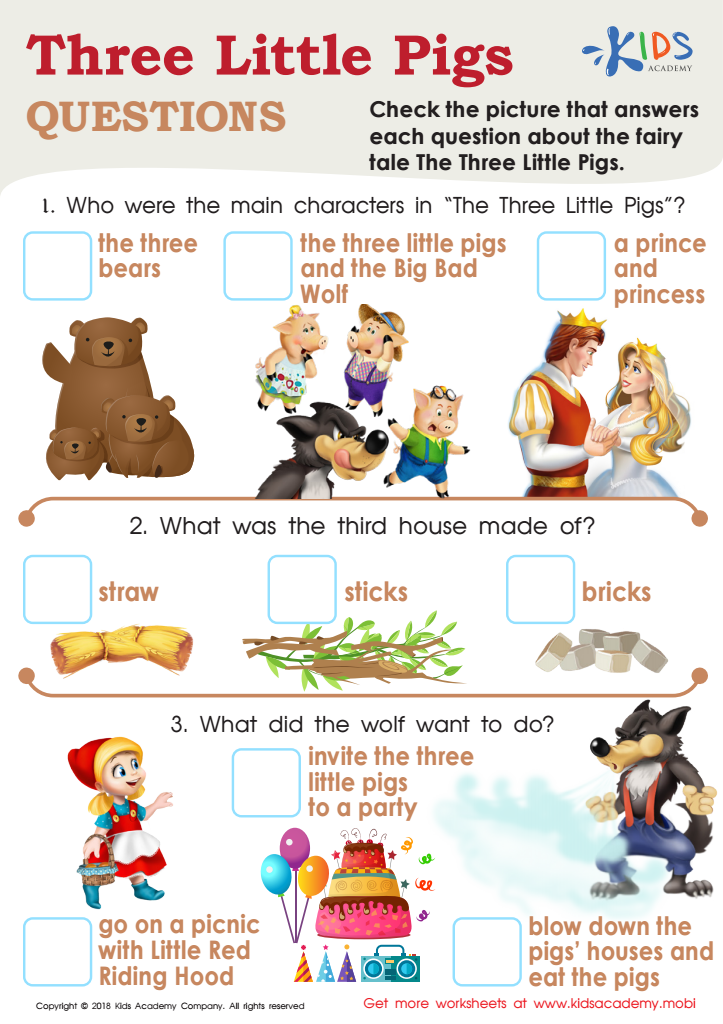
Three Little Pigs Questions Worksheet
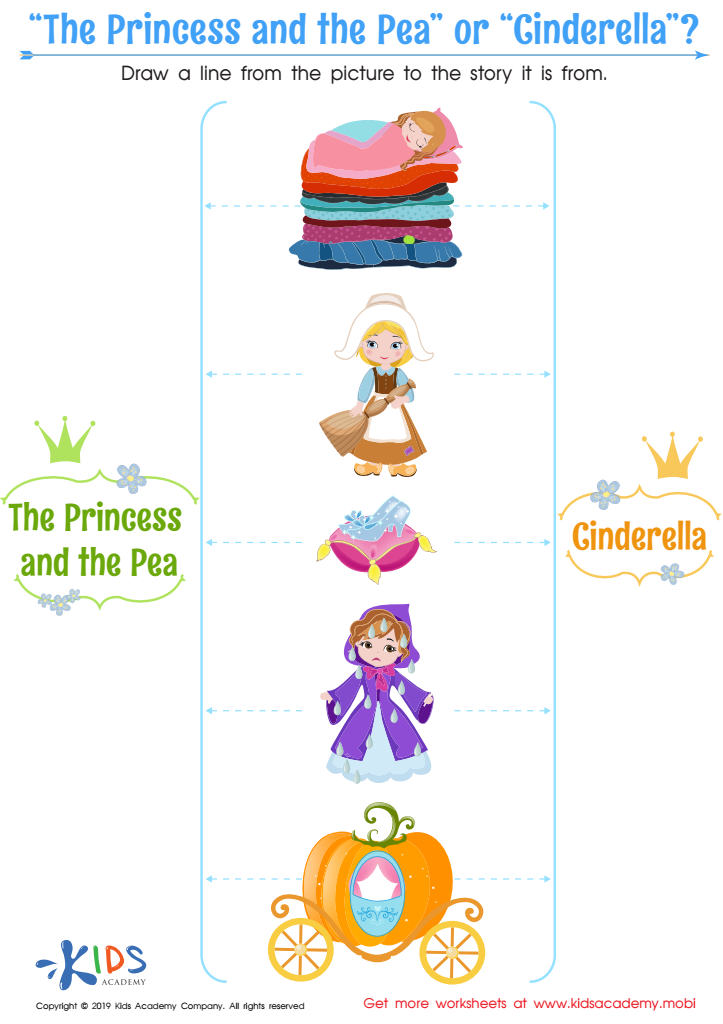
“The Princess and the Pea” or “Cinderella” Worksheet
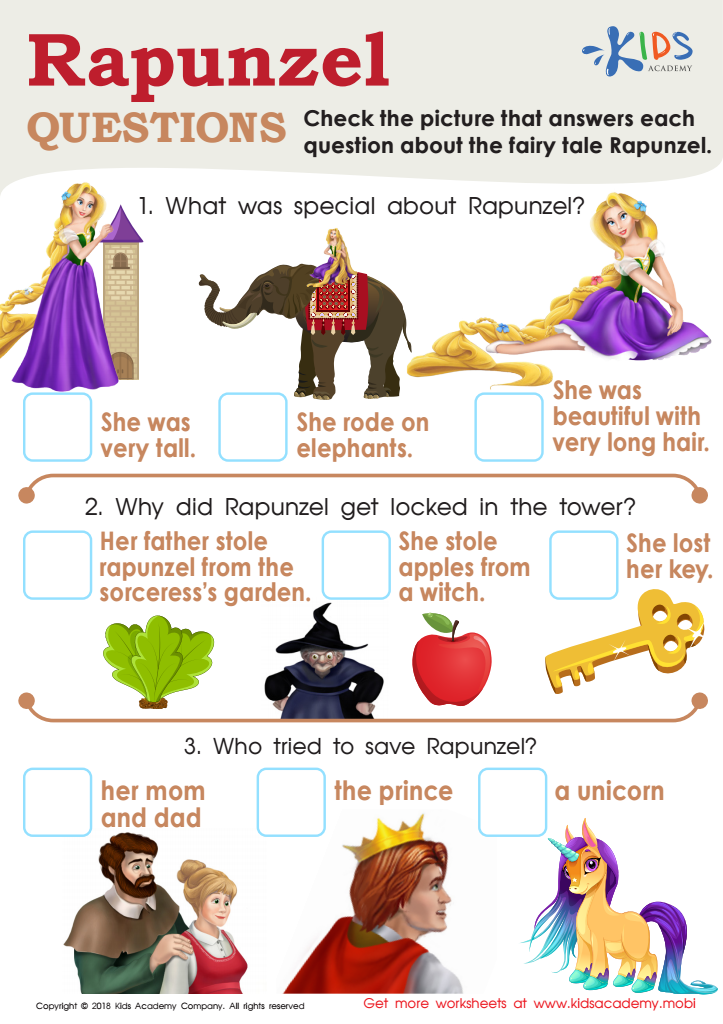
Rapunzel Questions Worksheet
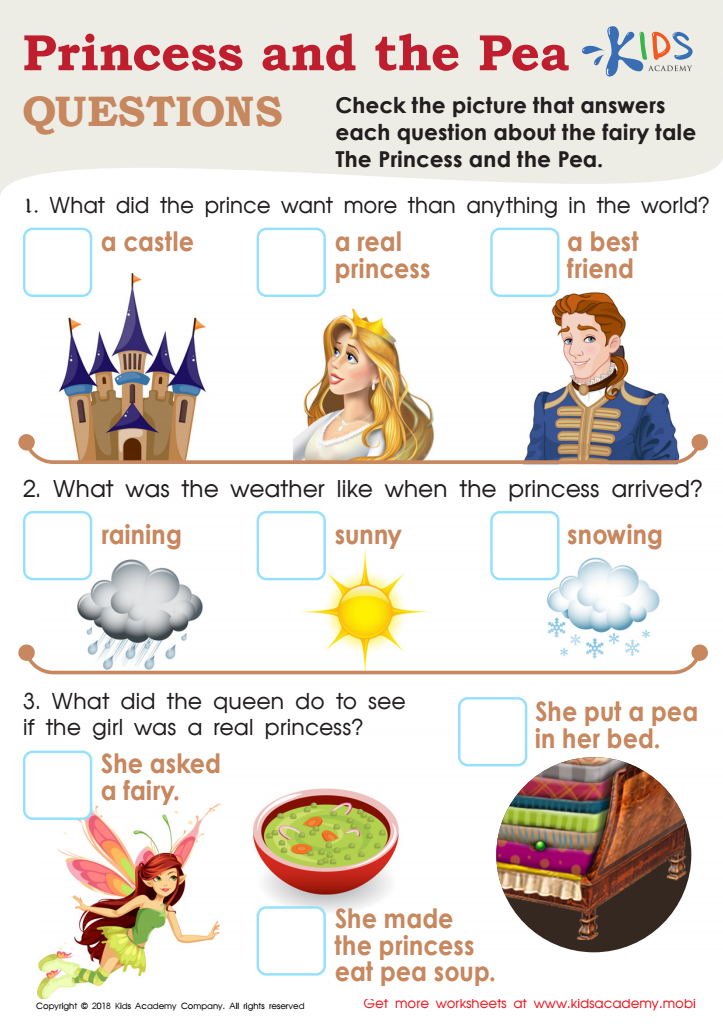
Princess and the Pea Questions Worksheet



.jpg)




Critical thinking in early childhood education, specifically in the context of kindergarten reading fiction, is essential for developing foundational skills in young learners. Engaging with stories not only enhances children's vocabulary and comprehension but also encourages them to analyze and interpret information critically. When parents and teachers focus on critical thinking during reading activities, they foster a love for learning and exploring new ideas.
By asking open-ended questions about characters, plots, and settings, caregivers can prompt children to think deeply and make connections to their own experiences. This process cultivates curiosity and creativity, which are vital for cognitive development. Moreover, teaching children how to evaluate different perspectives in a story encourages empathy and enhances their social skills, promoting a well-rounded understanding of the world around them.
Supporting critical thinking in reading fiction also equips young learners with essential problem-solving skills. As they discuss characters' motivations or potential outcomes of a story, children learn to navigate uncertainties and think independently. Ultimately, prioritizing critical thinking during the early years boosts academic performance and prepares children for more complex learning challenges in later grades, ensuring they become confident and capable thinkers.