
Alphabet understanding Normal Worksheets
8 filtered results
Difficulty Level
Grade
Age
-
From - To
Subject
Activity
Standards
Explore our specially crafted "Alphabet Understanding Normal Worksheets," designed to help young learners master the basics of the alphabet. These engaging worksheets provide a variety of activities that make learning fun, from letter recognition to essential phonics skills. Ideal for preschool and early grade students, our materials encourage creativity and critical thinking through coloring, tracing, and matching exercises. Each worksheet is aligned with early learning standards, ensuring that your child builds a strong foundation in literacy. Enhance your child's learning experience and foster a love for reading and writing with our ready-to-print worksheets, available for immediate access. Unlock the joy of learning today!
Favorites
With answer key
Interactive
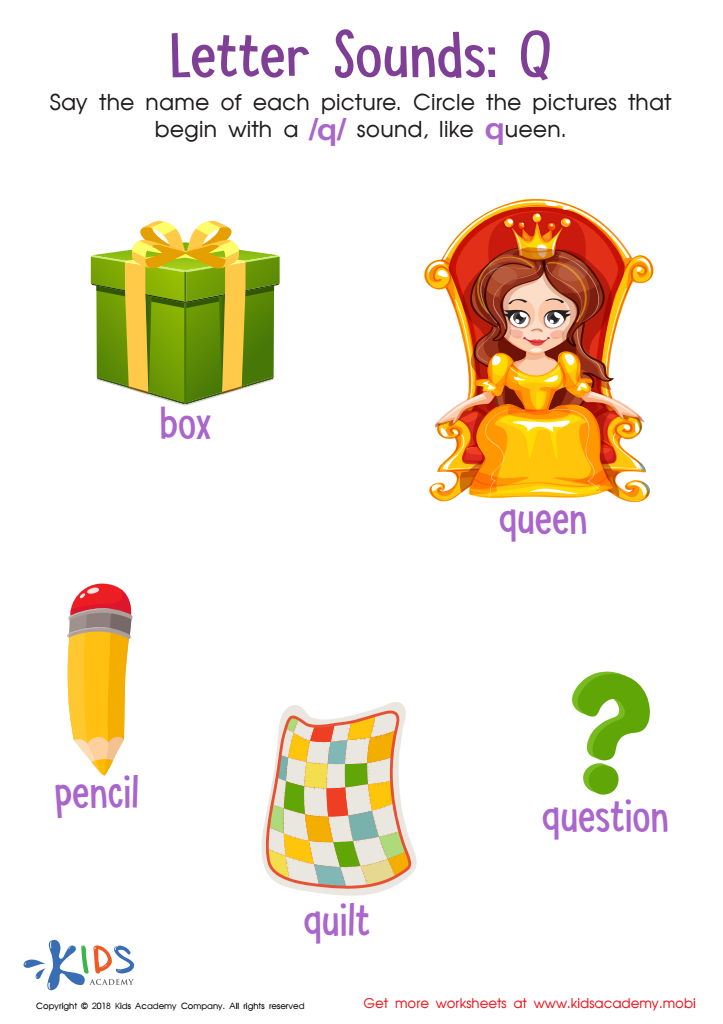
Letter Q Sounds Worksheet
Kids can get confused between "K" and "Q" sounds. Help them learn with this phonics worksheet. They'll name each image and read the word underneath. Point out that words with "Q" also have a "U" which affects how it sounds. Have them circle the matching pictures and watch as they learn this unique letter sound.
 Assign to My Students
Letter Q Sounds Worksheet
Worksheet
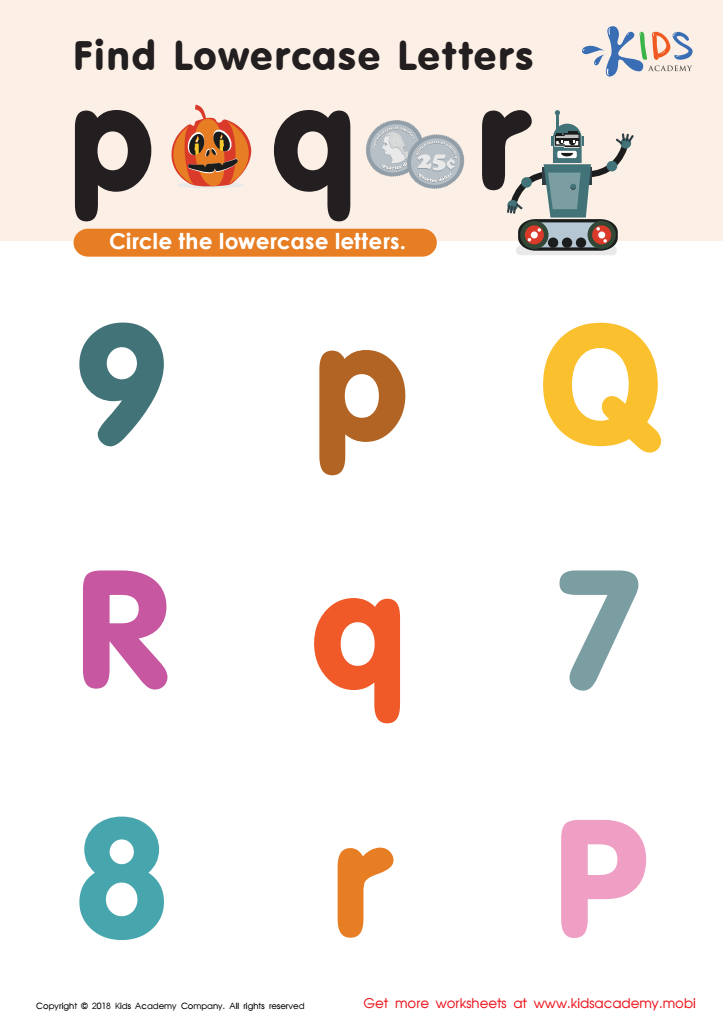
Find lowercase Letters p q r Worksheet
Help your child spot the lowercase letters among the numbers and uppercase letters in this worksheet. It's a great way to teach them to identify and write the lowercase and uppercase letters. Assist them in completing the exercise to give them a better understanding of the alphabets.
Find lowercase Letters p q r Worksheet
Worksheet
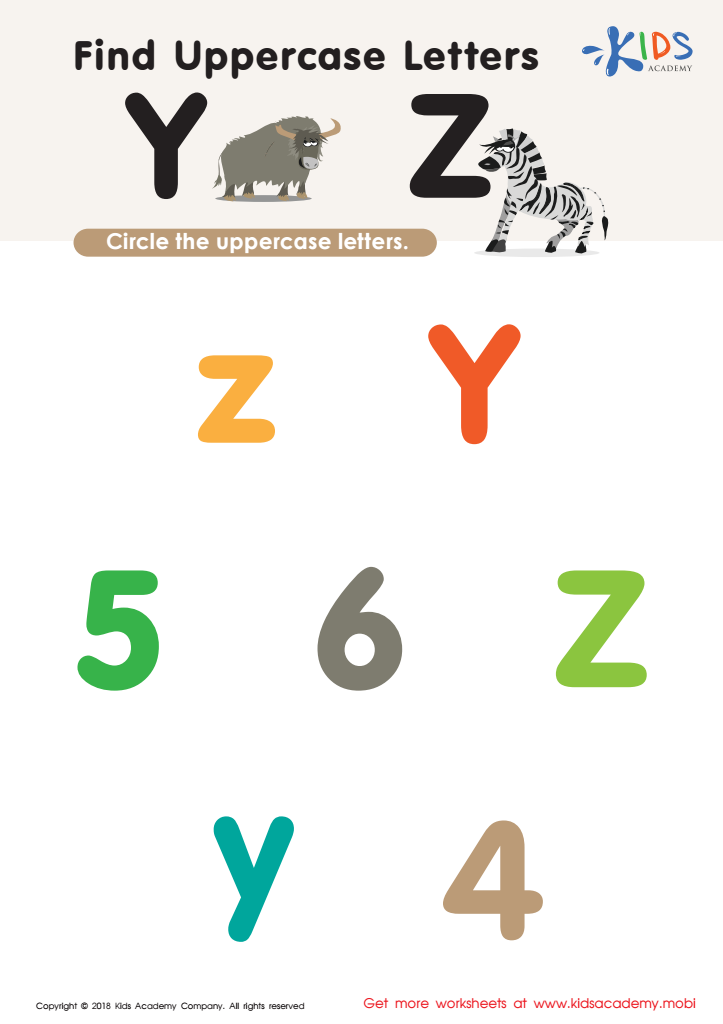
Find Uppercase Letters Y Z Worksheet
Download the worksheet! Help your youngster to learn the alphabet and distinguish uppercase from lowercase letters by having them circle the uppercase ones. It's an important first step towards reading and writing success!
Find Uppercase Letters Y Z Worksheet
Worksheet
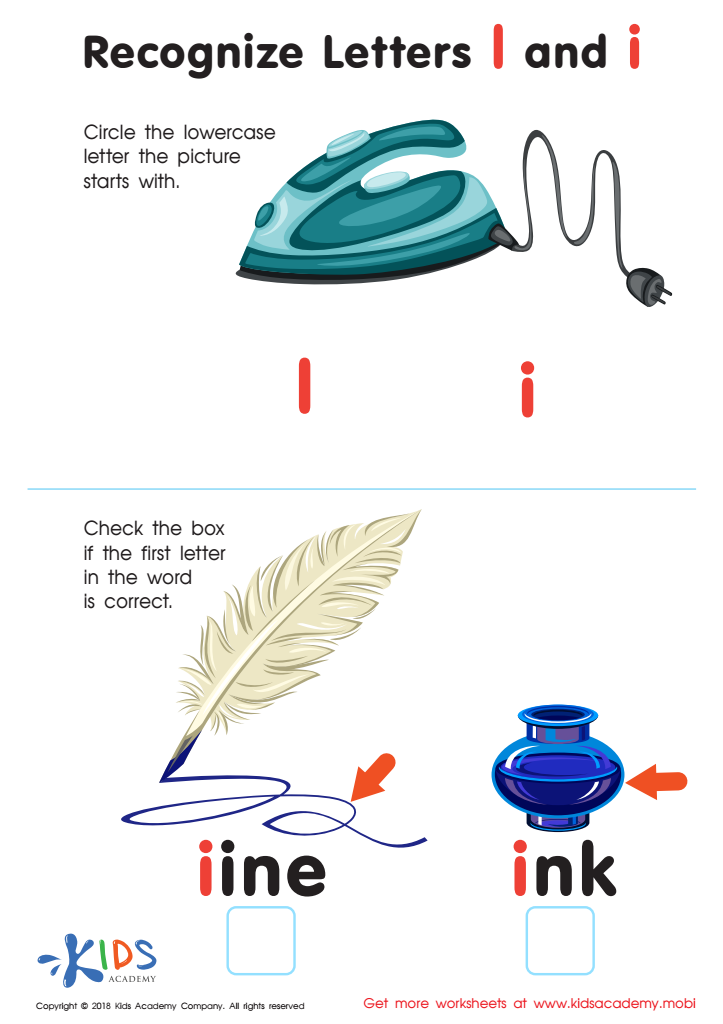
Recognize Letters l and i Worksheet
Help your child become familiar with uppercase and lowercase letters. Have them look at the pictures in the worksheet and circle the lowercase letter the picture starts with. For example: which one is the lowercase "i", the capital "I" or the small "i"?
Recognize Letters l and i Worksheet
Worksheet
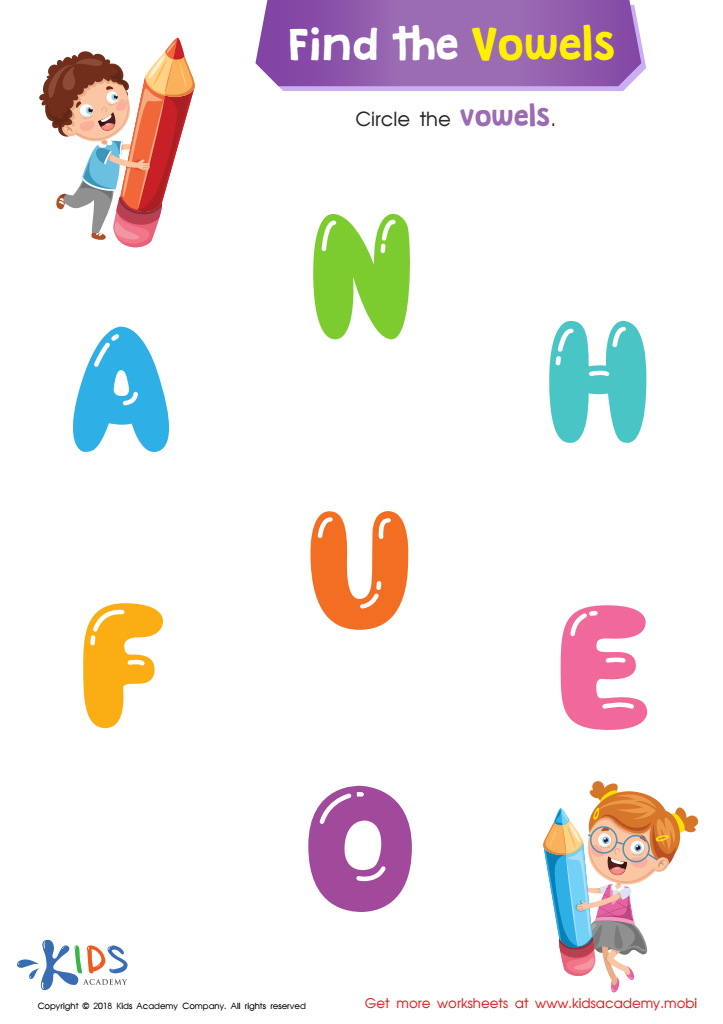
Find the Vowels Reading Worksheet
This worksheet helps kids identify vowels with bright colors and engaging activities to strengthen their visual discrimination and fine motor skills. Young learners will find it easy to succeed and be excited to keep reading!
Find the Vowels Reading Worksheet
Worksheet
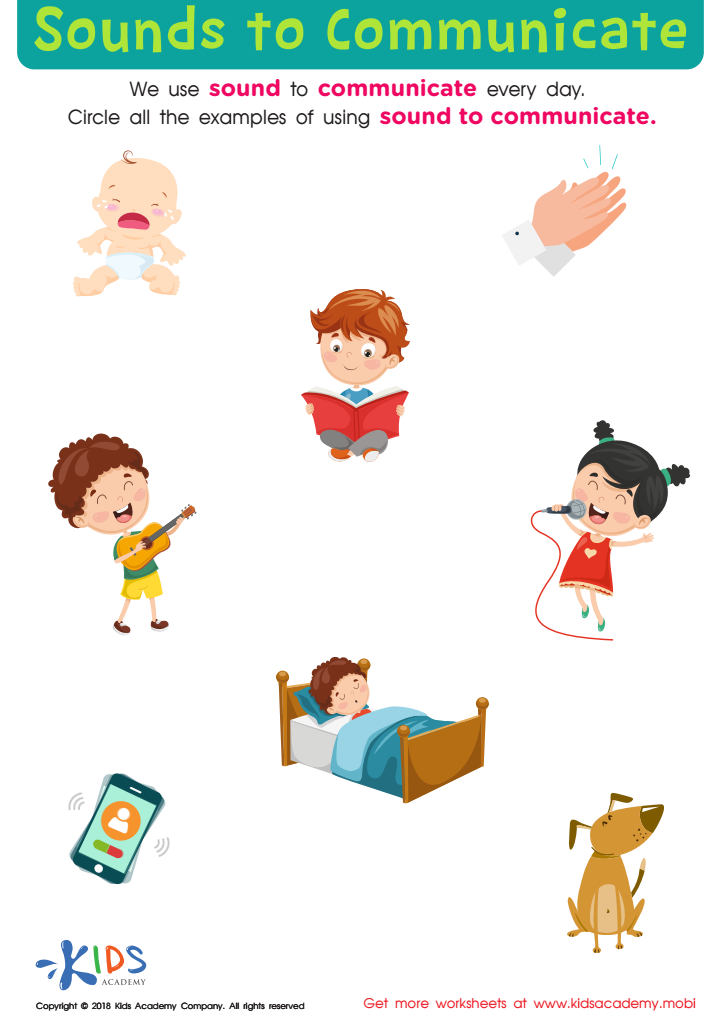
Sounds to Communicate Worksheet
Sounds are important for communication. Ask your students to name sounds people, animals and things make. Then, review this worksheet with them and see if they can identify the activities. Ask them to circle examples of sounds used to communicate.
Sounds to Communicate Worksheet
Worksheet
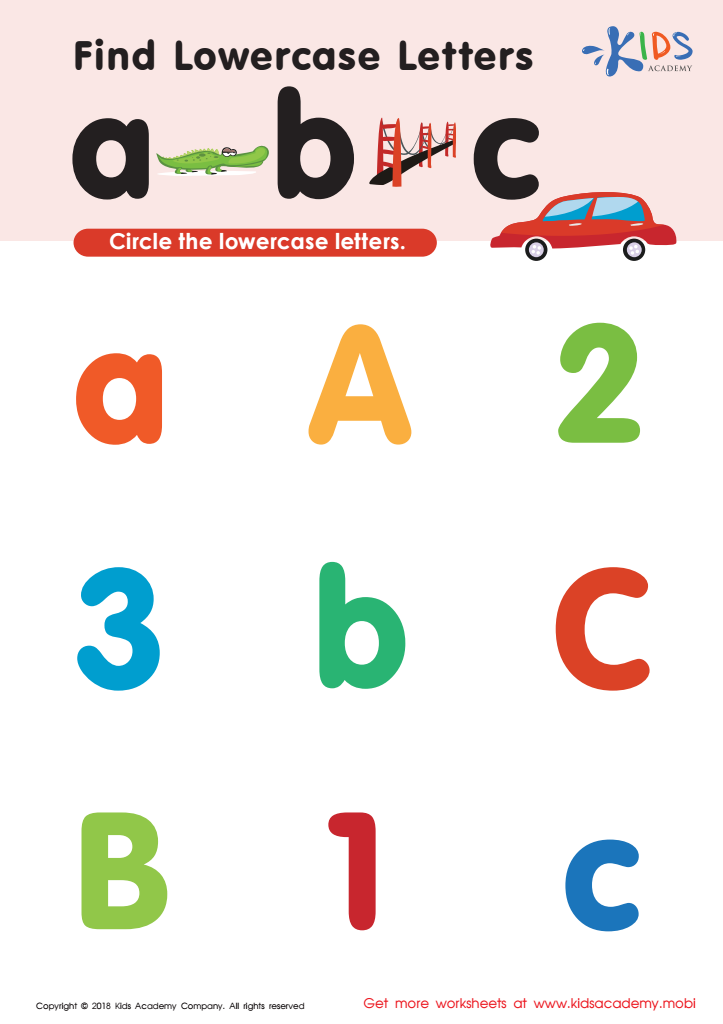
Find lowercase letters a b c Worksheet
Help your child identify lowercase letters with this worksheet. Carefully look at each letter and have your child circle the lowercase ones. This exercise is vital in helping them understand the alphabet and the difference between lower and uppercase letters.
Find lowercase letters a b c Worksheet
Worksheet
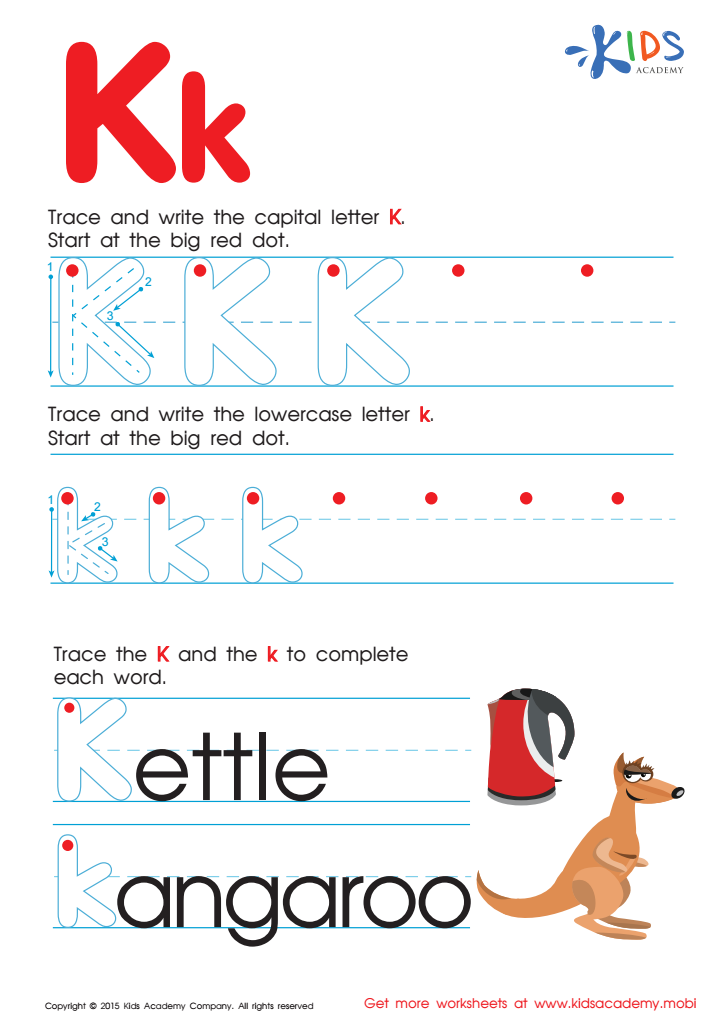
Letter K Tracing Page
Trace and write the letter K; start at the big red dot. Use it to complete words like "Kettle" and "Kangaroo". Visit Kids Academy for more free alphabet worksheets for kindergarten.
Letter K Tracing Page
Worksheet
Join Kids Academy for Free
Who is primarily going to use this learning content?








Parents and teachers should place significant emphasis on understanding the alphabet because it serves as the foundational building block for literacy and communication skills in young children. Familiarity with letters is critical for developing phonemic awareness—the ability to hear, identify, and manipulate sounds in words—which is essential for reading. When children grasp the relationship between sounds and their corresponding letters, they can decode words more easily, setting the stage for fluent reading.
Moreover, early alphabet understanding supports language development. Children learn to recognize and use new vocabulary when they are comfortable with letter recognition and phonics. This proficiency lays the groundwork for more complex skills, including spelling, writing, and reading comprehension.
Additionally, caregivers who prioritize alphabet learning foster environments that encourage exploration and curiosity. Engaging children in activities such as letter games, interactive books, and songs not only makes learning enjoyable but also strengthens bonds.
Ultimately, understanding the alphabet equips children with powerful tools to navigate their educational journeys, promoting confidence and independence in their learning experiences. Thus, both parents and teachers play a critical role in nurturing these essential abilities during the formative early years.








