Associative learning Normal Worksheets
5 filtered results
-
From - To
Boost your child's cognitive abilities with our comprehensive collection of Associative Learning Normal Worksheets! Designed for young learners, these worksheets seamlessly combine fun and education to enhance memory, improve problem-solving skills, and foster critical thinking. Through engaging activities like pattern recognition, matching, and categorization, children will develop a deeper understanding of how concepts relate to one another. Ideal for early grade teachers and parents, our printable worksheets are perfect for classroom use or extra practice at home. Empower your child with the skills they need to succeed academically by exploring our expertly crafted resources today!
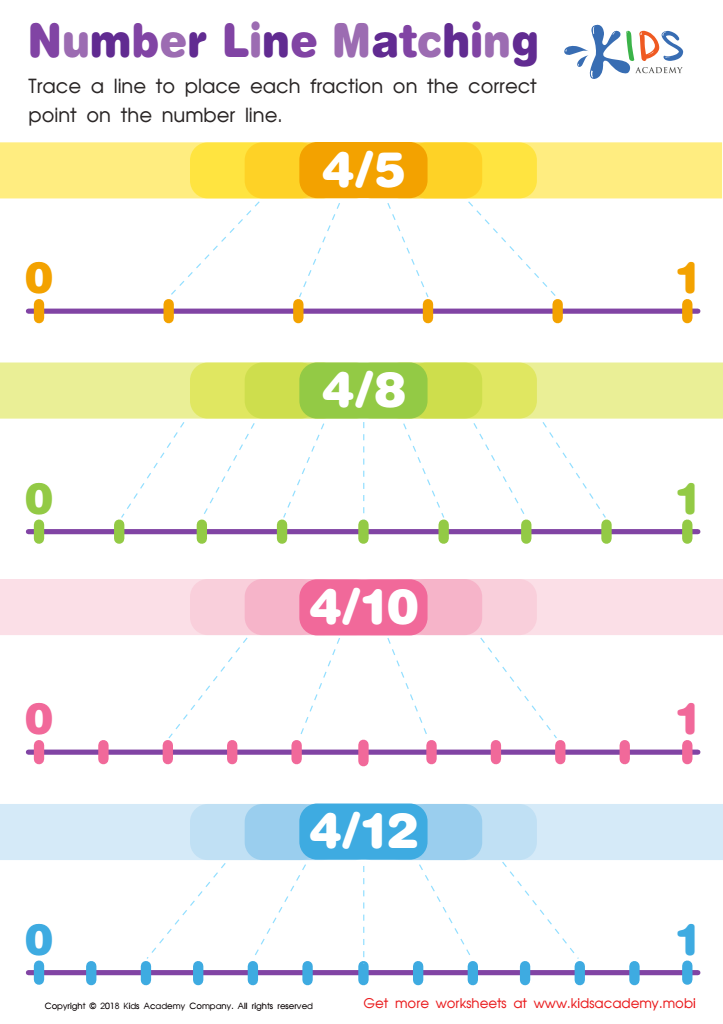
Number Line Matching Worksheet
 Assign to My Students
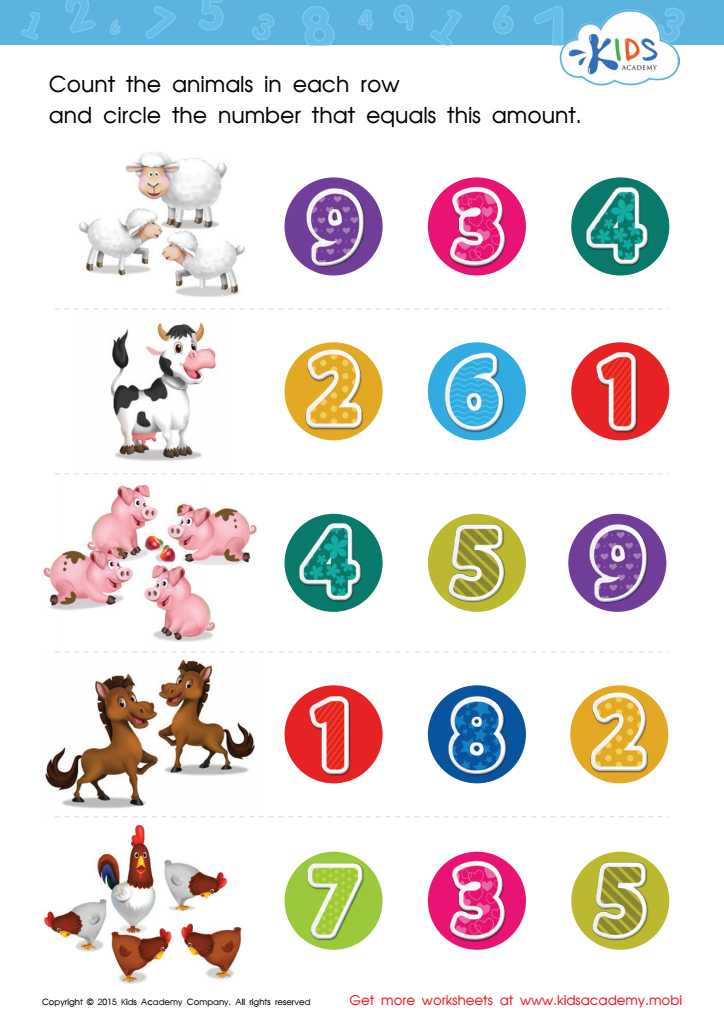
Count and Match 1 – 5 Math Worksheet
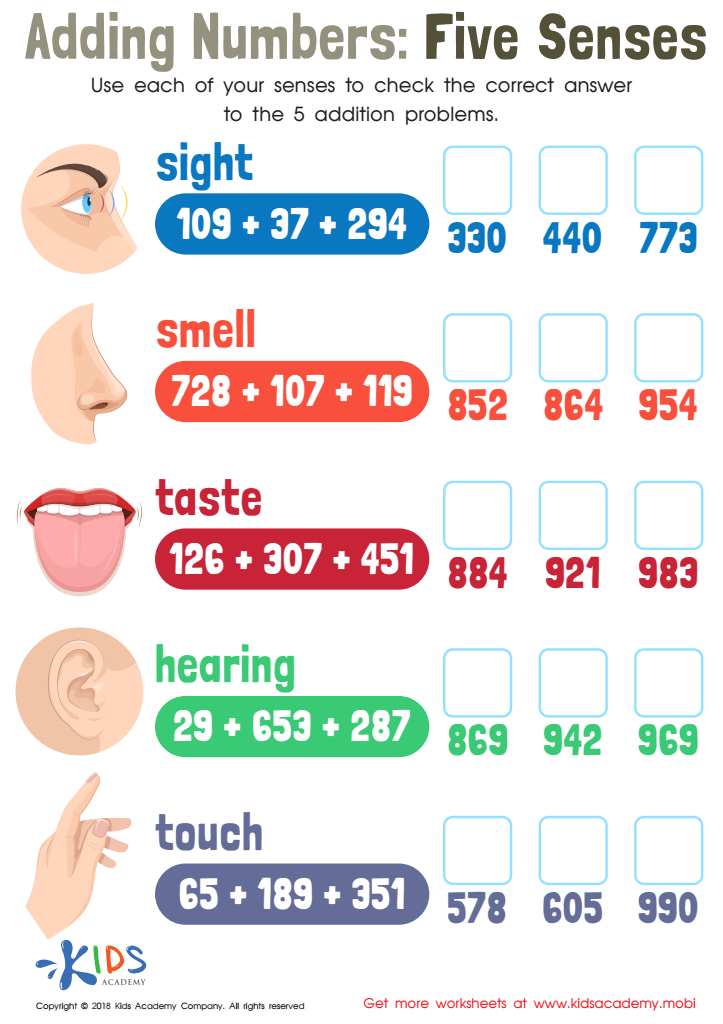
Adding Numbers: Five Senses Worksheet

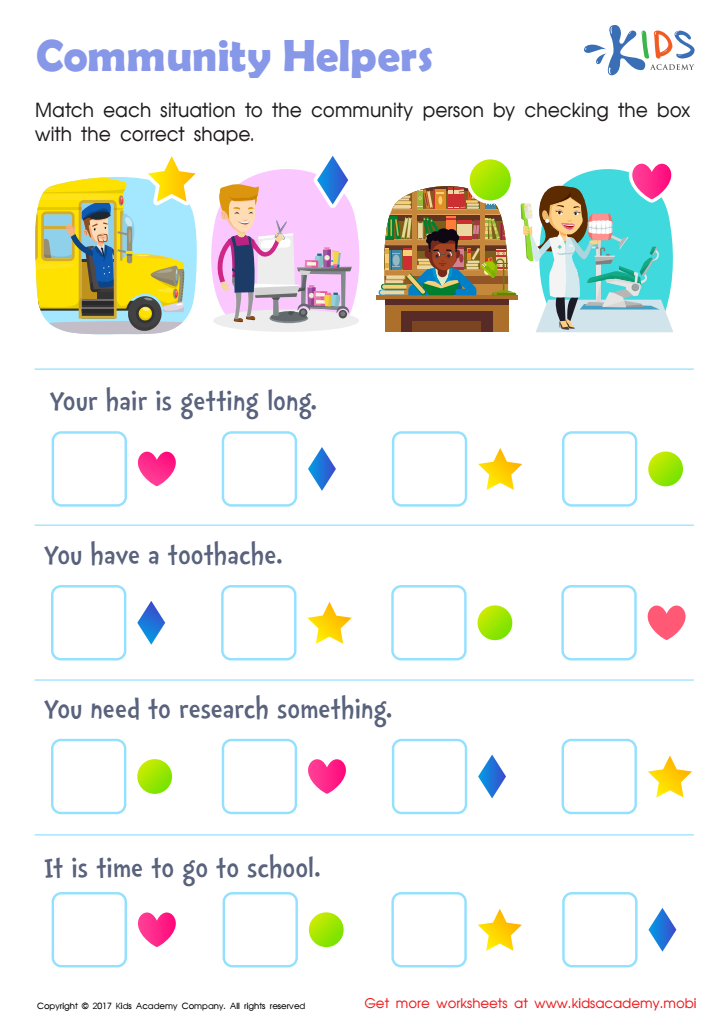








Associative learning, a fundamental psychological process, plays a crucial role in early childhood development, making it vital for parents and teachers to understand and nurture it. This form of learning happens when a connection is formed between two stimuli or between a stimulus and a response. Through associative learning, children develop critical cognitive skills that lay the groundwork for future learning and decision-making.
For parents, being attentive to associative learning helps create a supportive home environment that reinforces positive behavior and achievement. For instance, associating bedtime with calming activities can help children establish healthy sleep routines. By recognizing patterns in children's responses and guiding them toward positive associations, parents can reinforce good habits and discourage negative ones.
Teachers, on the other hand, can use associative learning to craft more effective educational experiences. By creating a classroom atmosphere where learning is linked to fun and curiosity, teachers can foster a love for school in young children. Similarly, using praise and rewards in response to desirable actions can effectively reinforce positive behaviors, making the classroom a more conducive learning environment.
In essence, understanding and promoting associative learning equips children with a robust foundation of understanding the world around them, ensuring their emotional well-being, intellectual growth, and social adaptation. This investment in early learning pays lifelong dividends, laying the foundation for continual growth and development.








