Color recognition Normal Worksheets - Page 2
34 filtered results
-
From - To
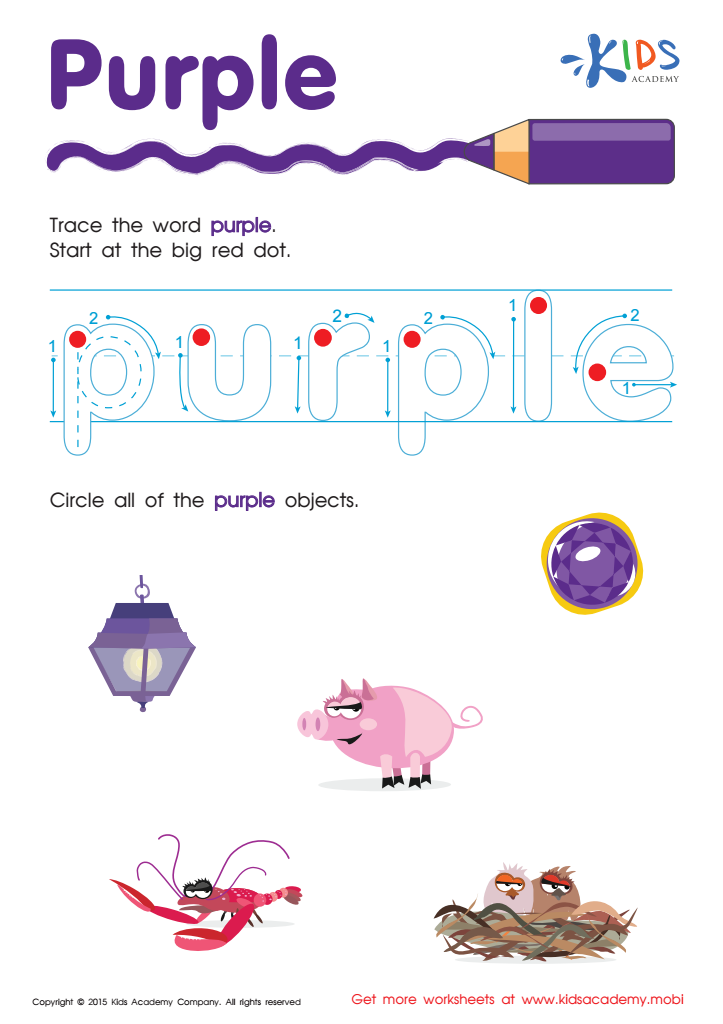
Purple Tracing Color Words Worksheet
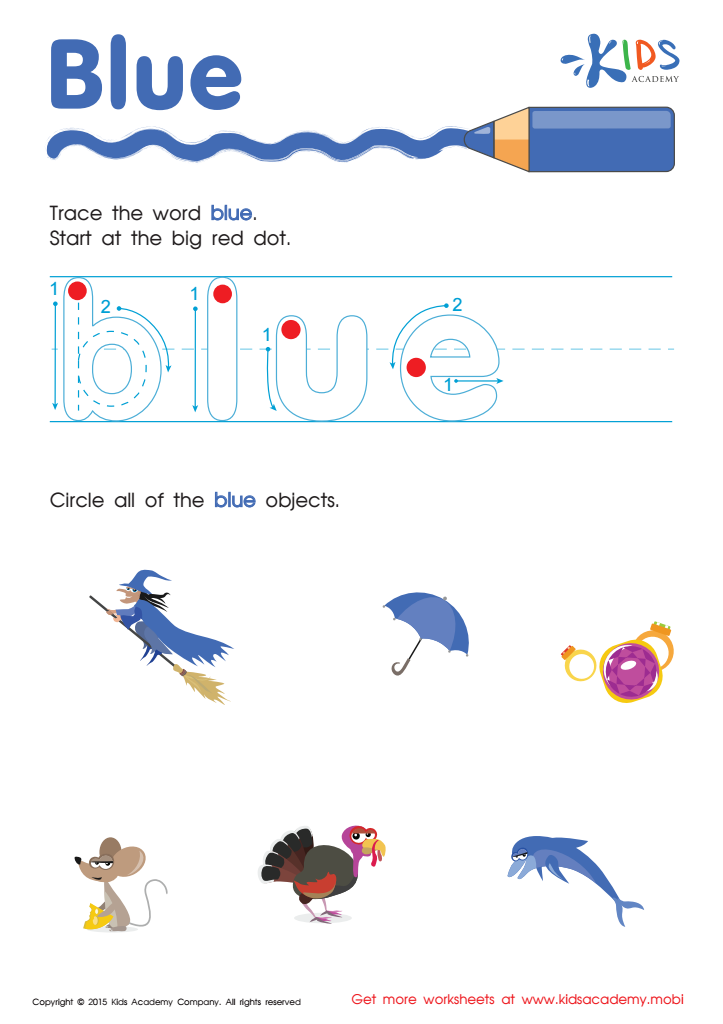
Blue Tracing Color Words Printable
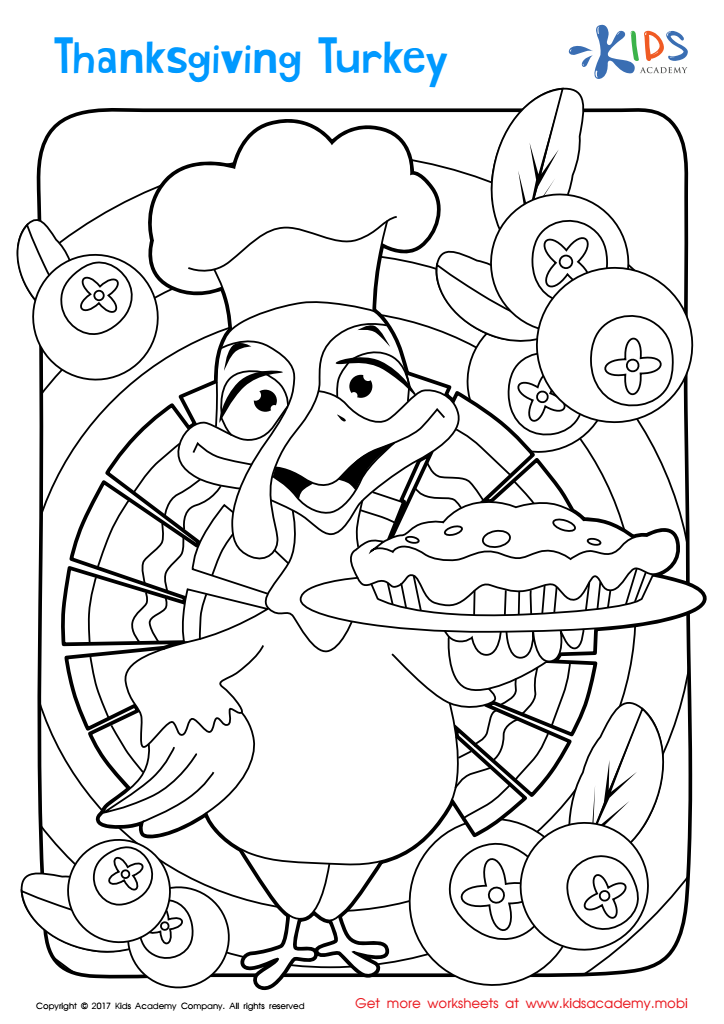
Turkey Thanksgiving Day Worksheet
 Assign to My Students
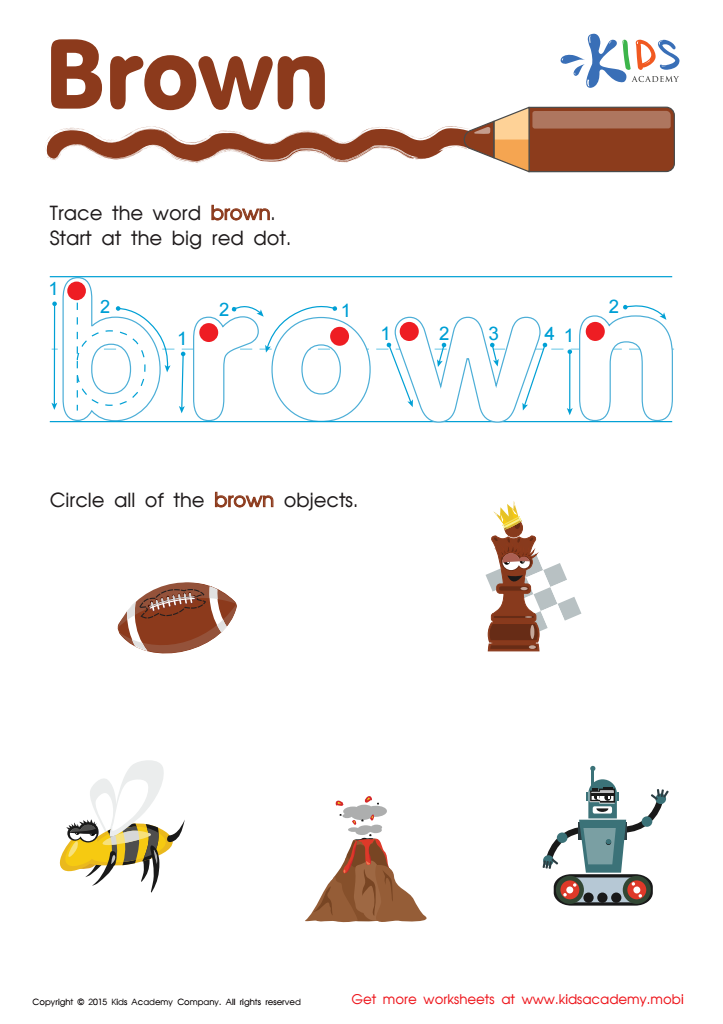
Brown Tracing Color Words Worksheet
Tower Coloring Page
Assign to My Students
Great Hornbill Worksheet
Assign to My Students
Gingerbread Man Geometry Maze Worksheet
Astronaut Coloring Page
Assign to My Students
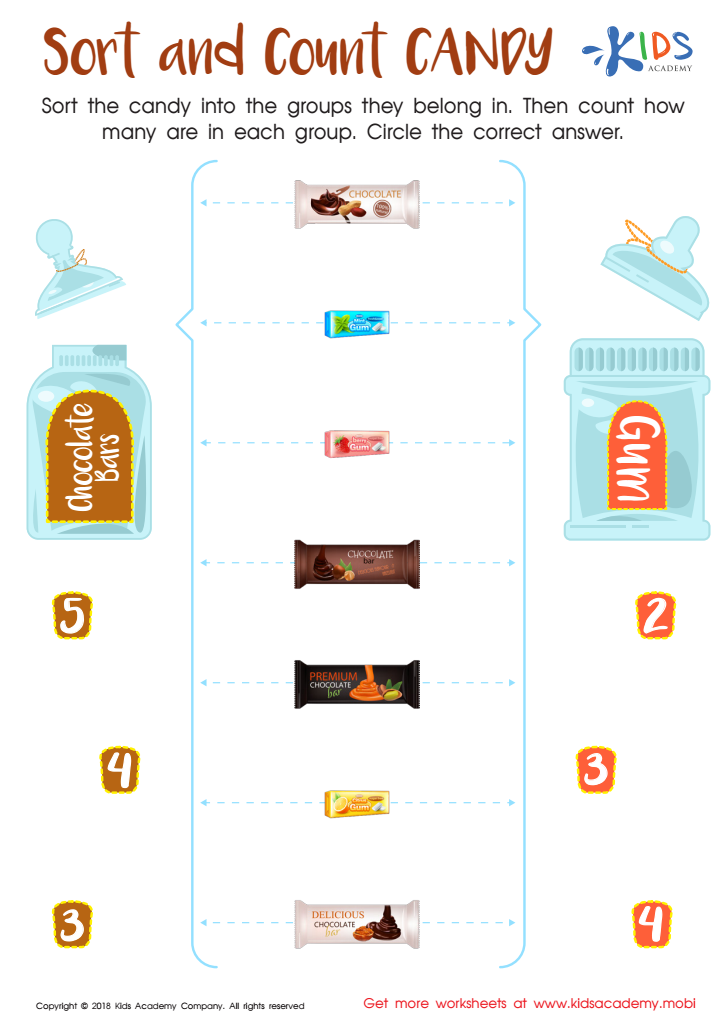
Sort and Count Candy Worksheet
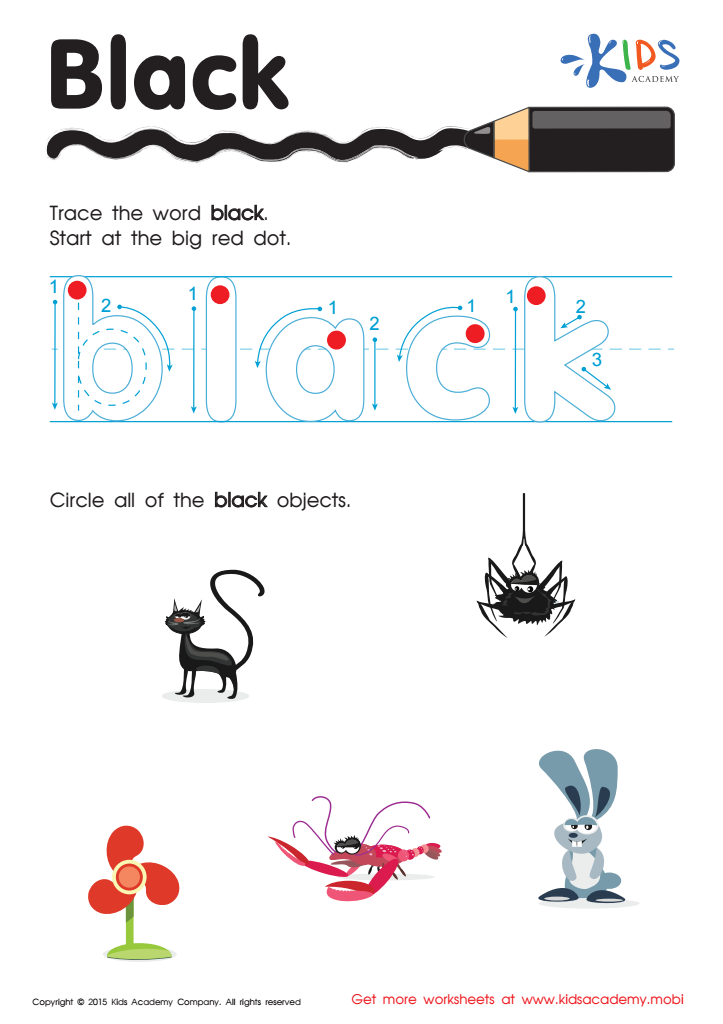
Black Tracing Color Words Printable








Color recognition is a foundational skill in early childhood education that plays a crucial role in cognitive and social development. Parents and teachers should care about color recognition because it forms the basis for various learning opportunities. Understanding colors helps children categorize objects, enhancing their ability to think critically and recognize patterns. This foundational skill also aids in language development, as children learn to identify and articulate colors, building their vocabulary.
Moreover, color recognition supports creative expression, as children explore artistic activities like painting and drawing. It encourages imaginative play, helping them connect colors with emotions and concepts, such as “warm” red or “calm” blue. In everyday situations, color recognition assists children in navigating their environment, making choices, and developing personal preferences.
Additionally, a firm grasp of color recognition can strengthen social interactions, as children use colors to bond over shared experiences and engage in cooperative play. When parents and teachers actively promote this skill through playful activities, such as games, art projects, or even nature walks, they nurture not only educational advancement but also emotional intelligence and creativity. Ultimately, fostering color recognition can empower children on their journey of exploration and learning, laying the groundwork for future academic success.








