Fine motor development Normal Worksheets
4 filtered results
-
From - To
Enhance your child's fine motor skills with our engaging worksheets designed to support normal development. These worksheets focus on crucial exercises that promote hand-eye coordination, dexterity, and precision in preschool and early grade students. Featuring fun activities like tracing, cutting, and coloring, our resources encourage young learners to practice essential skills through play. Perfect for reinforcing classroom learning or as at-home practice, our fine motor development worksheets will foster confidence and creativity in your child. Explore our collection to nurture the building blocks of effective writing, crafting, and everyday tasks. Start your child’s journey to fine motor mastery today!
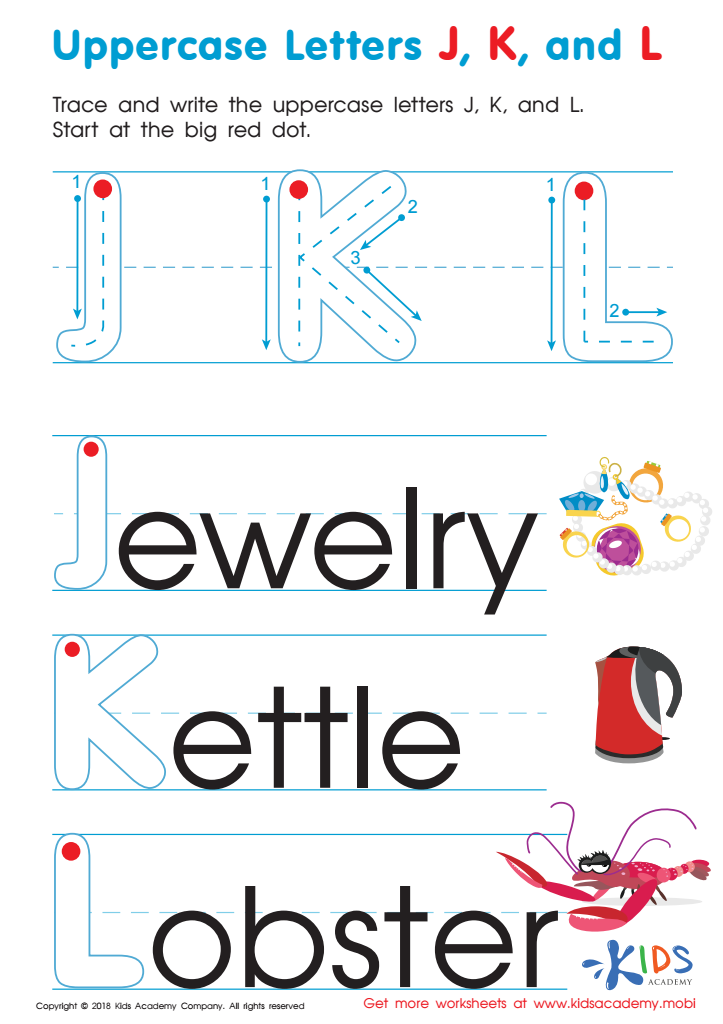
Uppercase Letters J, K, and L Worksheet
 Assign to My Students
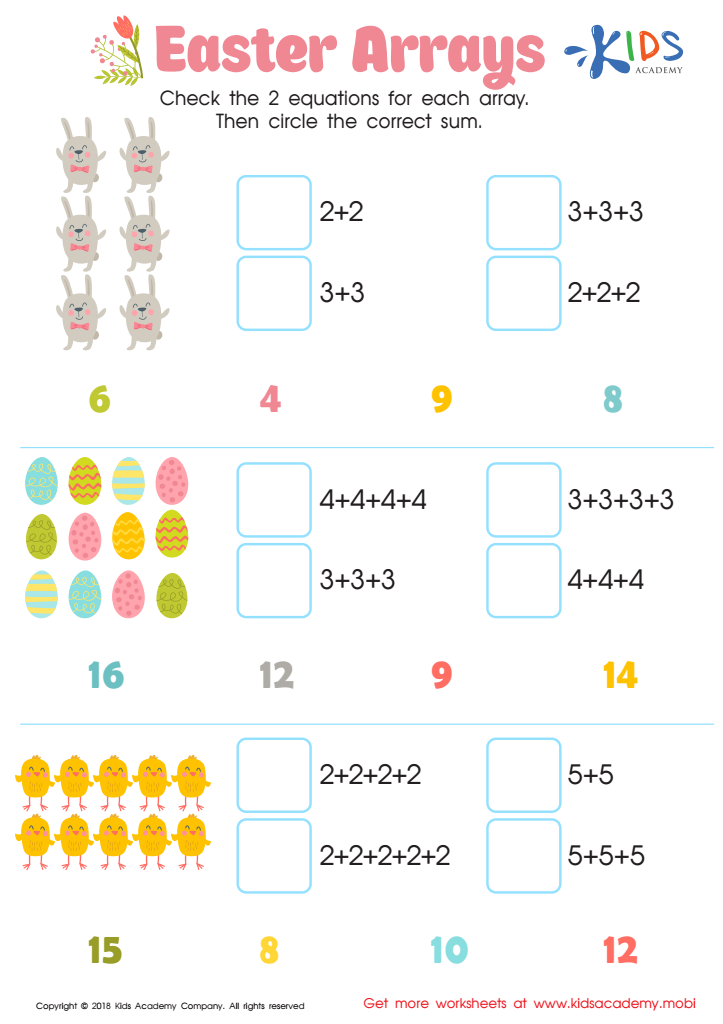
Easter Arrays Worksheet
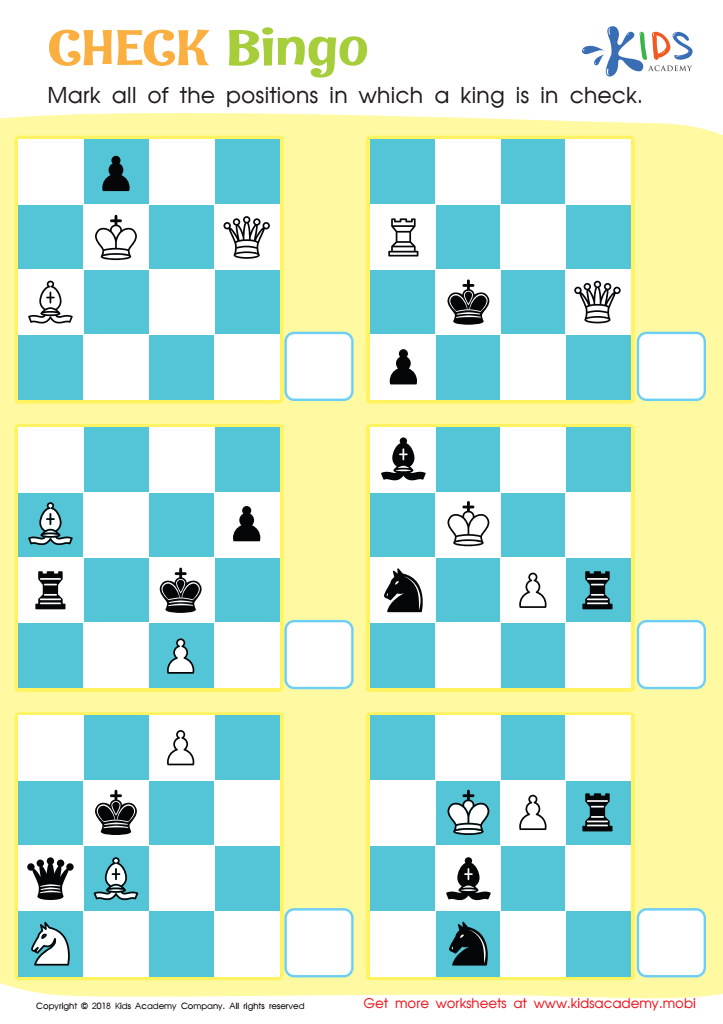
Check Bingo Worksheet
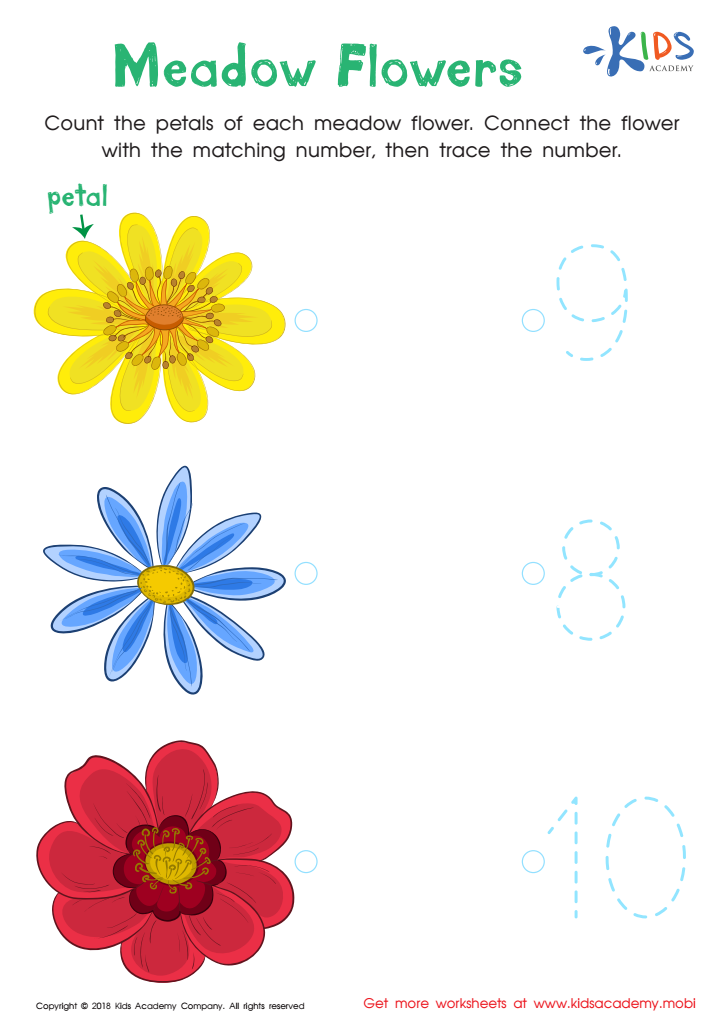
Kindergarten Number Tracing: Medow Flowers Worksheet








Fine motor development is crucial for children's growth and learning, making it essential for parents and teachers to pay attention to this aspect of development. Fine motor skills encompass the use of small muscles in the hands, fingers, and wrists, enabling children to perform tasks such as holding tools, writing, and manipulating objects. These skills are vital for academic success and everyday activities.
When children develop strong fine motor skills, they are better equipped to engage in learning experiences, which enhances their confidence and independence. Activities like coloring, cutting, and building not only improve dexterity but also promote cognitive skills like problem-solving and hand-eye coordination. By nurturing fine motor development, parents and teachers can help children improve their concentration and patience, as many fine motor activities require focus and practice.
Moreover, delays in fine motor skill development can impact a child’s performance in school and social interactions. Children may struggle with handwriting, art, or participating in group activities, leading to frustration or low self-esteem. Therefore, supporting fine motor development at an early age is essential in setting a solid foundation for lifelong learning and emotional well-being. Encouraging play, exploration, and structured activities can help children thrive.








