Mathematical reasoning Normal Worksheets
22 filtered results
-
From - To
Boost your child's problem-solving skills with our Mathematical Reasoning Normal Worksheets. Ideal for early learners, these printables help children develop critical thinking through engaging and challenging activities. Designed to align with educational standards, each worksheet encourages systematic reasoning and logical thinking. Suitable for classroom or at-home practice, our resources cover a range of topics like patterns, shapes, and basic arithmetic, fostering a solid mathematical foundation. Created by educational experts, these worksheets are the perfect blend of fun and learning, ensuring young learners stay motivated and interested in mastering math concepts. Download today and start enhancing your child's math capabilities.
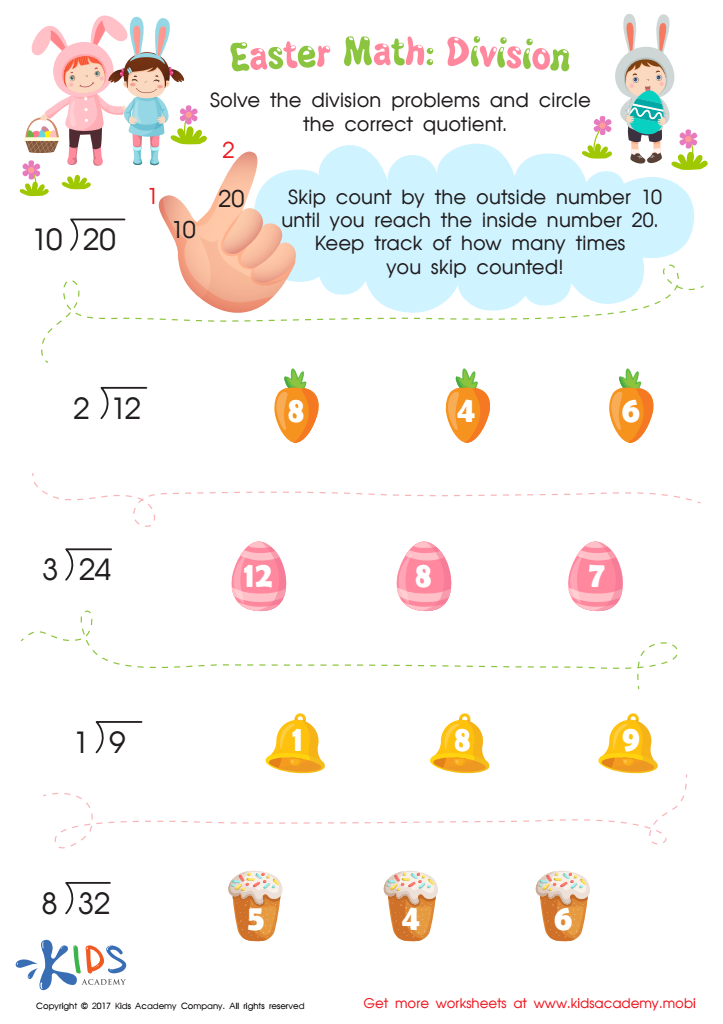
Division Worksheet
 Assign to My Students
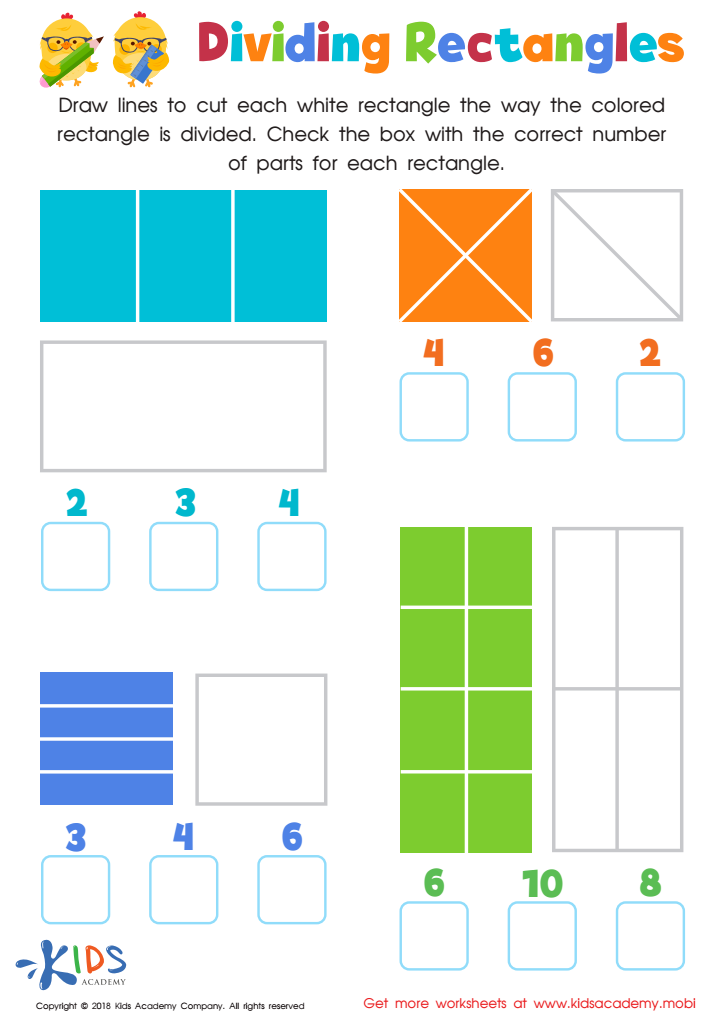
Dividing Rectangles Worksheet
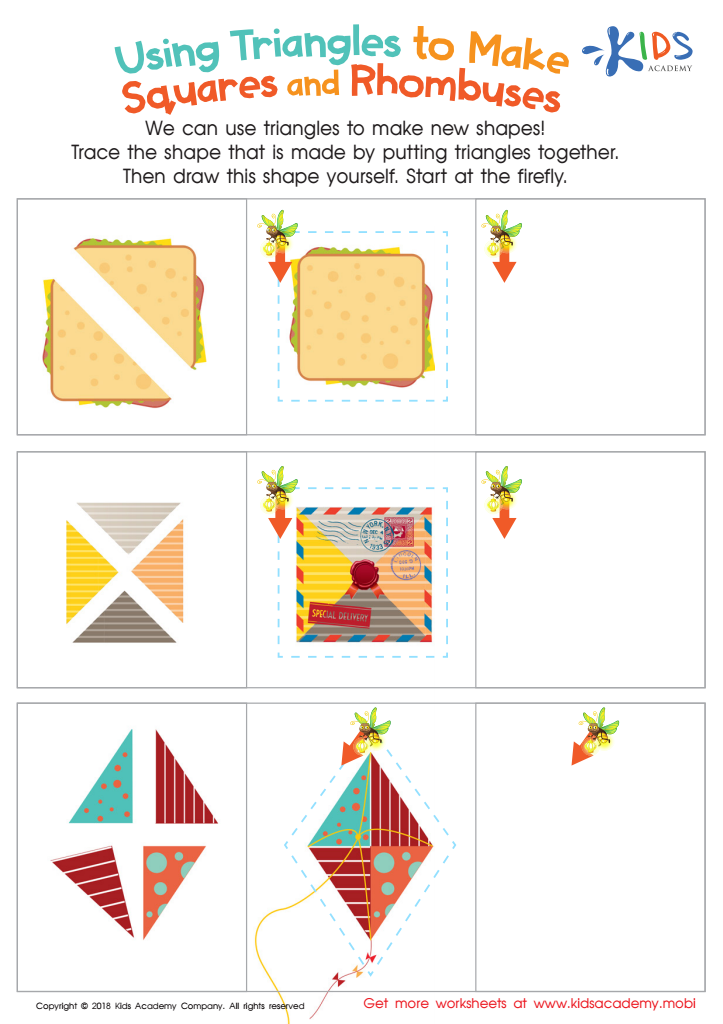
Using Triangles to Make Squares and Rhombuses Worksheet
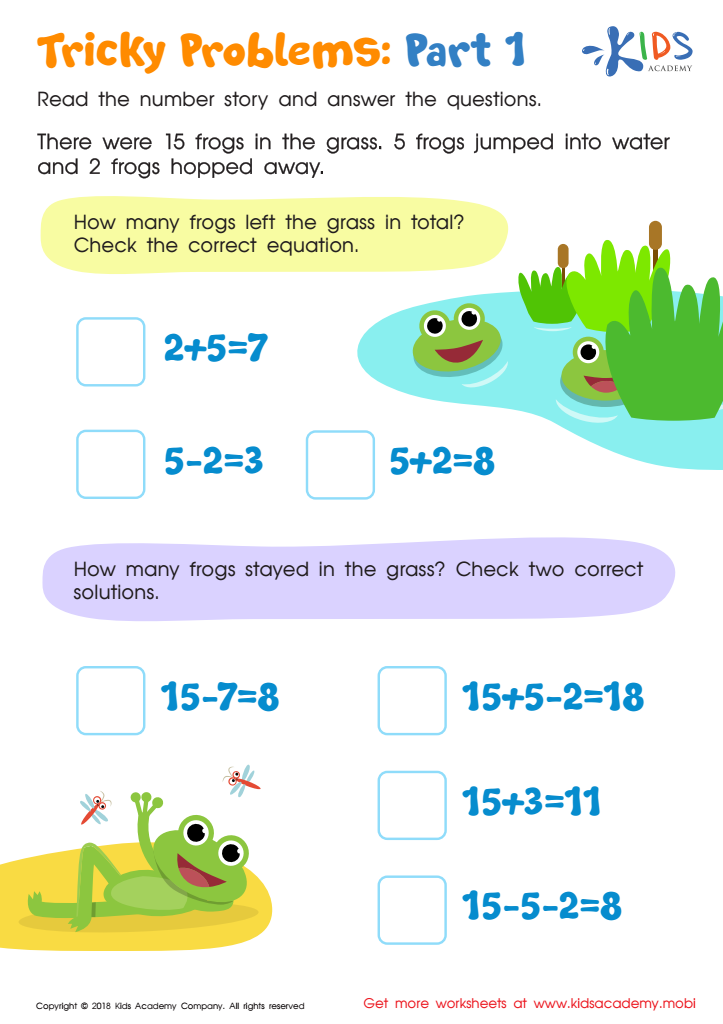
Tricky Problems Worksheet: Part 1
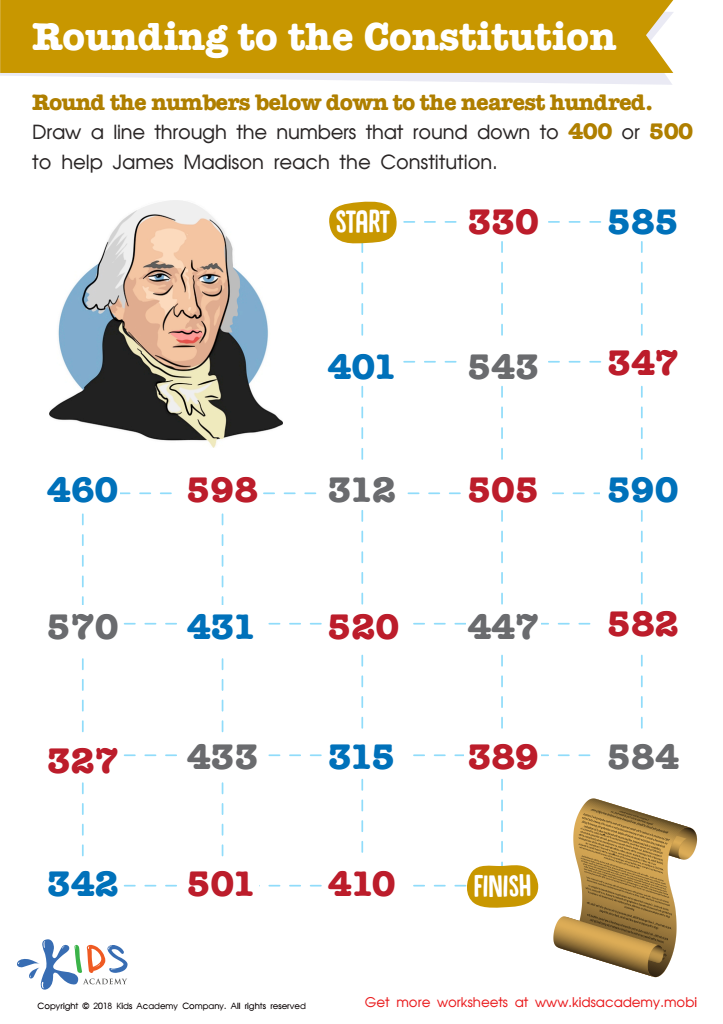
Rounding to the Constitution Worksheet
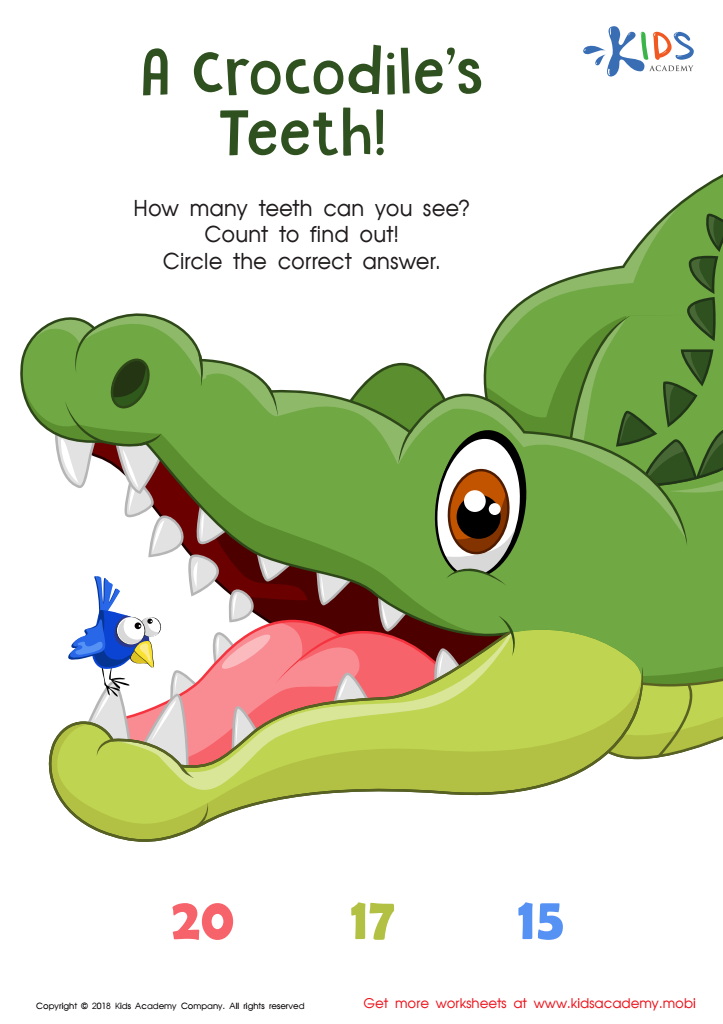
A Crocodile's Teeth Worksheet
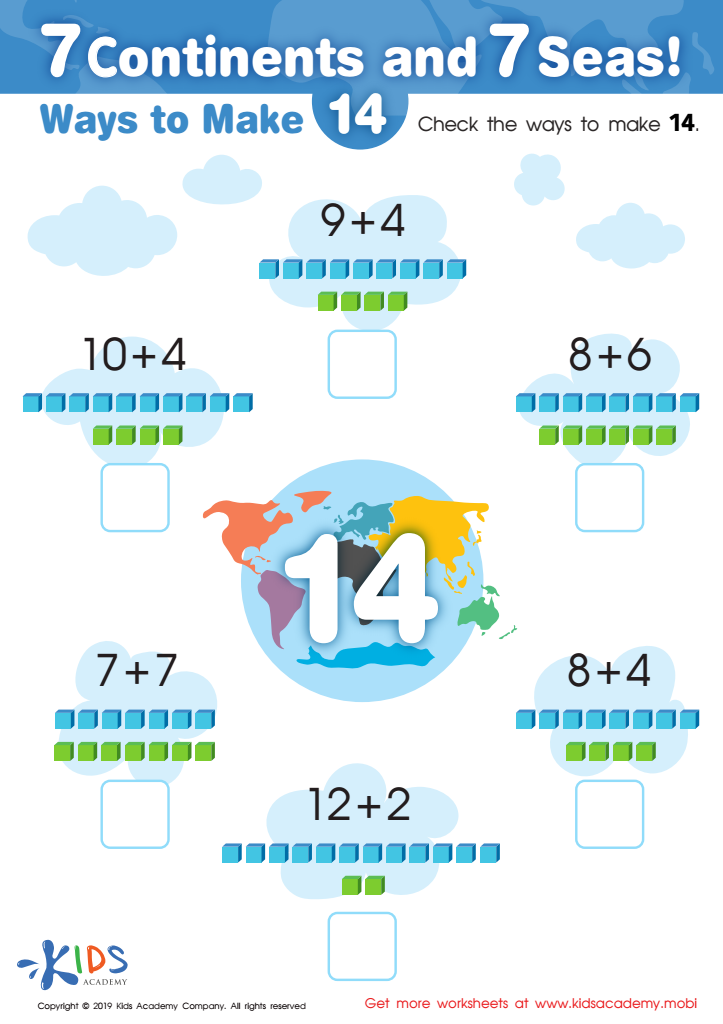
7 Continents and 7 Seas Worksheet
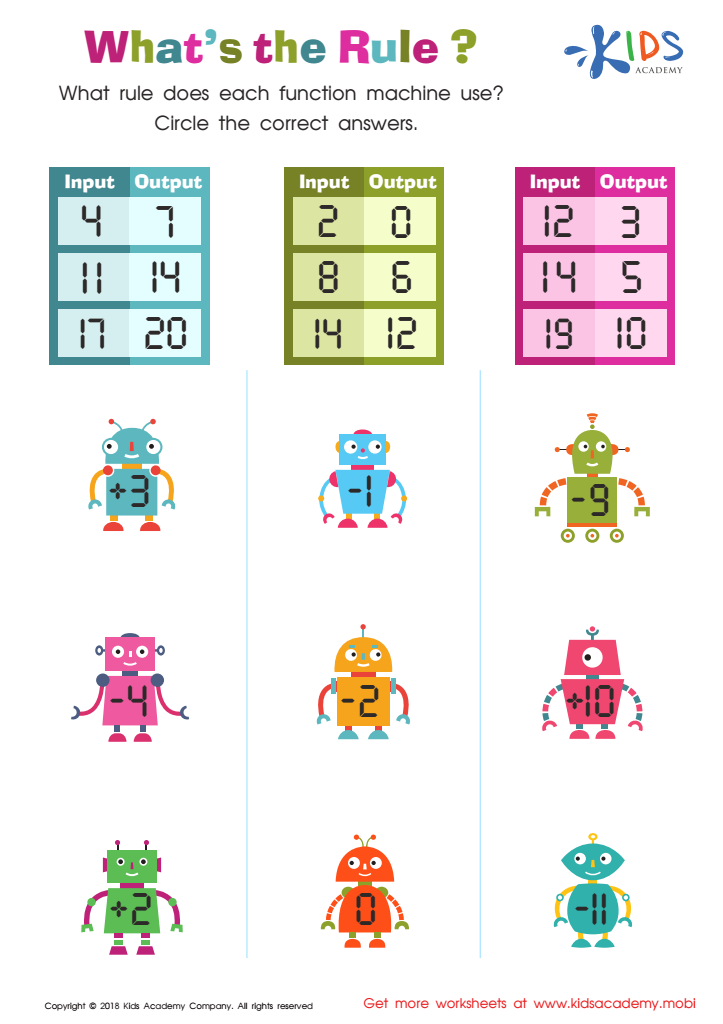
What's the Rule Worksheet
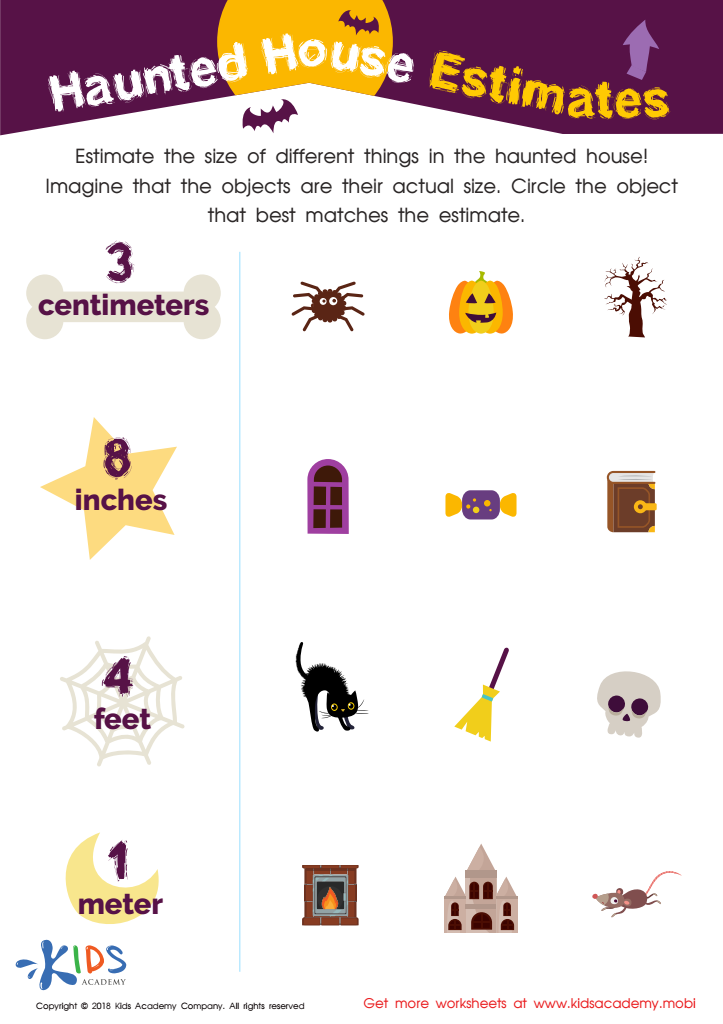
Haunted House Estimates Worksheet
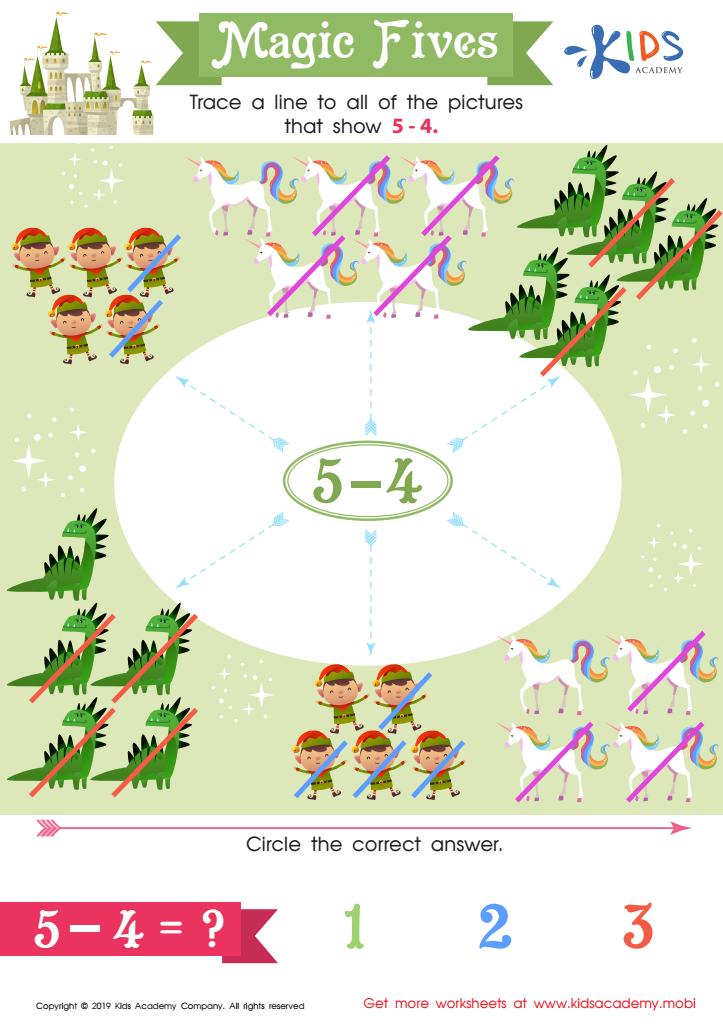
Magic Fives Worksheet
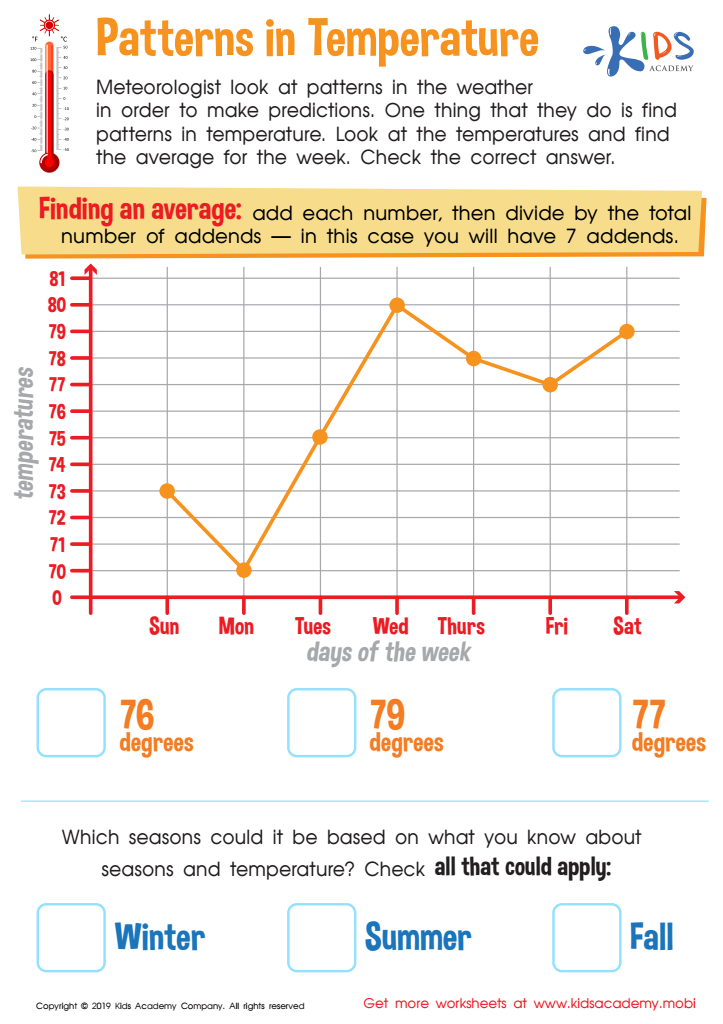
Patterns in Temperature Worksheet
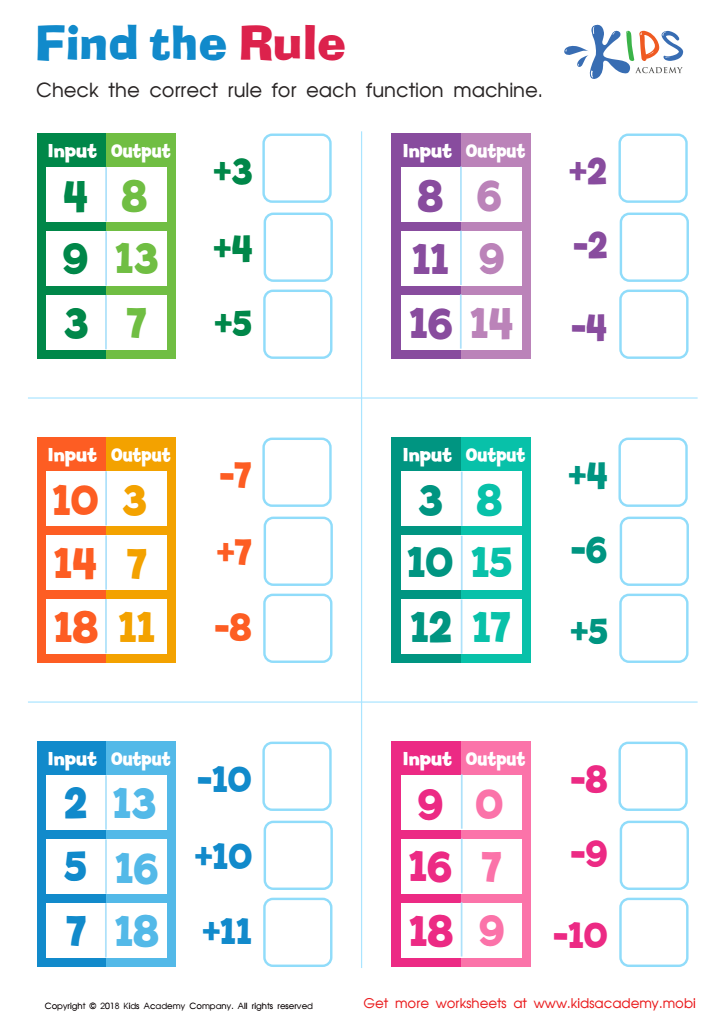
Find the Rule Worksheet
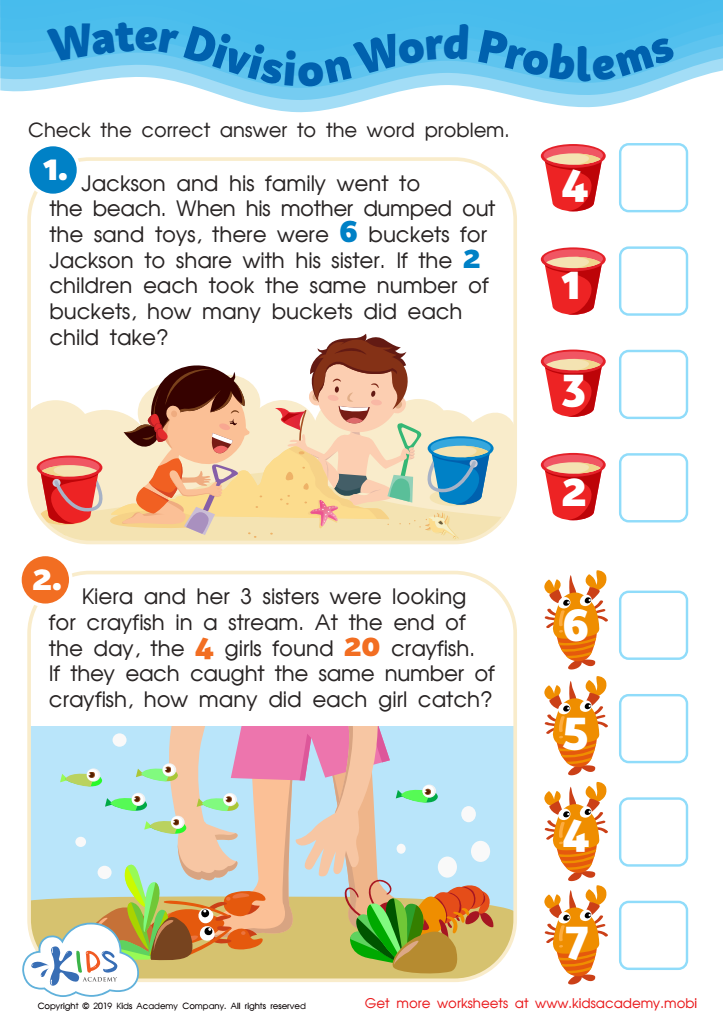
Water Division Word Problems Worksheet
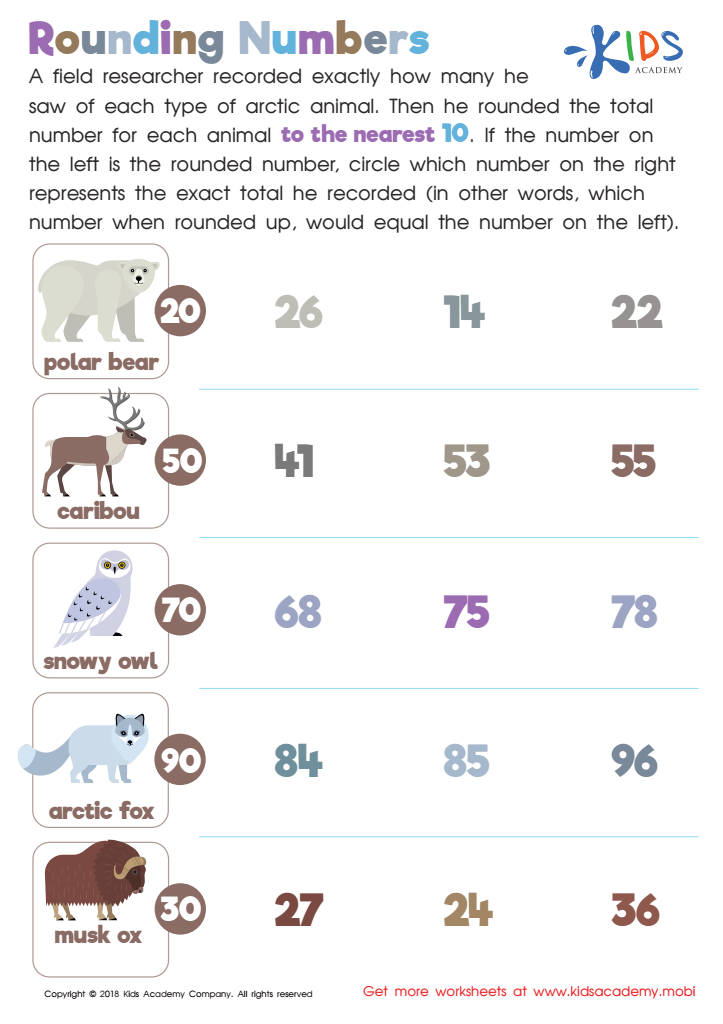
Rounding Numbers Worksheet
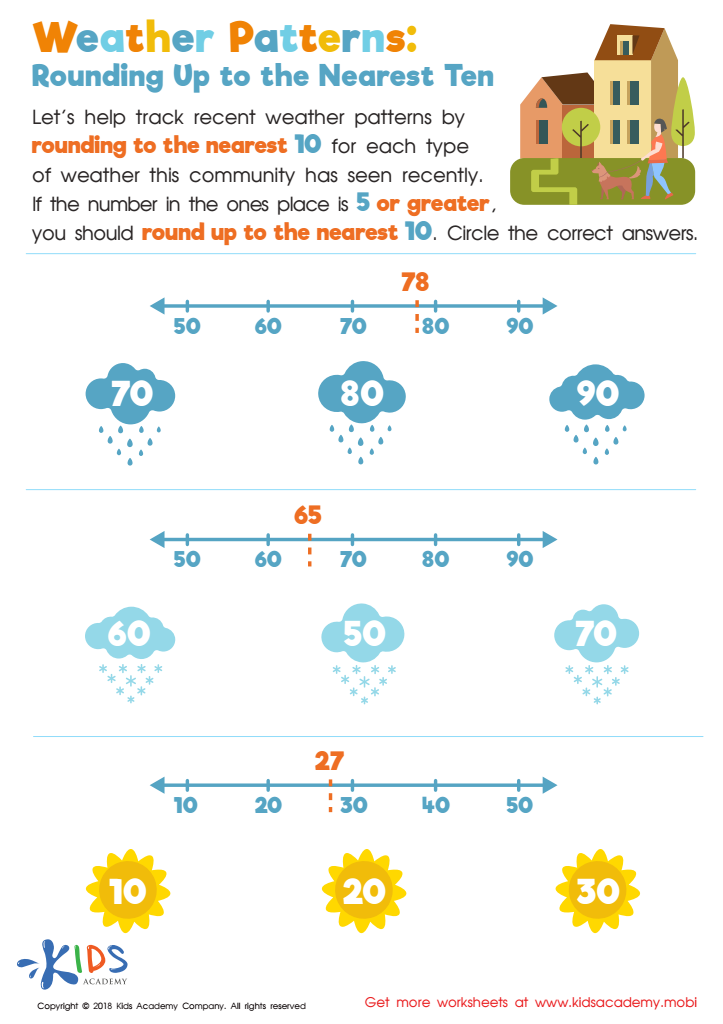
Weather Patterns Worksheet
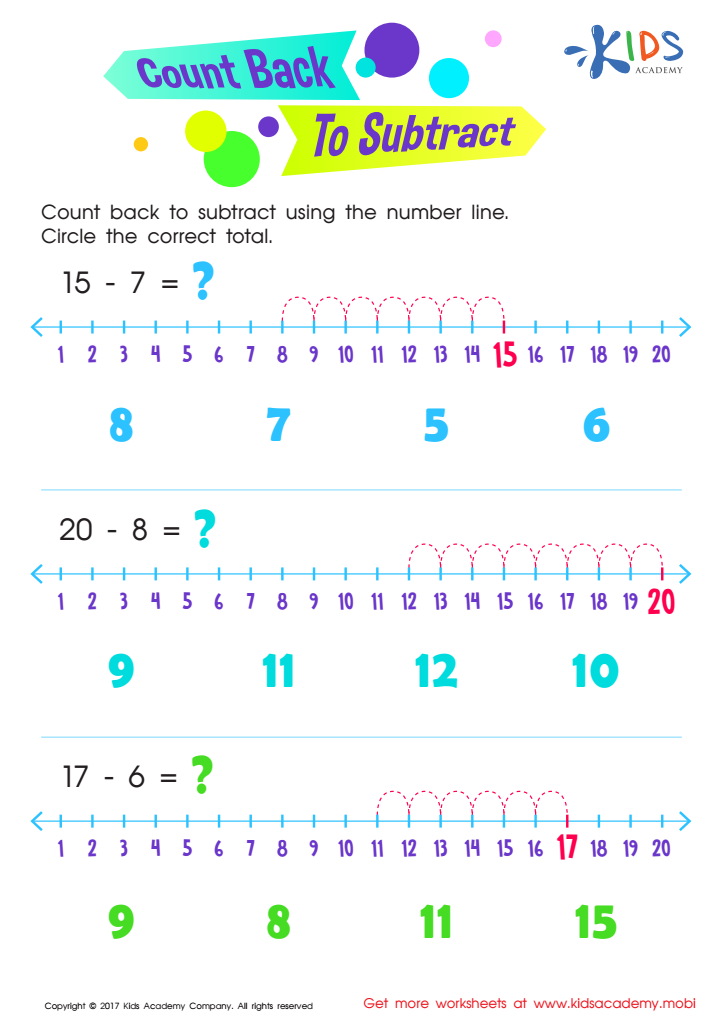
Count Back to Subtract Substraction Worksheet
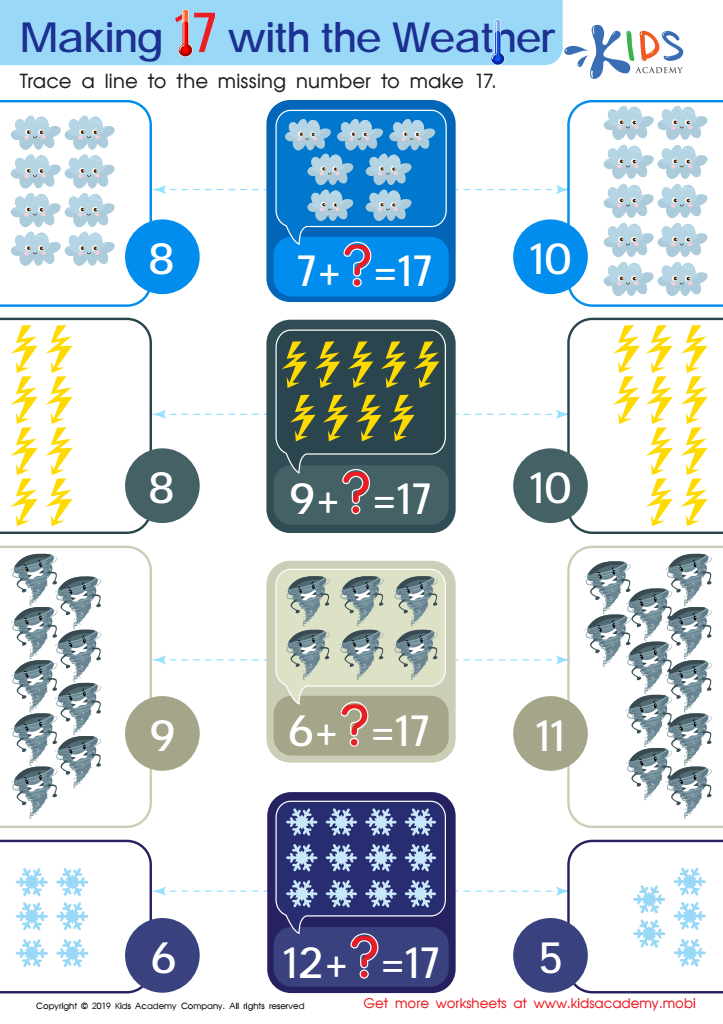
Making 17 with the Weather Worksheet
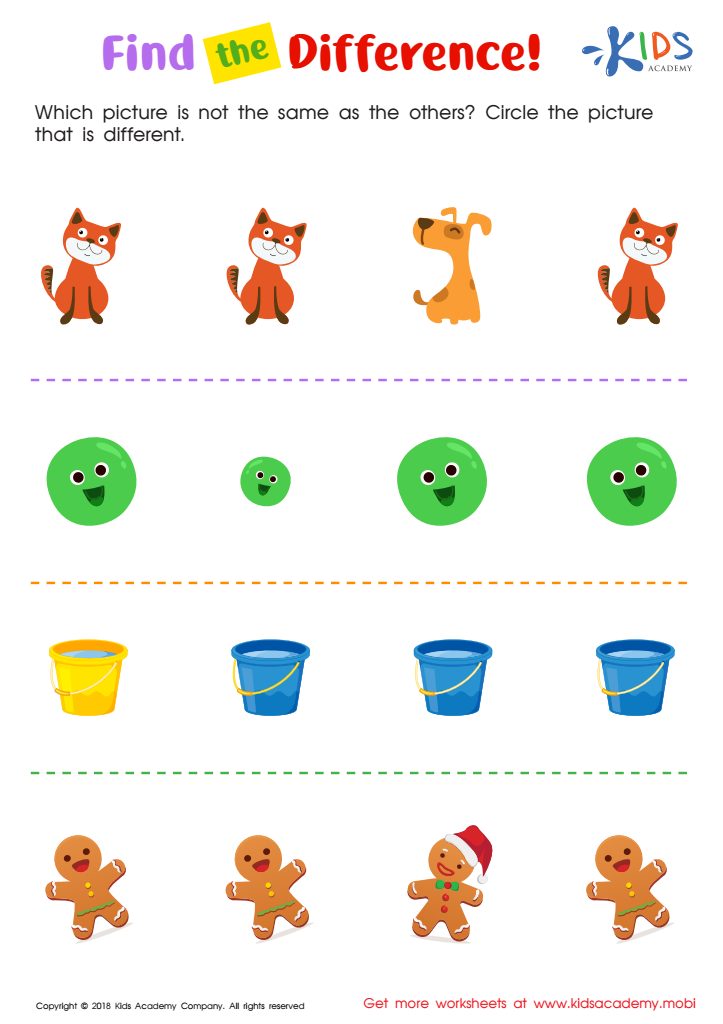
Find the Difference Worksheet
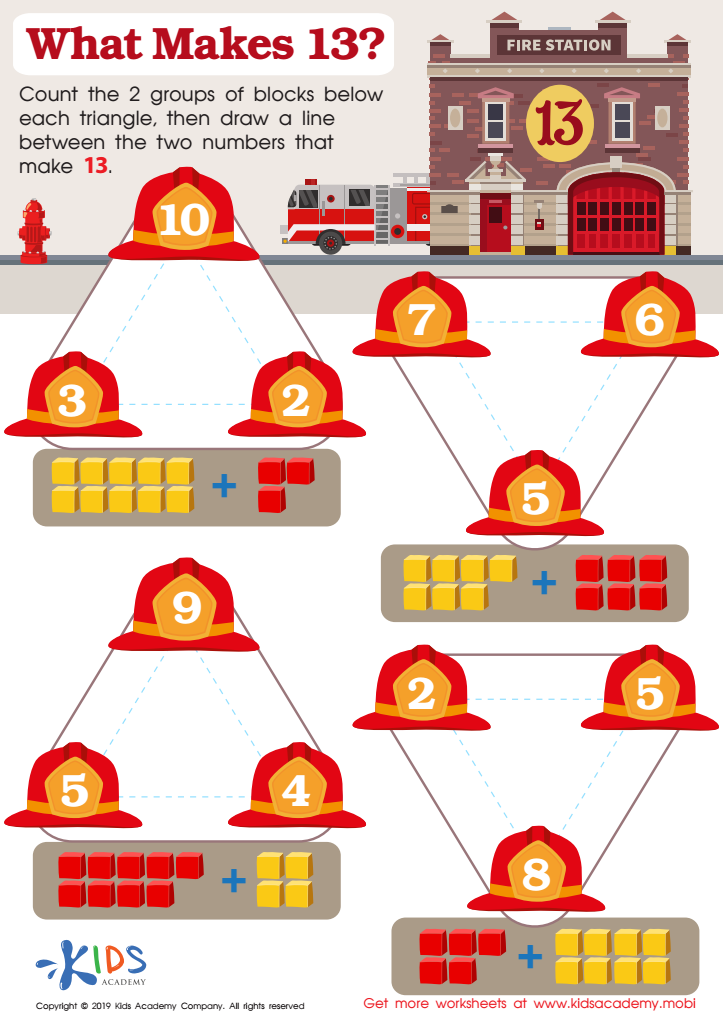
What Makes 13 Worksheet
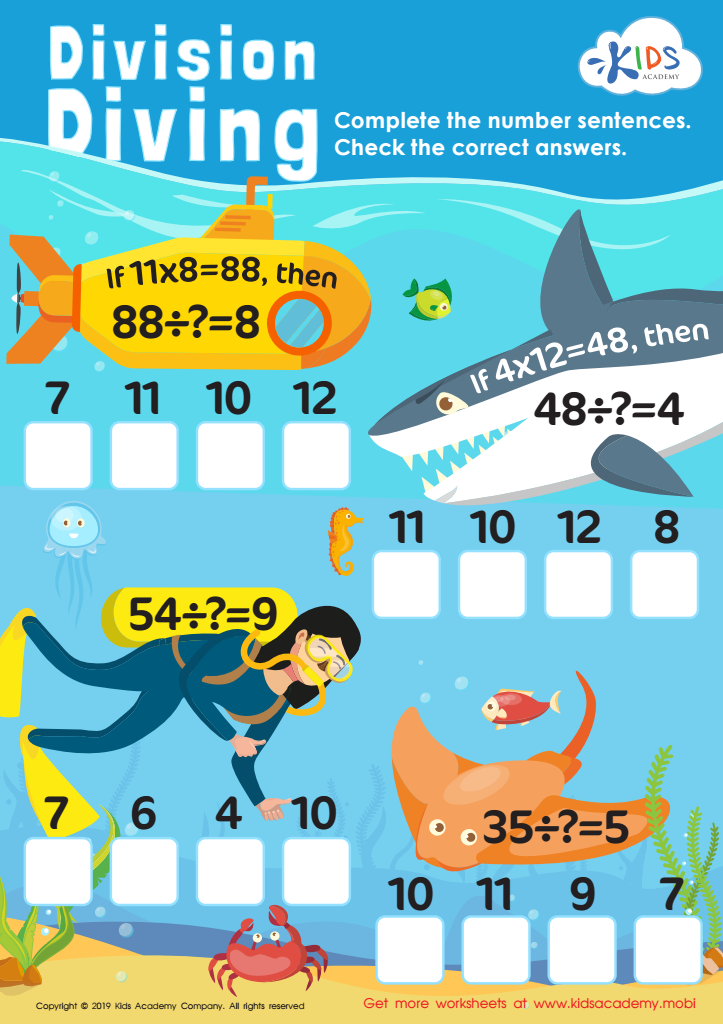
Division Diving Worksheet
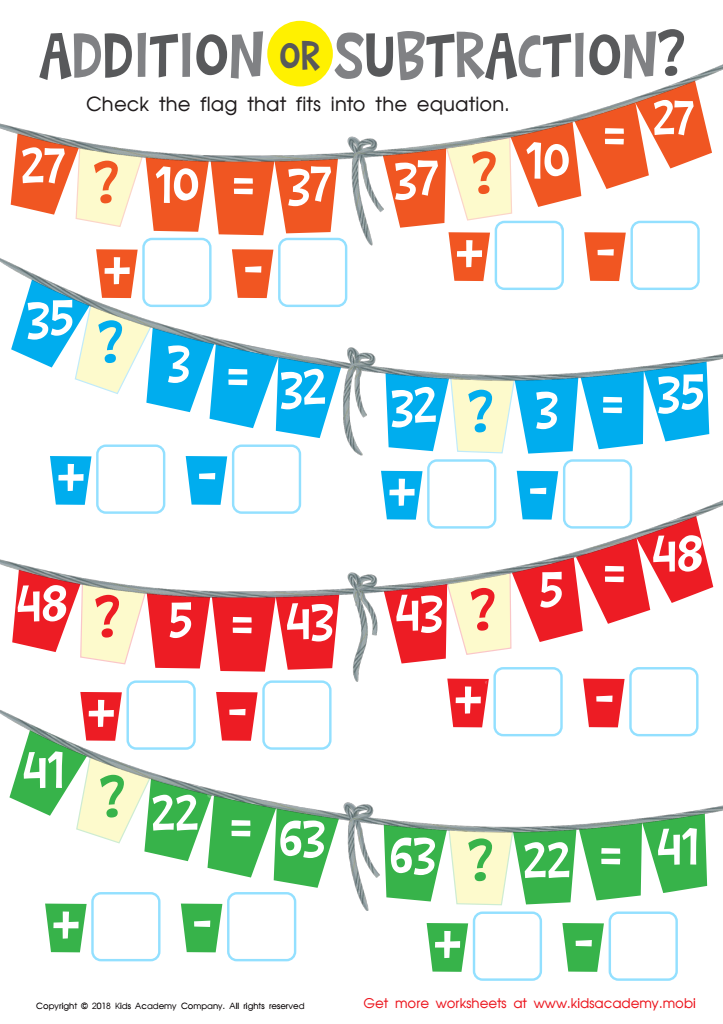
Addition or Subtraction? Worksheet
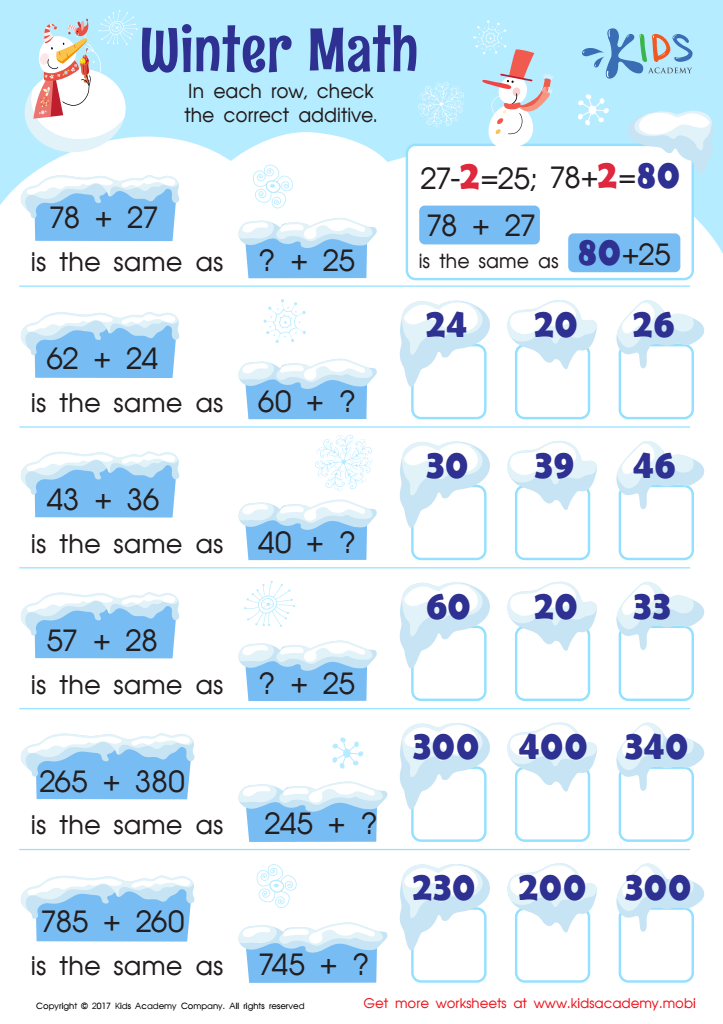
Free Addition Worksheet







Mathematical reasoning is essential for young learners as it transcends mere number crunching, developing critical thinking and problem-solving skills that are beneficial across various subjects and real-life scenarios. Parents and teachers should care about fostering mathematical reasoning because it lays a strong foundation for their children's cognitive development. Engaging in mathematical reasoning helps students make connections between concepts, understand patterns, and recognize relationships among numbers and shapes. This cultivates a structured way of thinking, enabling children to approach problems methodically, reason logically, and make informed decisions.
Furthermore, mathematical reasoning enhances academic performance. Students with strong reasoning skills tend to excel not only in mathematics but also in science, technology, engineering, and many other subjects that require analytical thinking. Encouraging these skills early on can inspire a love for these fields, opening doors to lucrative and fulfilling career paths in the future.
Beyond academics, mathematical reasoning is crucial for everyday life. Estimating costs, planning budgets, and making sense of statistical information are just a few examples where these skills are applicable. Both parents and teachers play pivotal roles in nurturing these abilities through interactive and engaging methods, ensuring that children develop a deep, lasting comprehension of mathematics that equips them for future success and practical daily decision-making.








