Reading clocks Normal Worksheets
3 filtered results
-
From - To
Explore our engaging "Reading Clocks Normal Worksheets" designed to help young learners master the art of telling time. Our worksheets offer a variety of activities that focus on both analog and digital clocks, ensuring students gain a comprehensive understanding of time-telling skills. With fun illustrations and interactive exercises, children will confidently practice identifying hours and minutes, reinforcing their learning through repetition and play. Ideal for early grades, these printable resources are perfect for classroom use or at-home learning. Download and watch your child flourish as they develop essential timing skills in a fun and effective way!
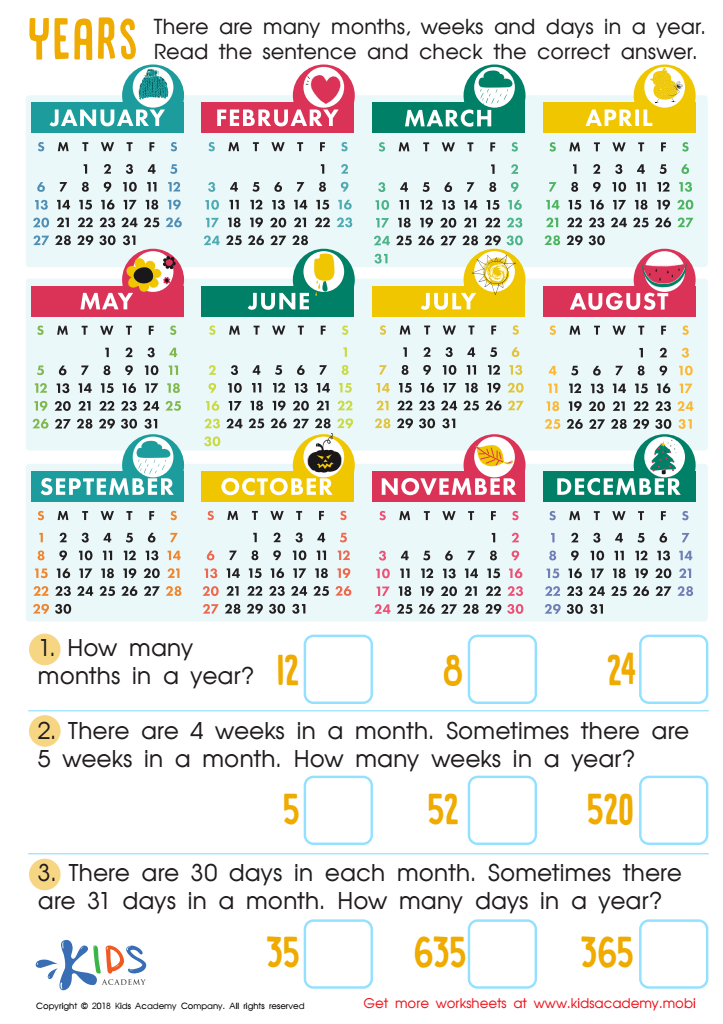
Years Worksheet
 Assign to My Students
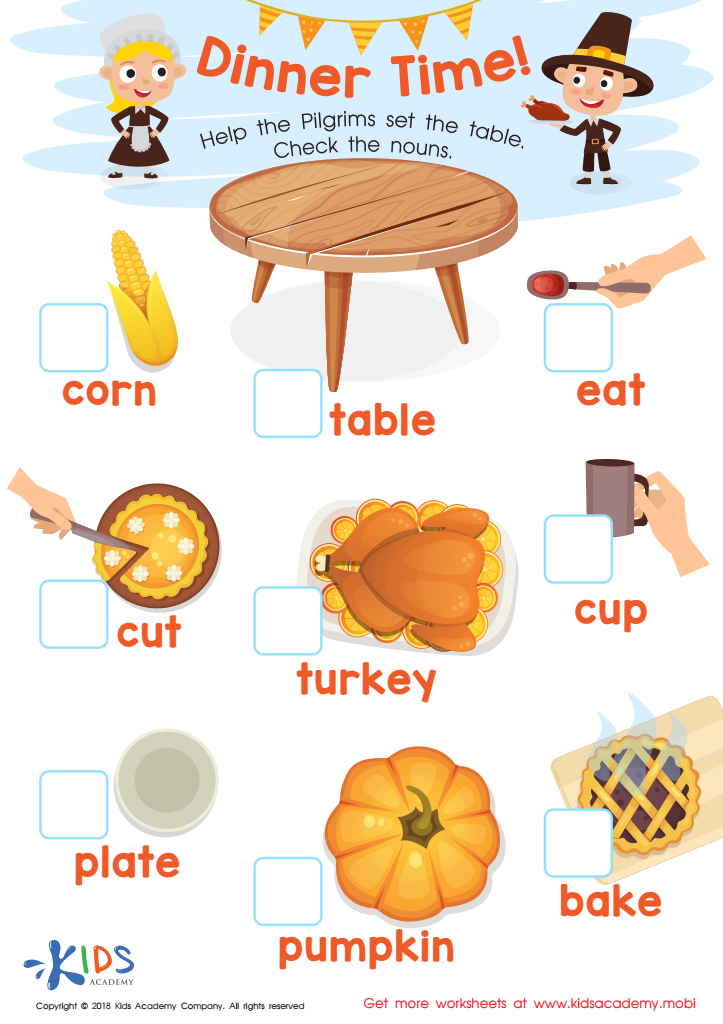
Dinner Time! Worksheet
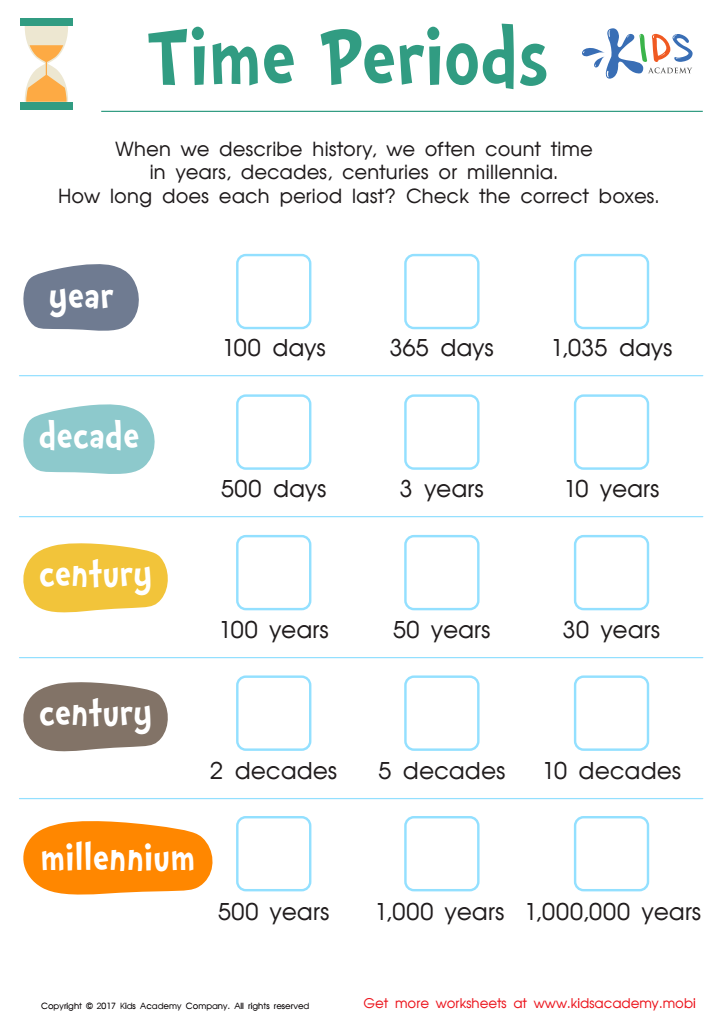
Time Periods Worksheet







%20(1).jpg)
Parents and teachers should prioritize teaching children to read clocks for several vital reasons. First, understanding how to read both analog and digital clocks is essential for developing numerical literacy. This skill builds a foundation for understanding time as a concept and enhances children’s ability to manage their schedules, contributing to better time management as they grow.
Furthermore, reading clocks facilitates independence. As children learn to tell time, they gain the confidence to navigate their daily routines, attend activities, and organize playdates without always relying on adults. This fosters a sense of responsibility and self-sufficiency.
Additionally, grasping time and its passage promotes critical thinking skills. Kids learn to approach problems, like how long it will take to complete homework or how close they are to bedtime, which nurtures planning and foresight.
Lastly, discussing time fosters family bonding. Whether crafting schedules together or engaging in games that involve timing, conversations about clock reading bolster communication skills. By making time-telling a focal point, parents and teachers don’t just equip children with a basic life skill, but also lay the groundwork for essential cognitive and social development. Ultimately, being able to read clocks supports broader life skills that benefit children throughout their entire lives.








