Recognizing Patterns Normal Worksheets
6 filtered results
-
From - To
Enhance your child’s learning with our 'Recognizing Patterns Normal Worksheets' designed to develop critical thinking and cognitive skills. Perfect for early graders, these printable worksheets help children identify, predict, and complete patterns using fun and engaging exercises. From shapes and colors to sequences in numbers, Kids Academy’s expertly crafted activities foster attention to detail and problem-solving abilities. Ideal for classroom use or at-home practice, these worksheets support your child’s foundational understanding necessary for math, reading, and science. Empower your young learner to excel and build essential skills with our comprehensive pattern recognition worksheets.
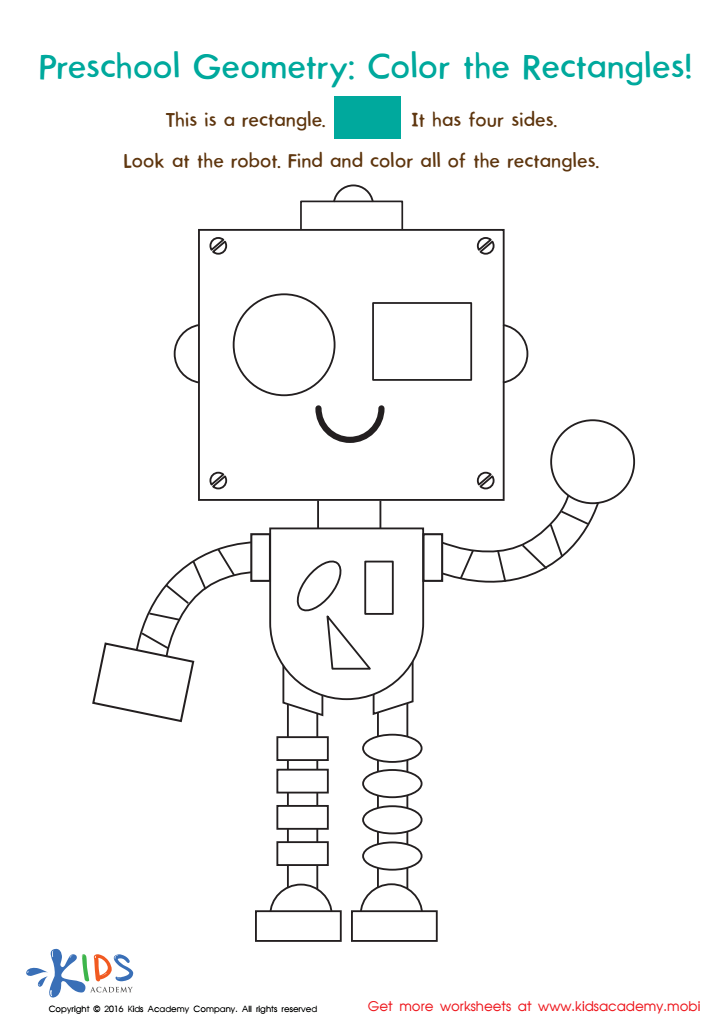
Geometry Worksheet
 Assign to My Students
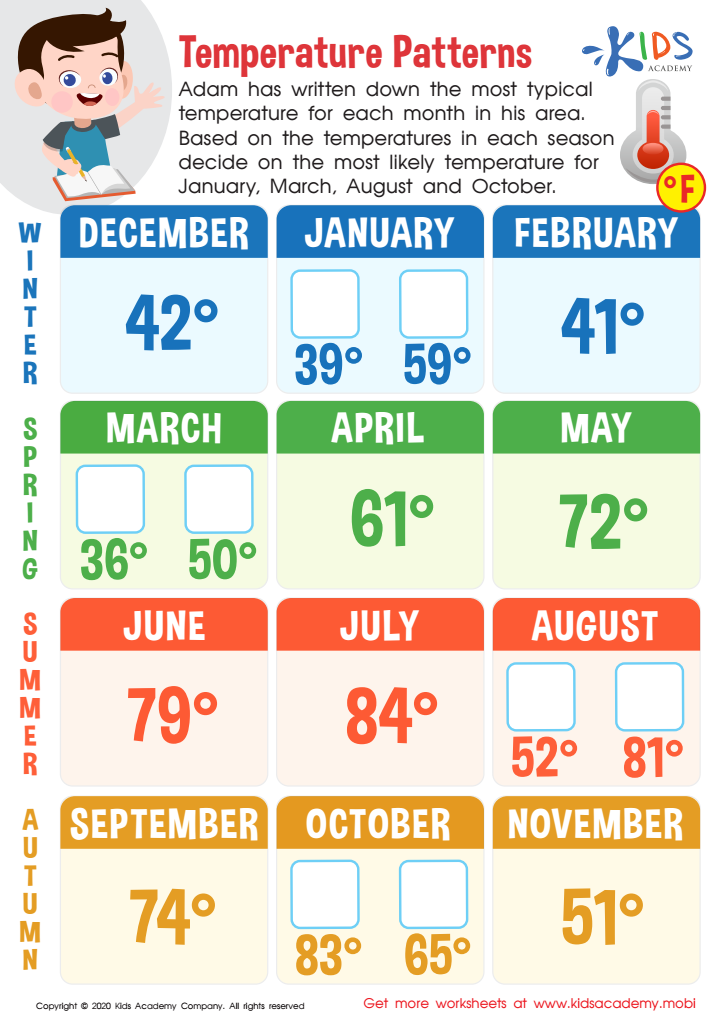
Temperature Patterns Worksheet
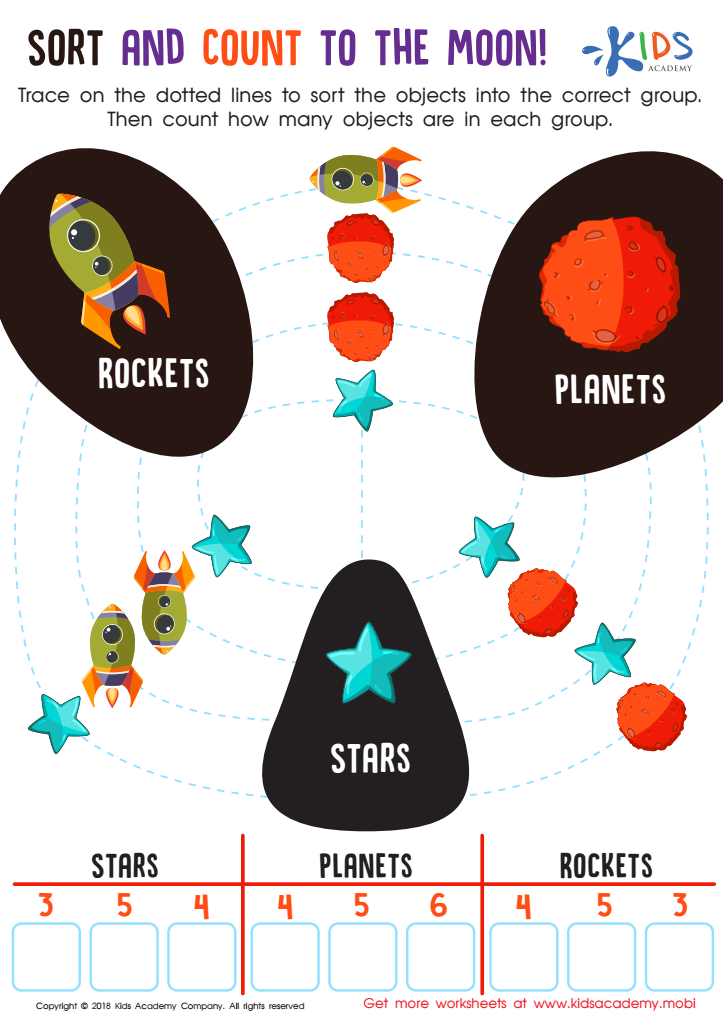
Sort and Count to the Moon Worksheet
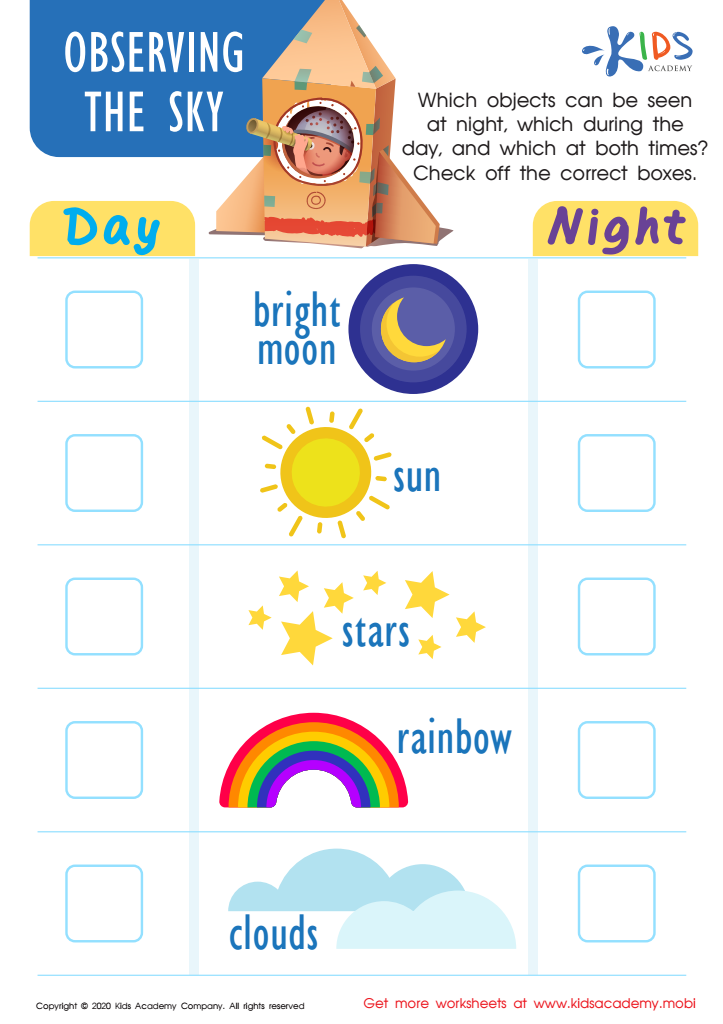
Observing the Sky Worksheet
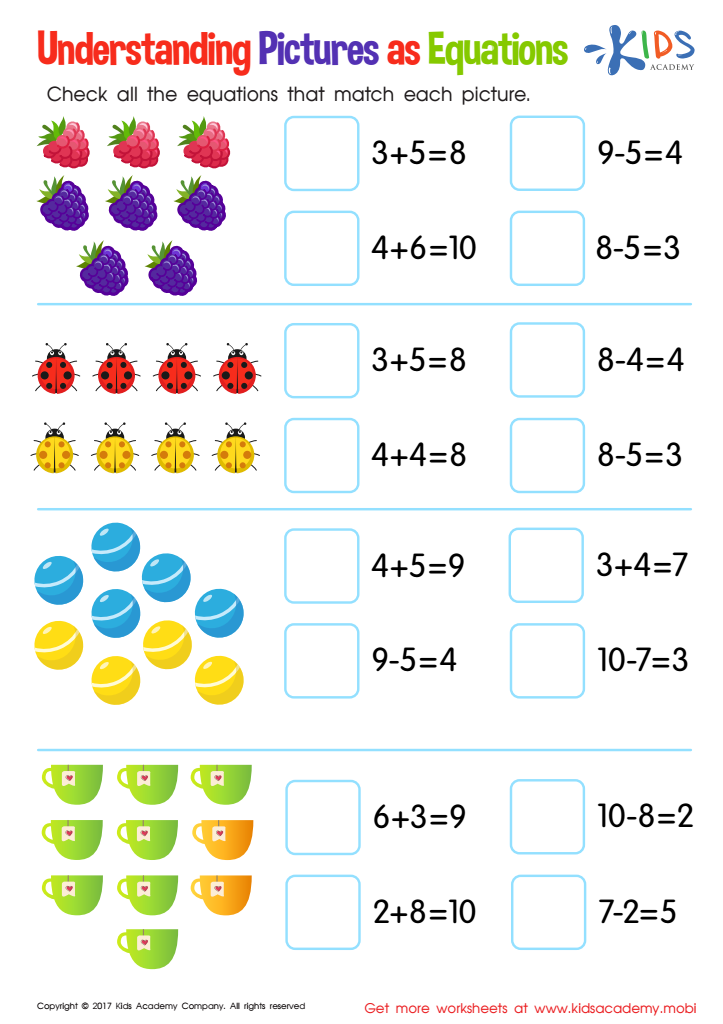
Understanding Pictures as Equations Worksheet
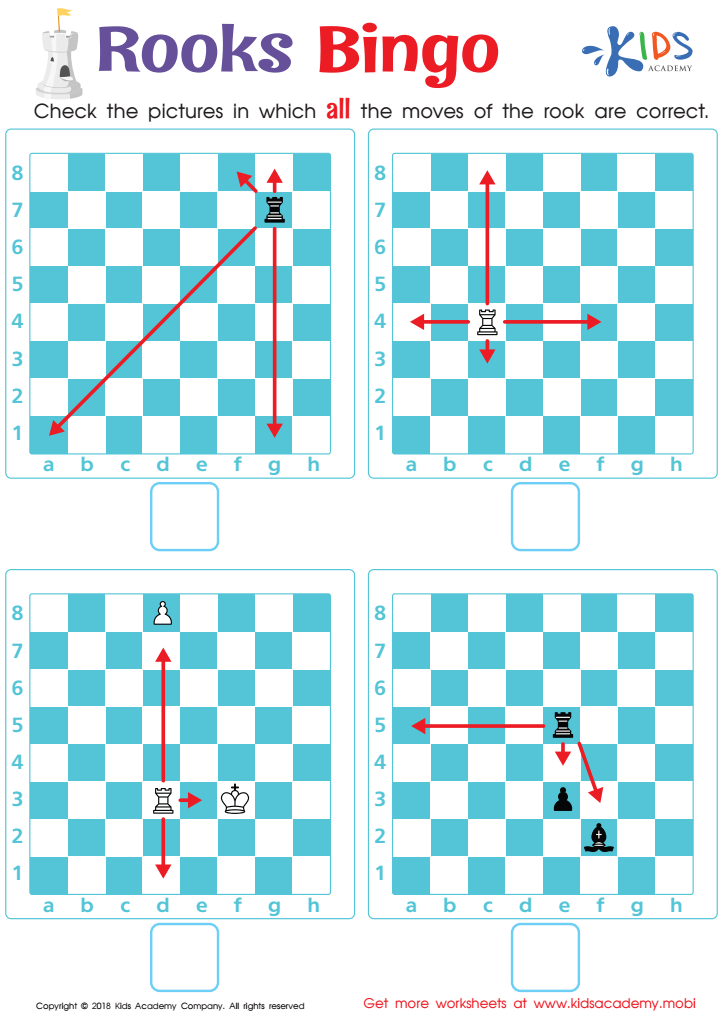
Rooks Bingo Worksheet







Recognizing patterns is a fundamental cognitive skill that significantly impacts a child's learning and development. For parents and teachers, fostering this ability is crucial for several reasons.
Firstly, pattern recognition is foundational for mathematical skills. Early exposure to patterns in numbers, shapes, and sequences helps children understand more complex mathematical concepts, improving their problem-solving abilities and logical reasoning. This sets the groundwork for future academic success in STEM (Science, Technology, Engineering, and Mathematics) fields.
Secondly, grasping patterns enhances language development. Recognizing patterns in speech and writing, such as rhyming words, syllable segmentation, and sentence structure, aids in reading fluency and comprehension. It helps children predict, identify, and comprehend language rules, making them proficient and confident readers and writers.
Emotionally and socially, recognizing patterns assists children in understanding daily routines, behavioral norms, and social cues. This comprehension helps them adapt to different environments, follow rules, and interact positively with peers and adults.
Encouraging pattern recognition also sparks creativity and critical thinking. Children begin to see connections and relationships, fostering an innovative mindset necessary for lifelong learning. By prioritizing these patterns, parents and teachers equip children with essential tools for academic success and overall personal development, preparing them for future challenges.








