Sequencing Skills Normal Worksheets
7 filtered results
-
From - To
Boost your child’s cognitive development with our Sequencing Skills Normal Worksheets, designed to enhance learning through fun, structured tasks. These expertly crafted worksheets from Kids Academy provide engaging exercises to improve your child's ability to recognize patterns, order events chronologically, and develop fundamental logical thinking skills. Ideal for young learners, our resources foster critical thinking, comprehension, and fine motor skills through vibrant, interactive activities. Create a strong educational foundation with our sequencing worksheets, and watch your child’s problem-solving abilities flourish. Suitable for indoor play, classroom use, or homeschool settings, these tools make early learning both enjoyable and effective.
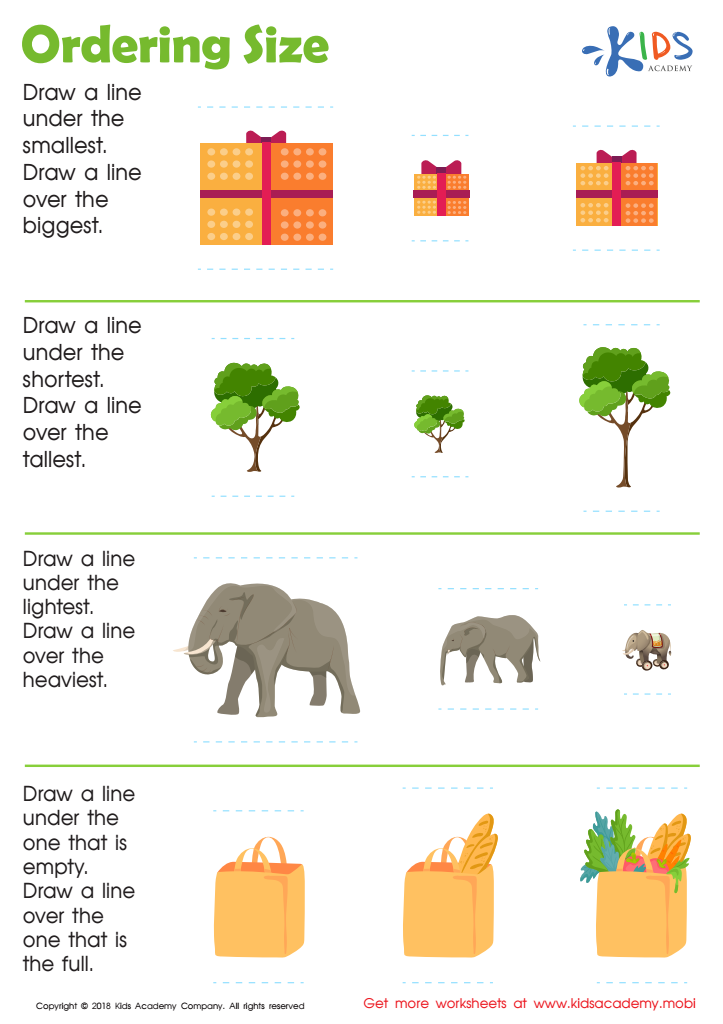
Ordering Size Worksheet
 Assign to My Students
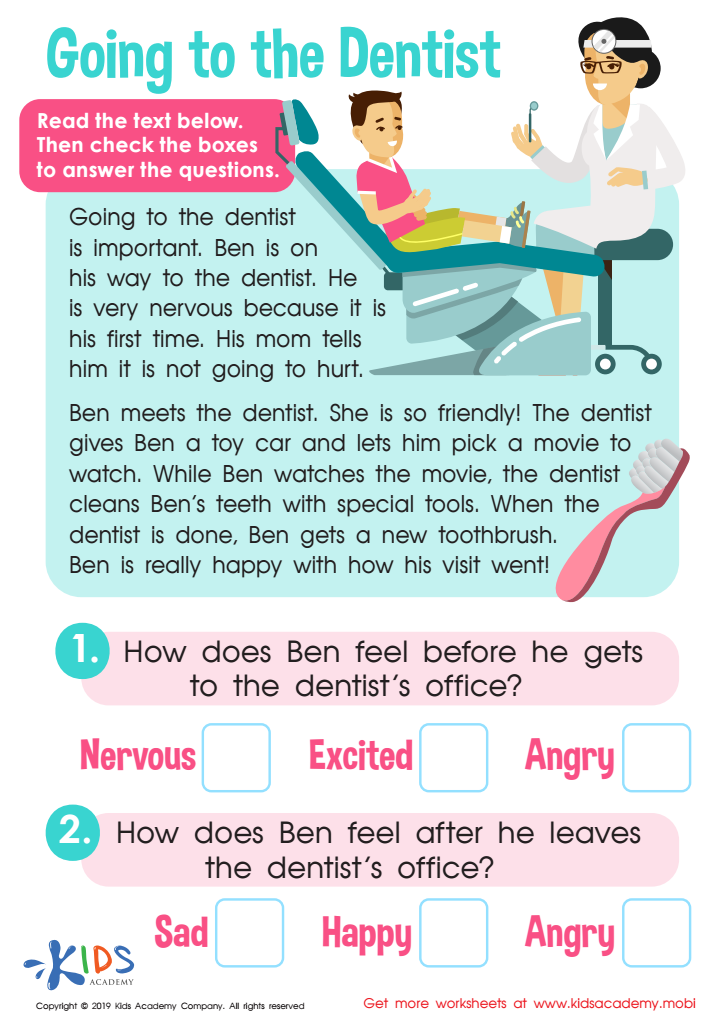
Going to the Dentist Worksheet
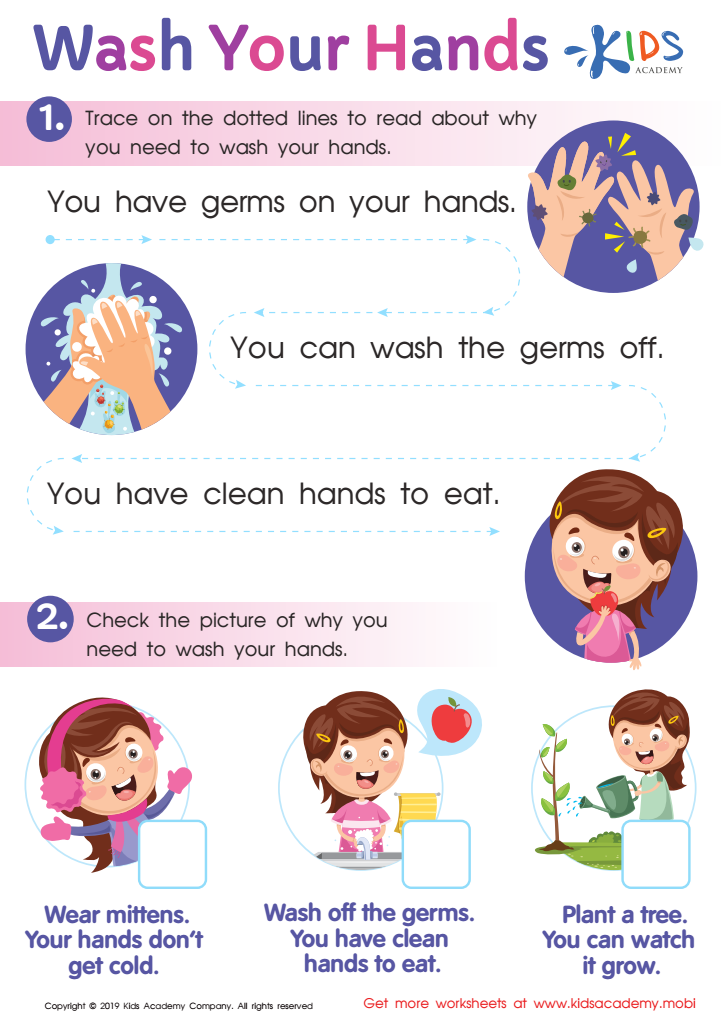
Wash Your Hands Worksheet
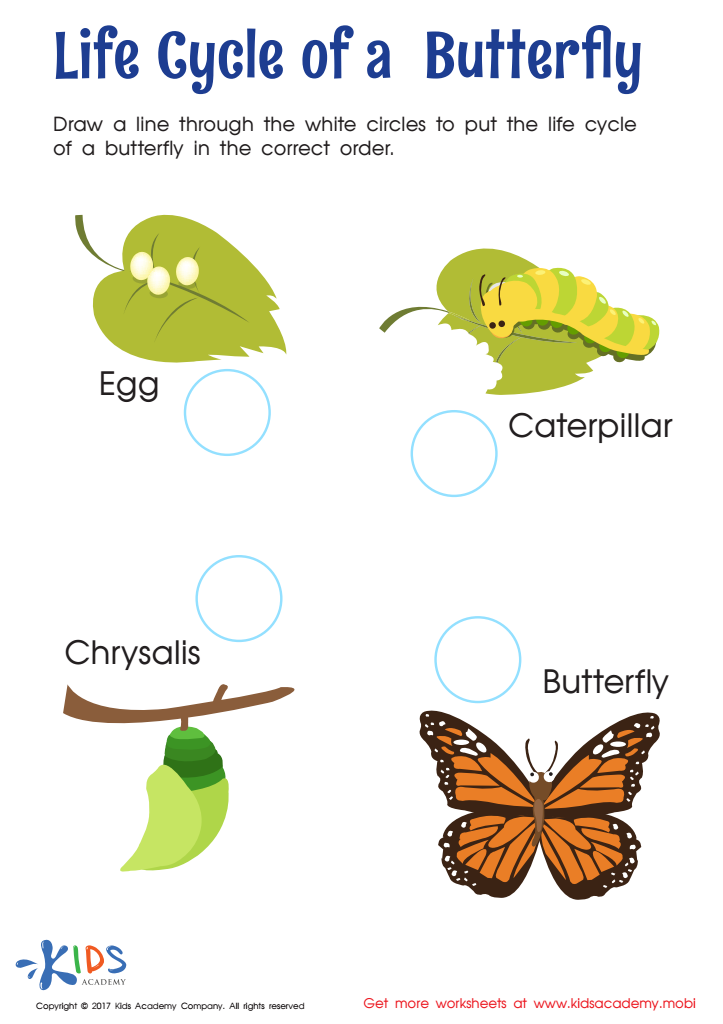
Life Cycle of Butterfly Worksheet
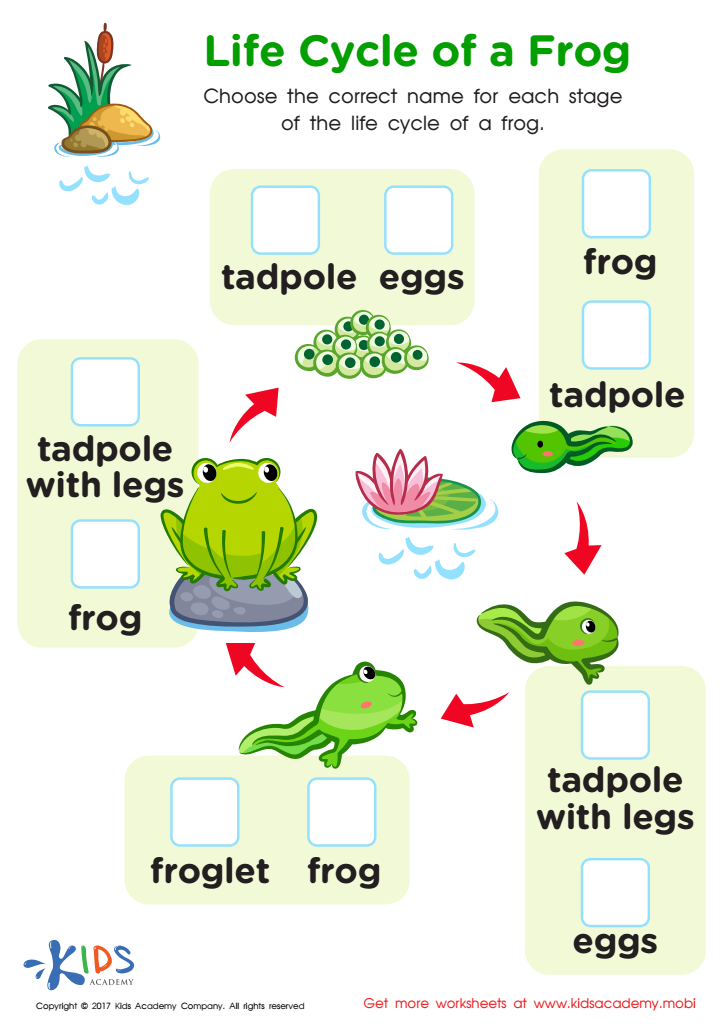
Life Cycle Frog Printable
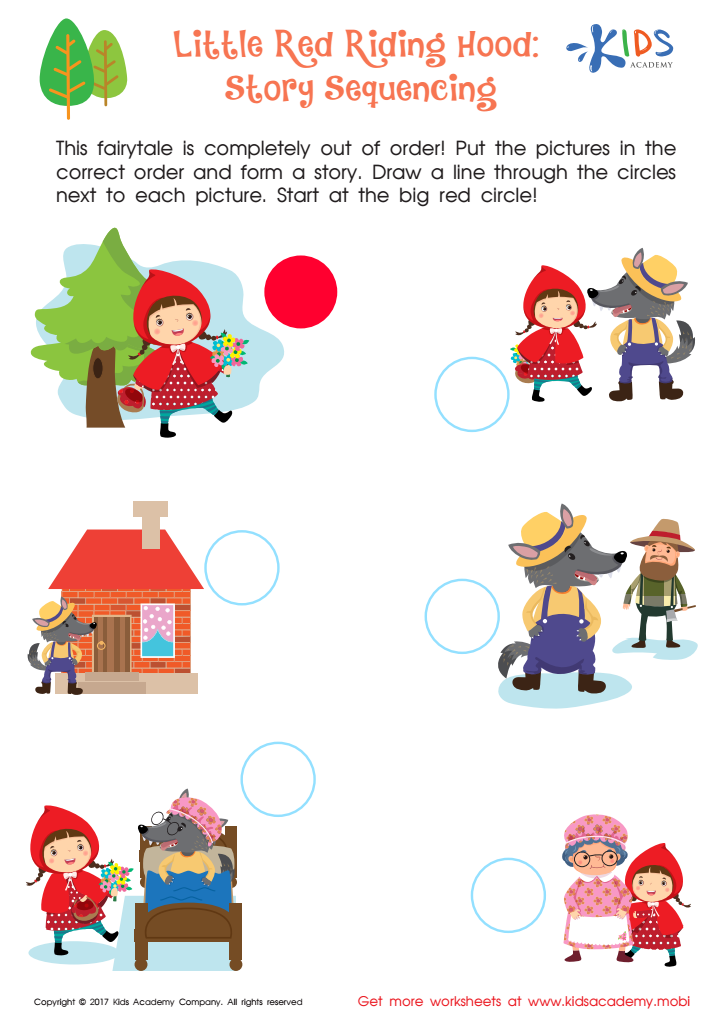
Story Sequencing Printable
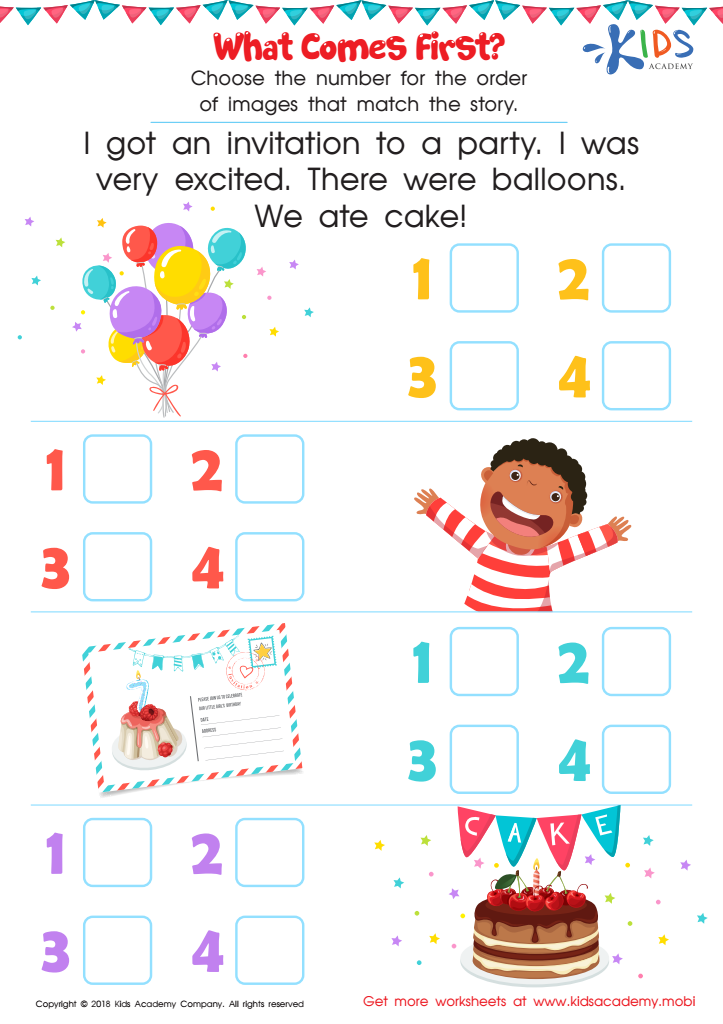
What Comes First Worksheet







Sequencing skills are crucial for young children's cognitive and academic development. These skills involve the ability to understand and arrange events, actions, or information in a logical order. For parents and teachers, nurturing sequencing skills is vital because it underpins many aspects of learning and daily life.
First, strong sequencing abilities aid reading comprehension. When children can identify the beginning, middle, and end of stories, they better grasp plot development, cause-and-effect relationships, and character actions. This understanding is foundational for literacy.
Second, sequencing supports mathematical learning. It enables children to follow multi-step procedures in problem-solving and understand sequences in patterns, time, and number operations. These skills are essential for early math concepts and more complex arithmetic later.
Third, good sequencing skills improve organizational abilities. Kids learn to follow routines, predict consequences, and manage tasks effectively. For example, understanding daily schedules helps them transition smoothly between activities, reducing stress and fostering independence.
Additionally, sequencing is critical in science for understanding processes, experiments, and real-world phenomena, such as the water cycle or plant growth stages.
In essence, focusing on sequencing skills equips children to think logically, enhances their academic performance, and readies them for solving everyday problems, ultimately fostering a well-rounded development.








