Story analysis Normal Worksheets
6 filtered results
-
From - To
Elevate your students' reading comprehension and critical thinking with our Story Analysis Normal Worksheets. Designed for early grade learners, these engaging worksheets help children dissect and understand narrative elements such as characters, settings, and plot. Through fun and interactive activities, kids will develop skills to identify main ideas, make inferences, and draw conclusions, enhancing their overall literacy. Perfect for classroom use or at-home practice, our worksheets support educators and parents in fostering a love for reading while advancing essential learning skills. Transform reading time into an enlightening experience with our Story Analysis Normal Worksheets!
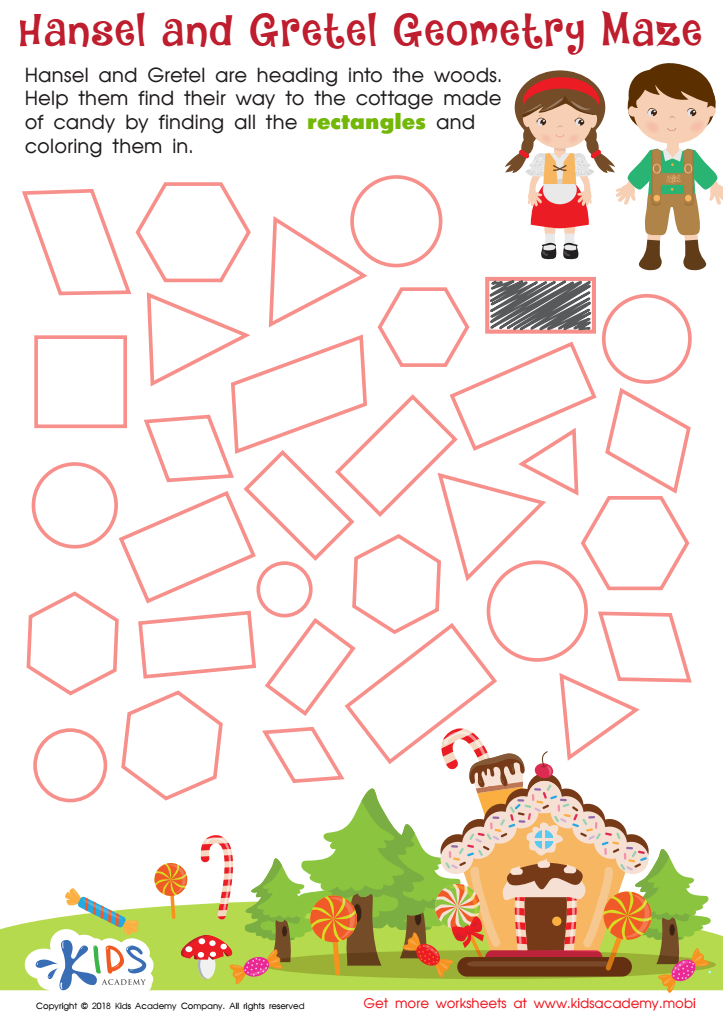
Hansel and Gretel Geometry Maze Worksheet
 Assign to My Students
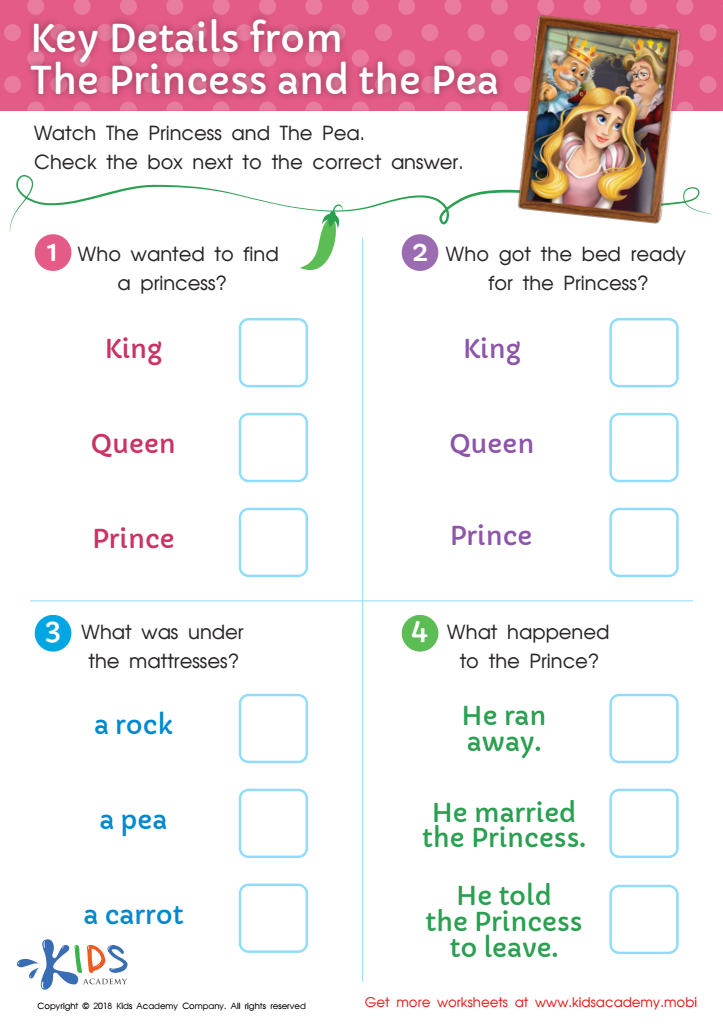
Key Details from the Princess and the Pea Worksheet
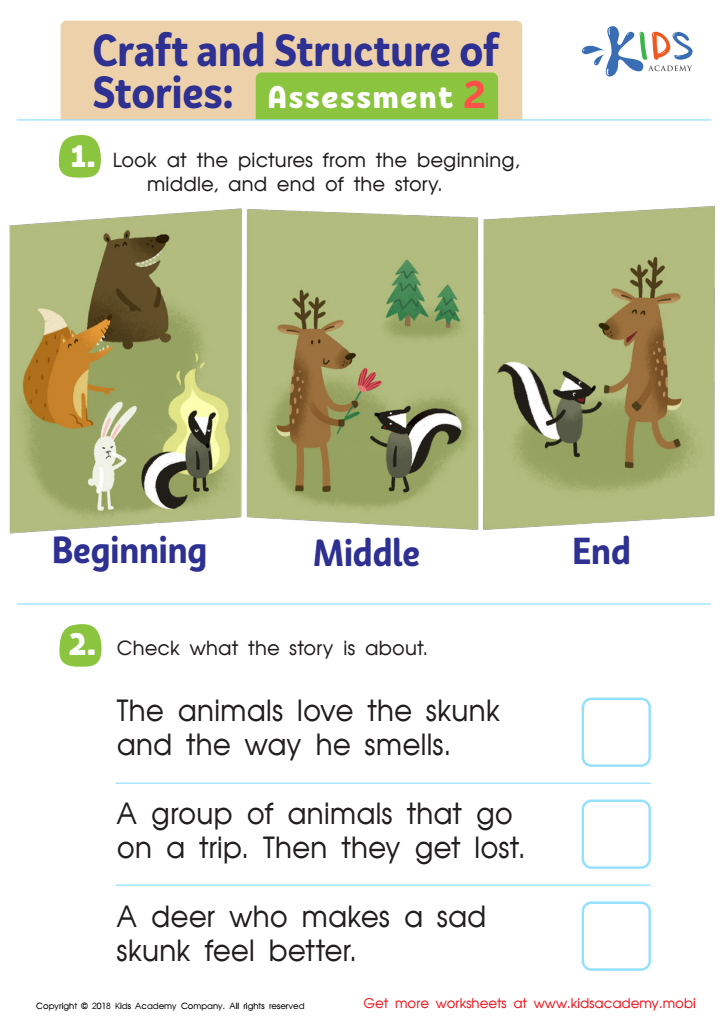
Craft and Structure of Stories: Assessment 2 Worksheet
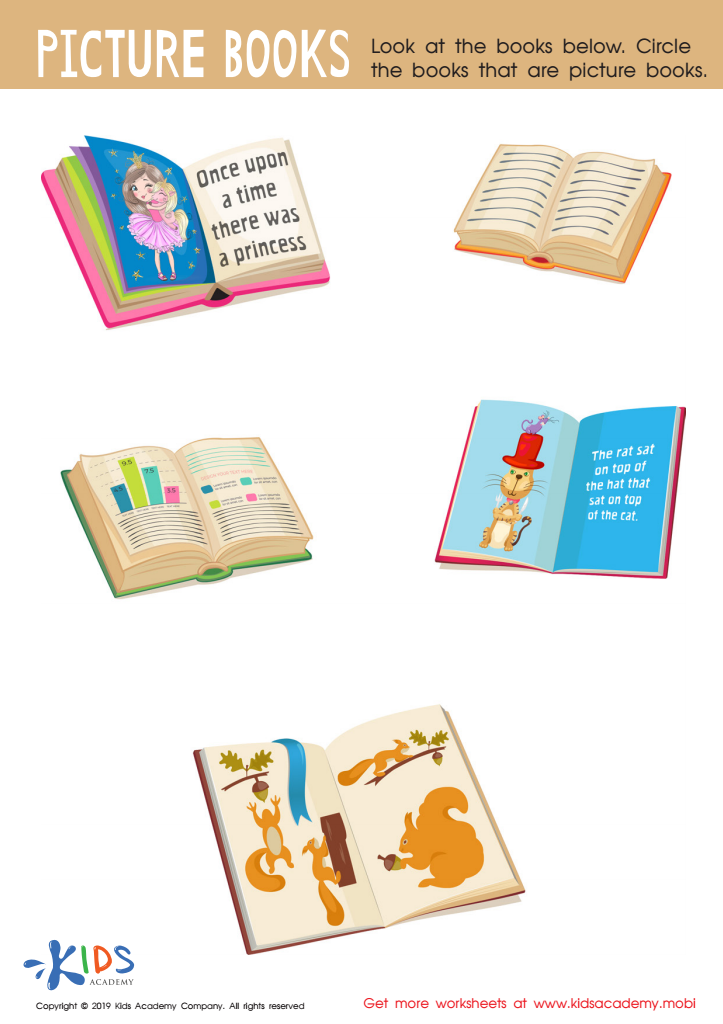
Picture Books Worksheet
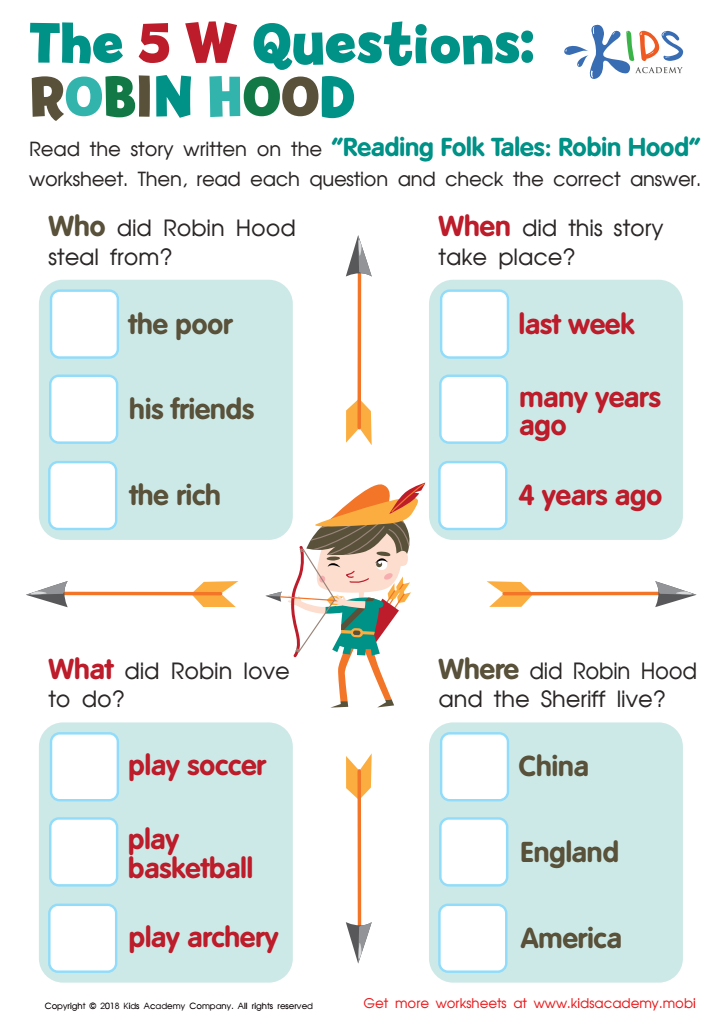
The 5 W Questions: Robin Hood Worksheet
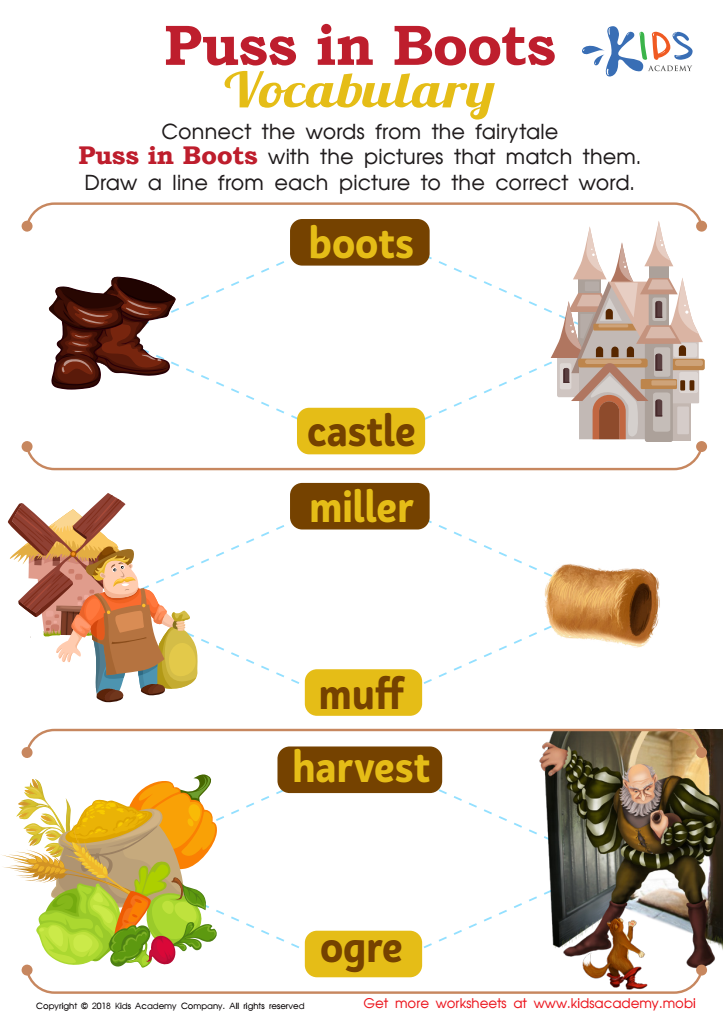
Puss in Boots Vocabulary Worksheet








Engaging in story analysis with young children is crucial for both parents and teachers. Firstly, story analysis enhances comprehension skills, enabling children to understand and interpret what they read. This deepens their ability to grasp narratives, characters, settings, and plots, fostering critical thinking and problem-solving skills. Secondly, it promotes language development. When children discuss and analyze stories, they expand their vocabulary, learn new sentence structures, and practice articulate expression.
Additionally, story analysis fosters emotional intelligence. Children learn to identify and understand their own emotions and those of others by exploring characters' feelings and motivations. This develops empathy and social skills, which are essential for personal and academic success. Furthermore, it improves attention and concentration. Analyzing stories requires children to focus on details, recognize patterns, and draw conclusions, enhancing their ability to concentrate and retain information.
Parents and teachers also have the opportunity to bond with children through story analysis. Sharing interpretations and engaging in discussions creates meaningful interactions and strengthens relationships. Finally, this practice can instill a lifelong love for reading. By making stories enjoyable and interactive, children are more likely to develop a passion for books, contributing to a sustained habit of reading that supports learning and personal growth.








