Visual comprehension Normal Worksheets
3 filtered results
-
From - To
Visual comprehension normal worksheets are an essential tool for young learners to develop critical observation and interpretive skills. Through these engaging, colorful, and thoughtfully designed printables, students enhance their ability to analyze, recognize patterns, and understand visual information, promoting improved cognitive skills and concentration. Each worksheet offers unique activities tailored to various learning styles, ensuring that every child can progress at their own pace. Perfect for both in-class and at-home practice, these resources support children's academic growth, making learning both fun and effective. Discover the benefits of visual comprehension worksheets and watch your child become a confident and curious learner.
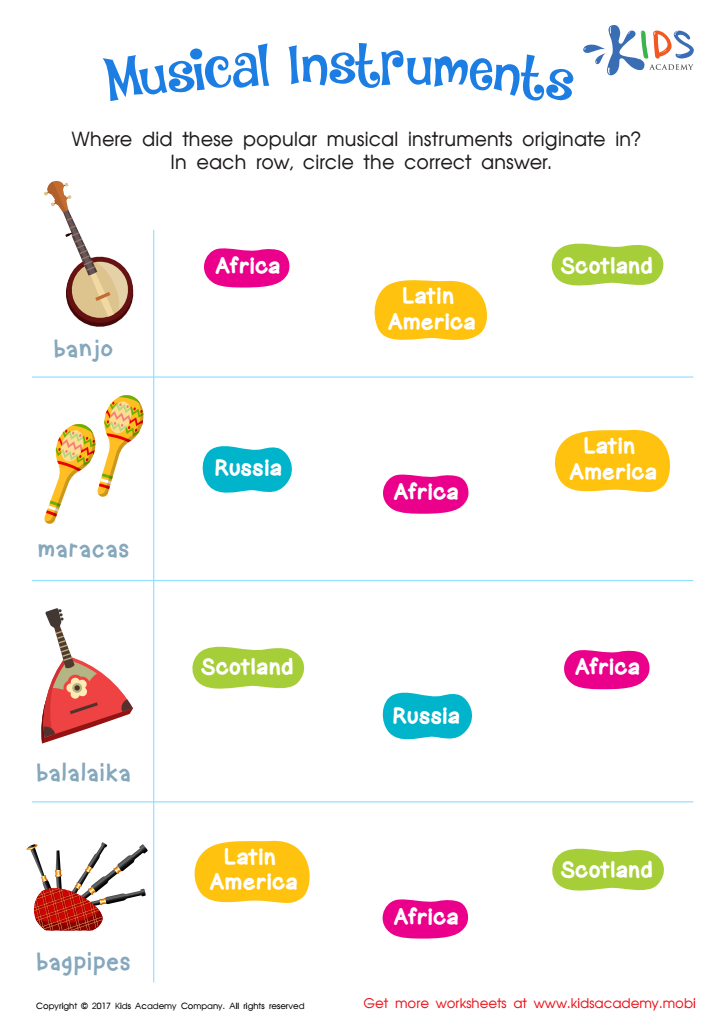
Musical Instruments Printable
 Assign to My Students
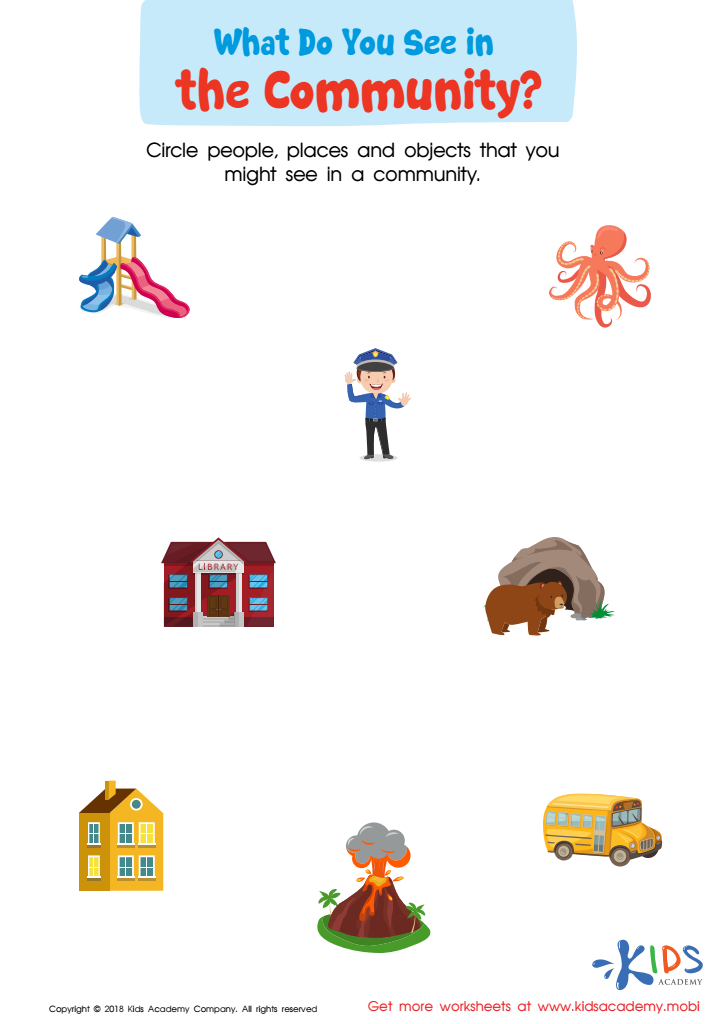
What Do You See in the Community Worksheet
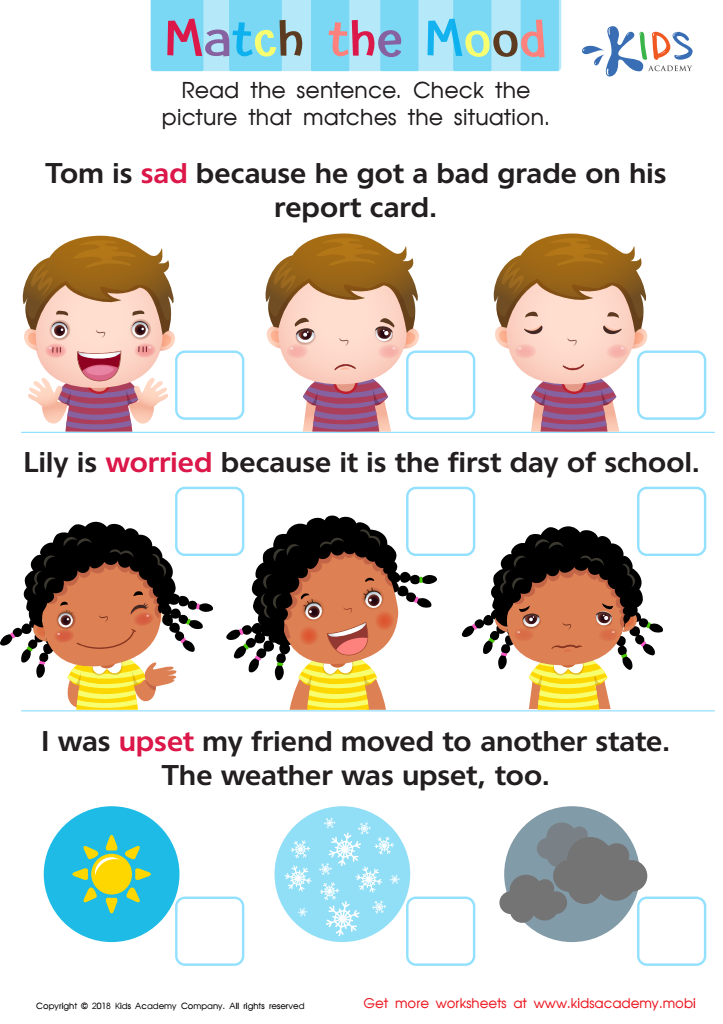
Match The Mood Worksheet






Visual comprehension is critical for young learners as it underpins a wide range of cognitive and educational skills. When children develop strong visual comprehension, they are better equipped to interpret and make sense of visual information—essential in our increasingly image-centric world.
First, visual comprehension aids in literacy. Understanding pictures, graphs, and charts is as important as understanding words and sentences because images often support and enhance textual descriptions. This skill is crucial in subjects like science and mathematics, where visual aids frequently explain complex concepts.
Moreover, visual comprehension enhances critical thinking and problem-solving abilities. Children learn to observe details, interpret contexts, and draw conclusions based on visual cues. This kind of processing is foundational for creativity and innovation, which are essential skills in the modern workplace.
Effective visual comprehension also supports better communication. By interpreting and using visual information skillfully, children can understand non-verbal cues and become more empathetic communicators. This ability allows for more nuanced and effective social interactions.
Lastly, visual learning engages children who might struggle with traditional text-based materials, thus promoting inclusion and catering to diverse learning styles. Therefore, parents and teachers should actively nurture visual comprehension to foster well-rounded, capable learners adept in processing both textual and visual information.








