Visual discrimination Normal Worksheets
12 filtered results
-
From - To
Boost your child's visual recognition skills with our top-rated Visual Discrimination Normal Worksheets at Kids Academy! Perfect for early learners, these engaging activities are designed to enhance attention to detail and support cognitive development. From identifying differences to recognizing patterns, these worksheets provide fun and interactive exercises that aid in reading and writing readiness. Foster your child's ability to notice visual distinctions, which is crucial for academic success. Our easy-to-print worksheets are expertly crafted to keep children entertained while learning. Join Kids Academy today and give your child the advantage in nurturing essential learning skills!
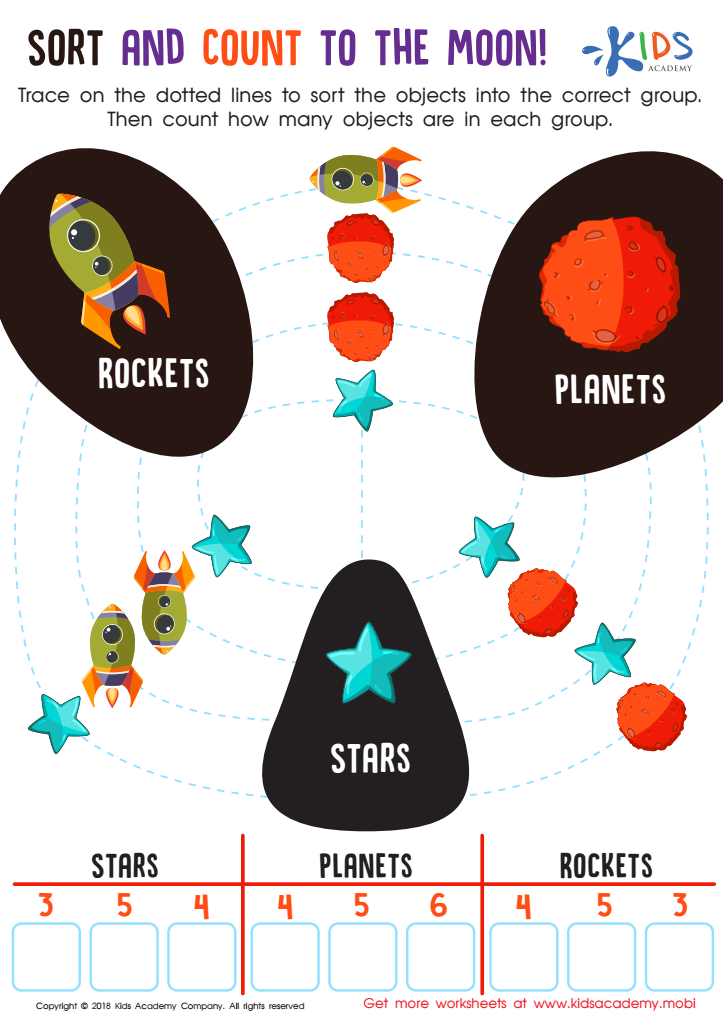
Sort and Count to the Moon Worksheet
 Assign to My Students
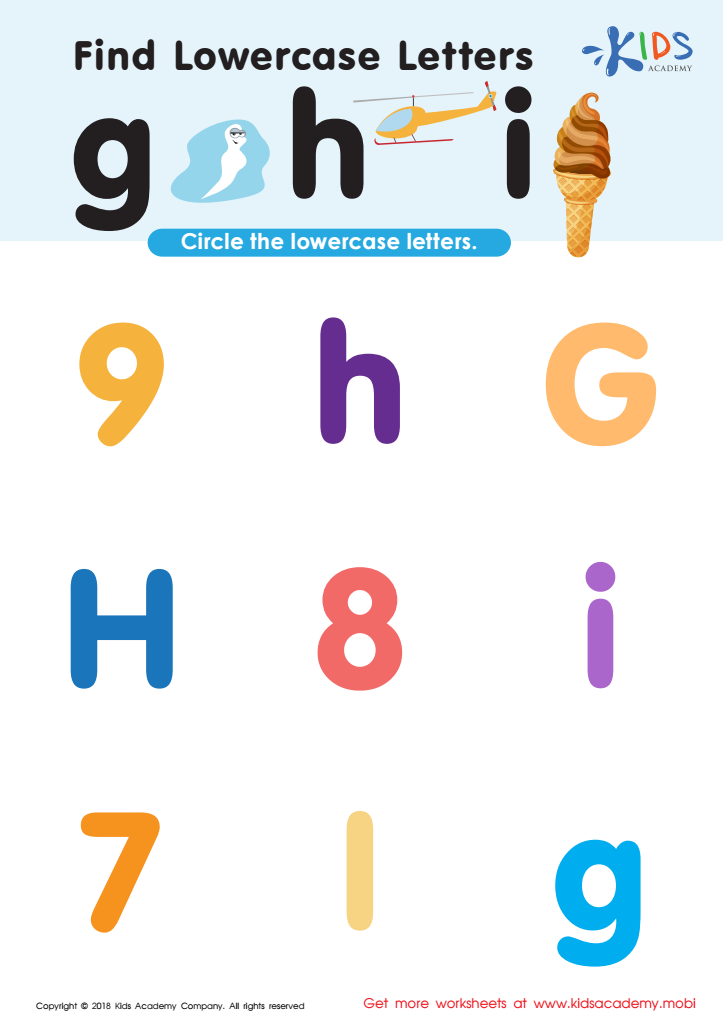
Find Lowercase Letters g h i Worksheet
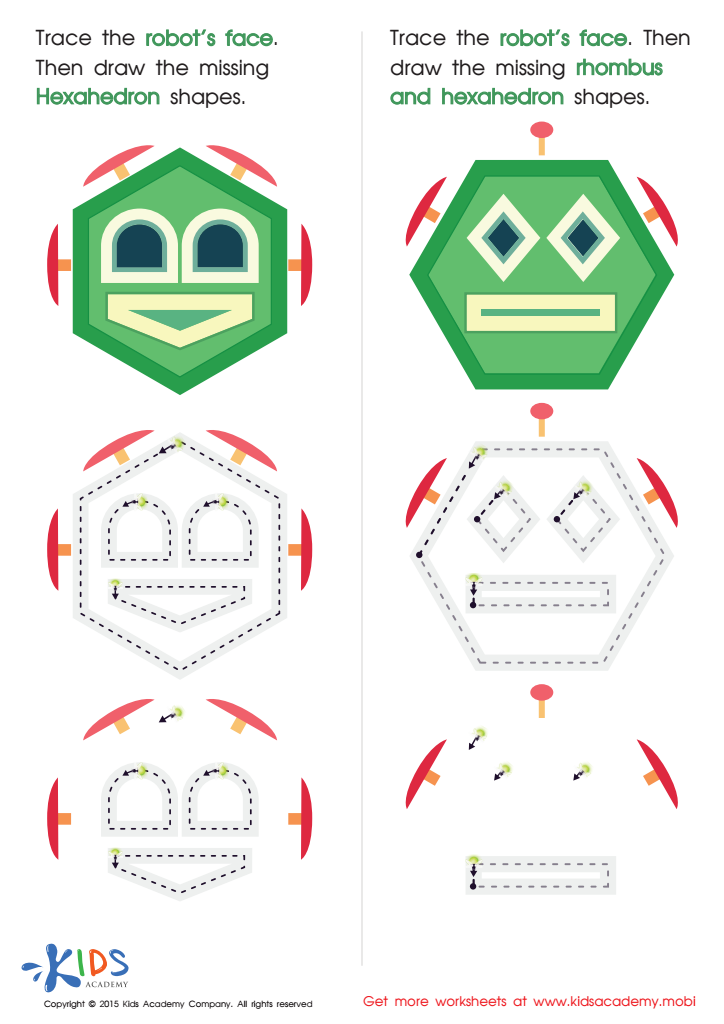
Practice Drawing Hexahedrons And a Rhombus Worksheet
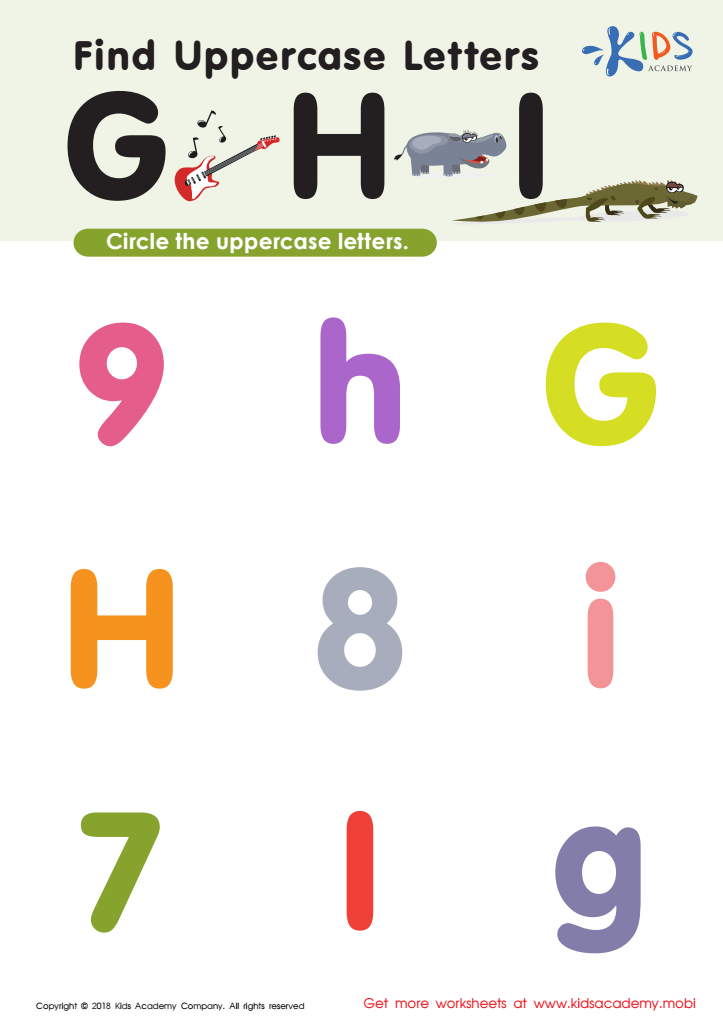
Find Uppercase Letters G, H, and I Worksheet
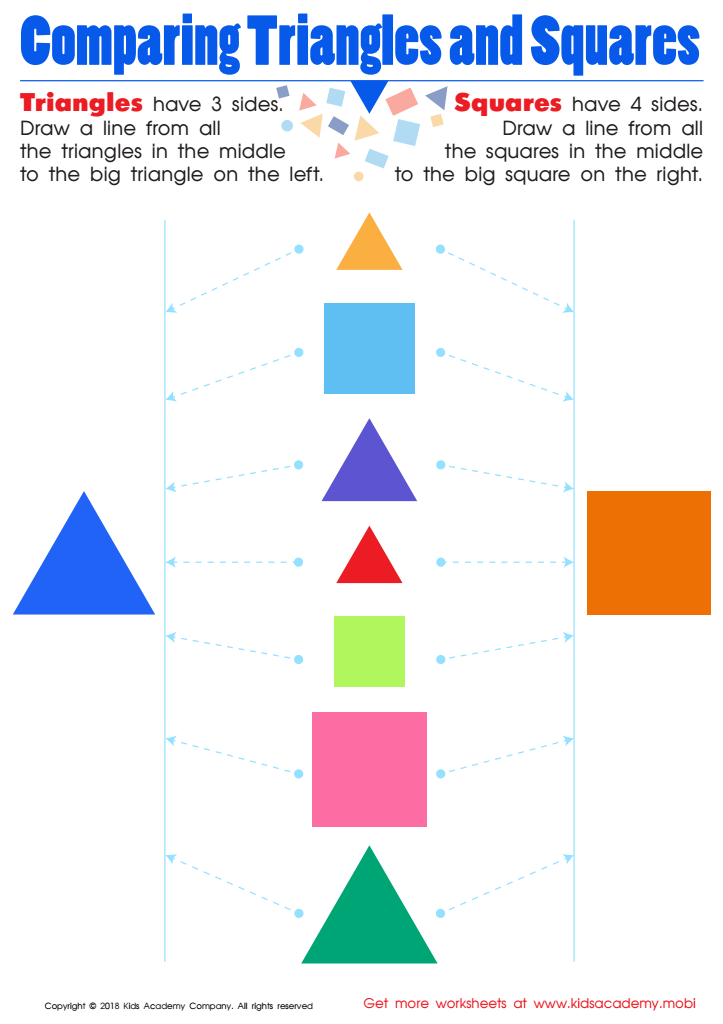
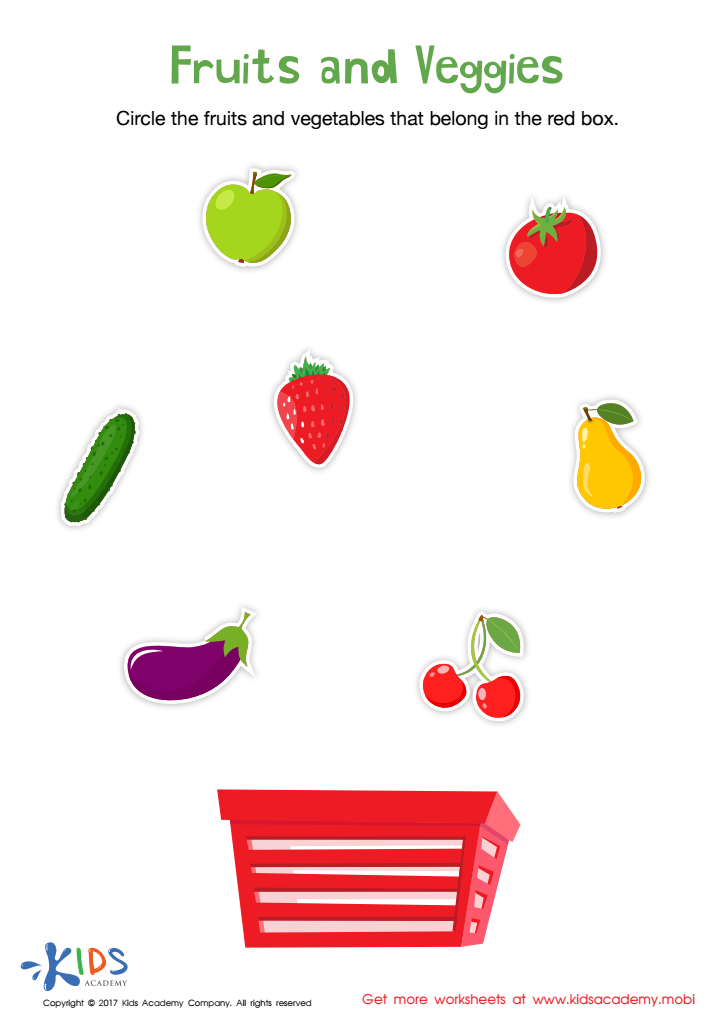
Comparing Triangles Squares Worksheet
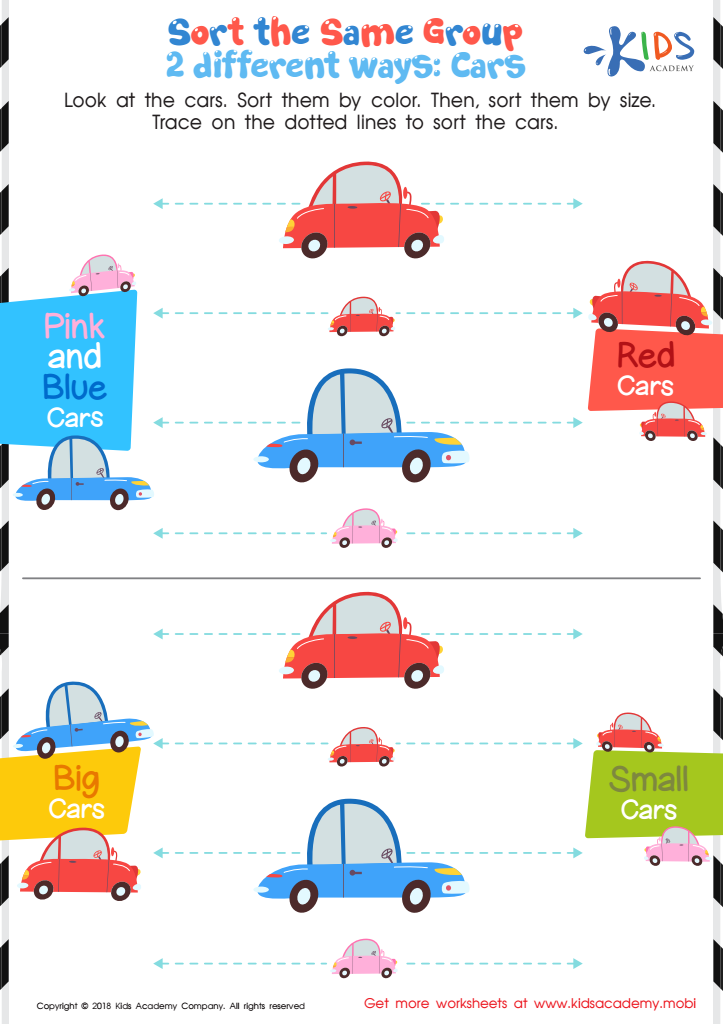
Sort the Same Group 2 Different Ways: Cars Worksheet
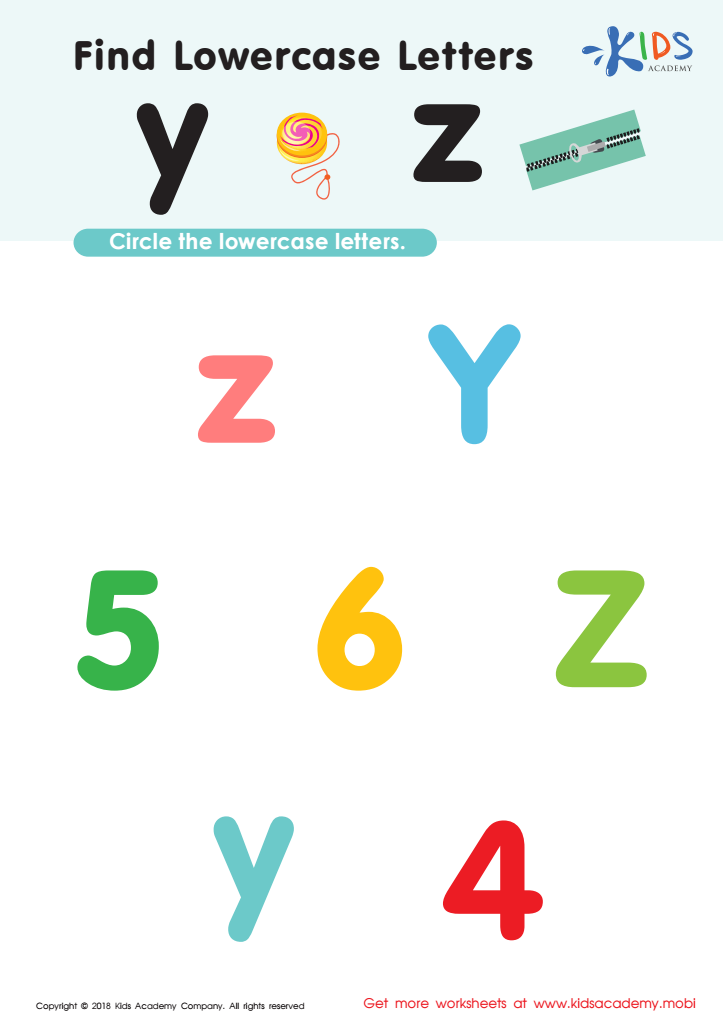
Find Lowercase Letters y z Worksheet
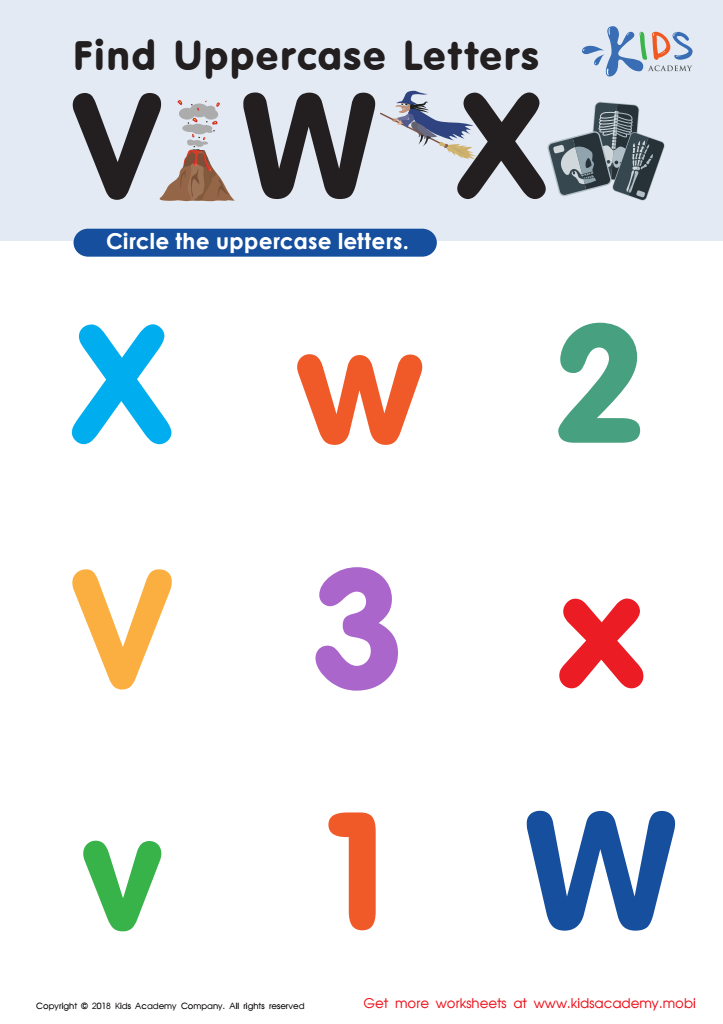
Find Uppercase Letters V, W, X Worksheet
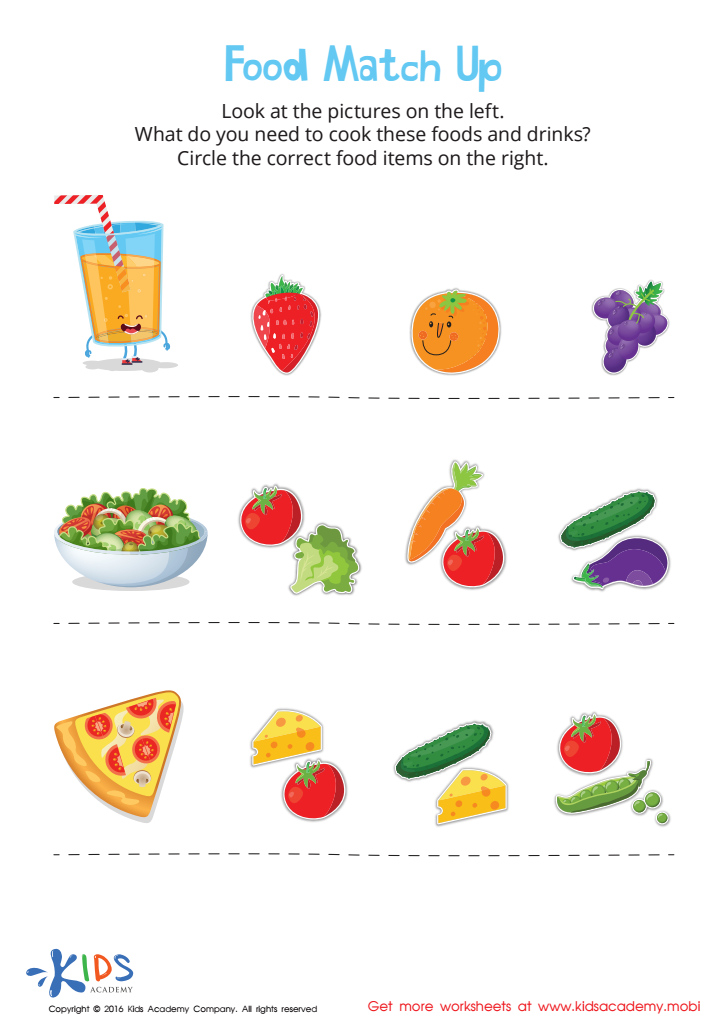
Food Match Up Worksheet
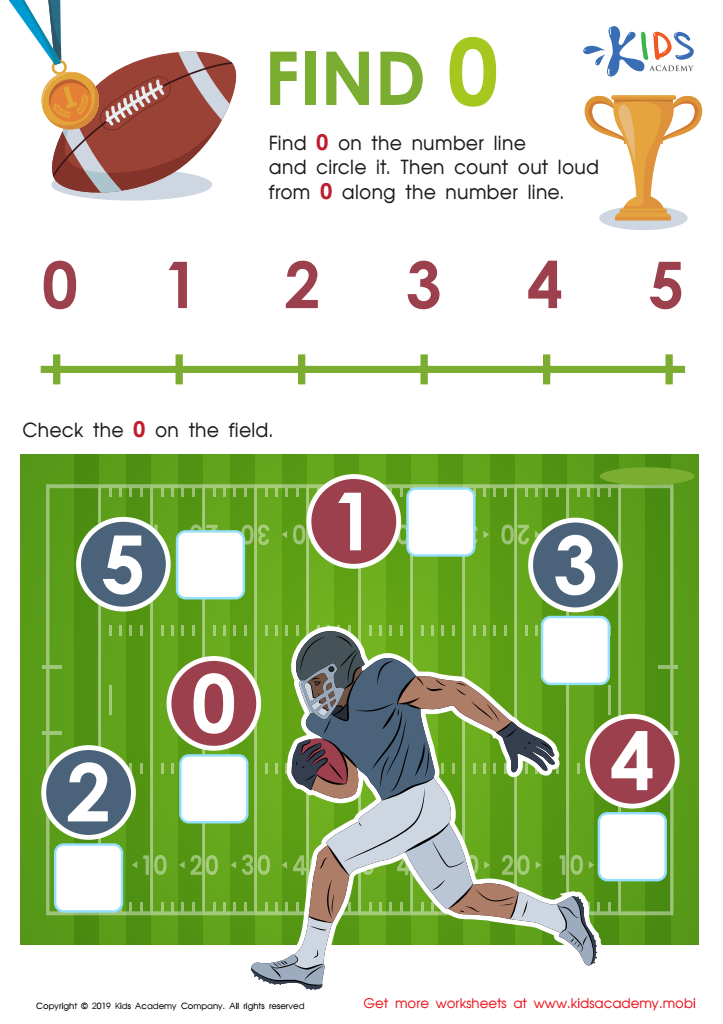
Find 0 Worksheet
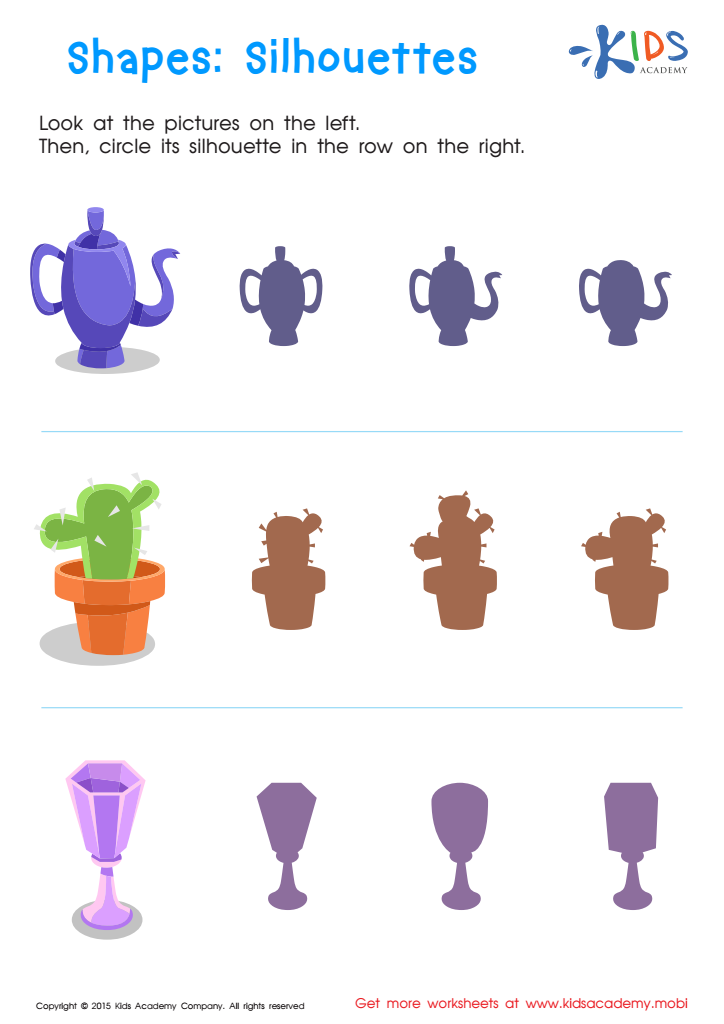
Silhouettes – Shapes Worksheet







Visual discrimination is the ability to discern differences and similarities among objects or symbols, particularly in shape, size, color, and position. This skill is critical for early childhood development as it lays the foundation for essential learning activities like reading, writing, and mathematics.
Parents and teachers should prioritize visual discrimination because it directly influences a child's academic success. In reading, for instance, children must distinguish between letters and words that often look similar, such as 'b' and 'd' or 'was' and 'saw.' Without strong visual discrimination skills, a child may struggle with spelling, word recognition, and overall reading comprehension. Similarly, in mathematics, recognizing different shapes and numbers, as well as understanding spatial relationships, requires robust visual discrimination.
Beyond academics, visual discrimination aids in everyday activities. Children use this skill to read signs, follow instructions, and participate in play that enhances social and motor skills. Early intervention and practice in visual discrimination can prevent future learning difficulties. Activities like matching games, puzzles, and drawing can help develop this skill.
Investing time in cultivating visual discrimination ensures that children have the tools they need for more complex tasks and ideas, fostering confidence and competence in their learning journey.








