Following instructions Normal Addition & Subtraction Worksheets
4 filtered results
-
From - To
Enhance your students' math skills with our "Following Instructions: Normal Addition & Subtraction Worksheets." Designed for early learners, these engaging worksheets help children practice fundamental math concepts while improving their ability to follow directions. Each worksheet includes a variety of problems that reinforce addition and subtraction skills through step-by-step instructions, fostering both math proficiency and comprehension. Perfect for classroom use or at-home practice, these worksheets cater to diverse learning styles, ensuring every child can succeed. Help your students gain confidence in their math abilities while having fun with our interactive and visually appealing activities. Download and start learning today!
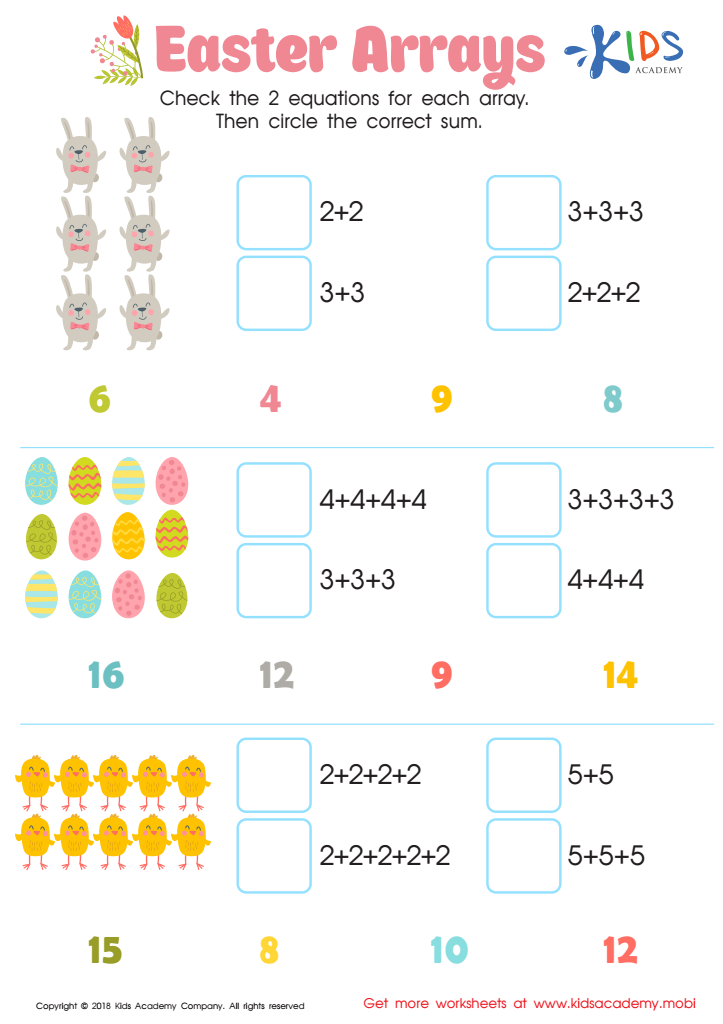
Easter Arrays Worksheet
 Assign to My Students
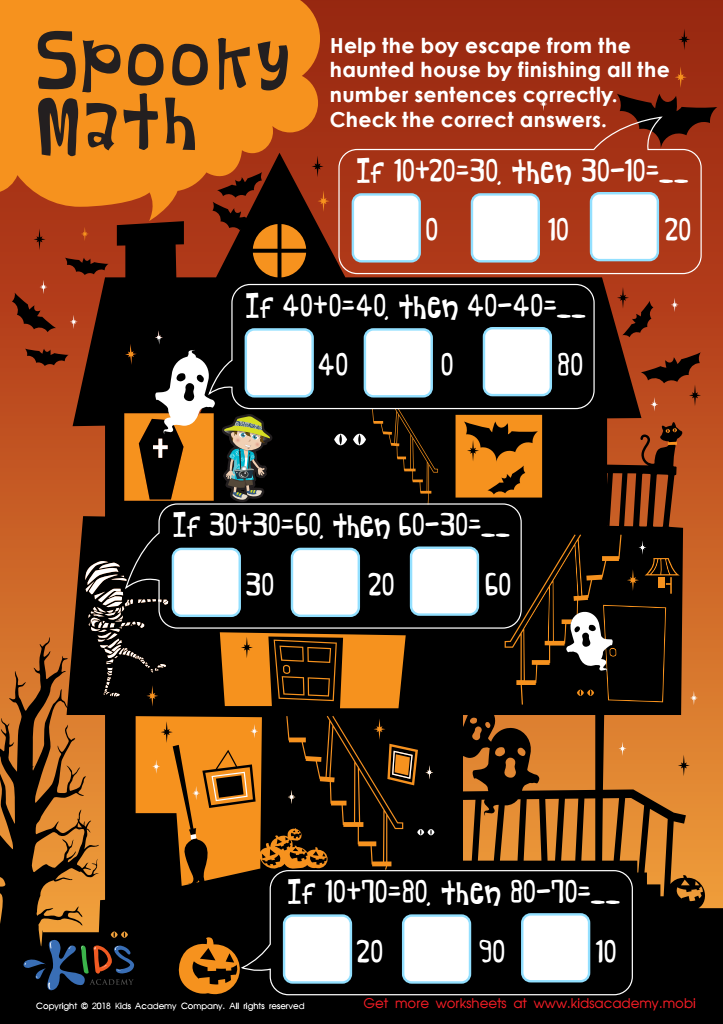
Subtract Tens: Spooky Math Worksheet
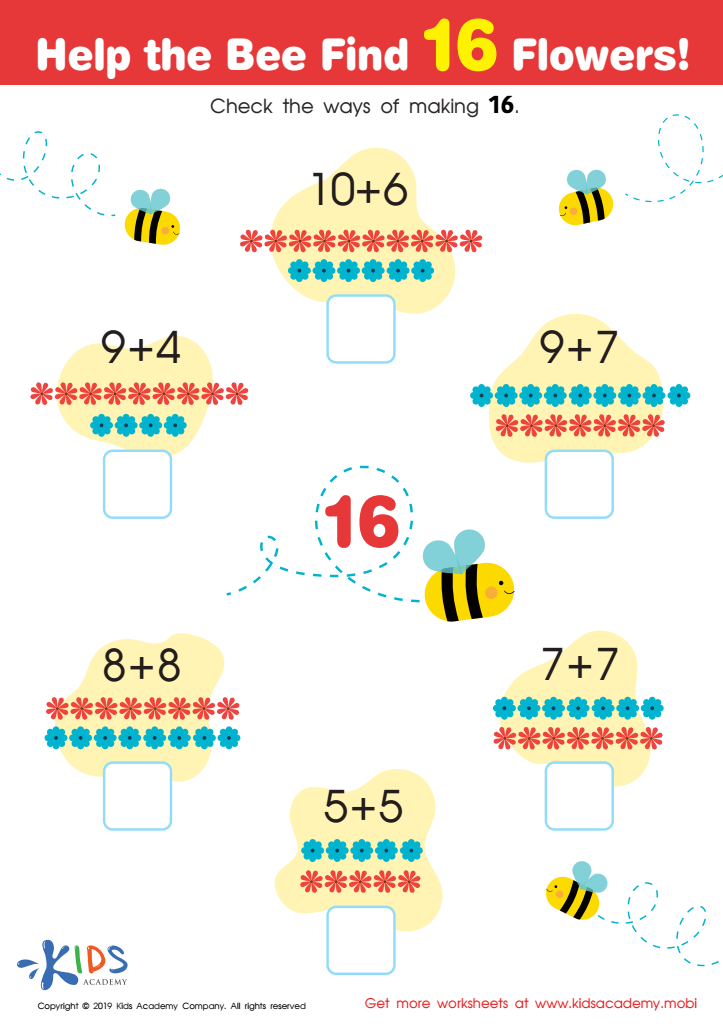
Help the Bee Find 16 Flowers Worksheet
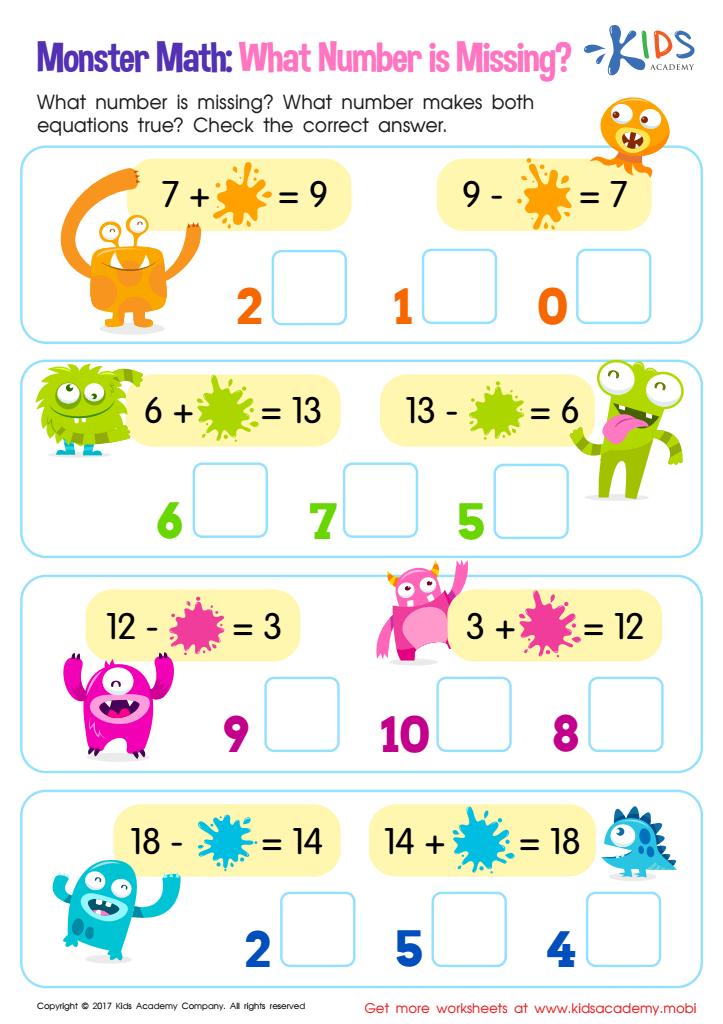
Missing Number: Monster Math Worksheet








Parents and teachers should care about following instructions in normal addition and subtraction because these foundational skills are crucial for a child's overall mathematical development and academic success. Mastering these operations not only helps children understand basic math concepts but also builds their confidence in problem-solving.
When children learn to follow instructions in math, they develop critical thinking skills that are essential for interpreting problems and working through solutions. This ability to comprehend and adhere to step-by-step processes is transferable to many aspects of life, enhancing their organizational and analytical skills.
Furthermore, supportive parental and teacher involvement reinforces the importance of diligence and attention to detail. When children see that adults value these skills, they are more likely to adopt a similar mindset, fostering a positive attitude toward learning and perseverance in overcoming challenges.
In addition, proficiency in addition and subtraction sets the stage for more complex mathematical concepts, such as multiplication and division, ensuring a smoother transition as they progress through their education. In essence, emphasizing the importance of following instructions in these basic operations lays the groundwork for lifelong learning, self-discipline, and a range of future academic and real-world applications.








