Understanding patterns Normal Math Worksheets
10 filtered results
-
From - To
Discover the joy of learning with our "Understanding Patterns" normal math worksheets! Designed for early grade learners, these worksheets help develop critical thinking and problem-solving skills through engaging activities focusing on identifying, creating, and extending patterns. Each worksheet offers a variety of exercises that stimulate cognitive growth while making math fun and accessible. Perfect for teachers and parents alike, our resources promote children's comprehension of patterns in shapes, colors, and numbers, essential building blocks for further mathematical progression. Download your worksheets today to inspire your child's confidence and mastery in understanding patterns, paving the way for a bright mathematical future!
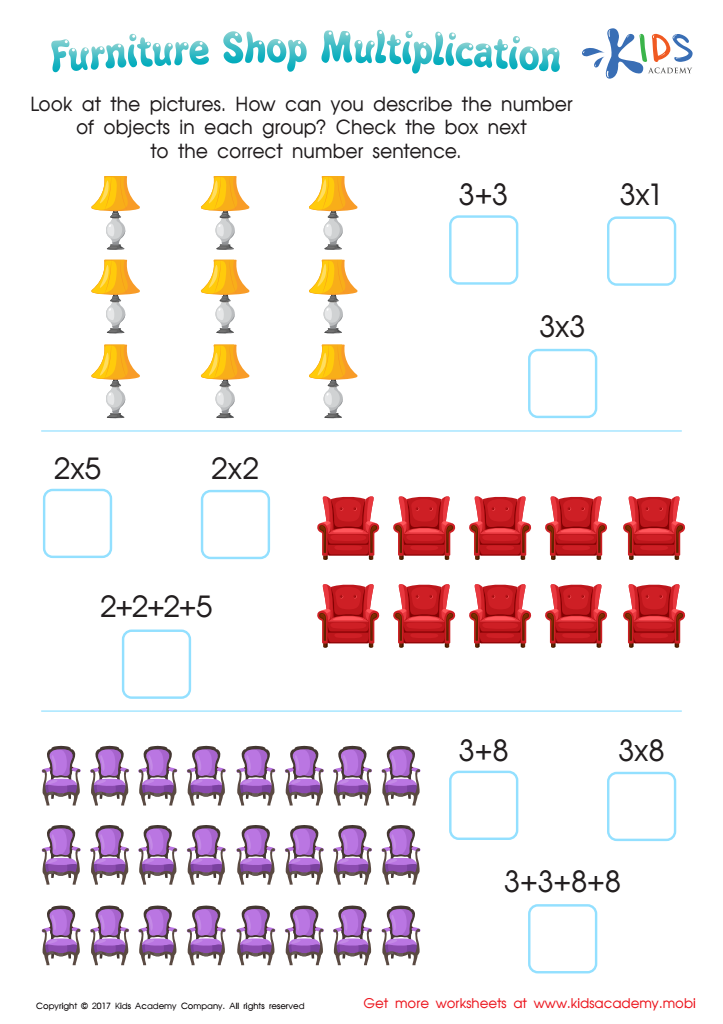
Furniture Shop Worksheet
 Assign to My Students
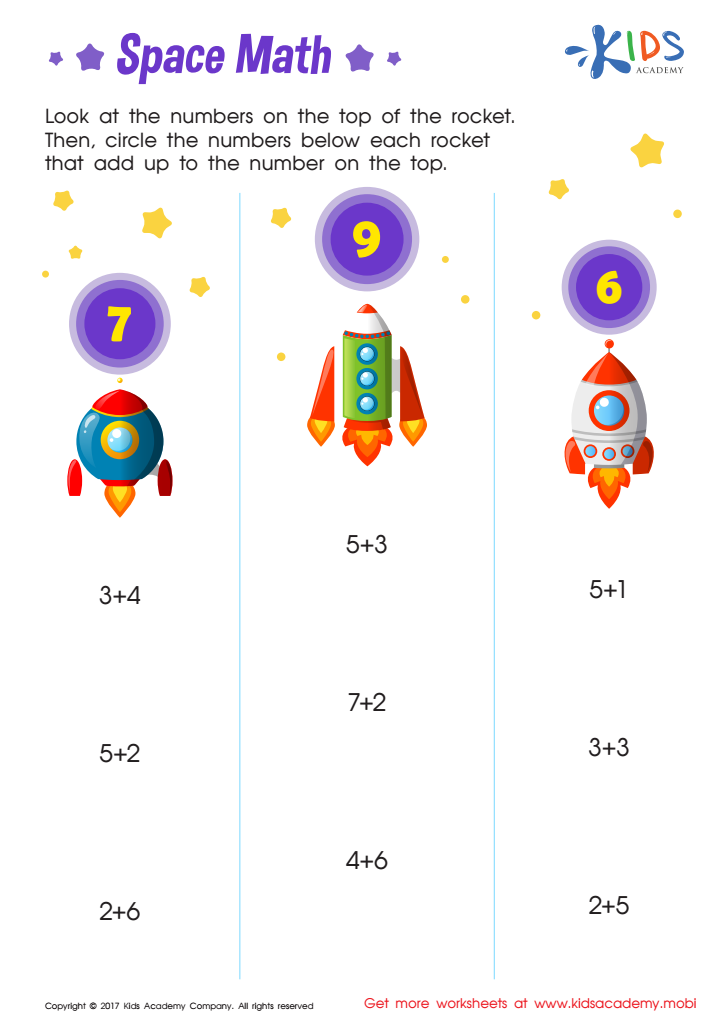
Addition: Space Math Worksheet
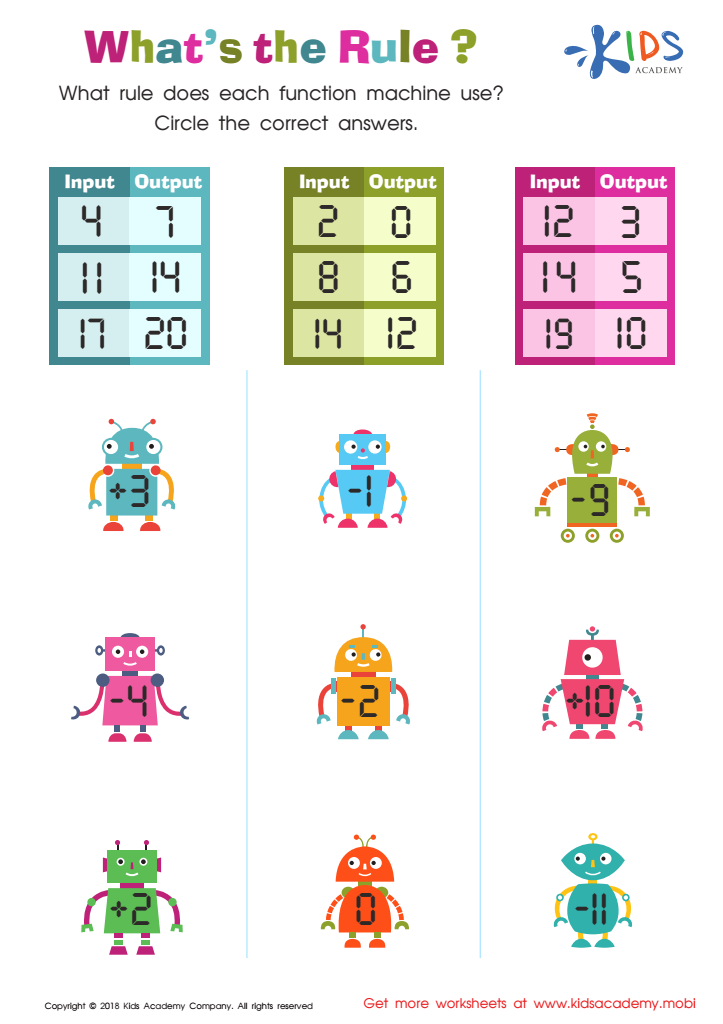
What's the Rule Worksheet
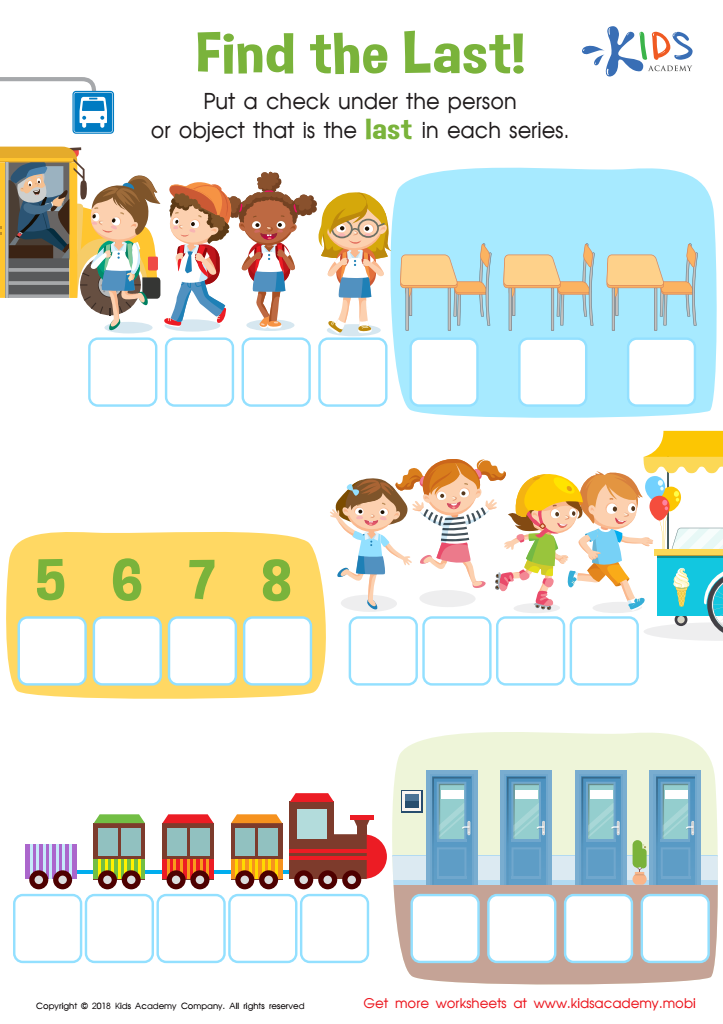
Find the Last! Worksheet
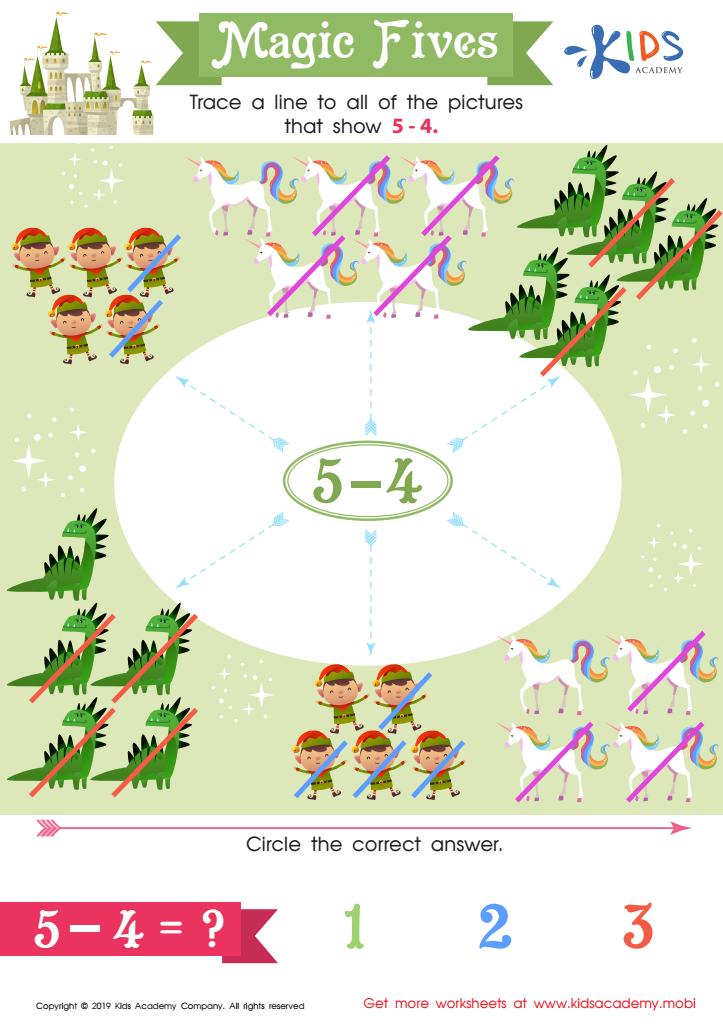
Magic Fives Worksheet
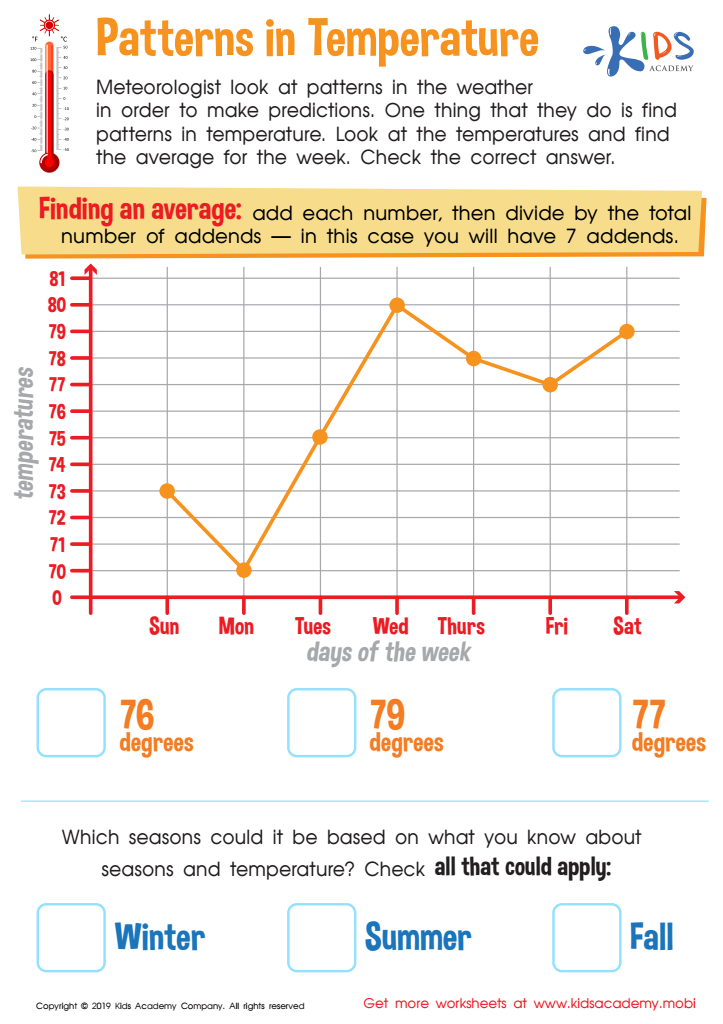
Patterns in Temperature Worksheet
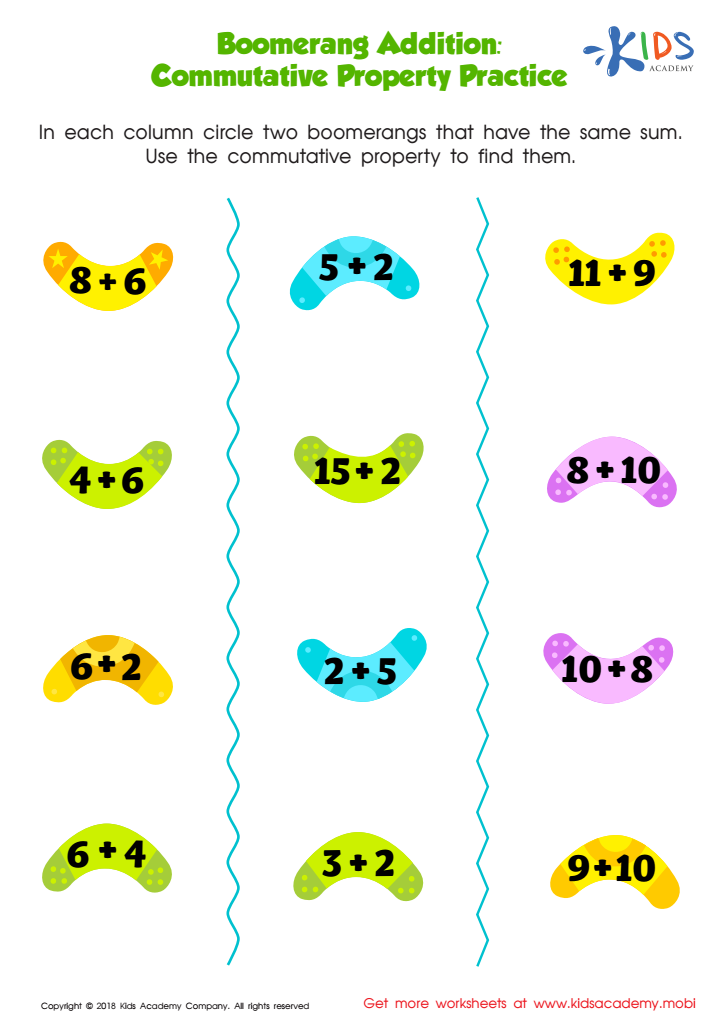
Boomerang Addition Worksheet
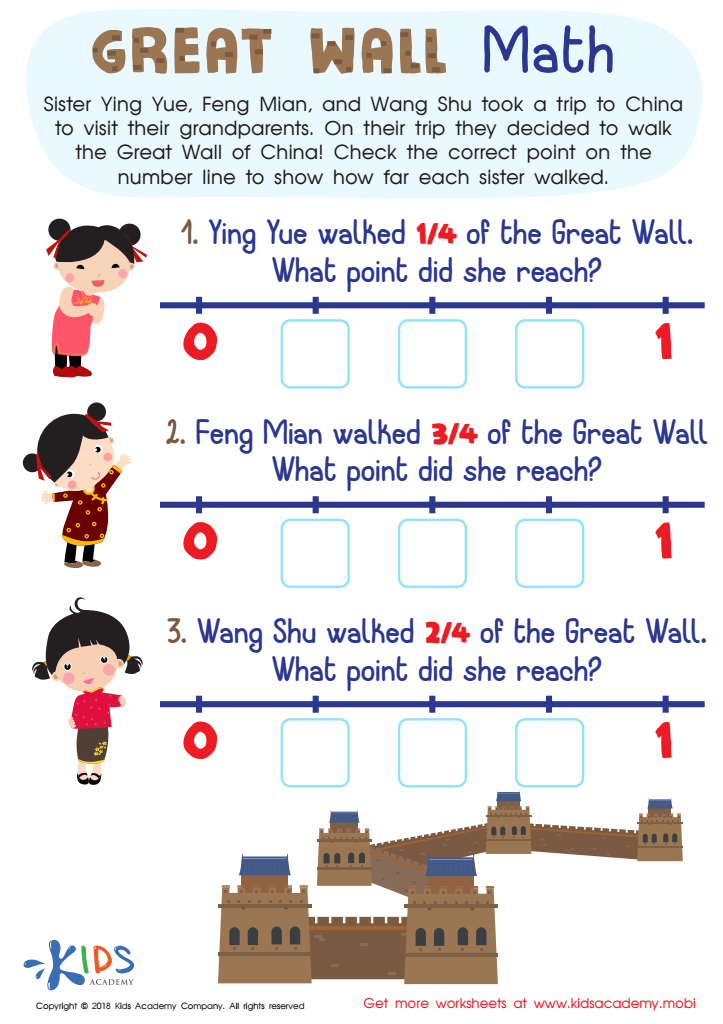
Great Wall Math Worksheet
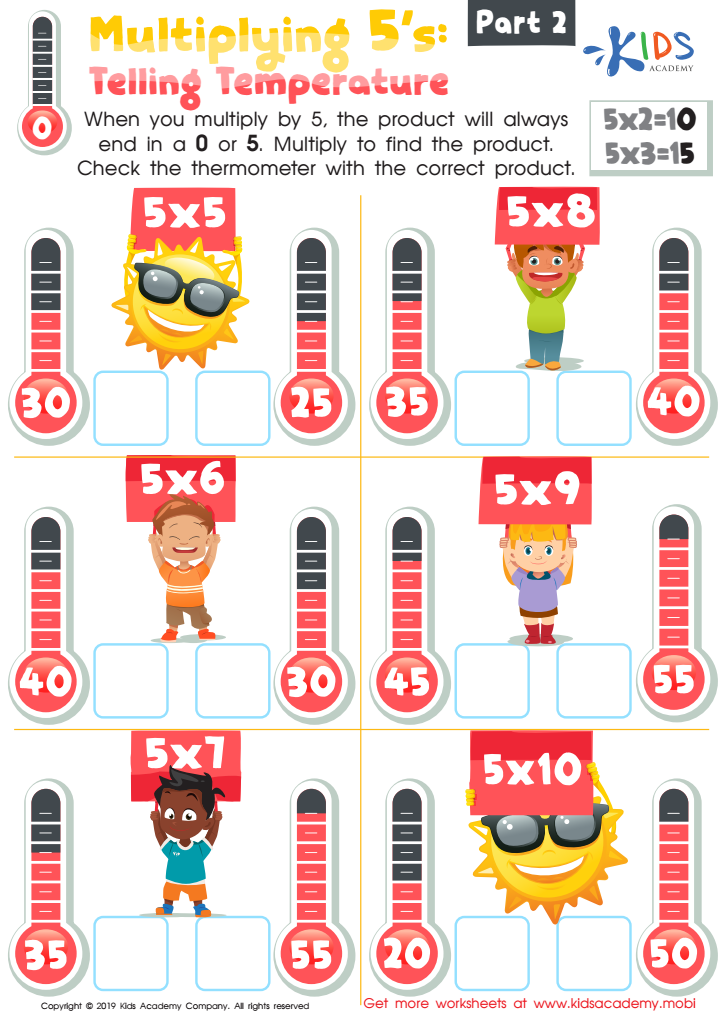
Multiplying 5’s: Telling Temperature Part 2 Worksheet
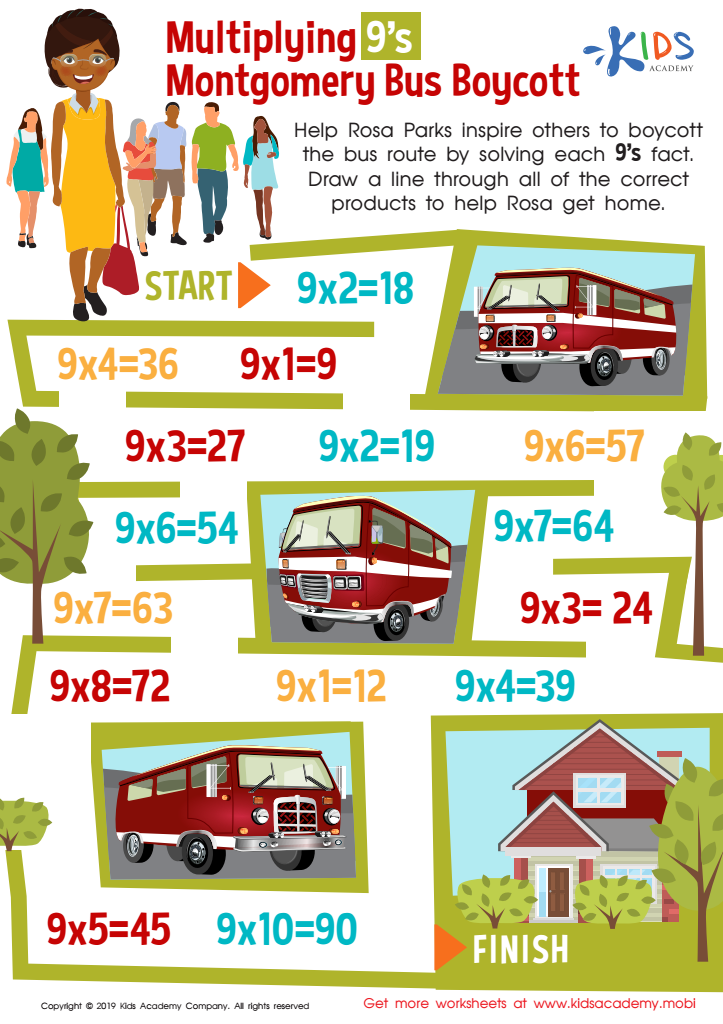
Multiplying 9’s Montgomery Bus Boycott Worksheet





%20(1).jpg)


Understanding patterns is fundamental to mathematical reasoning and critical thinking, making it essential for both parents and teachers to focus on this skill. Recognizing and analyzing patterns helps children develop logical thinking, problem-solving abilities, and a foundation for more advanced mathematical concepts.
When children learn to identify patterns, they improve their ability to predict outcomes, recognize relationships, and understand sequences—skills that are applicable in both mathematics and real-world situations. For example, recognizing numerical patterns enhances their ability to work with addition, subtraction, multiplication, and division. Furthermore, it lays the groundwork for more advanced topics such as algebra and geometry.
Pattern recognition fosters creativity and innovation, key skills in today's world. By nurturing this skill, parents and teachers empower students to approach challenges methodically and confidently. Engaging with patterns also makes learning more enjoyable and interactive, capturing children's interest and motivating them to explore mathematics further.
Ultimately, understanding patterns equips children with tools for success, encouraging a lifelong love for learning and facilitating their academic growth in all subjects, not just math. Therefore, investing in their understanding of patterns is an investment in their future educational achievements and personal development.








