Fine Motor Skills Normal Preschool Alphabet Worksheets
30 filtered results
-
From - To
Boost your preschooler’s fine motor skills with our engaging alphabet worksheets! Designed to make learning fun, these printable activities encourage little hands to develop crucial coordination through tracing, coloring, and cutting exercises. Perfect for children aged 3-5, our worksheets feature vibrant illustrations and letter recognition tasks that seamlessly blend skill-building with creativity. As learners practice writing their ABCs, they'll enhance their hand-eye coordination and dexterity, laying a strong foundation for future academic success. Explore our collection of fine motor skills normal preschool alphabet worksheets and watch your child's confidence soar in their early learning journey! Ideal for home or classroom use.
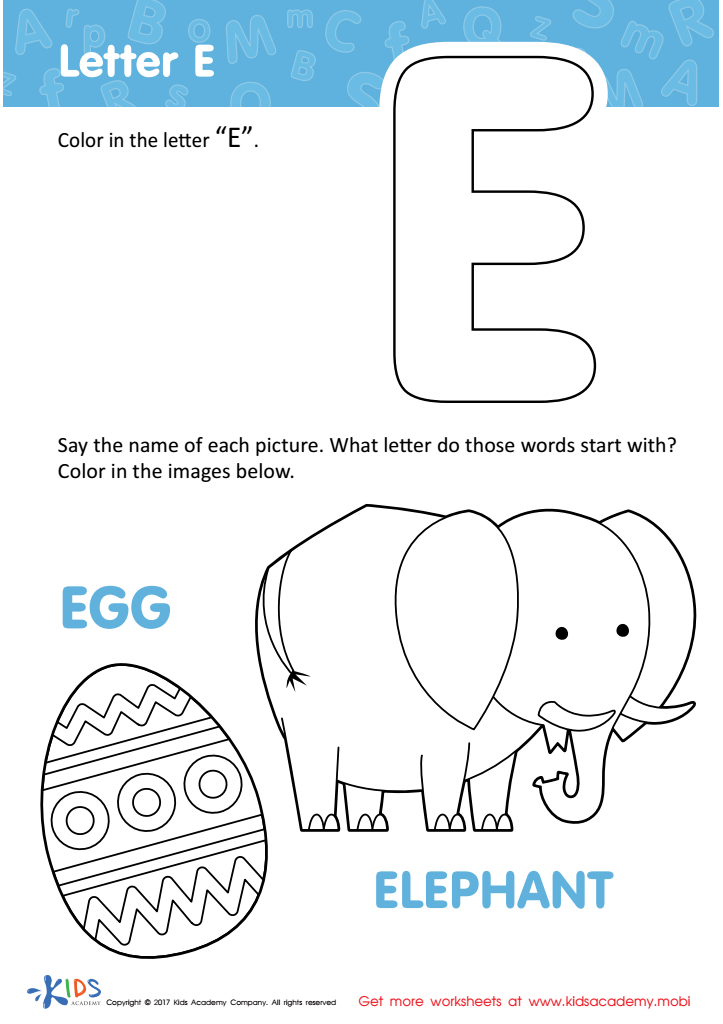
Letter E Coloring Sheet
 Assign to My Students
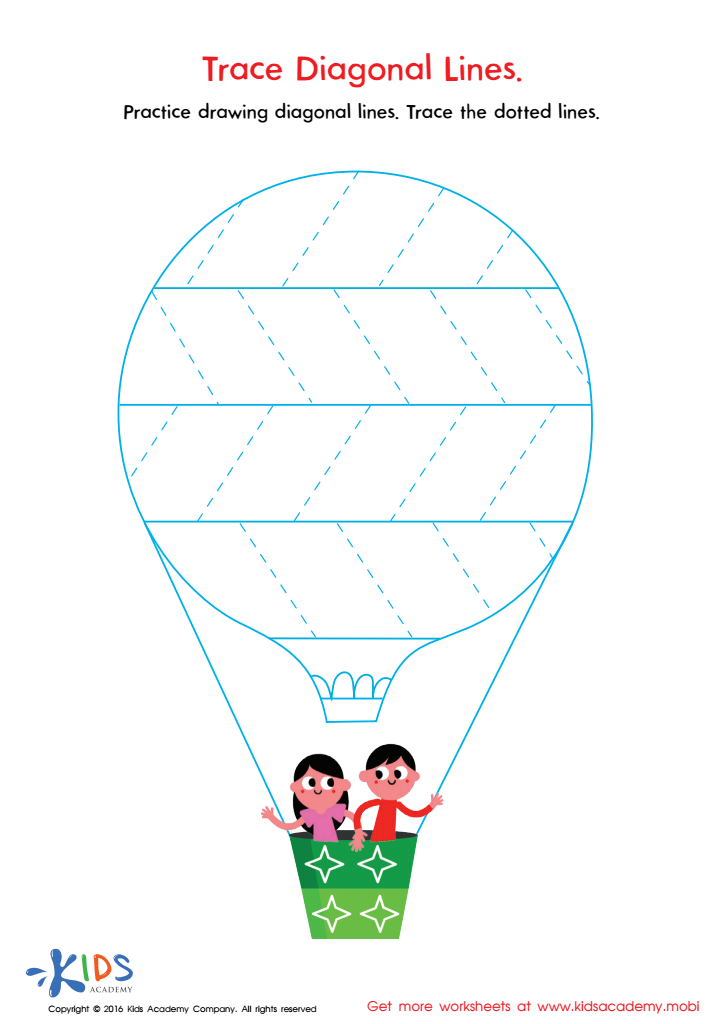
Trace Diagonal Lines Worksheet
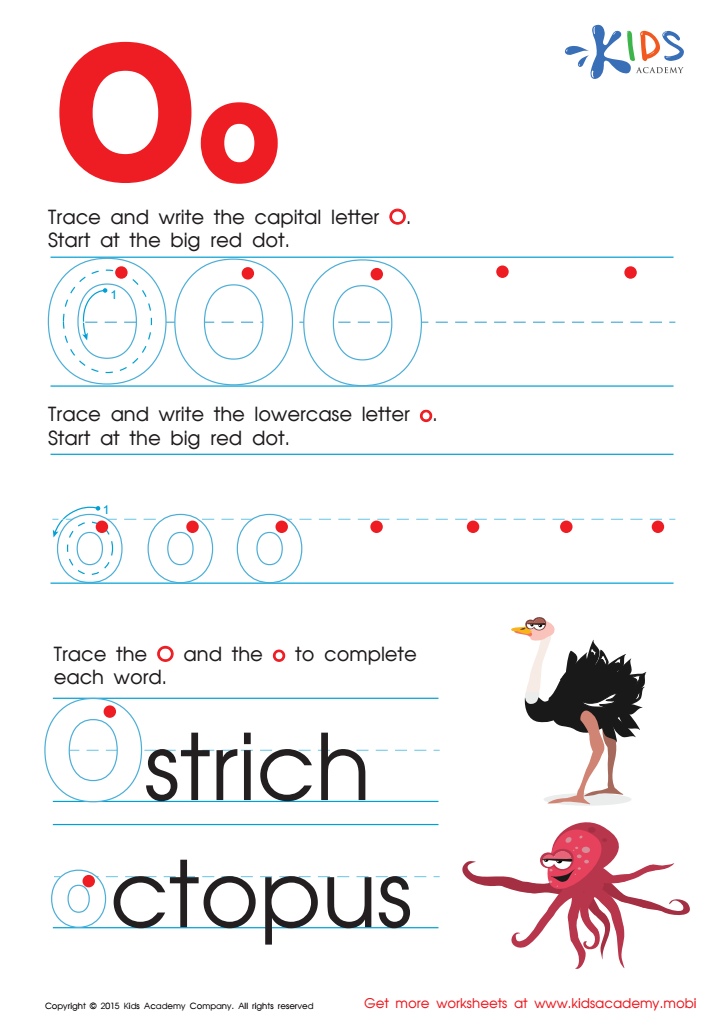
Letter O Tracing Page
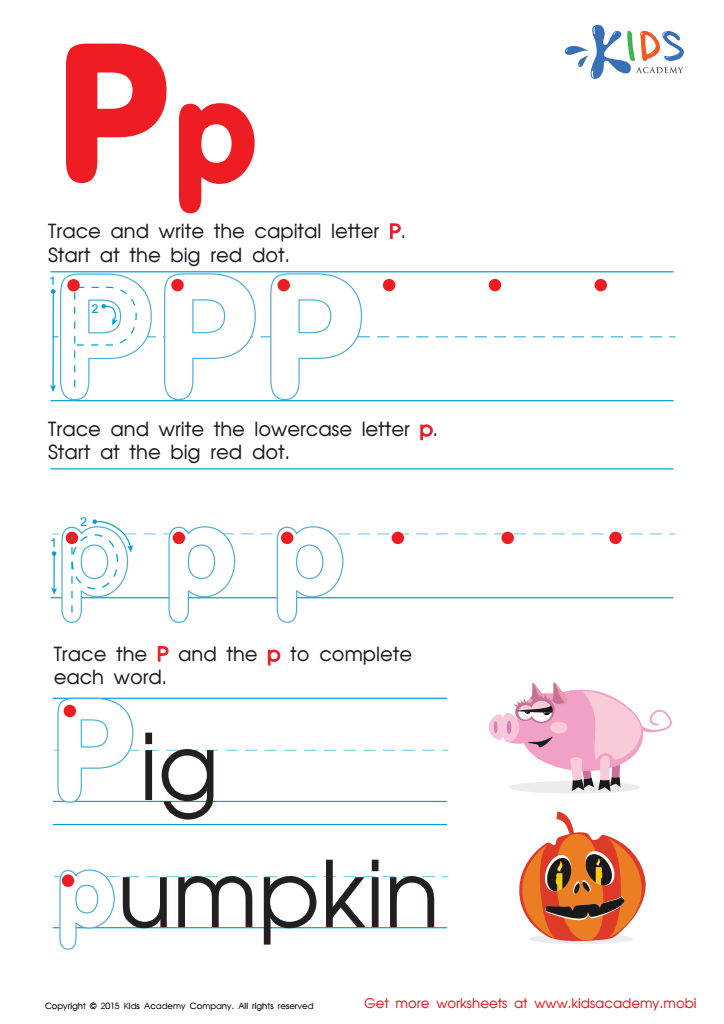
Letter P Tracing Page
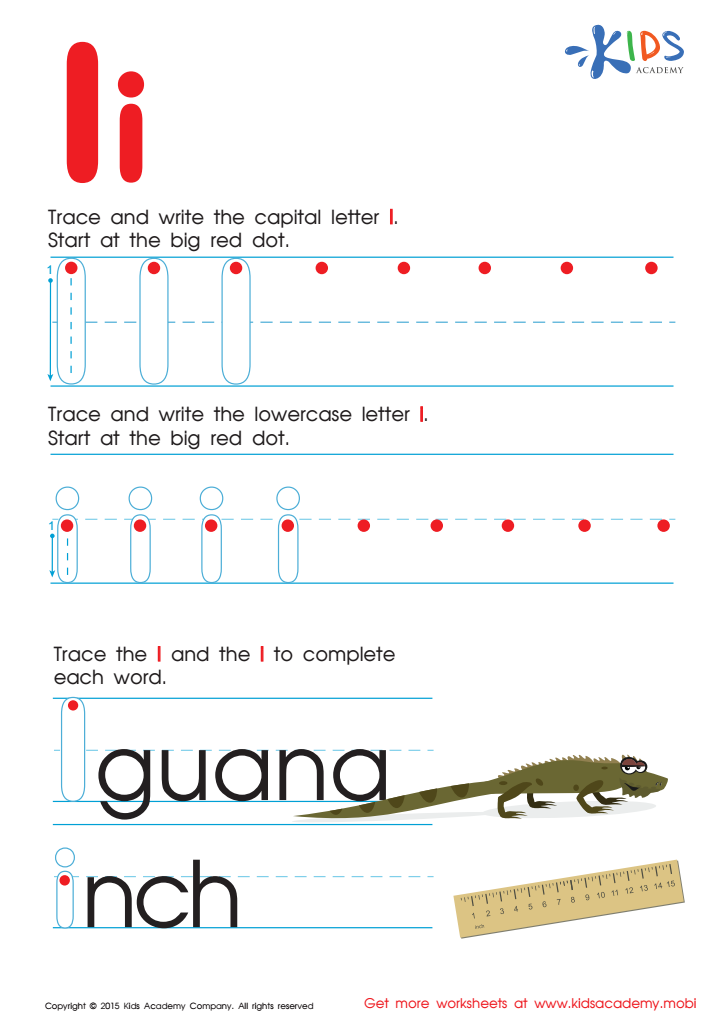
Letter I Tracing Page
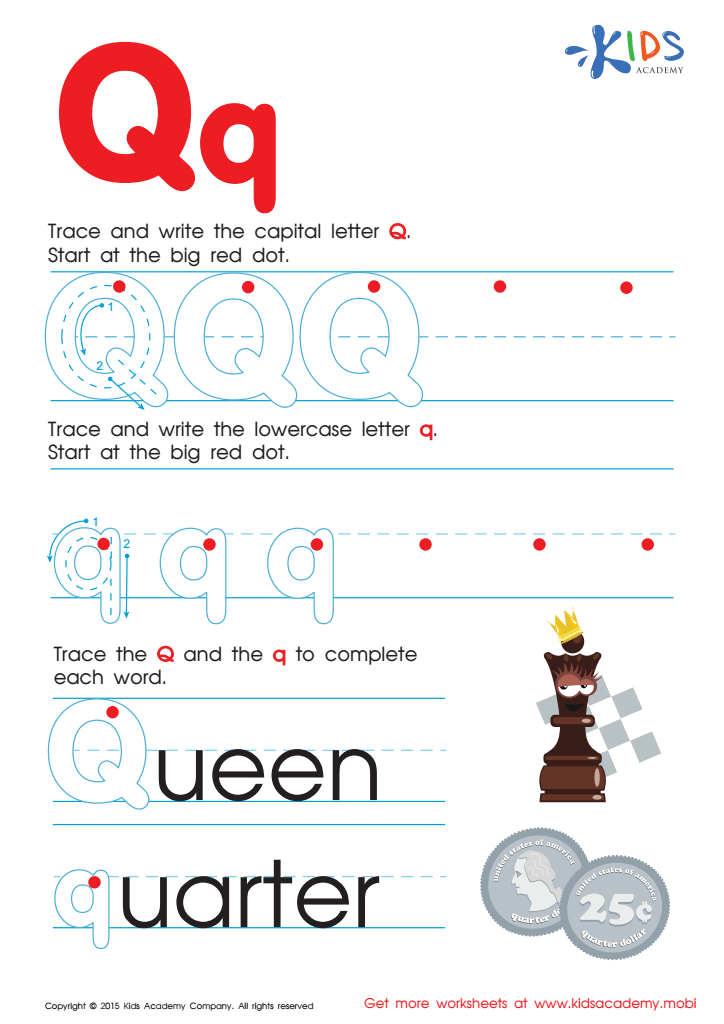
Letter Q Tracing Page
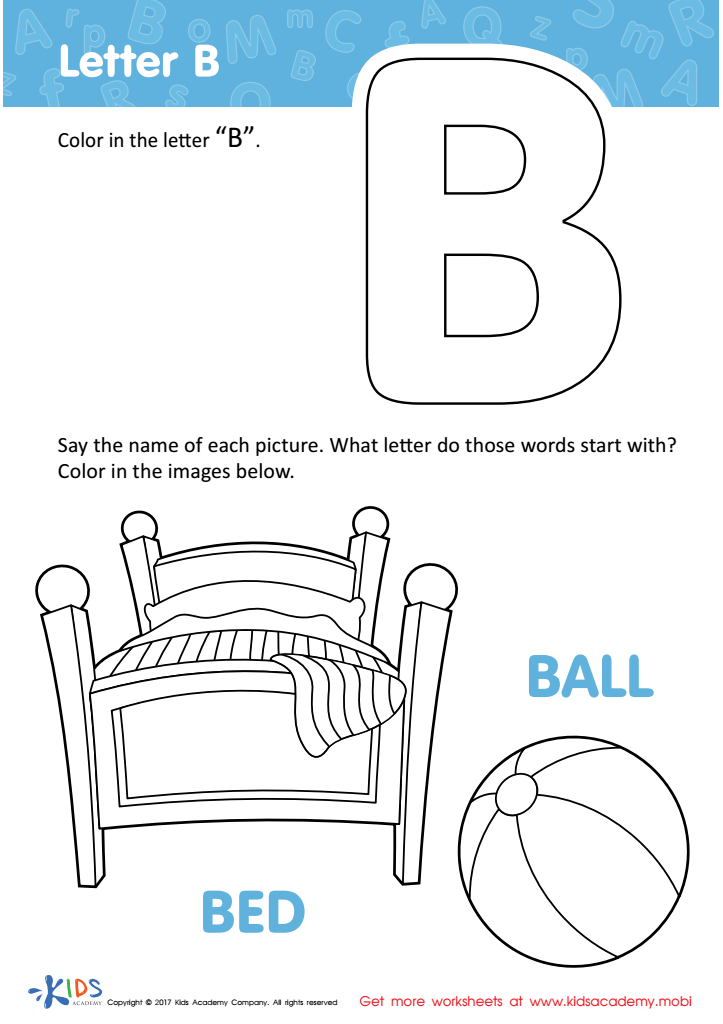
Letter B Coloring Sheet
Assign to My Students
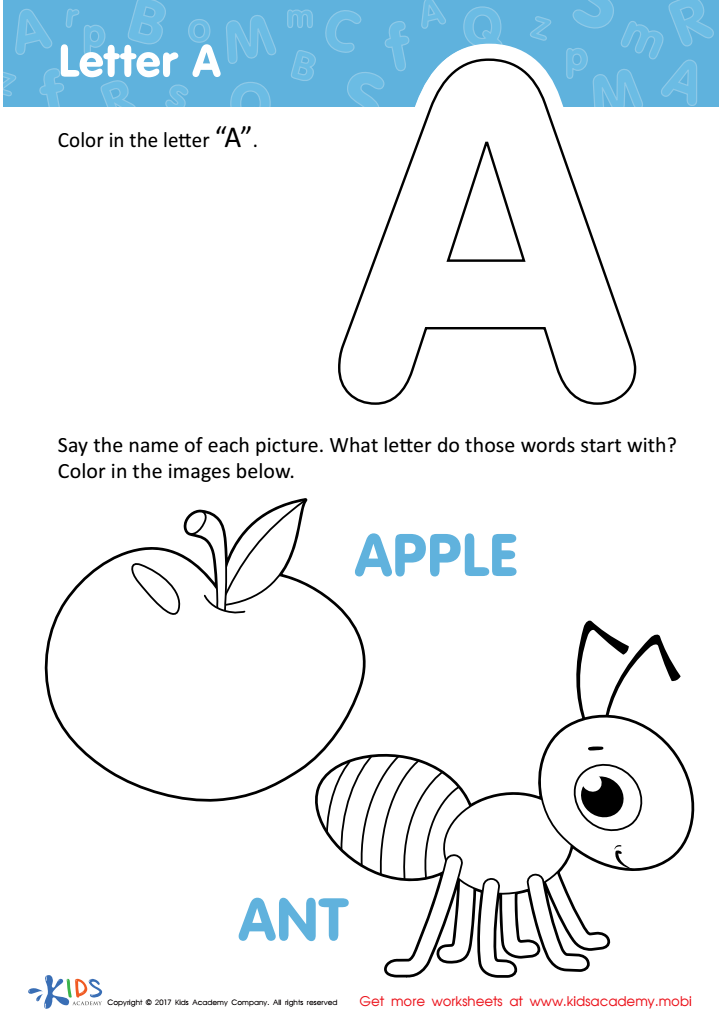
Letter A Coloring Sheet
Assign to My Students
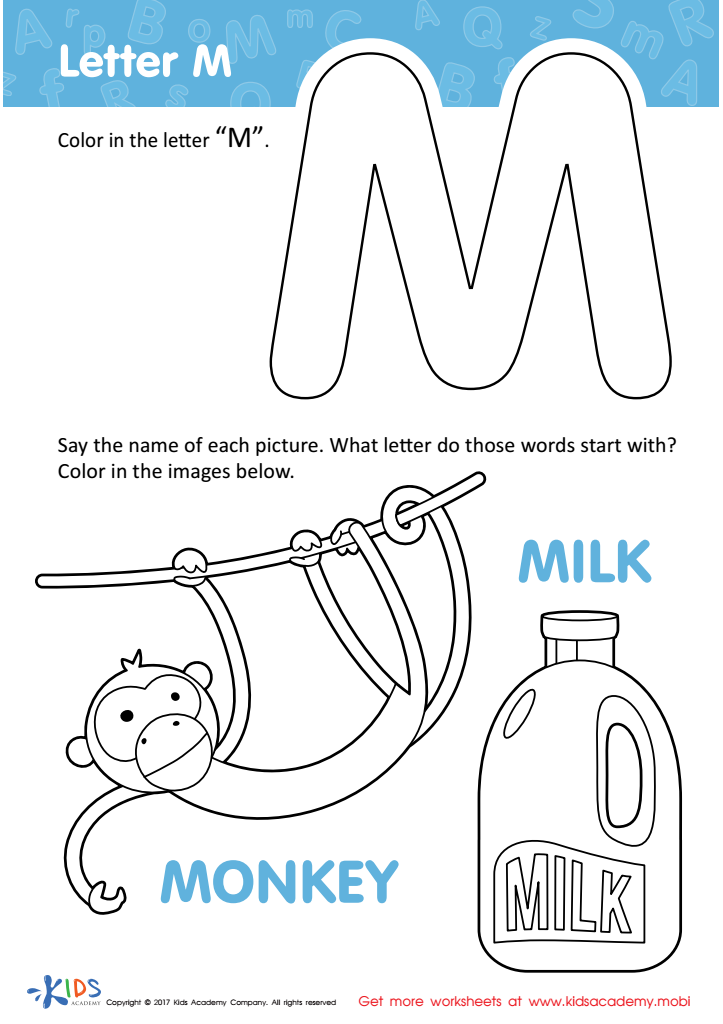
Letter M Coloring Sheet
Assign to My Students
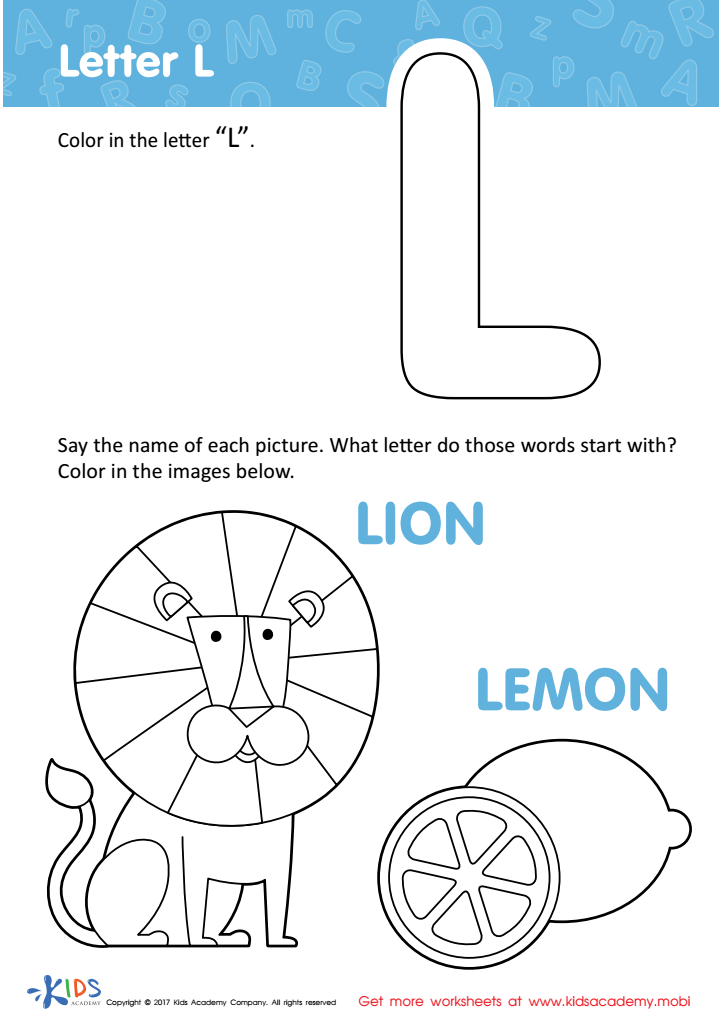
Letter L Coloring Sheet
Assign to My Students

Letter C Tracing Page
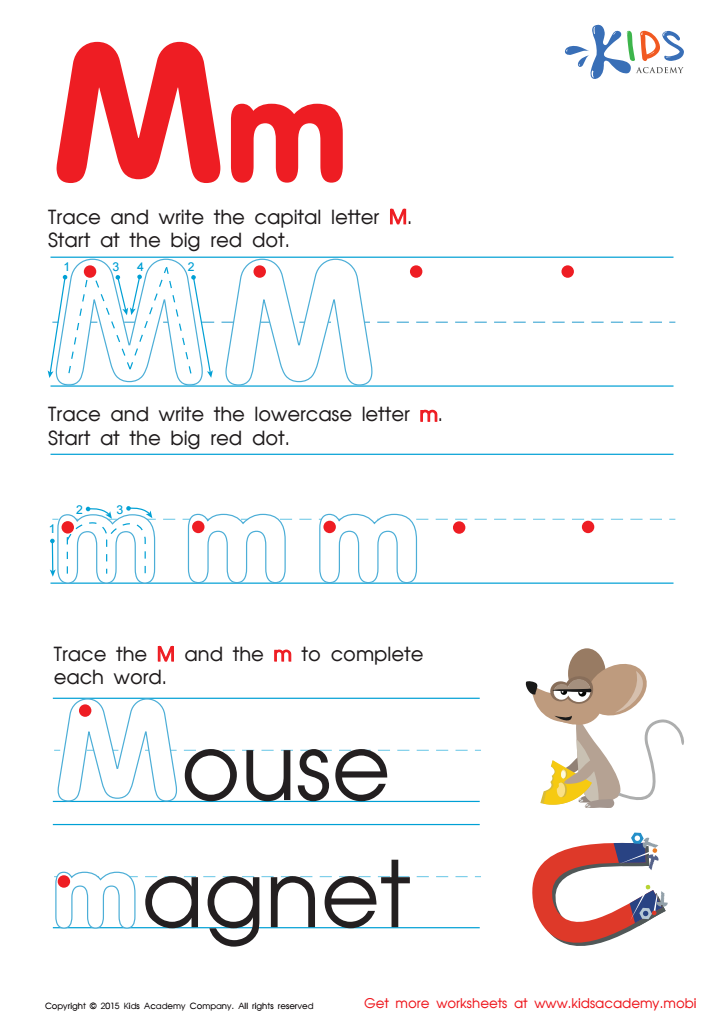
Letter M Tracing Page
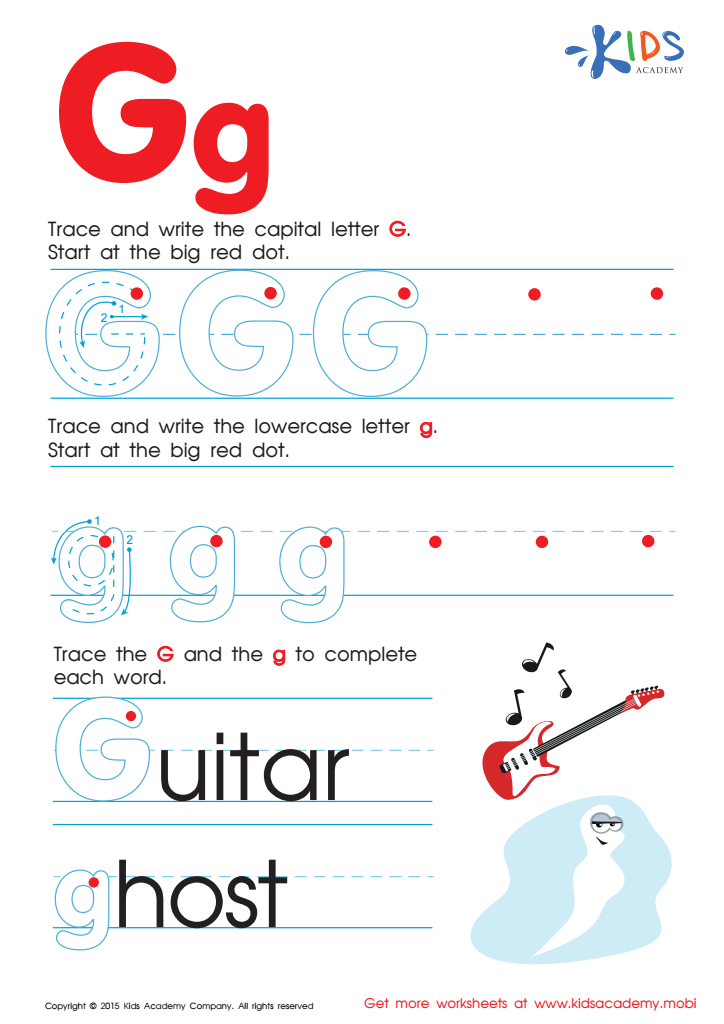
Letter G Tracing Page
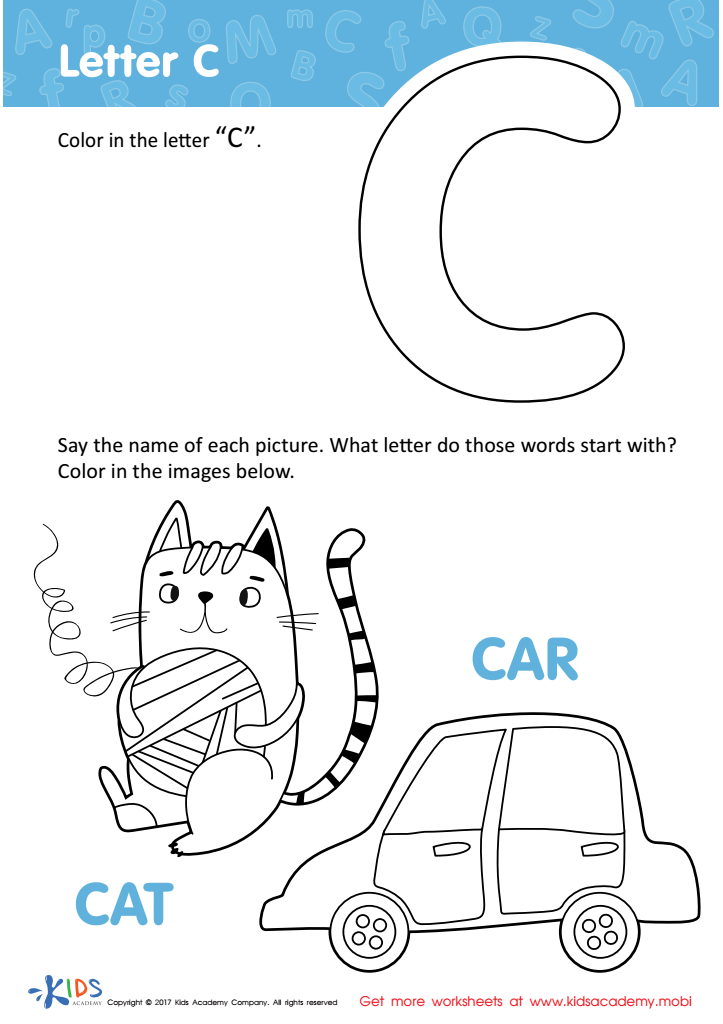
Letter C Coloring Sheet
Assign to My Students
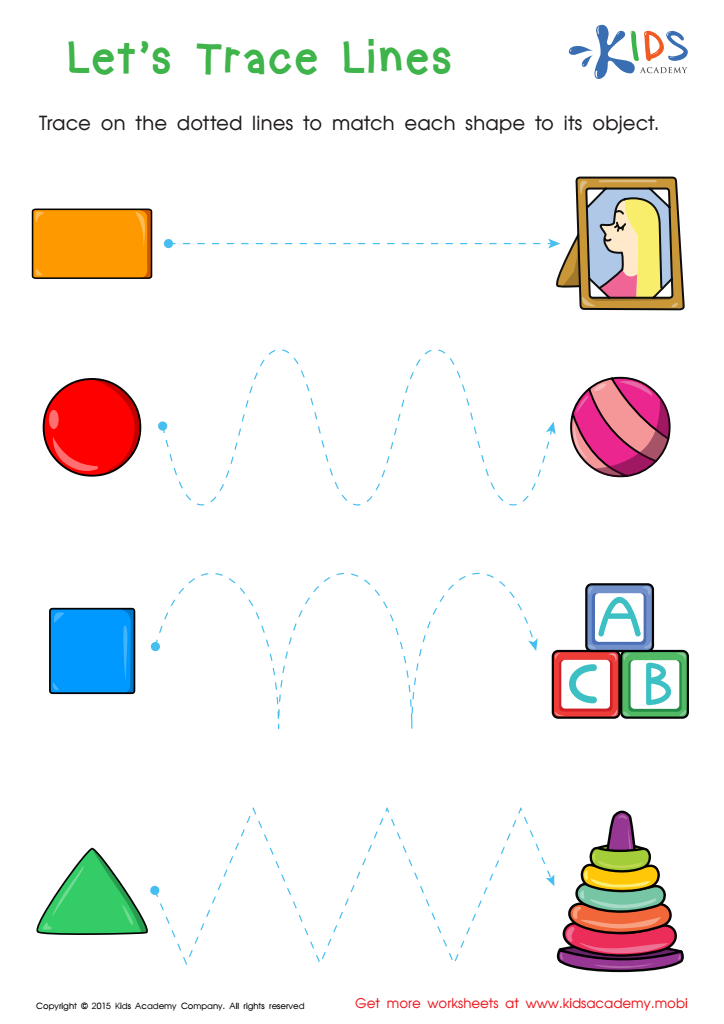
First Words: Let's Trace Lines Worksheet
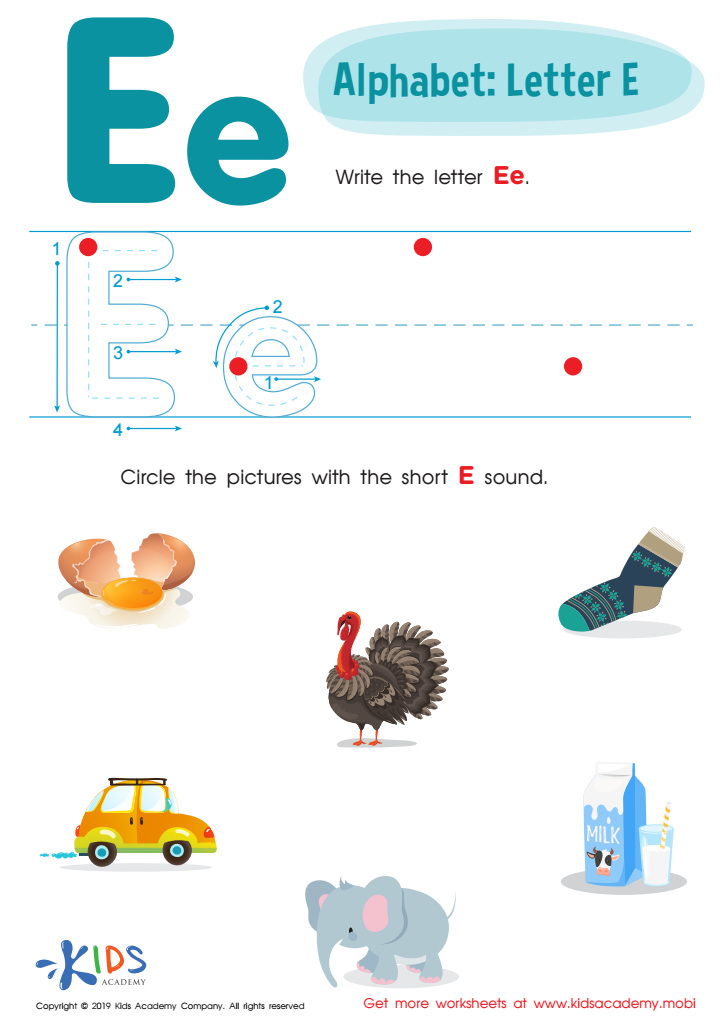
Letter E Tracing Worksheet
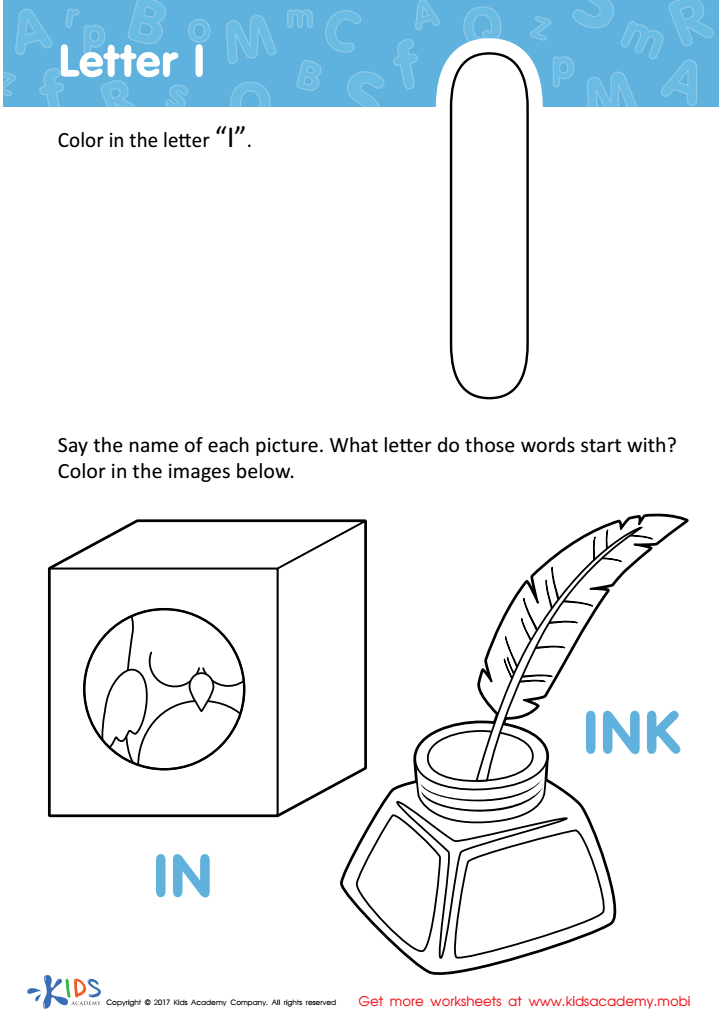
Letter I Coloring Sheet
Assign to My Students
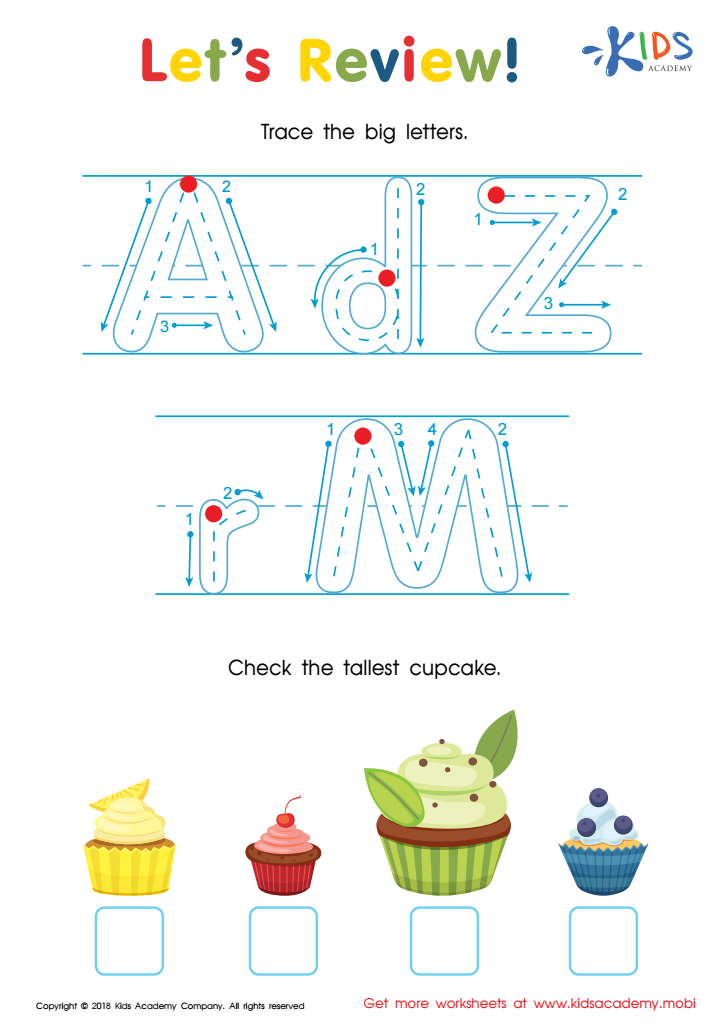
Let's Review! Big Letters Worksheet

Long and Short U Worksheet
Assign to My Students
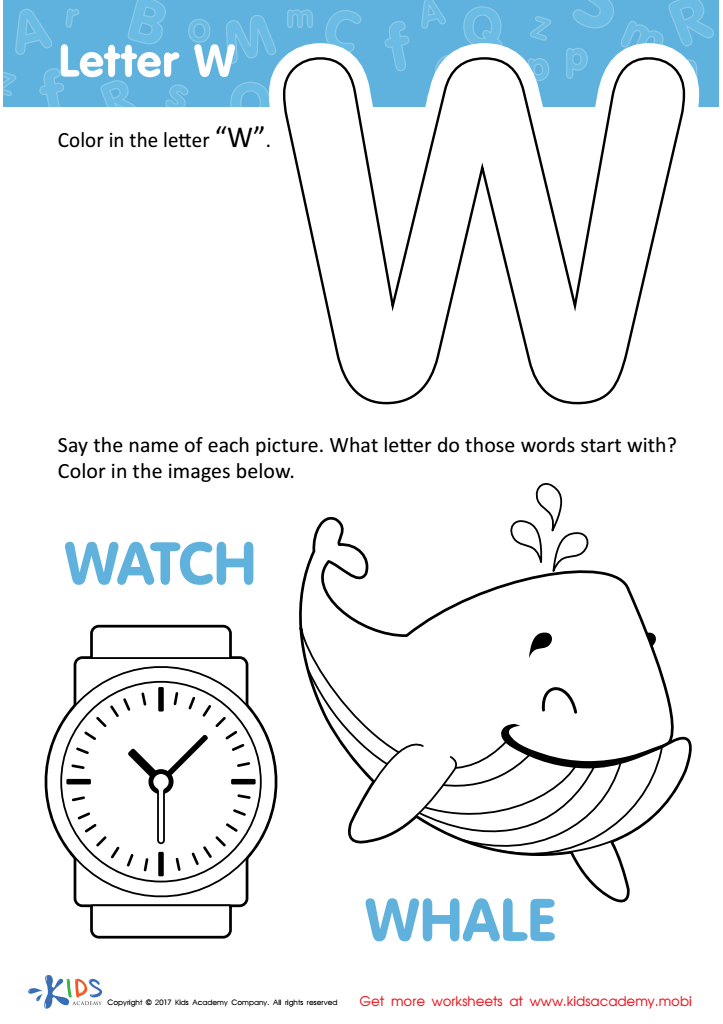
Letter W Coloring Sheet
Assign to My Students
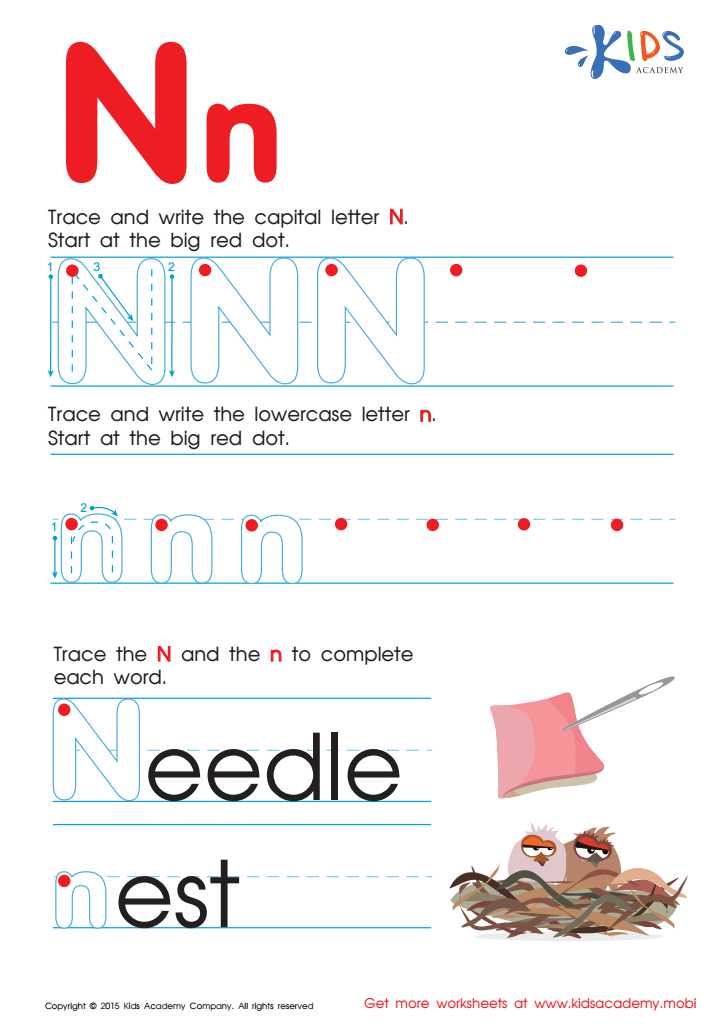
Letter N Tracing Page
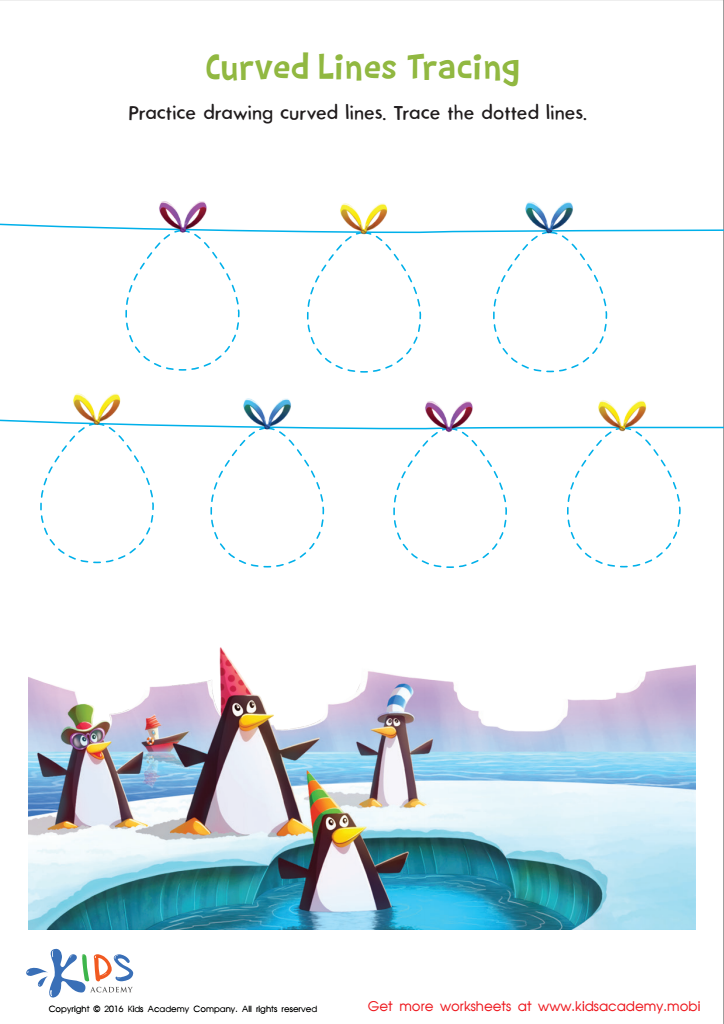
Curved Lines Tracing Worksheet

Letter E Tracing Page
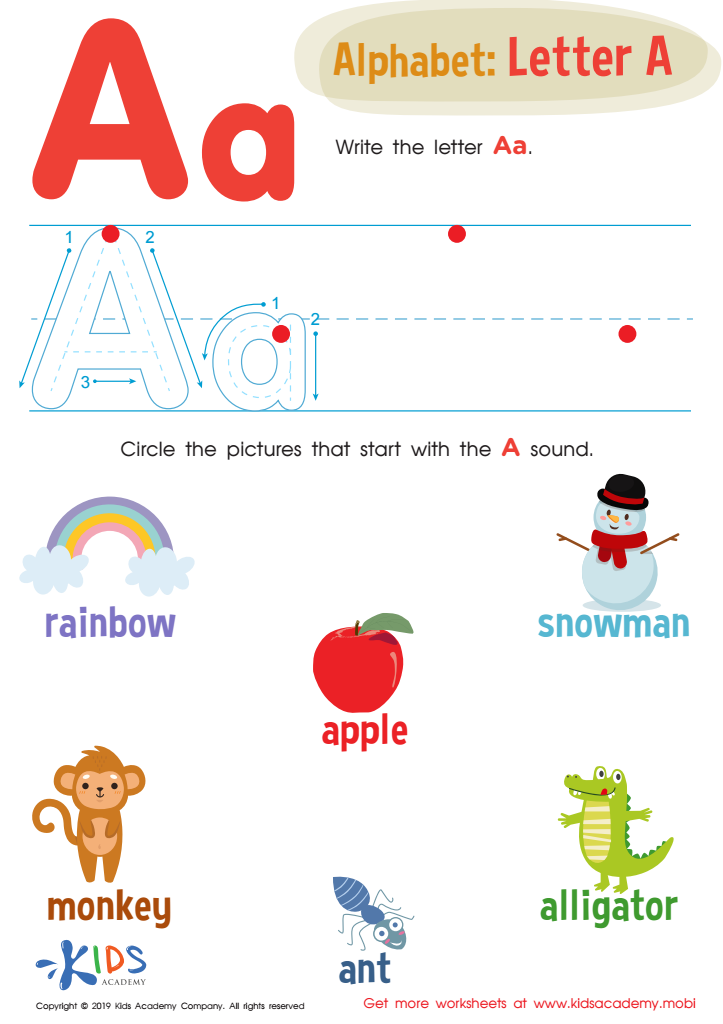
Letter A Tracing Worksheet








Fine motor skills are crucial for young children's development, particularly during preschool years, as they lay the groundwork for several essential abilities. These skills involve the coordinated movement of small muscles in the hands and fingers, enabling tasks such as writing, cutting, and manipulating small objects.
Parents and teachers should prioritize fine motor skill development, particularly from a young age where children begin learning the alphabet and other foundational concepts. Proficient fine motor skills contribute to improved handwriting, making it easier for children to express their thoughts and ideas. When children can comfortably hold and manipulate writing tools, they gain confidence in their academic abilities.
Furthermore, fine motor skills serve as a gateway to cognitive development; intricate tasks help improve focus, hand-eye coordination, and problem-solving abilities. Engaging in activities that strengthen these skills, such as tracing letters or participating in arts and crafts, allows children to explore their creativity while advancing their academic capabilities.
Therefore, fostering fine motor skills related to learning the alphabet is not merely about preparing for future writing tasks, but about enhancing overall development. Parents and teachers can significantly impact children's educational journey by prioritizing these skills, ensuring they are well-equipped for learning and future independence.