Letter recognition Normal Reading Worksheets
6 filtered results
-
From - To
Enhance your child's reading skills with our "Letter Recognition Normal Reading Worksheets"! Designed for early learners, these engaging worksheets make mastering letter recognition fun and interactive. Each worksheet features various activities, including tracing, matching, and identifying letters to strengthen foundational reading skills. Our carefully crafted materials are perfect for home or classroom use, encouraging children to recognize uppercase and lowercase letters effectively. By using these worksheets, educators and parents can foster a love for reading while ensuring a solid grasp of letter recognition. Help your child embark on their reading journey today with our expertly designed resources!
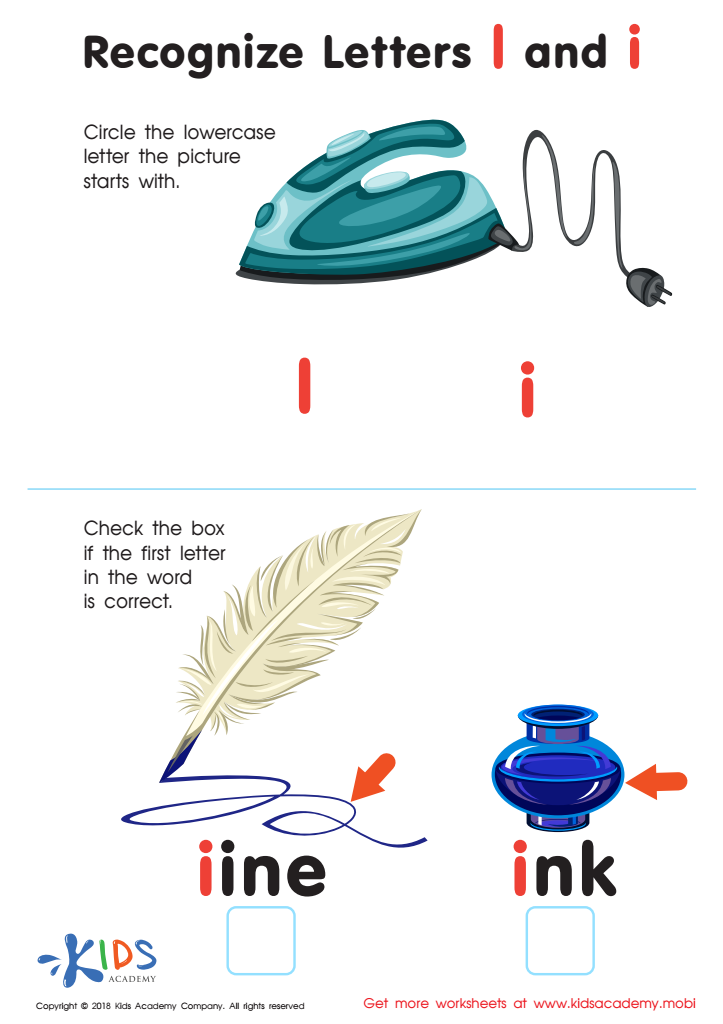
Recognize Letters l and i Worksheet
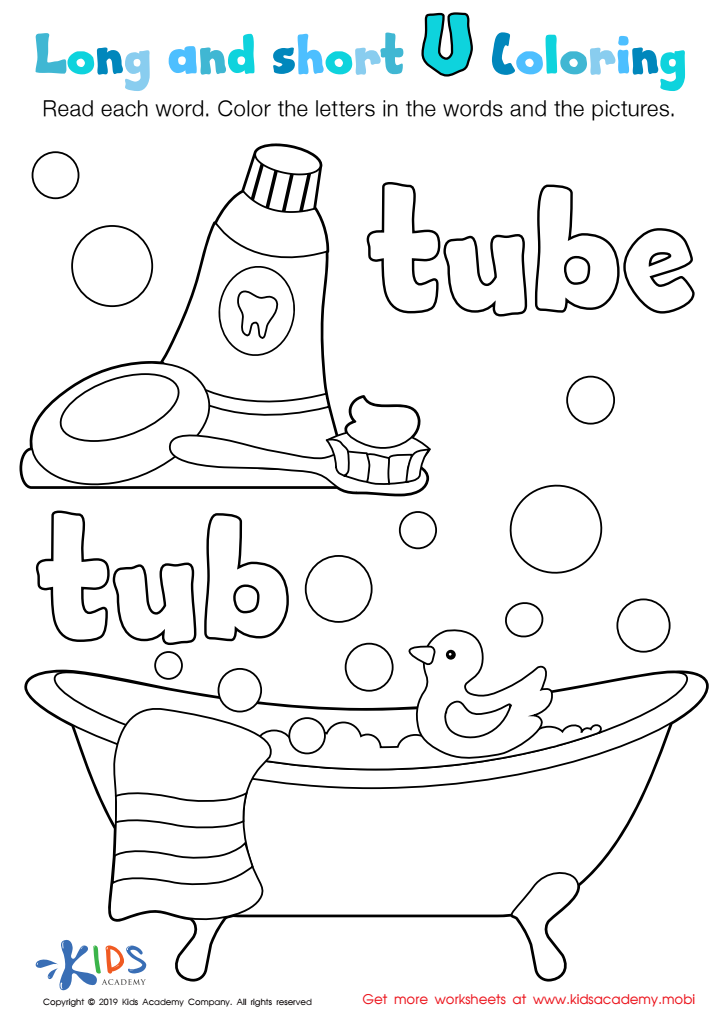
Long and Short U Worksheet
 Assign to My Students
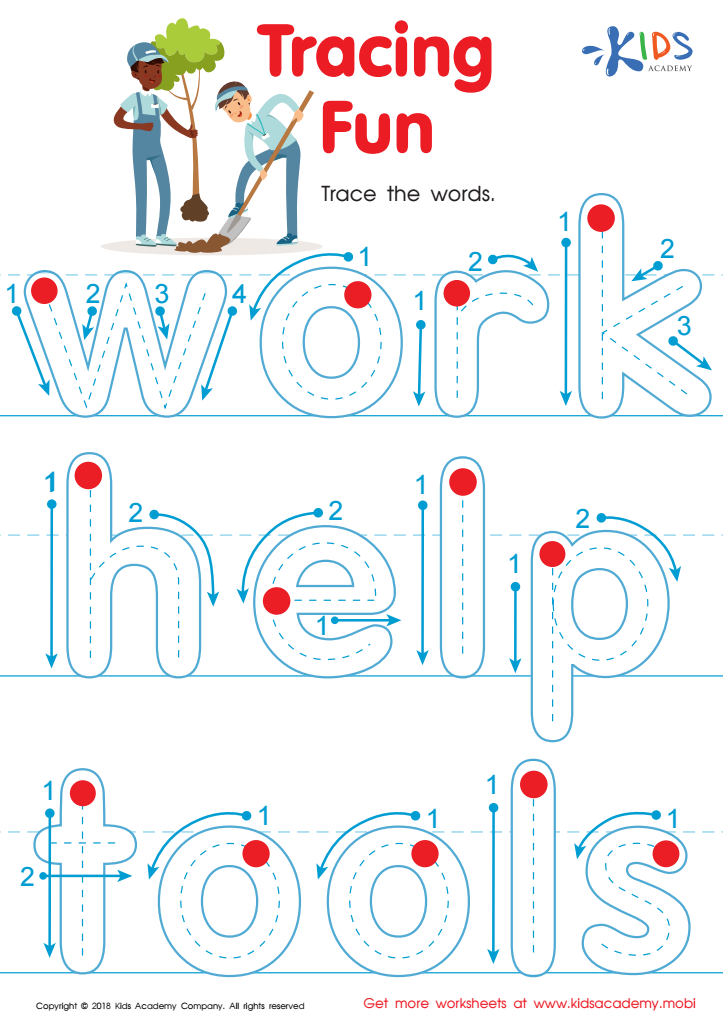
Tracing Fun Worksheet
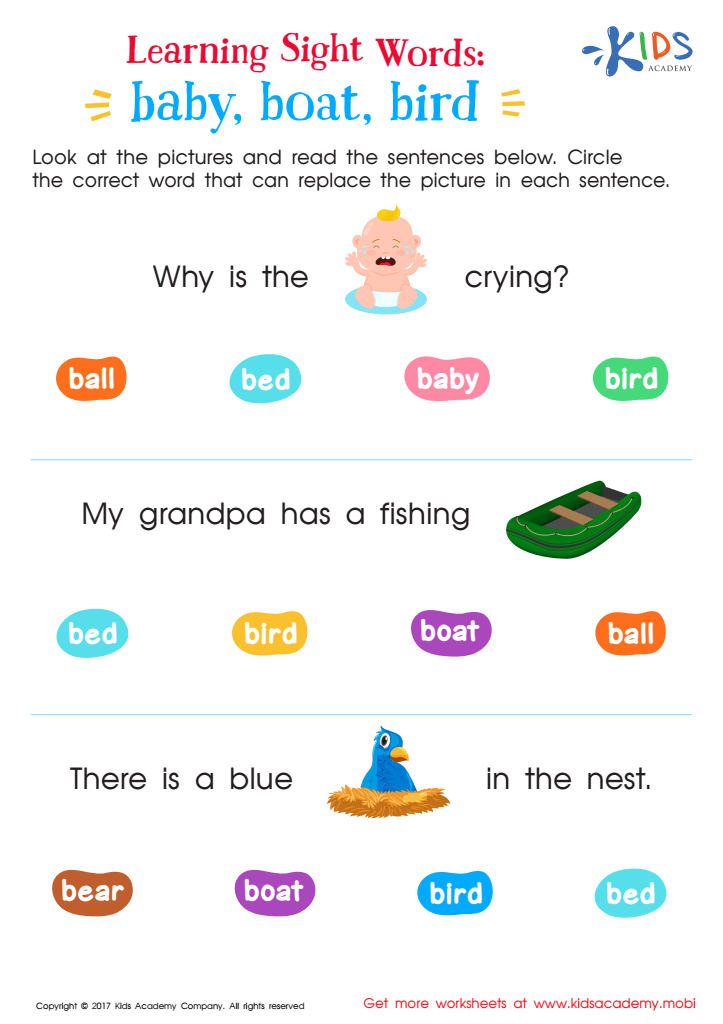
Baby, Boat, Bird Worksheet Sight Words Worksheet
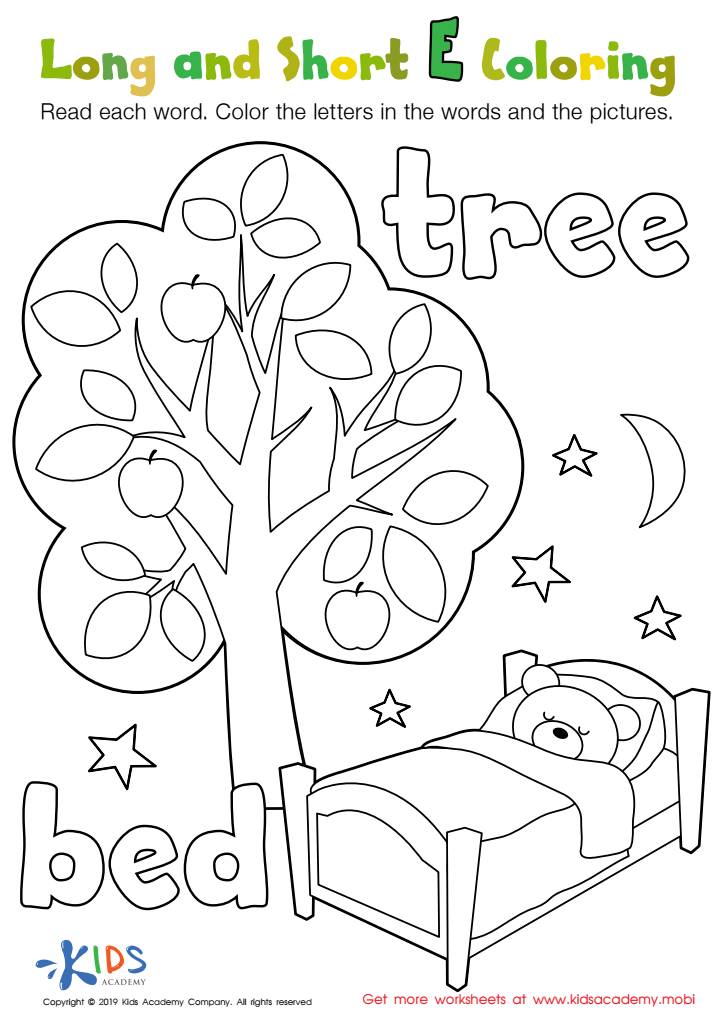
Long and Short E Worksheet
Assign to My Students
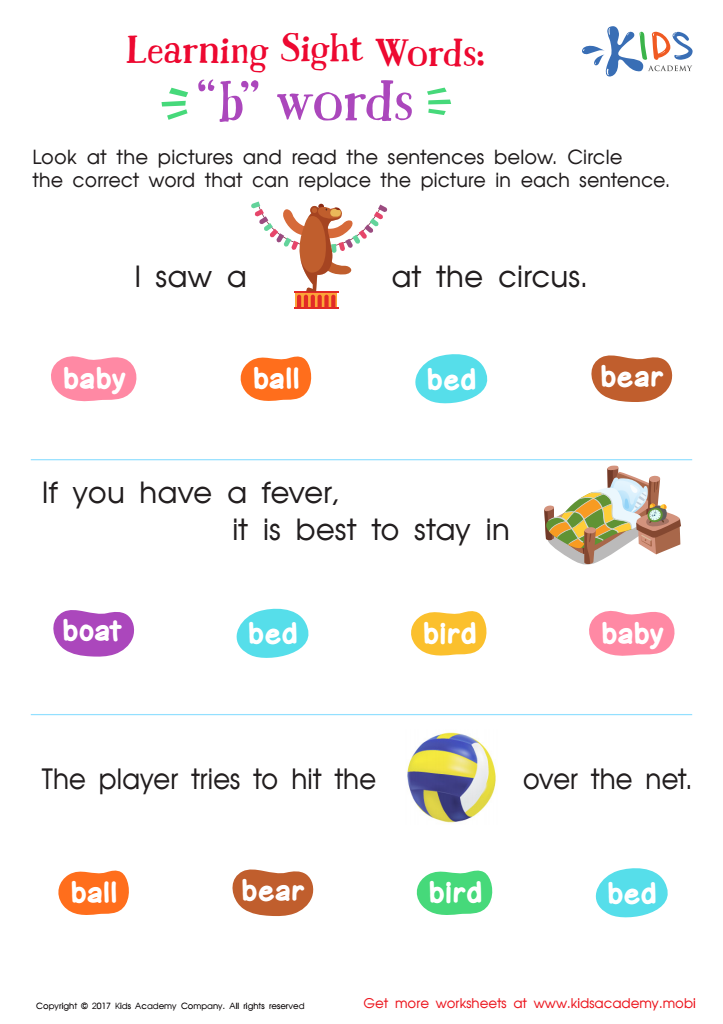
"B" Words Printable Sight Words Worksheet






Letter recognition is a foundational skill essential for early reading development. Parents and teachers should prioritize this skill because it sets the groundwork for a child's ability to decode words and understand texts. Recognizing letters helps children connect sounds with their corresponding symbols, fostering phonemic awareness—the ability to hear, identify, and manipulate phonemes. This clarity in letter recognition aids vocabulary development as children start to recognize familiar words in text.
Moreover, early mastery of letter recognition leads to increased confidence in reading, encouraging a love for literature and learning. Children who struggle with identifying letters may experience frustration and disengagement from reading, affecting their overall academic performance. By nurturing this skill, adults can create a more supportive environment, promoting not just literacy but also critical thinking skills.
Furthermore, letter recognition can serve as an important metric for tracking a child's developmental progress. Early intervention can prevent potential learning difficulties and provide children with the strategies needed to succeed in school and beyond. Ultimately, by placing emphasis on letter recognition, parents and teachers empower children with the tools they need to navigate the literacy-rich world around them.








