Vocabulary improvement Normal Reading Worksheets
3 filtered results
-
From - To
Discover the engaging world of vocabulary improvement with our Normal Reading Worksheets! Designed for young learners, these printable resources provide fun and interactive activities that encourage students to expand their word knowledge. Each worksheet is tailored to help children practice spelling, definitions, and usage, enhancing their reading comprehension skills. Ideal for classroom or at-home learning, our vocabulary worksheets cater to various reading levels, ensuring all kids can participate and grow. With colorful illustrations and motivating exercises, your child will develop a love for words and gain confidence in their reading abilities. Start their vocabulary journey today!
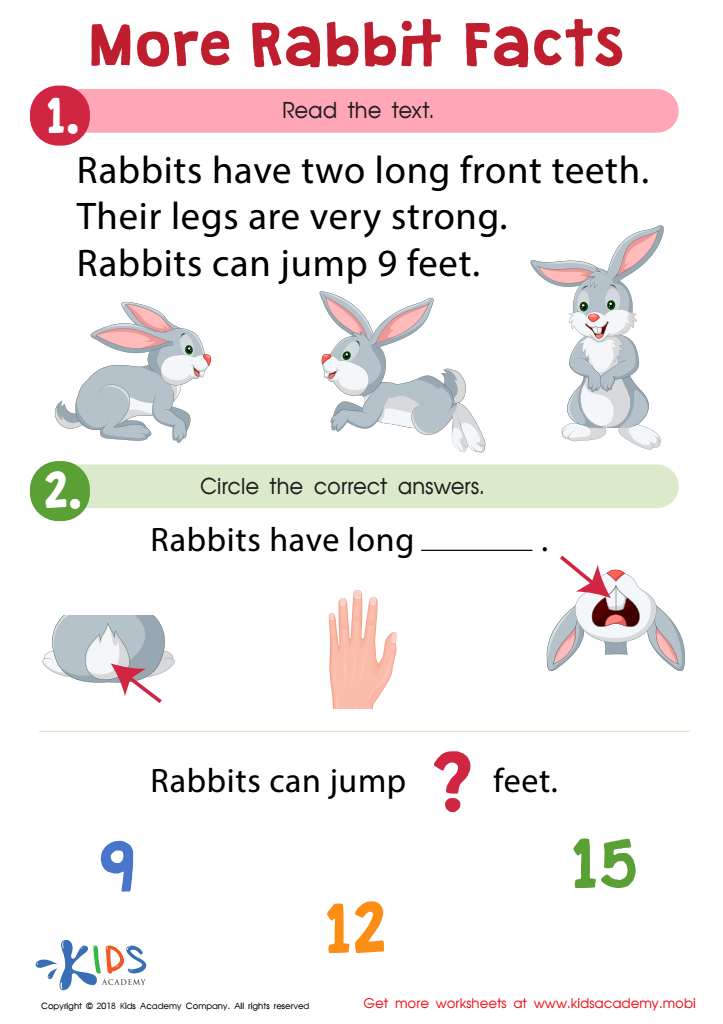
More Rabbit Facts Worksheet
 Assign to My Students
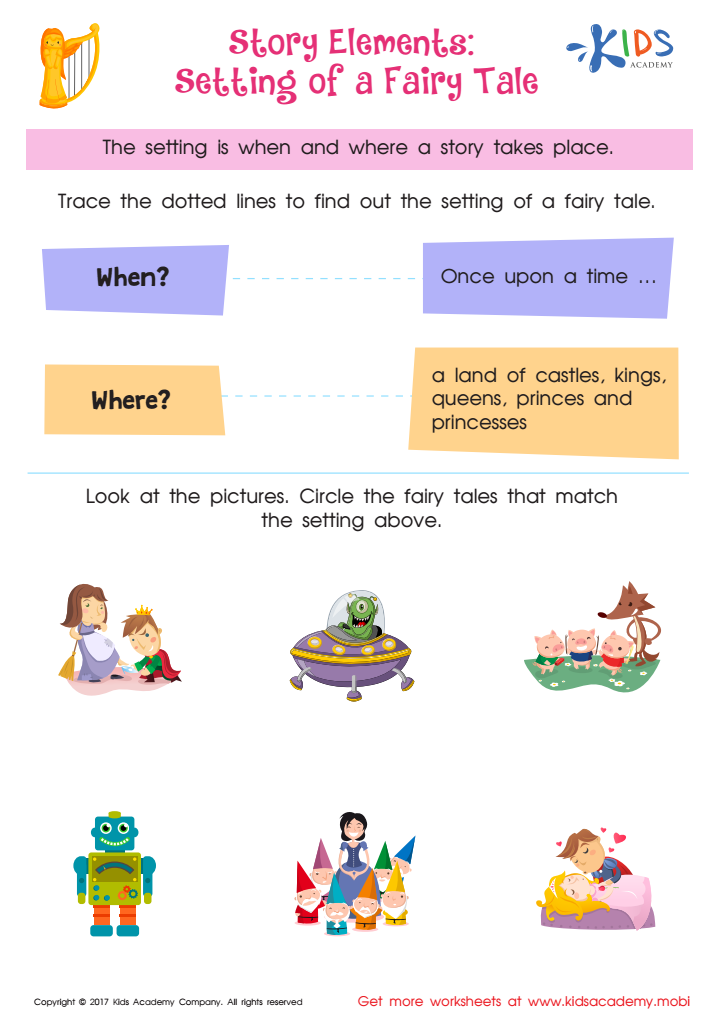
Story Elements: Setting of a Fairy Tale Printable
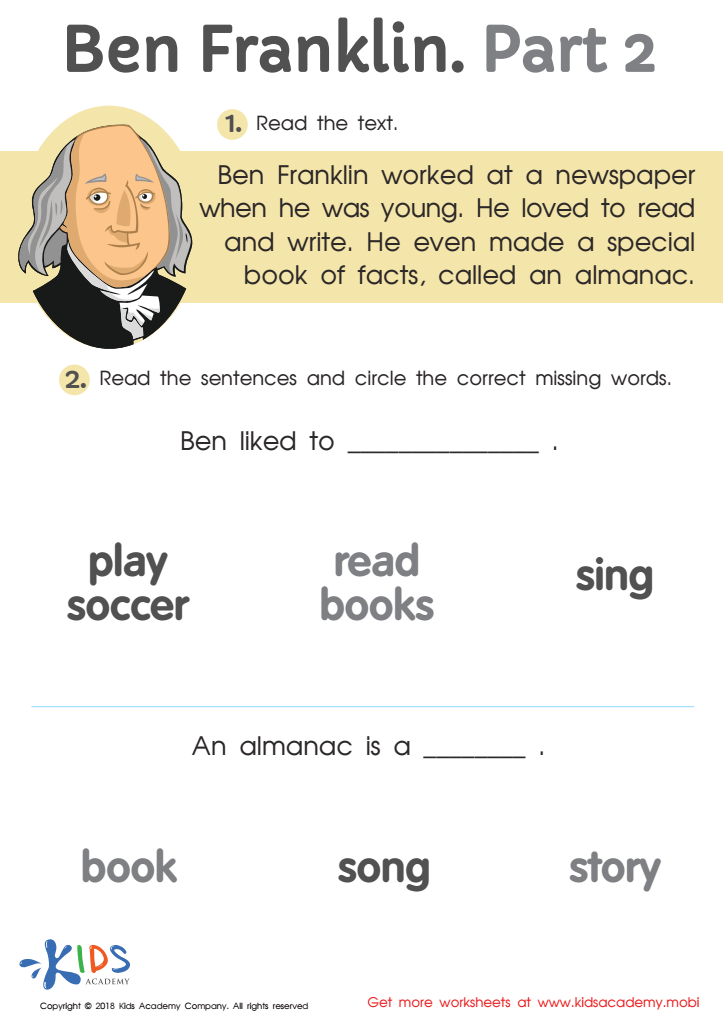
Ben Franklin Part 2 Worksheet








Vocabulary improvement is critical in early education as it lays the foundation for effective communication and comprehension. When children enhance their vocabulary, they acquire the tools necessary to express their thoughts, emotions, and ideas clearly. This capability fosters confidence and encourages active participation in discussions, which is essential for learners' social and academic development.
By improving vocabulary, children experience a deeper understanding of texts they read. This understanding boosts reading comprehension, enabling them to derive meaning from content across various subjects. Additionally, a robust vocabulary helps students grasp complex concepts, making them more adept learners.
For parents and teachers, focusing on vocabulary development can lead to brighter educational outcomes. Children with larger vocabularies tend to excel in standardized tests, have higher academic achievement, and experience fewer behavioral issues in the classroom. Furthermore, engaging in vocabulary-building activities fosters a love for reading, making learning enjoyable and exciting.
Ultimately, nurturing vocabulary growth equips children with essential skills for future learning, career prospects, and personal interactions. Supporting vocabulary development should be a priority for educational stakeholders to cultivate competent, confident, and enthusiastic learners poised for long-term success.








