Critical Thinking Normal Reading Fiction Worksheets - Page 2
35 filtered results
-
From - To
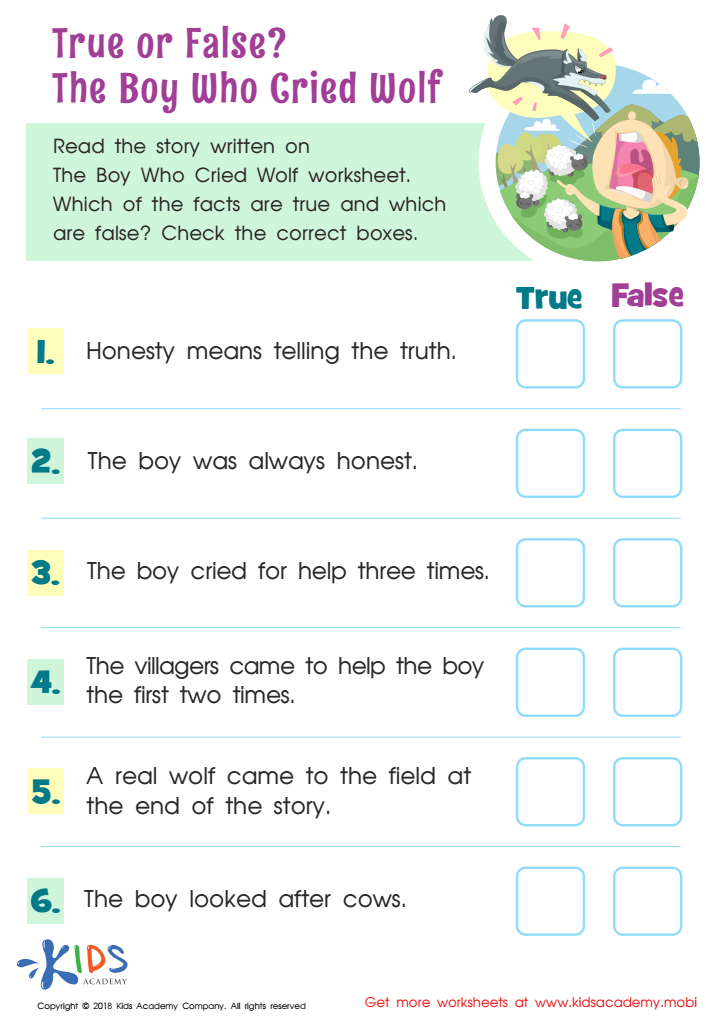
True or False? The Boy Who Cried Wolf Worksheet
 Assign to My Students
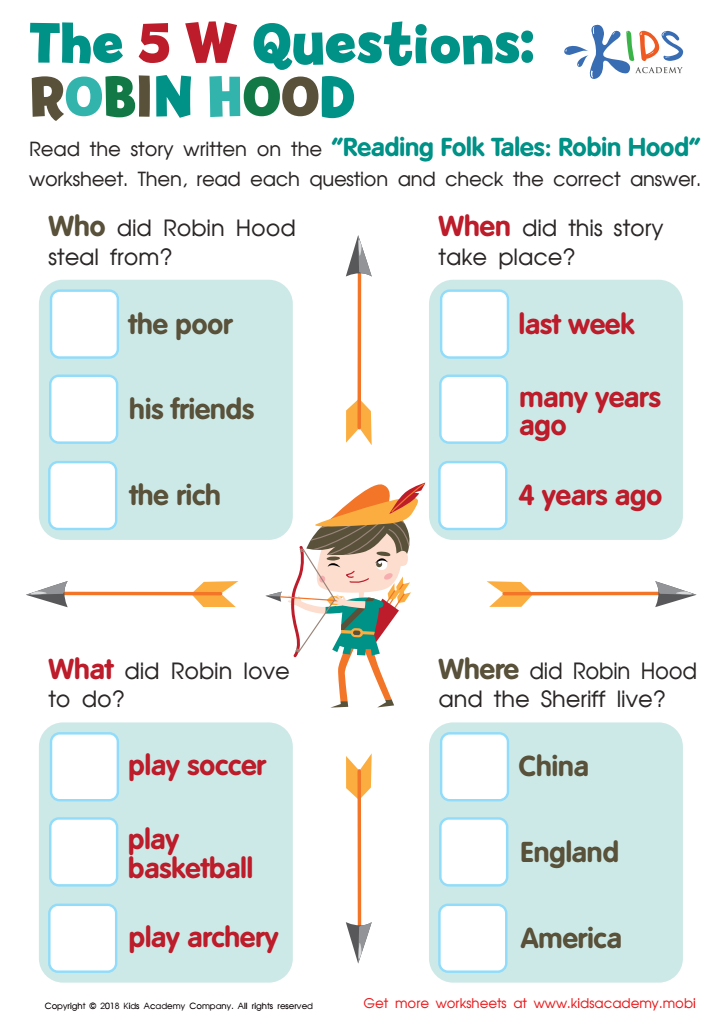
The 5 W Questions: Robin Hood Worksheet
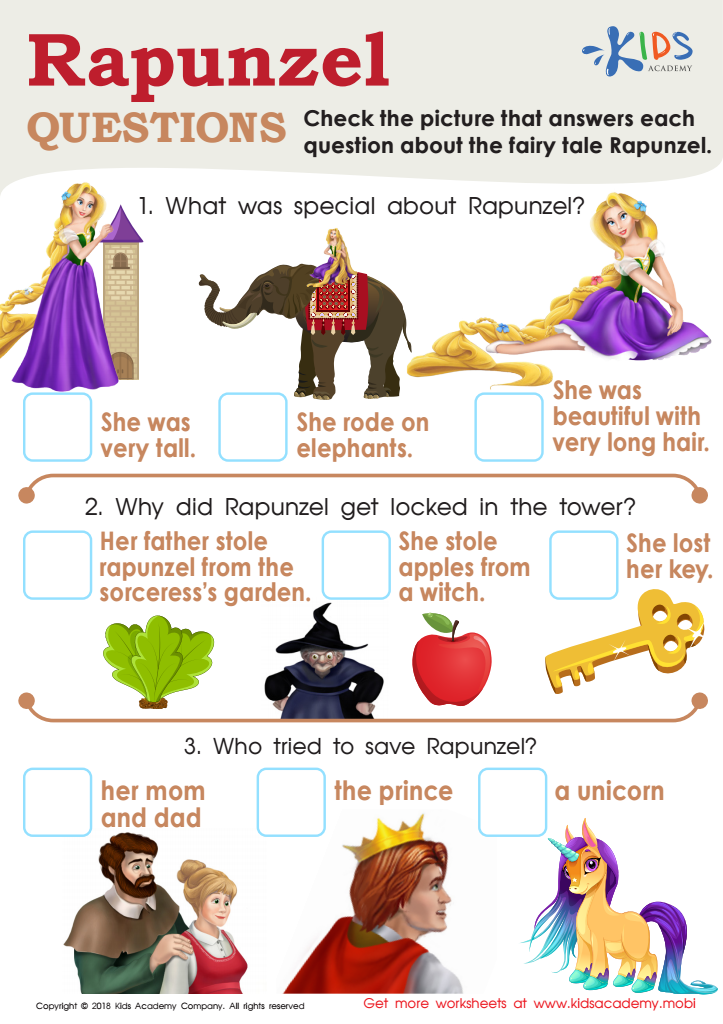
Rapunzel Questions Worksheet
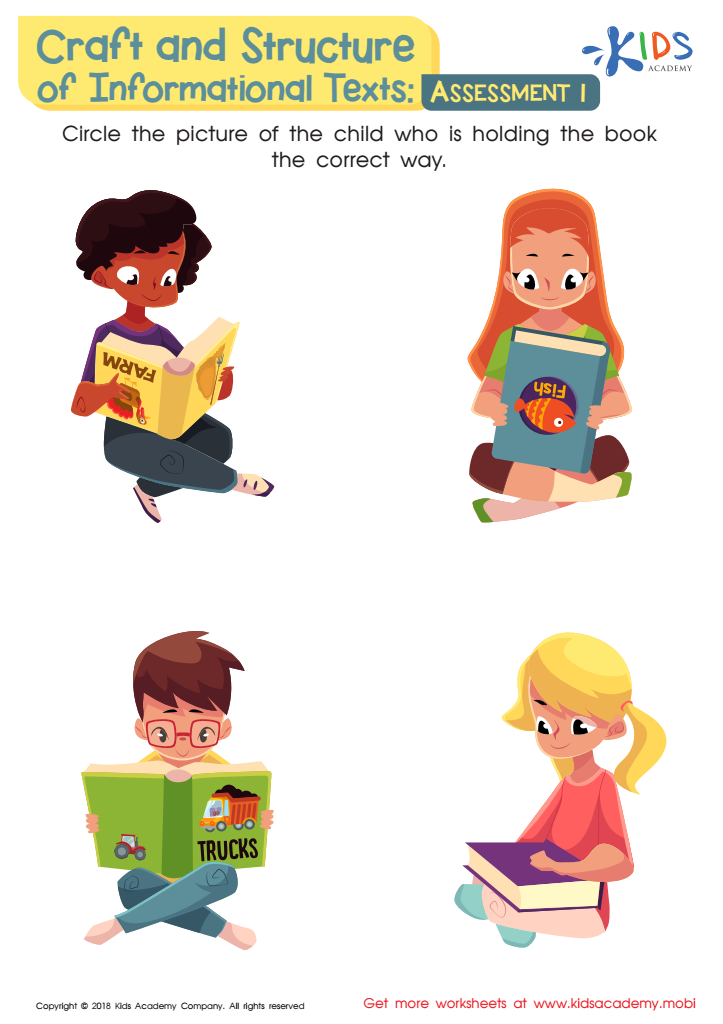
Craft and Structure of Informational Texts: Assessment 1 Worksheet
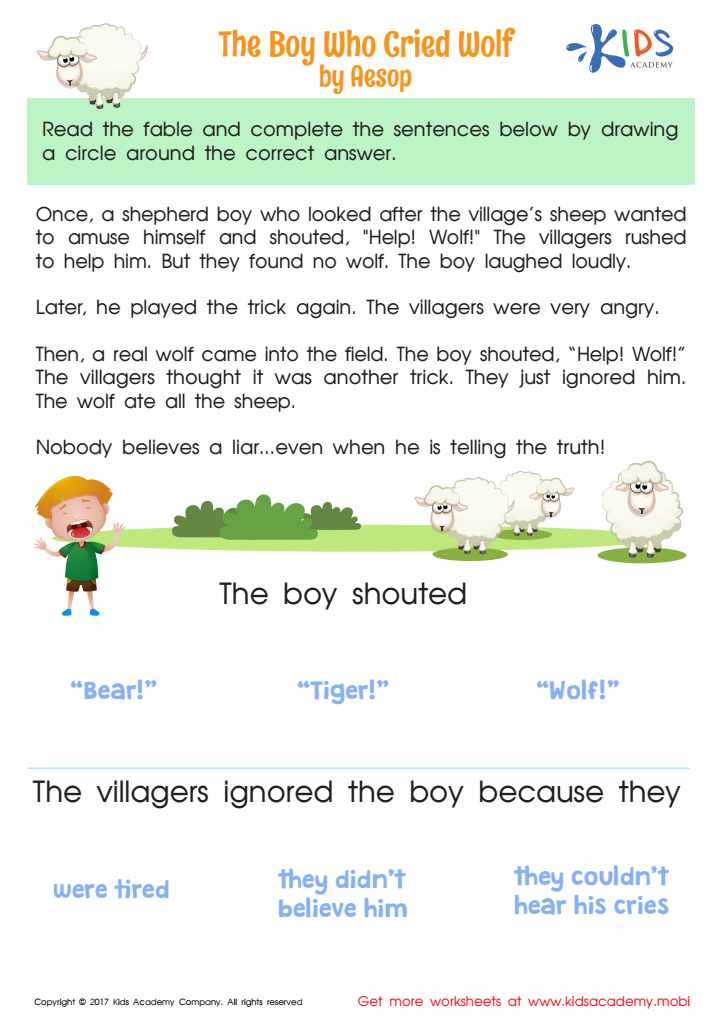
The Boy Who Cried Wolf Worksheet
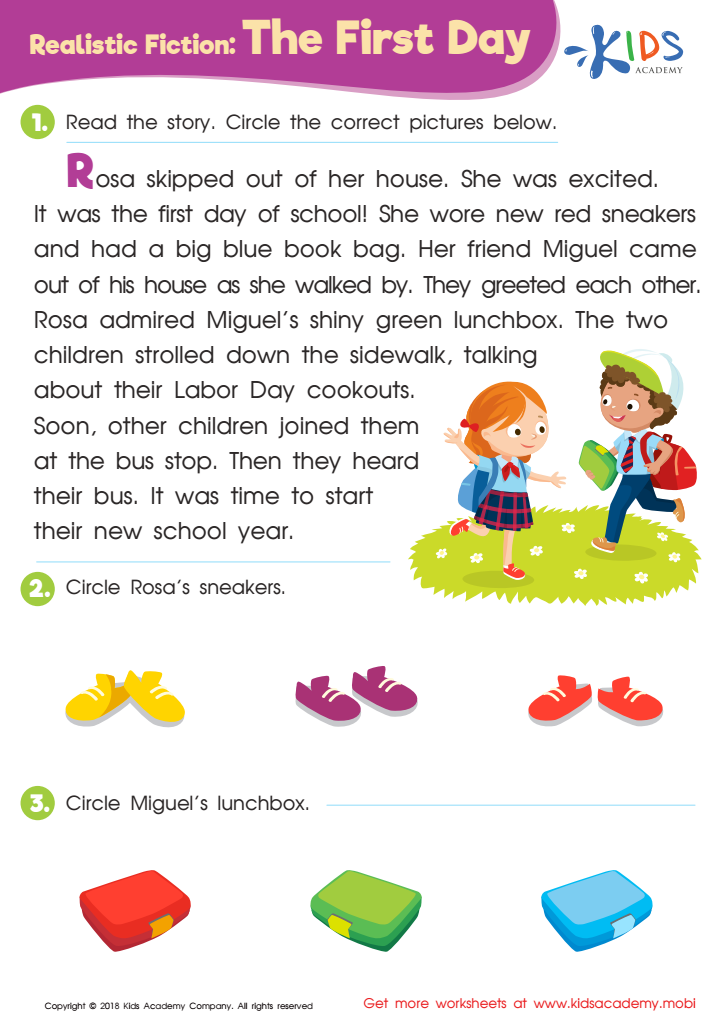
Realistic Fiction: The First Day Worksheet
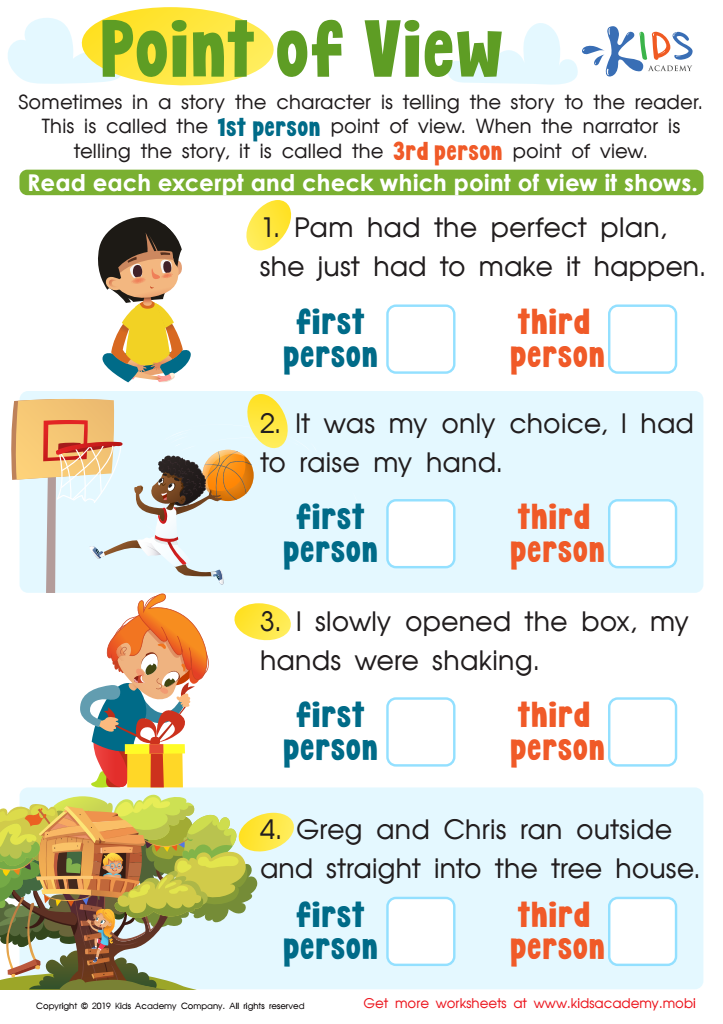
Point of View Printable
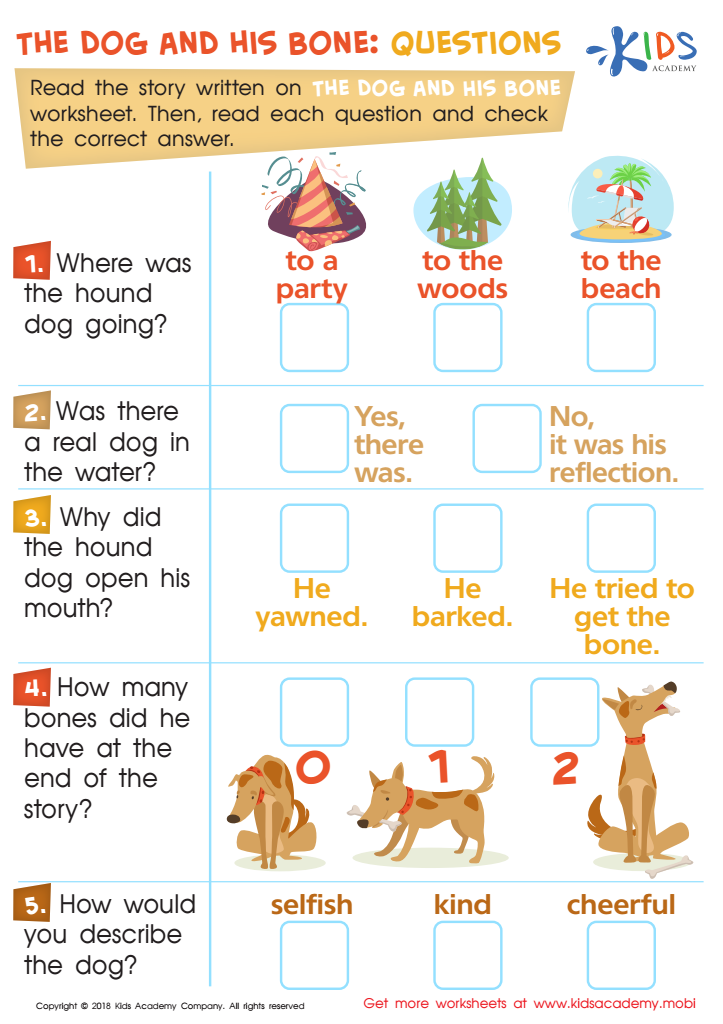
The Dog and His Bone: Questions Worksheet
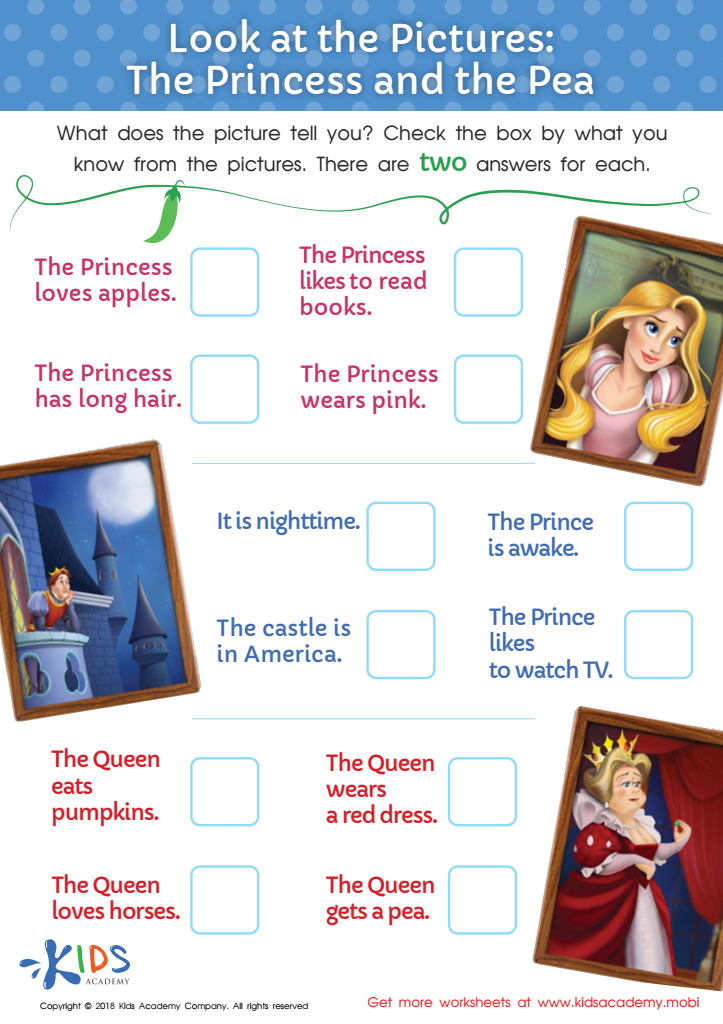
Look at the Pictures: The Princess and the Pea Worksheet
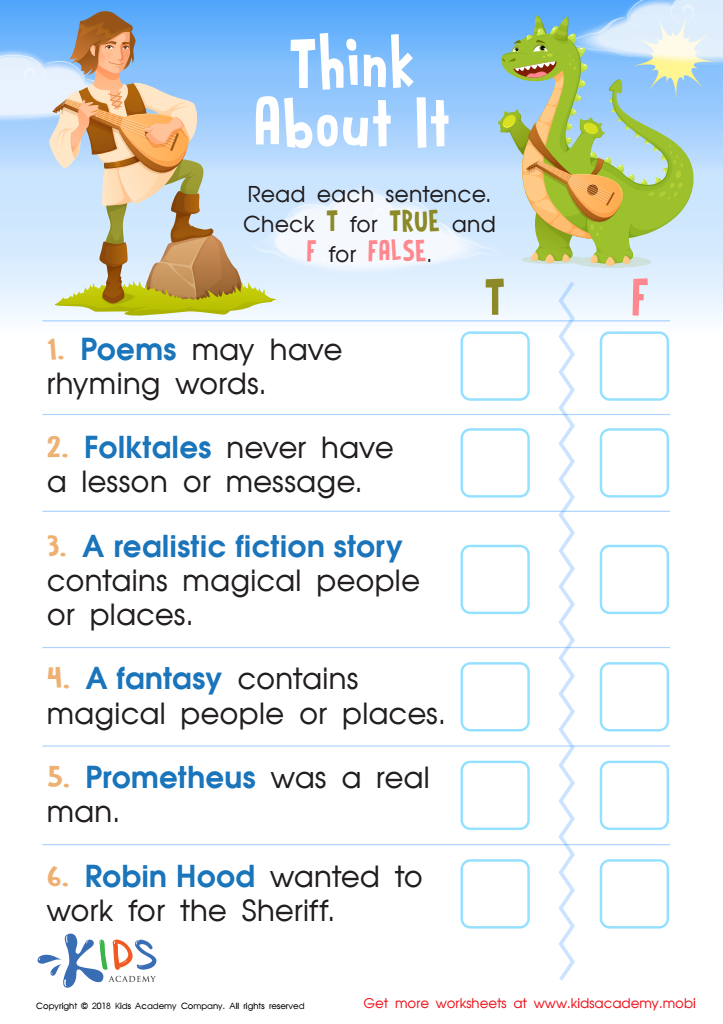
Think About It: Assessment Worksheet
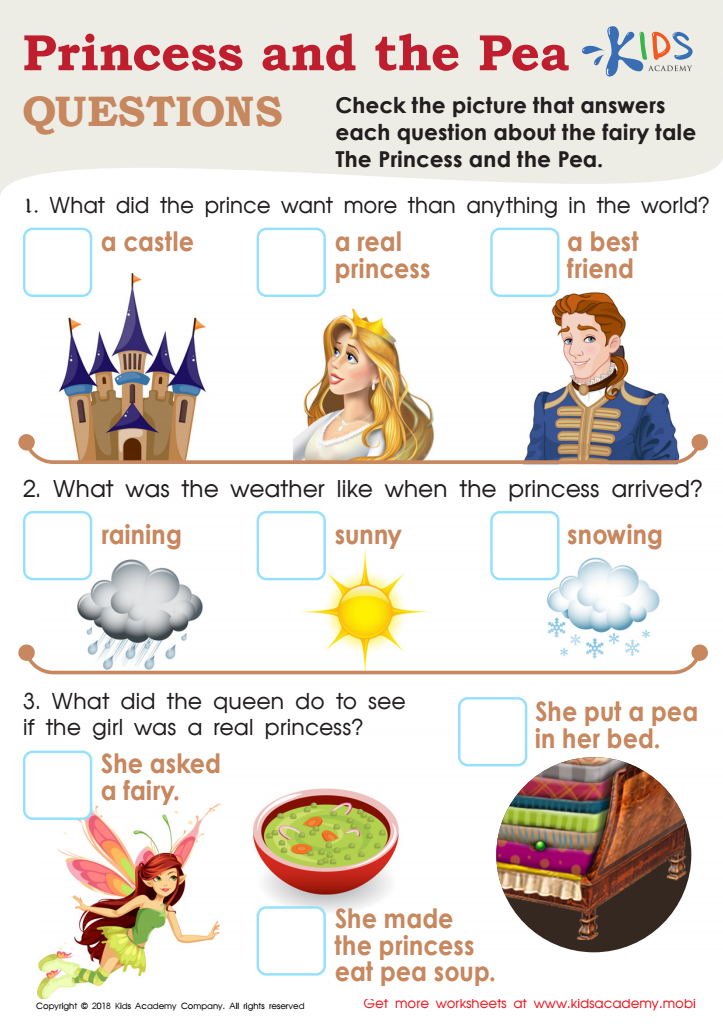
Princess and the Pea Questions Worksheet








Parents and teachers should care about critical thinking in the context of reading fiction because it plays a crucial role in children's intellectual development and personal growth. Engaging with fiction allows children to explore complex themes, understand diverse perspectives, and develop empathy by stepping into the shoes of various characters. Through critical thinking, students learn to analyze narratives, identify underlying messages, and question motives and actions. This not only enhances their comprehension skills but also fosters a deeper connection to the material.
Moreover, critical thinking equips children with the ability to discern between fact and opinion, a vital skill in today's information-rich environment. As they discuss and reflect on fictional works, they practice articulating their thoughts, justifying their interpretations, and considering counterarguments, which promotes open-mindedness and critical dialogue.
Ultimately, nurturing critical thinking while reading fiction helps prepare children for real-world challenges. They become more adept problem solvers and thoughtful citizens who can navigate complex issues with confidence. Thus, both parents and teachers have a vested interest in encouraging this practice, as it enriches the educational experience and contributes to well-rounded, capable individuals.







