Vocabulary development Normal Reading Fiction Worksheets
5 filtered results
-
From - To
Boost your child's vocabulary with our engaging Vocabulary Development Normal Reading Fiction Worksheets! Designed for early learners, these worksheets provide fun and interactive activities that enhance language skills through the context of fictional stories. Students will explore new words, their meanings, and usage in a supportive and stimulating environment. Each worksheet encourages critical thinking and comprehension, allowing children to connect with the material creatively. Perfect for classroom use or at-home learning, these resources empower young readers to expand their vocabulary while enjoying captivating narratives. Dive into our collection and watch your child's love for reading and language flourish!
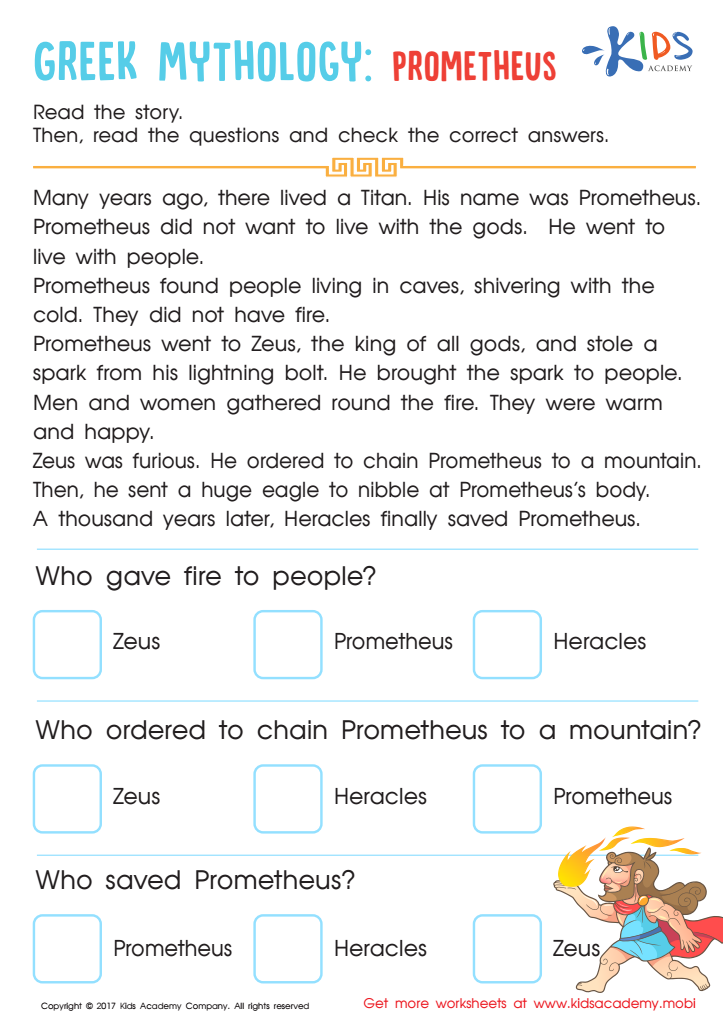
Prometheus Story Worksheet
 Assign to My Students
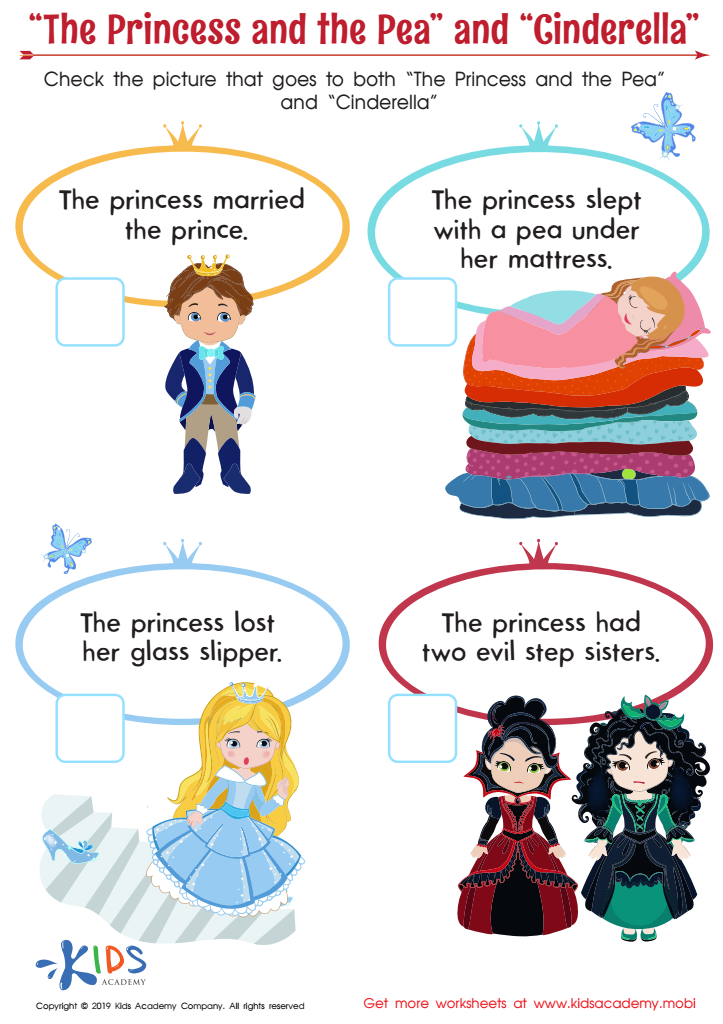
“The Princess and the Pea” and “Cinderella” Worksheet
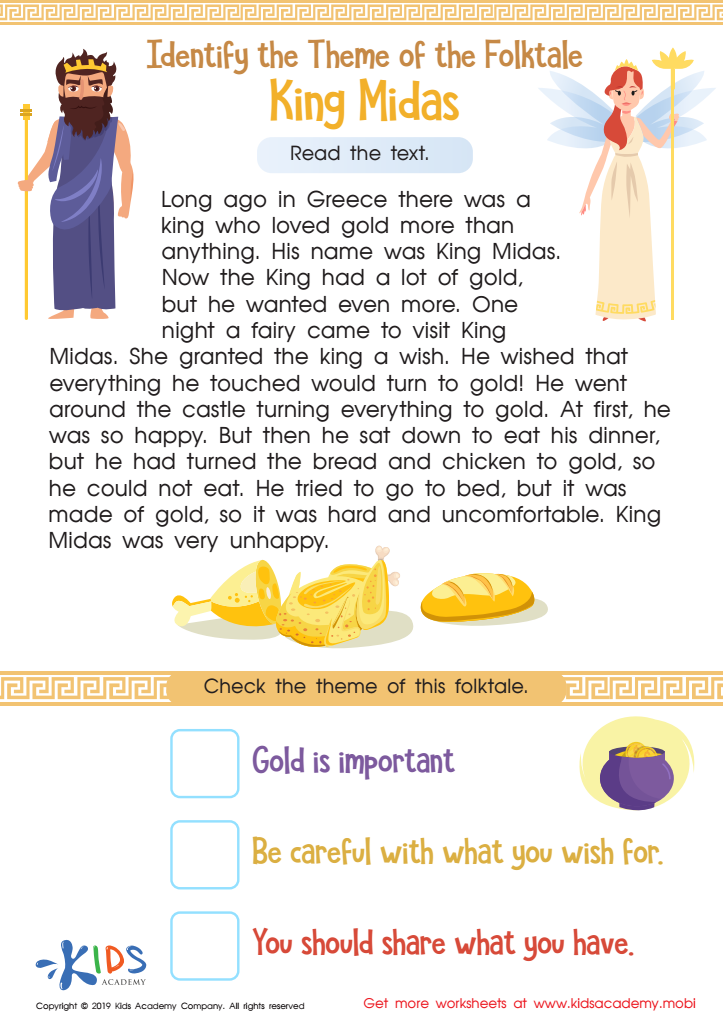
King Midas Worksheet
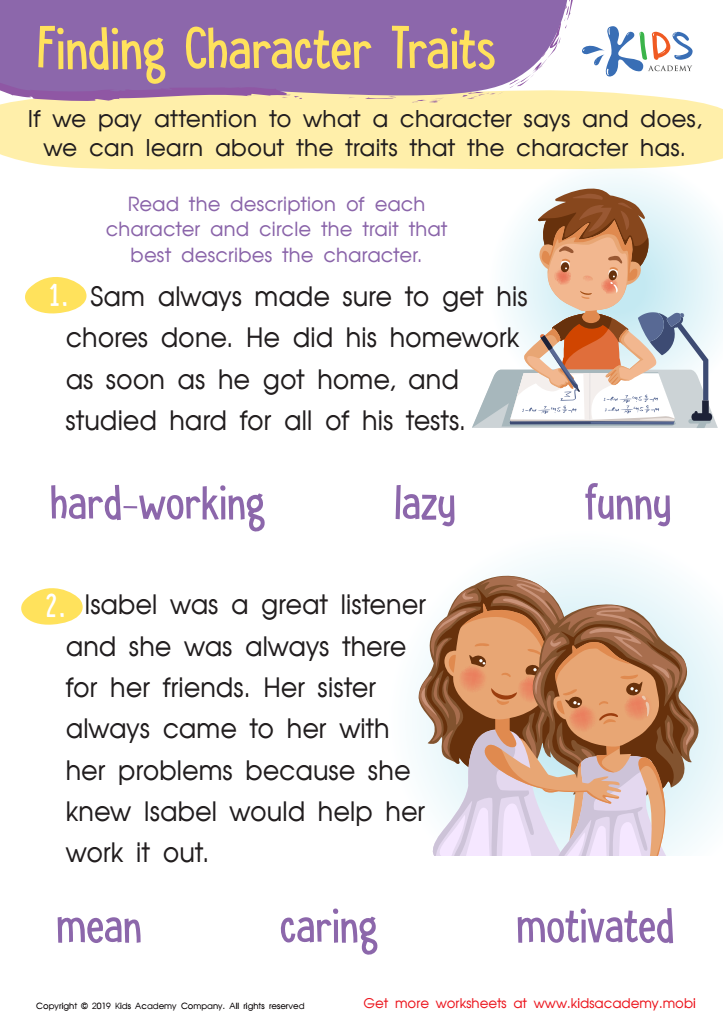
Finding Character Traits Worksheet
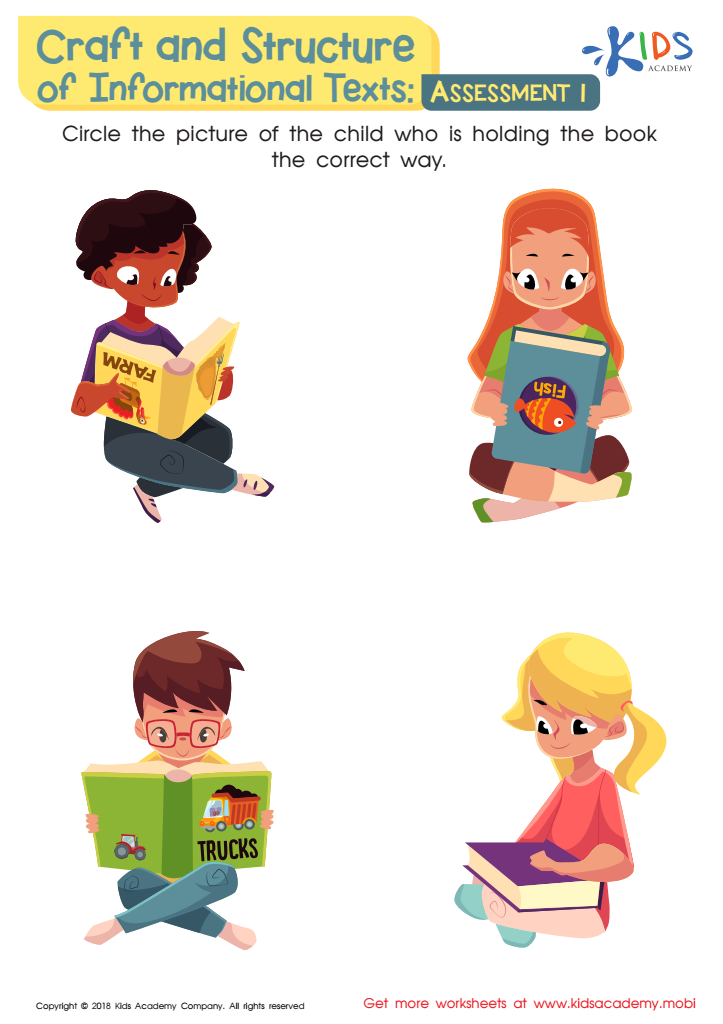
Craft and Structure of Informational Texts: Assessment 1 Worksheet








Vocabulary development is a crucial aspect of literacy that significantly impacts a child's overall academic success and communication skills. For parents and teachers, nurturing vocabulary growth—especially through readings of fiction—is vital for several reasons.
Firstly, a rich vocabulary enhances comprehension and fluency. When children encounter new words in fiction, they learn not only the meaning but also the context in which these words are used. This exposure helps them become more adept readers, which is essential as they progress through their education.
Secondly, fiction often introduces children to diverse cultures, experiences, and emotions, fostering empathy and social awareness. Understanding nuanced vocabulary through storytelling enables kids to express their feelings and thoughts more effectively, promoting stronger interpersonal skills.
Additionally, developing a strong vocabulary boosts academic confidence and performance across subjects. It lays the groundwork for critical thinking and articulate expression, skills that extend beyond English language arts into mathematics, science, and social studies.
Ultimately, engaged participation with vocabulary in reading cultivates a lifelong love for books, encouraging curiosity and intellectual growth. Thus, for parents and teachers, prioritizing vocabulary development through fiction is not just beneficial—it's essential for fostering well-rounded learners.







