Categorization skills Normal Animals Worksheets
3 filtered results
-
From - To
Discover engaging and educational "Categorization Skills Normal Animals Worksheets" at Kids Academy! Specially designed for early learners, these worksheets help children enhance their understanding of the animal kingdom by sorting and grouping various animal types. Through interactive activities and colorful illustrations, kids exercise critical thinking and fine motor skills. Ideal for both classroom use and at-home practice, these worksheets make learning fun and effective. Foster a love for science and nature while boosting cognitive development with our expertly crafted resources. Visit Kids Academy to bring interactive learning to life for young minds!
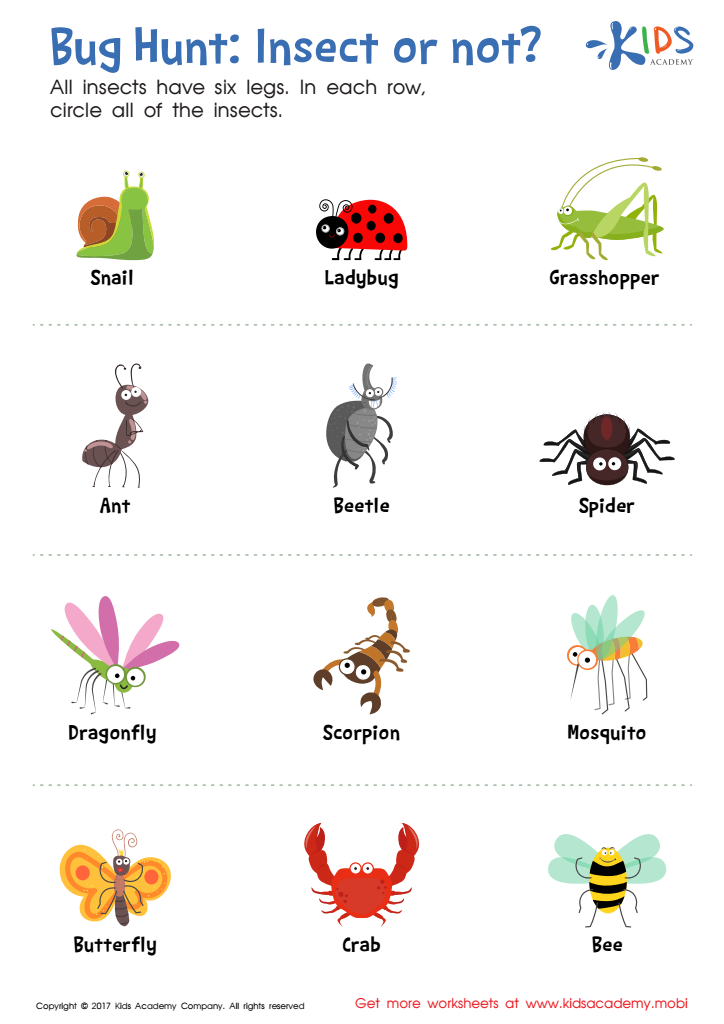
 Assign to My Students
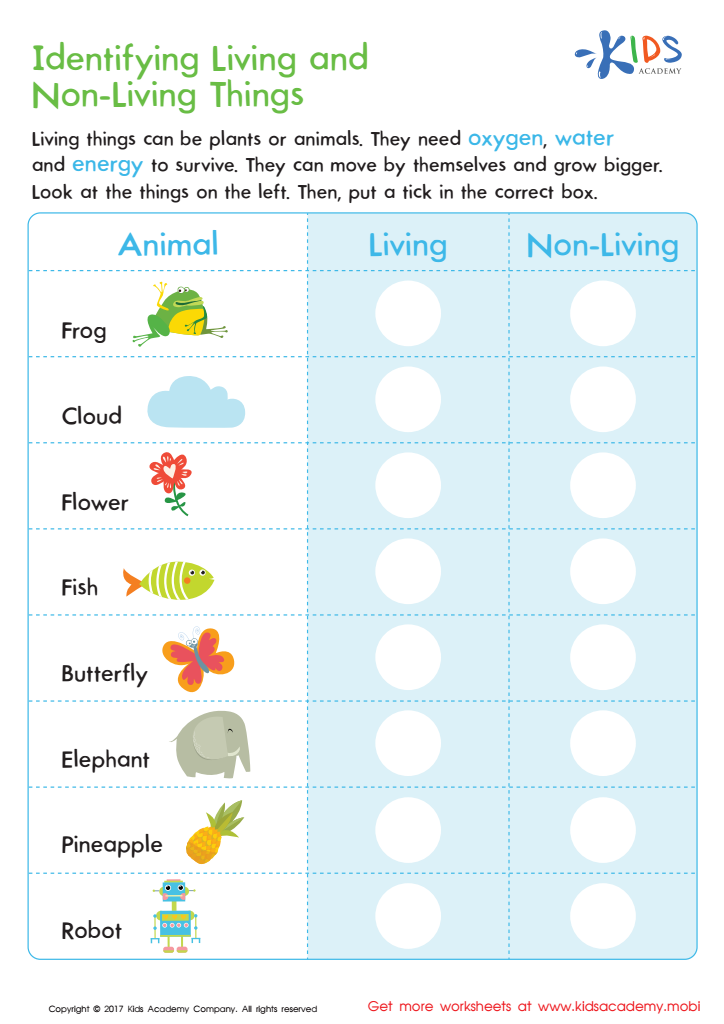
Identifying Living or Non–living Worksheet
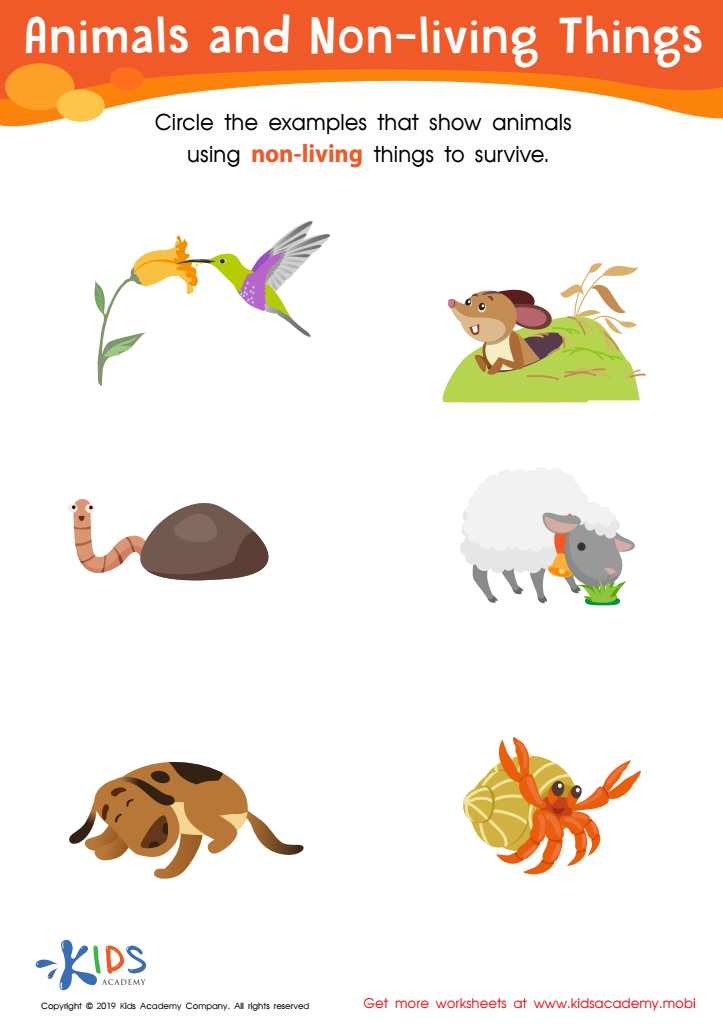
Animals and Non-Living Things Worksheet


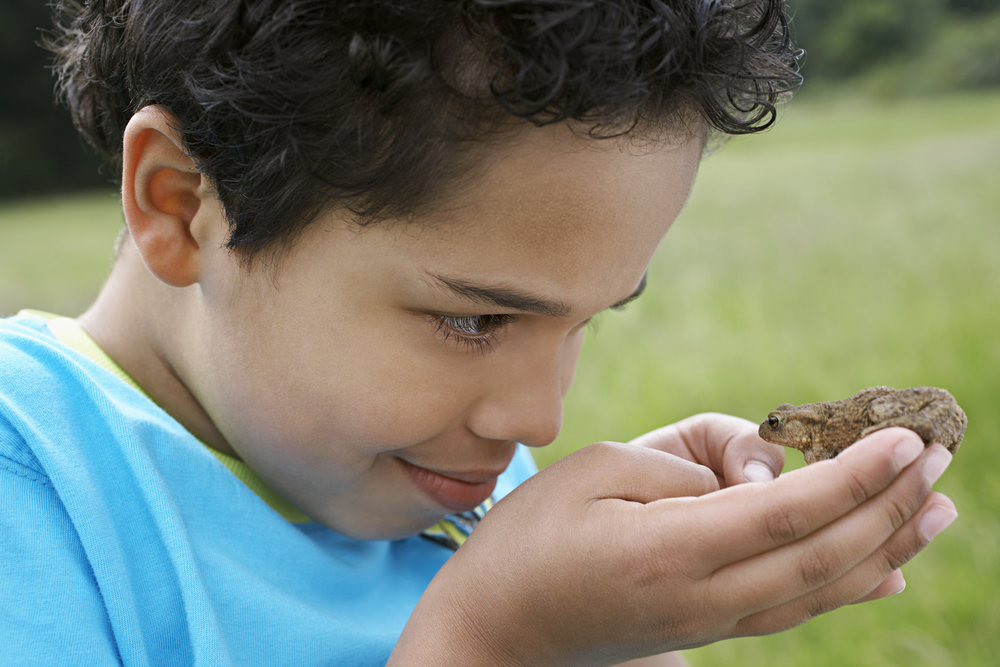




Categorization skills are fundamental cognitive abilities that allow children to group items based on shared characteristics, which help them make sense of the world. Focusing on normal animals as a categorization exercise is particularly effective and meaningful for early grade students. When young learners categorize animals, they practice discerning similarities and differences, thus honing critical thinking skills and fostering an organized way of processing information.
Parents and teachers should care about nurturing these skills because categorization underpins various aspects of learning and development. For instance, when children classify animals into mammals, reptiles, birds, etc., they not only expand their vocabulary but also grasp complex hierarchical structures, a precursor to later development in subjects like science and mathematics.
Additionally, being proficient in categorization enhances memory by creating mental groups that are easier to recall. Improved categorization skills also translate into better problem-solving abilities and clearer communication, as students learn to articulate reasons for grouping certain animals together.
Furthermore, engaging with animal categorization fosters curiosity about biology and ecology, promoting a broader understanding of the environment and instilling an appreciation for biodiversity. Overall, by actively supporting categorization skills related to animals, parents and teachers equip children with essential tools for academic success and everyday logical reasoning.








