Enhancing vocabulary Normal Science Worksheets
6 filtered results
-
From - To
Enhancing Vocabulary Normal Science Worksheets are expertly designed to bolster kids' scientific vocabulary and linguistic skills effectively. Each worksheet thoughtfully integrates fascinating science topics with engaging activities that promote active learning. Suitable for early grade students, these resources help clarify complex terms and concepts through fun exercises, ensuring better retention and understanding. Whether it's through matching words, fill-in-the-blanks, or crossword puzzles, these worksheets make learning scientific vocabulary an enjoyable experience. Ideal for both classroom and home, they are perfect for young learners eager to expand their language prowess alongside their scientific knowledge. Empower your students with the tools they need to succeed in science!
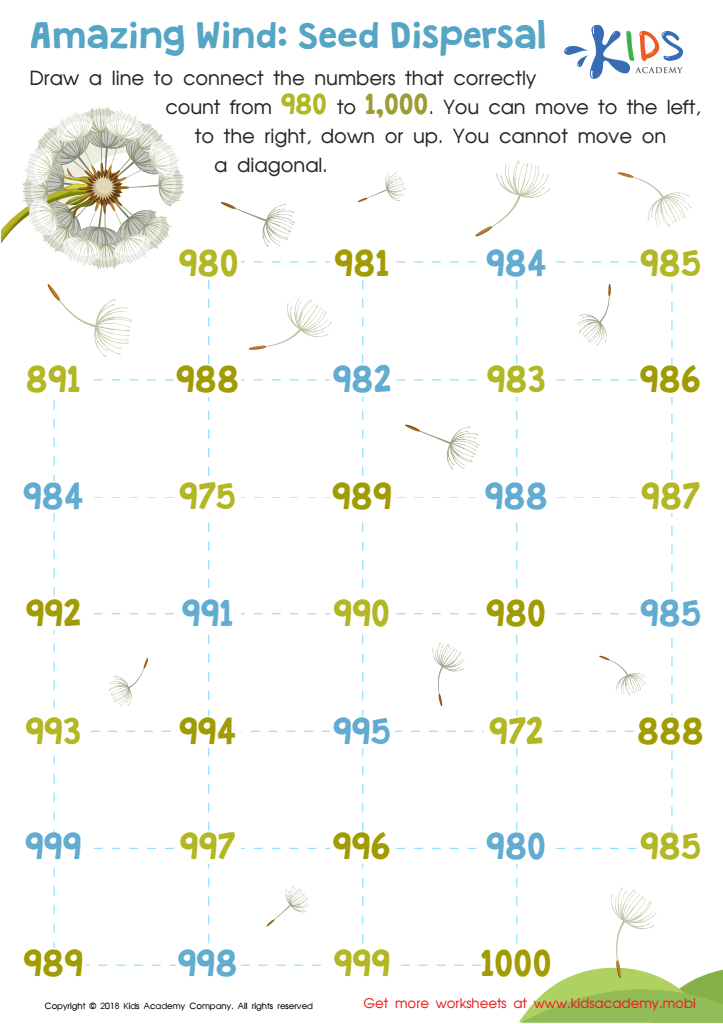
Amazing Wind: Seed Dispersal Worksheet
 Assign to My Students
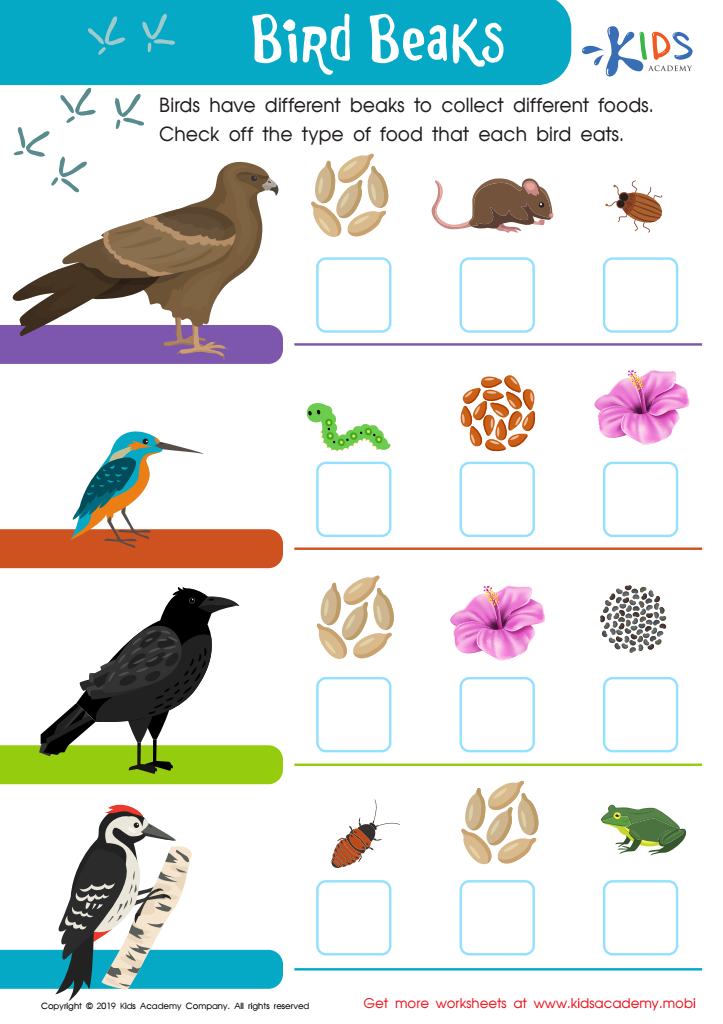
Bird Beaks Worksheet
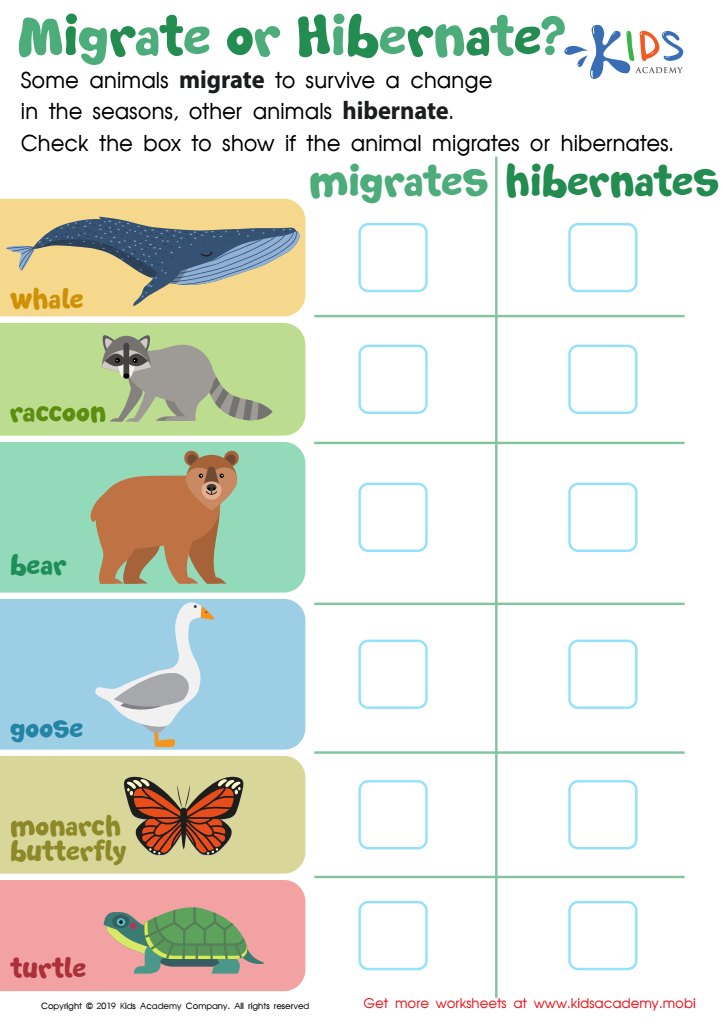
Migrate or Hibernate? Worksheet
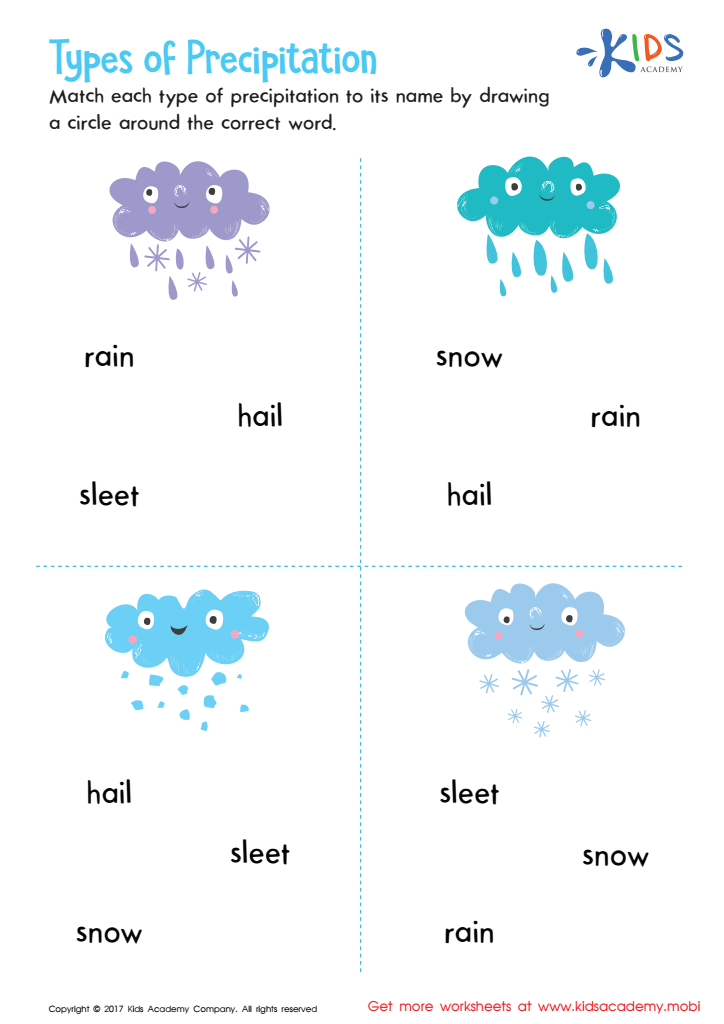
Types of Precipitation Printable
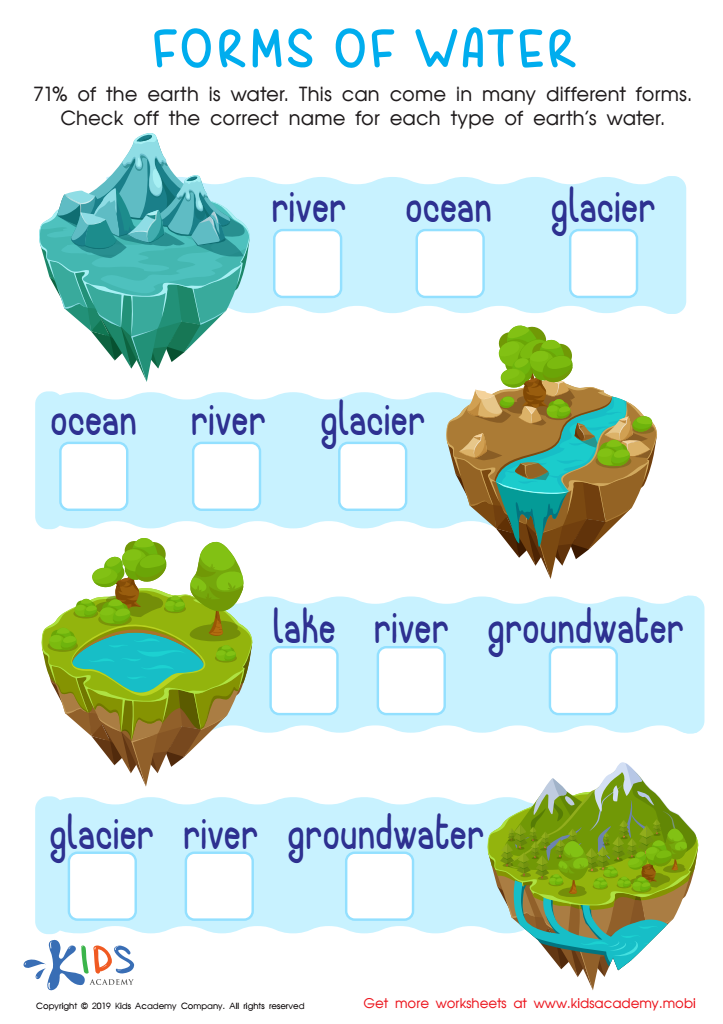
Forms of Water Worksheet
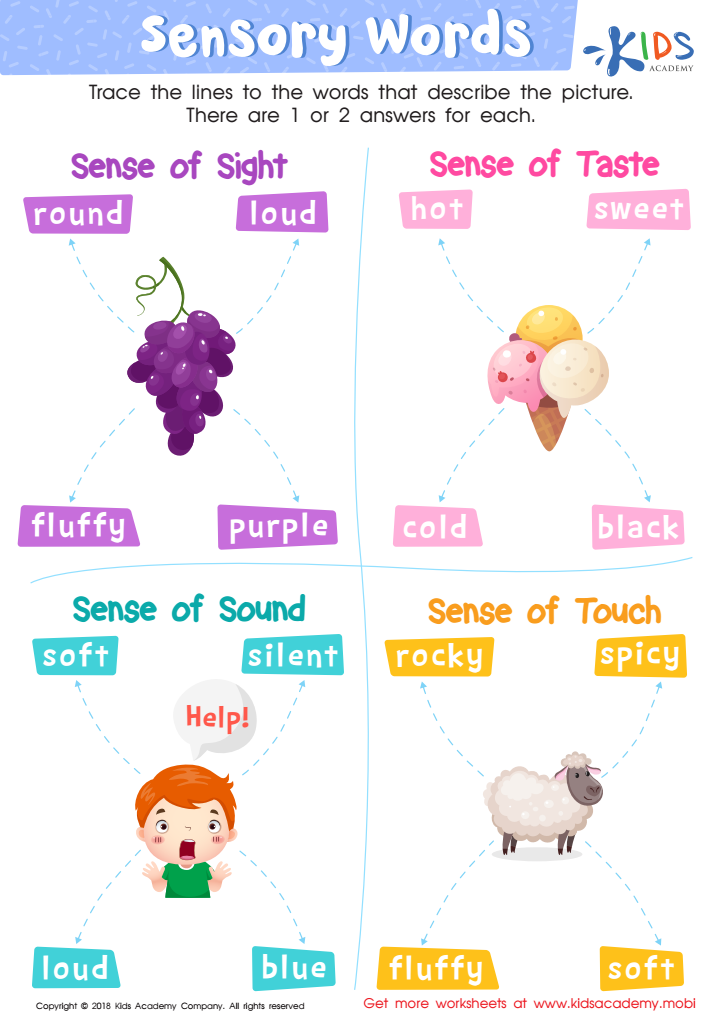
Sensory Words Worksheet








Enhancing vocabulary in the context of normal science is crucial for parents and teachers for several reasons. Firstly, a strong vocabulary foundation allows children to understand and express scientific concepts more effectively. By knowing the precise terminology, students can grasp complex ideas and communicate their thoughts clearly, fostering academic success in science and other subjects.
Secondly, a rich vocabulary equips children with critical thinking skills. As they learn new words, especially those used in scientific contexts, they also improve their cognitive abilities, such as problem-solving and analytical thinking. This is particularly important in science, where understanding complex phenomena often requires detailed description and interpretation.
Additionally, exposing students to scientific vocabulary from an early age can ignite a passion for science. When children comprehend the language of science, they are more likely to be intrigued by scientific concepts and more engaged in experiments and classroom discussions. This early interest can lead to sustained enthusiasm and even future careers in science-related fields.
For parents, enhancing their child’s vocabulary in normal science activities fosters better homework support and enriches family learning experiences. For teachers, it ensures that all students, regardless of their background, have an equal opportunity to succeed academically and develop a lasting interest in science.
Ultimately, focusing on vocabulary enhancement in science prepares students for a successful educational journey and helps develop literate, informed individuals who are capable of contributing thoughtfully to the world.







