Learning about ecosystems Normal Science Worksheets
3 filtered results
-
From - To
Discover the fascinating world of ecosystems with our "Learning About Ecosystems Normal Science Worksheets"! Tailored for early-grade students, these engaging worksheets introduce key concepts, including the interaction between living organisms and their environments. Perfect for both classroom and home learning, these materials promote critical thinking and creativity. From identifying various ecosystems to understanding food chains, students will develop a deeper appreciation for nature. Each worksheet is designed to be fun and educational, inspiring young learners to explore the intricate balance of life on Earth. Download now to enrich your science lessons and foster a love for natural science!
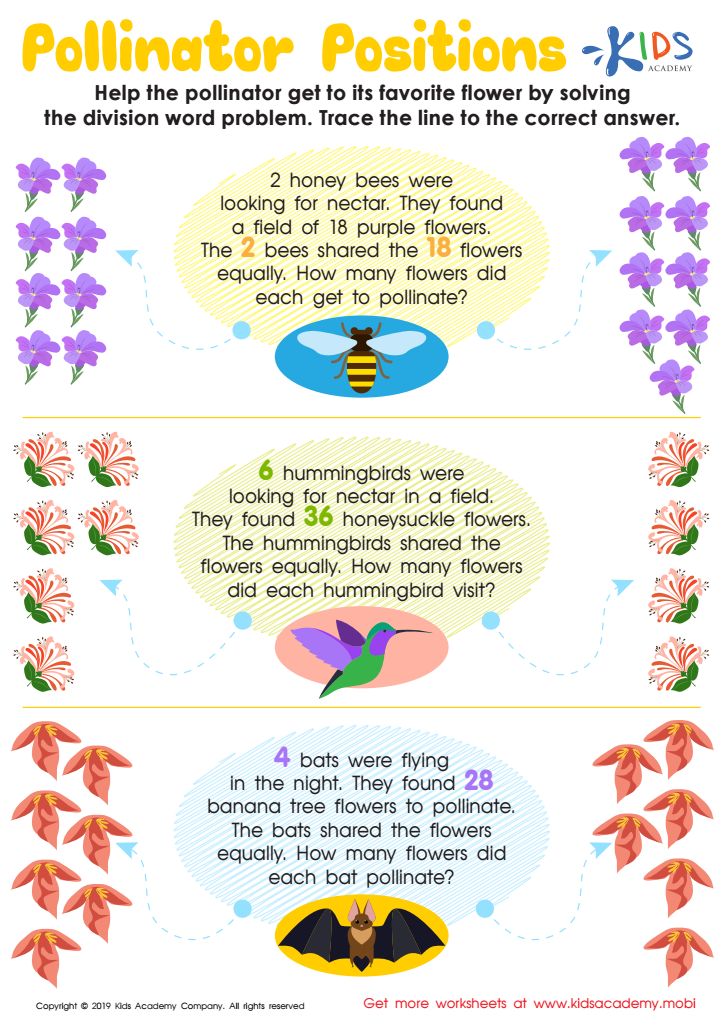
Pollinator Positions Worksheet
 Assign to My Students
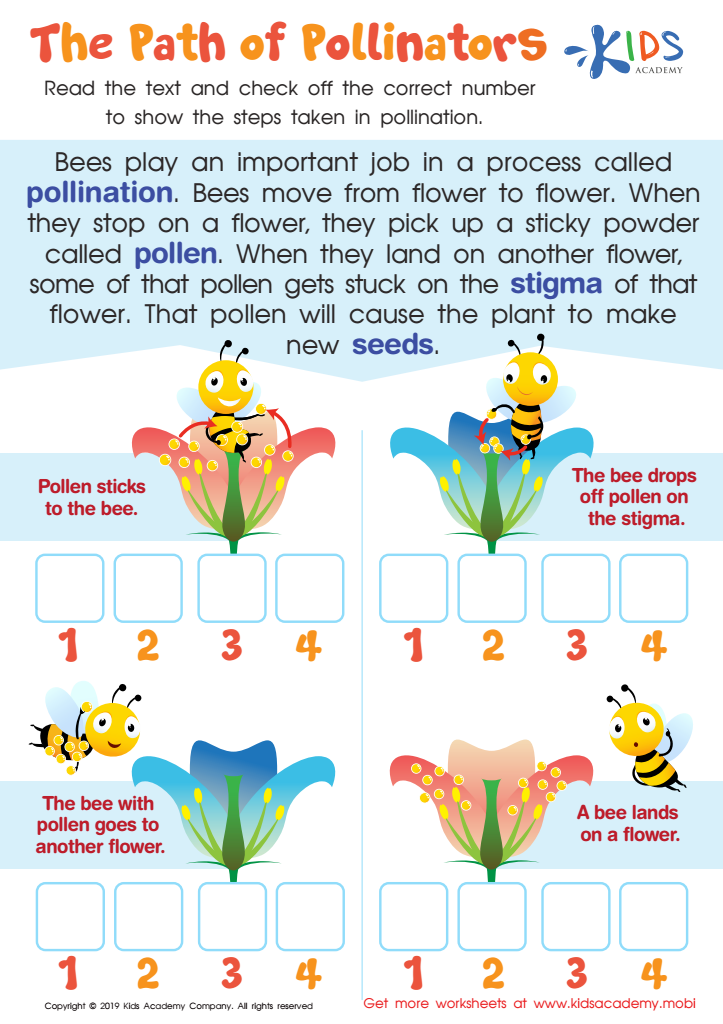
The Path of Pollinators Worksheet
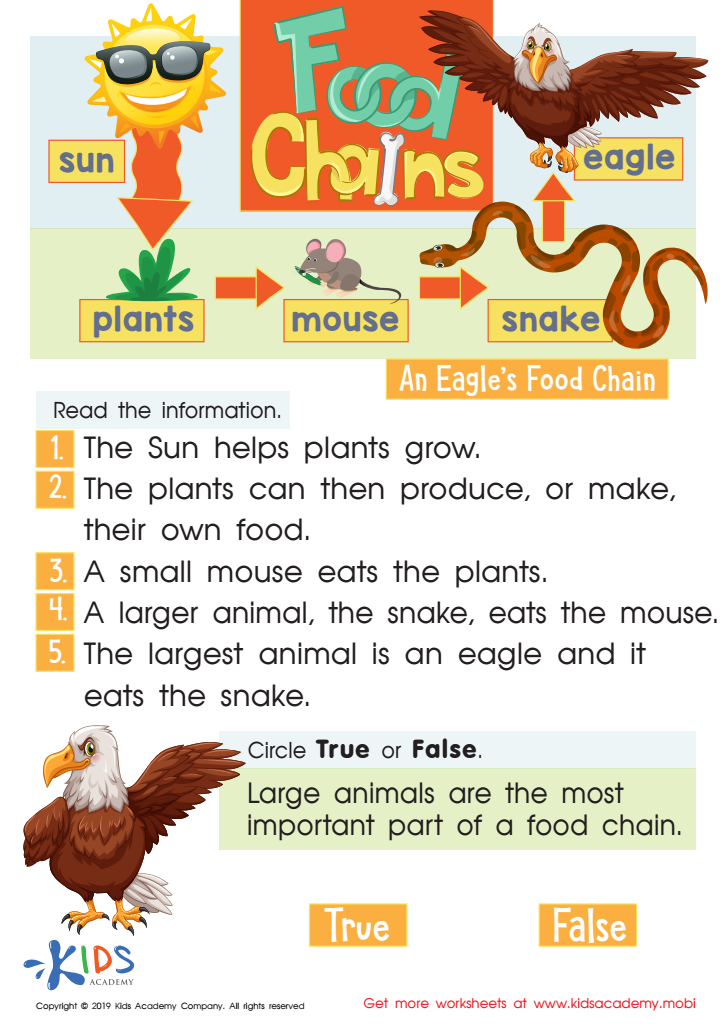
Food Chains Worksheet








Understanding ecosystems is essential for both parents and teachers as it lays the foundation for students to appreciate the interconnectedness of life and the environment. Ecosystems are intricate webs of relationships among organisms and their habitats, impacting how we live and function in the world. By learning about these systems, children develop a sense of responsibility toward nature and understand the importance of biodiversity and conservation.
Additionally, knowledge of ecosystems encourages critical thinking and inquiry-based learning, key components of Normal Science. It promotes curiosity about natural processes and fosters skills in observation and experimentation. By exploring real-world environmental issues, students are more likely to engage in problem-solving and develop a scientific mindset.
Moreover, understanding ecosystems prepares students for future challenges such as climate change, habitat destruction, and sustainability. This knowledge equips them with the tools to advocate for environmental stewardship and make informed choices.
For parents and teachers, nurturing an appreciation for ecosystems is a crucial step in raising environmentally conscious citizens. Cultivating this understanding extends beyond the classroom, impacting families and communities. Therefore, integrating ecosystems into the curriculum empowers students, fostering a collective sense of care for our planet and its future.







