Matching skills Normal Science Worksheets
4 filtered results
-
From - To
Discover the fun and engaging "Matching Skills Normal Science Worksheets" designed to enhance young learners' cognitive abilities while exploring scientific concepts. Ideal for early education, these worksheets encourage kids to develop their matching skills through interactive activities that connect familiar objects with their scientific counterparts. From matching animals to their habitats to aligning basic elements and compounds, these resources foster critical thinking and reinforce essential science knowledge. Perfect for classroom use or home learning, our printable worksheets cater to various learning styles, making science accessible and enjoyable. Start your child’s scientific journey with our thoughtfully crafted matching skills worksheets today!
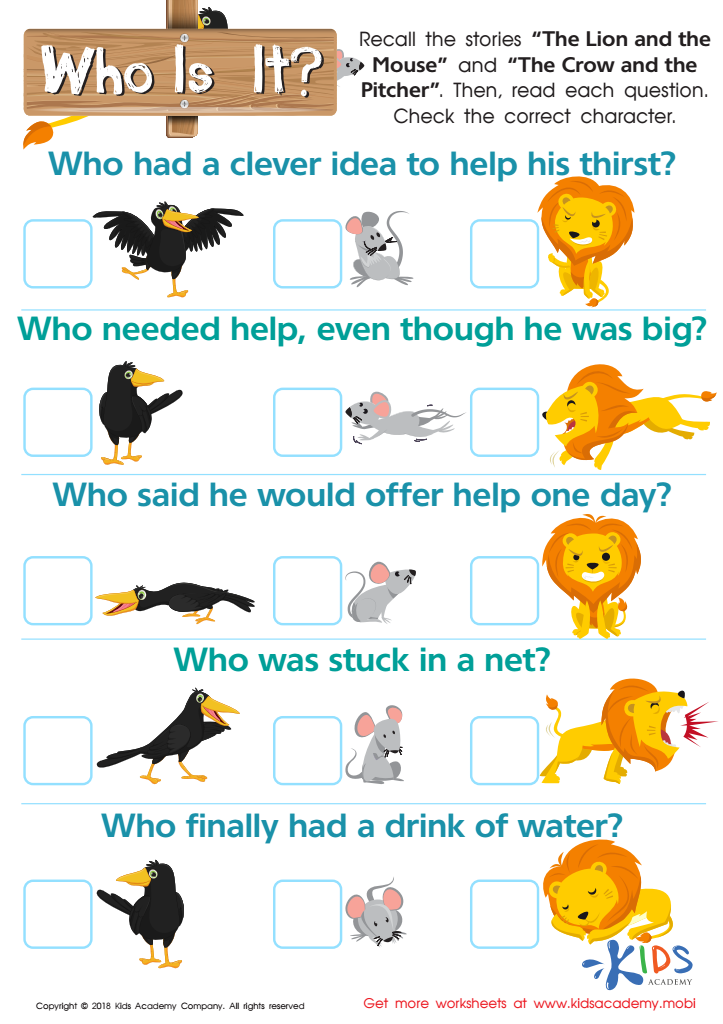
Who Is It? Worksheet
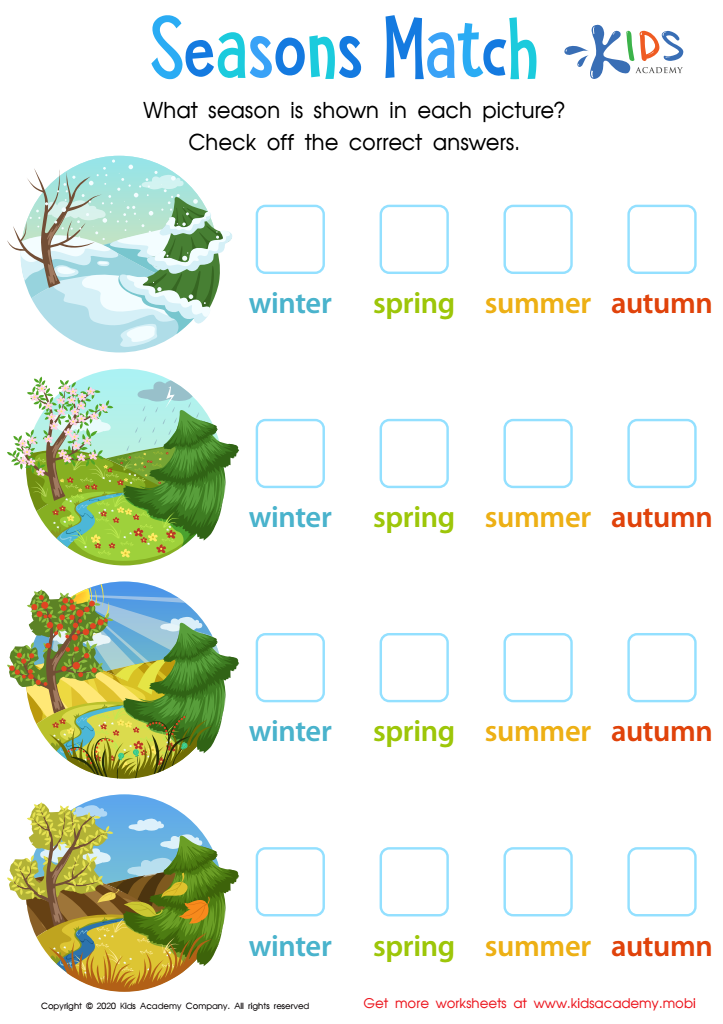
Seasons Match Worksheet
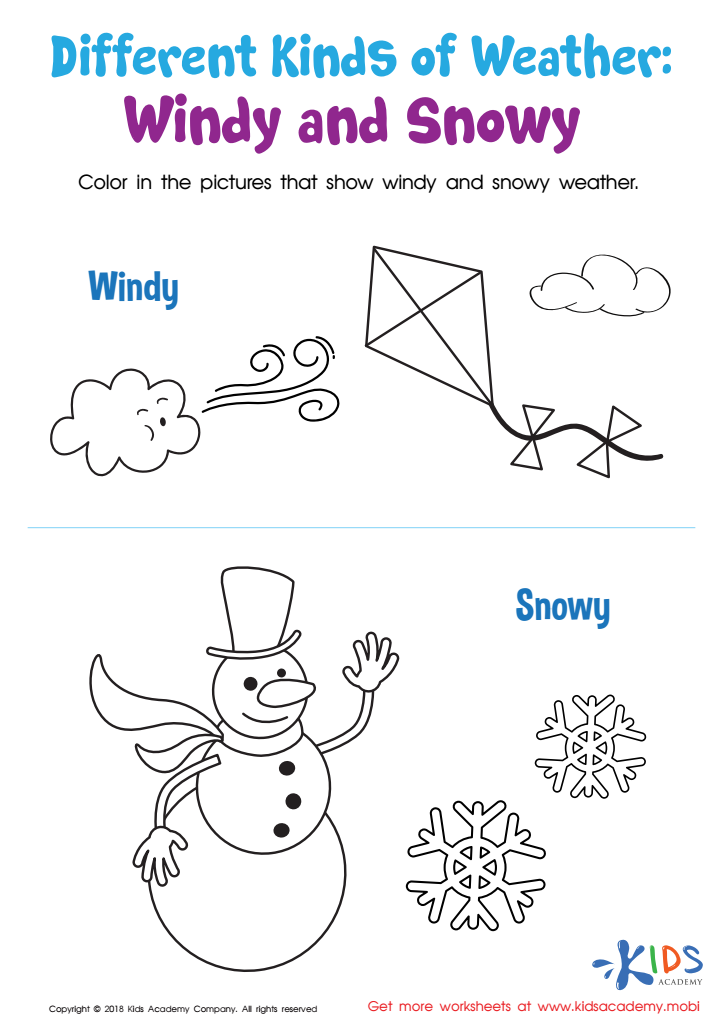
Different Kinds of Weather: Windy and Snowy Worksheet
 Assign to My Students
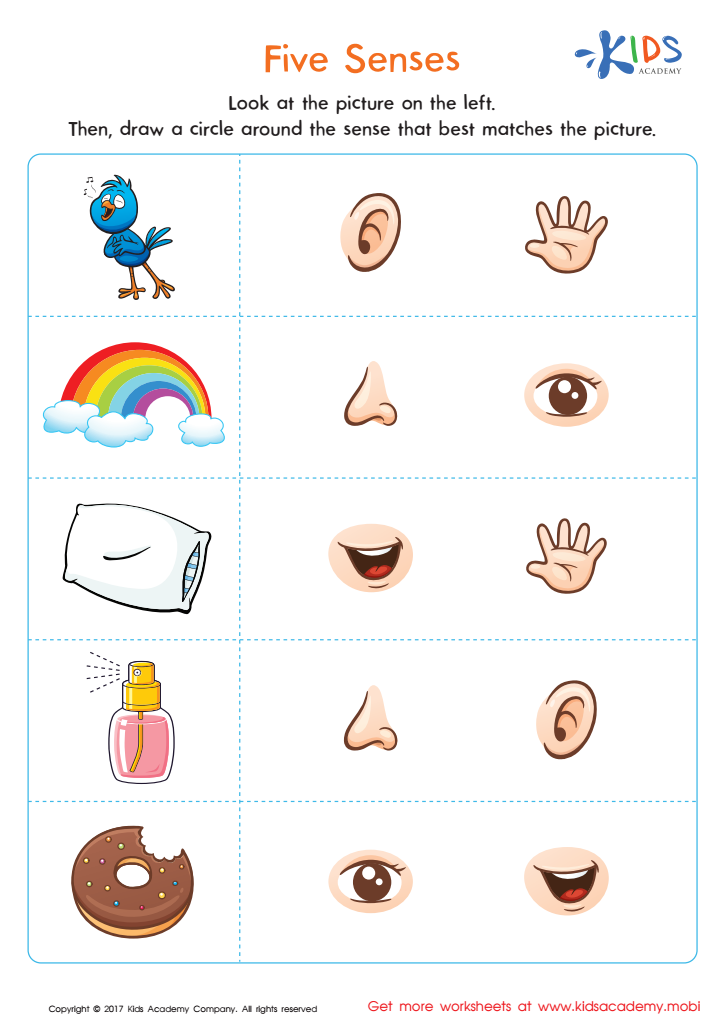
Five Senses Printable








Parents and teachers should care about matching skills in normal science as they play a crucial role in children's overall cognitive development and understanding of the world. Matching skills—essentially the ability to recognize and relate objects or concepts based on their properties—form the foundation of scientific learning. When children learn to match items, they also enhance their observation skills, attention to detail, and critical thinking abilities. These skills are essential for understanding scientific concepts, conducting experiments, and drawing conclusions.
Additionally, matching skills nurture curiosity. When students can connect similar concepts or items, they become more inclined to ask questions and explore relationships in nature and science. This aligns with the constructivist approach to learning, which encourages students to build knowledge through exploration and reasoning.
Moreover, early proficiency in matching contributes to later successes in academic settings, particularly in science subjects, paving the way for more complex knowledge and analysis as they progress. Support from parents and educators in developing these skills can foster a lifelong interest in science, encouraging children to pursue STEM fields in the future, thus benefiting both individual growth and society as a whole. In essence, nurturing matching skills is investing in a child's academic and personal development.







