Understanding constellations Normal Science Worksheets
3 filtered results
-
From - To
Discover the fascinating world of constellations with our "Understanding Constellations Normal Science Worksheets." Designed for early learners, these engaging worksheets encourage students to explore and identify various star formations in the night sky. Our resources provide interactive activities and fun facts, makingAstrophysics approachable and exciting. With colorful illustrations and straightforward instructions, children will enhance their observational skills and develop a deeper appreciation for astronomy. Perfect for classroom use or at-home learning, these worksheets spark curiosity and help young minds grasp essential scientific concepts. Join us on an adventure among the stars and inspire a lifelong love for learning about the universe!
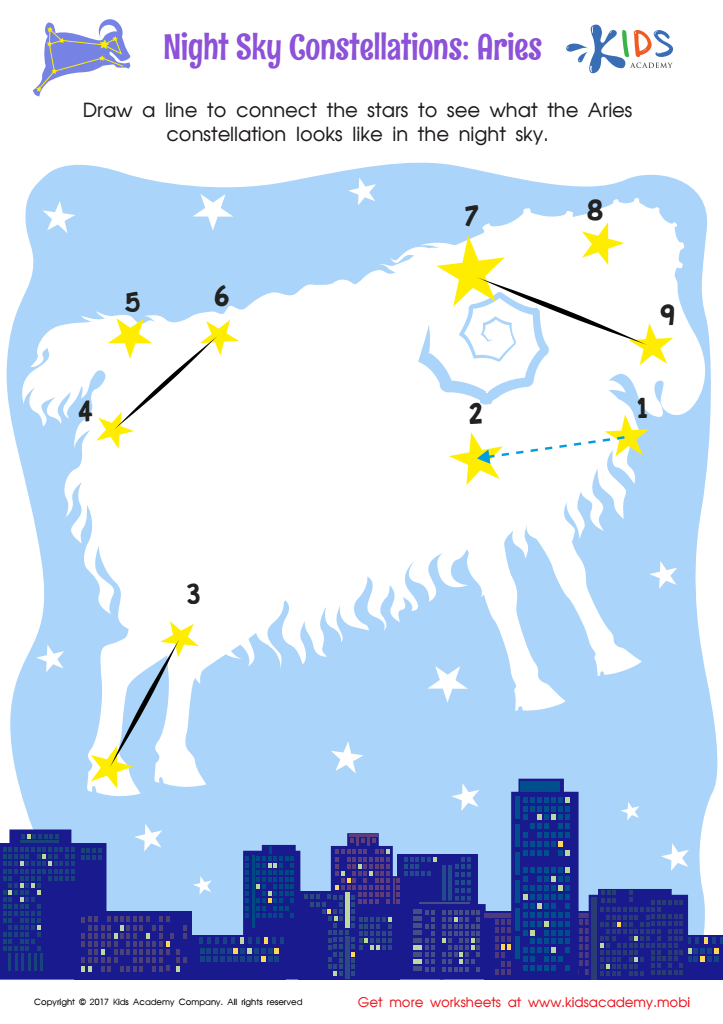
Night Sky Constellations: Aries Worksheet
 Assign to My Students
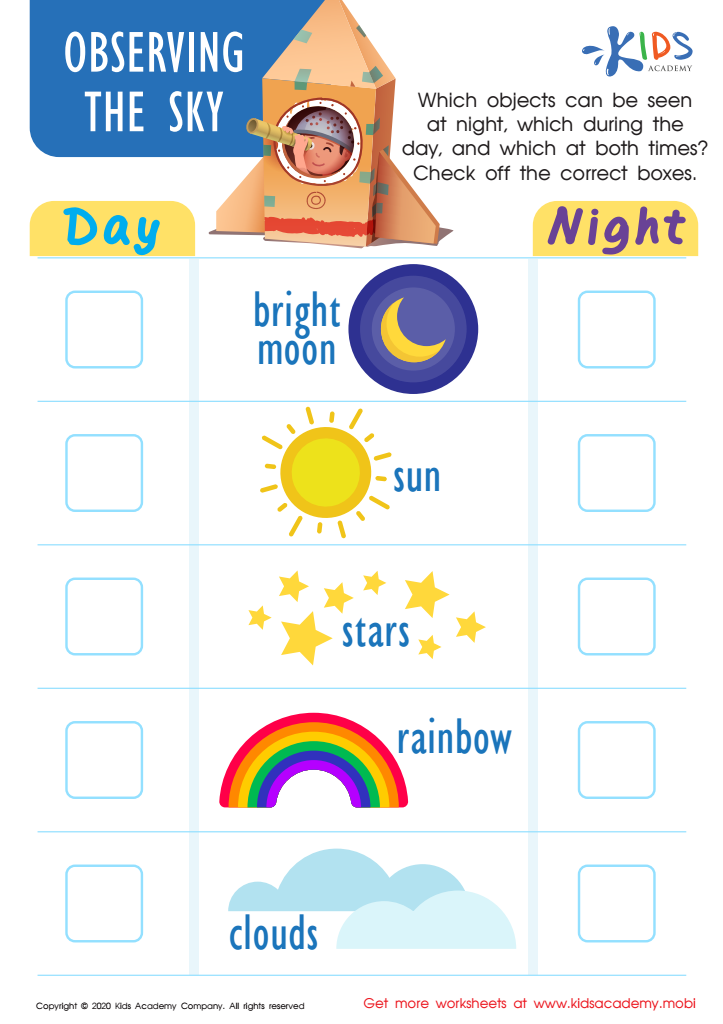
Observing the Sky Worksheet
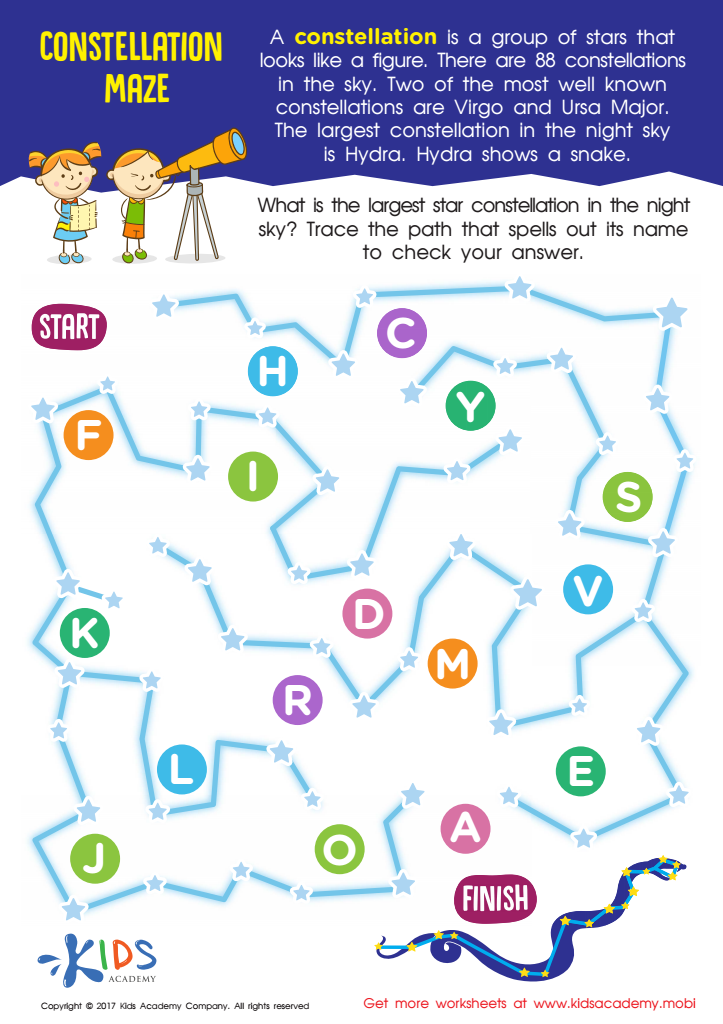
Constellations Worksheet






%20(1).jpg)
.jpg)
Understanding constellations is vital for both parents and teachers as it fosters a child's curiosity about the universe, supports their cognitive development, and enhances their educational experience. Engaging with constellations encourages critical thinking, as students learn to recognize patterns and make connections, skills that are essential in many areas of learning.
From a scientific perspective, constellations provide an accessible entry point for teaching basic astronomical principles, such as the rotation of the Earth, light-years, and the lifecycle of stars. This foundational knowledge can inspire a lifelong interest in science and exploration. Additionally, constellations often have historical and cultural significance, allowing children to learn about different civilizations and their perspectives.
Parents and teachers who understand and promote the study of constellations can easily conduct fun, hands-on activities, such as star-gazing nights, creative projects, or storytelling sessions that link mythology with science. These experiences not only create lasting memories but also build a strong bond between parents, children, and educators. Ultimately, fostering an interest in constellations nurtures a sense of wonder and appreciation for the natural world, laying the groundwork for more complex scientific understanding in the future.







