Logical Reasoning Normal Plants and Animals Worksheets
5 filtered results
-
From - To
Our "Logical Reasoning Normal Plants and Animals Worksheets" offer an engaging way for young learners to enhance critical thinking skills. These printable activities are designed to teach kids about plant and animal identification, characteristics, and differences through fun, interactive exercises. Perfect for early grade students, each worksheet provides age-appropriate challenges that stimulate logical reasoning and cognitive development. Whether in a classroom or at home, these worksheets serve as excellent tools for reinforcing foundational science concepts, making learning enjoyable, and fostering a deeper understanding of our natural world. Explore and elevate your student's science journey today!
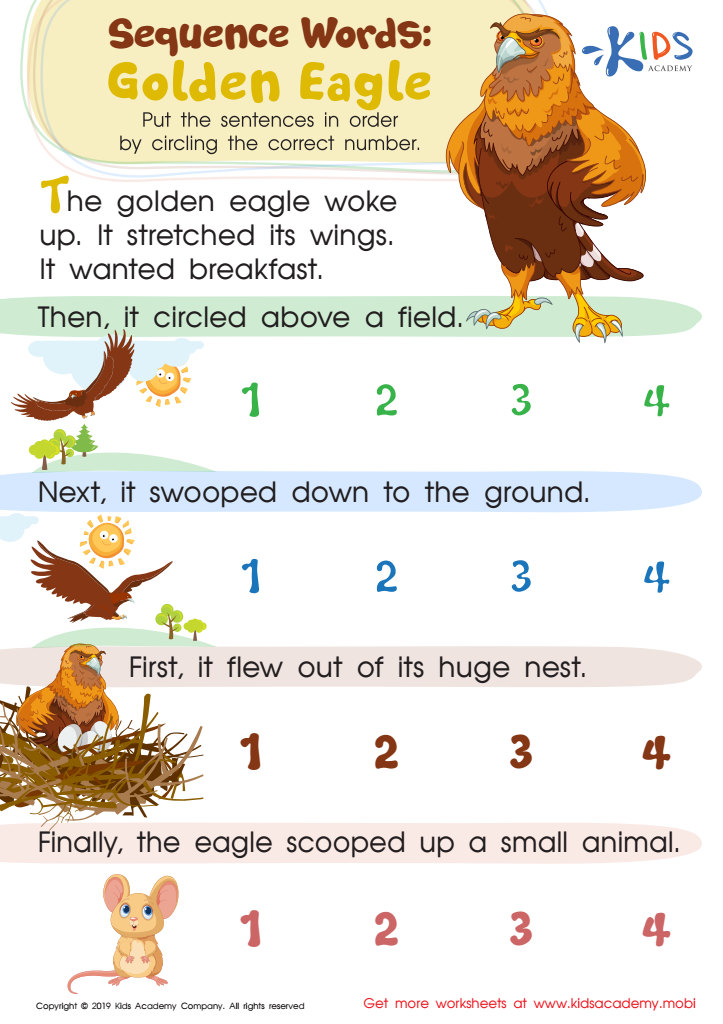
Sequence Word Eagle Worksheet
 Assign to My Students
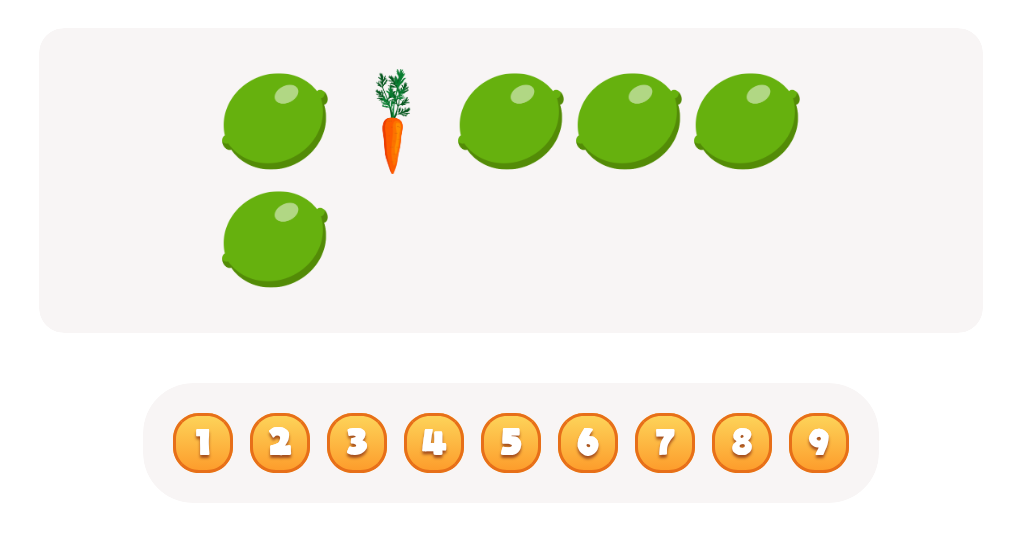


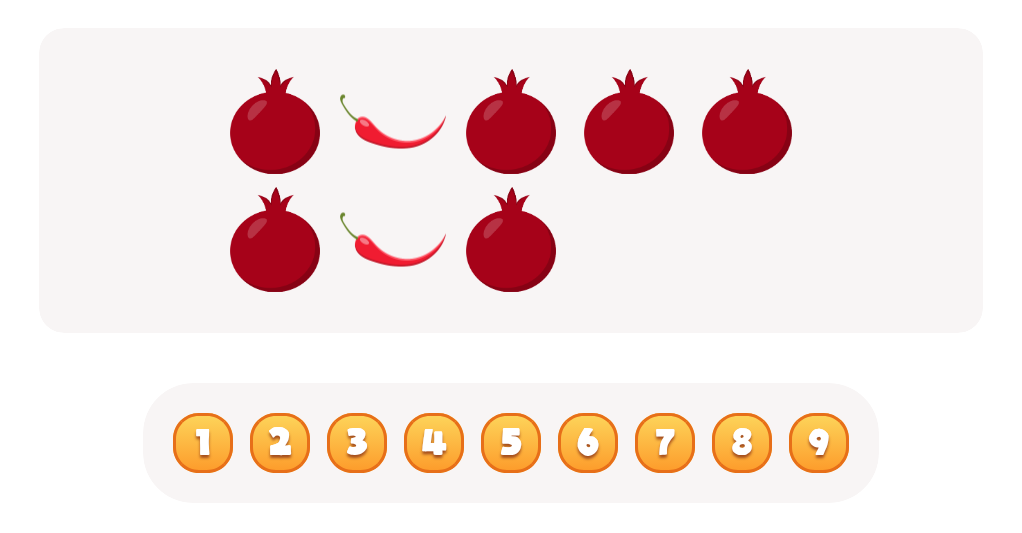
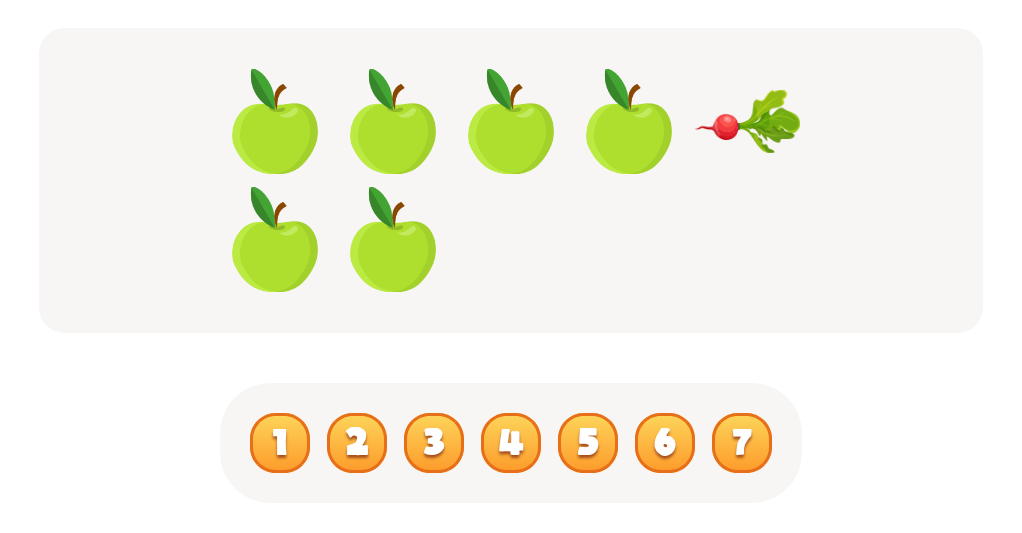
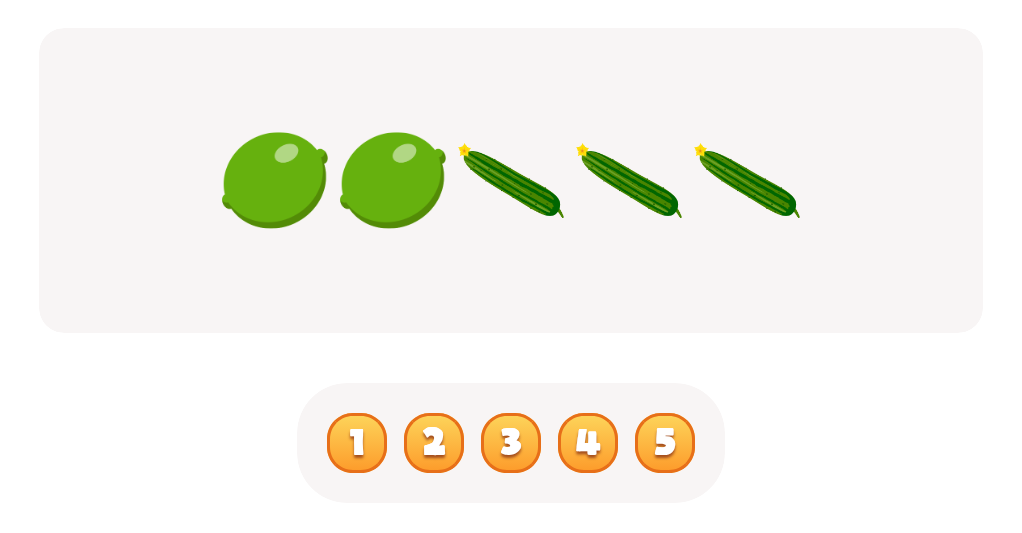
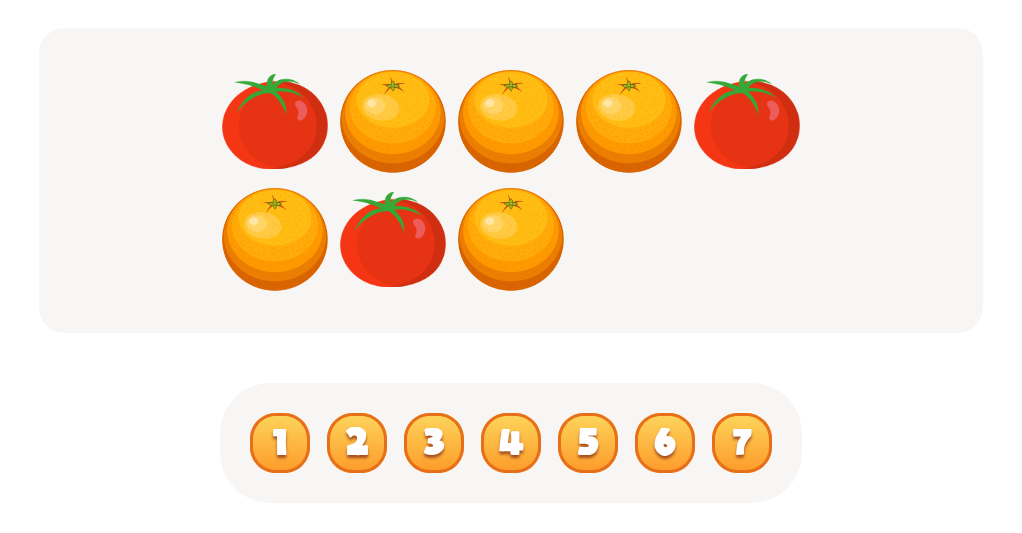
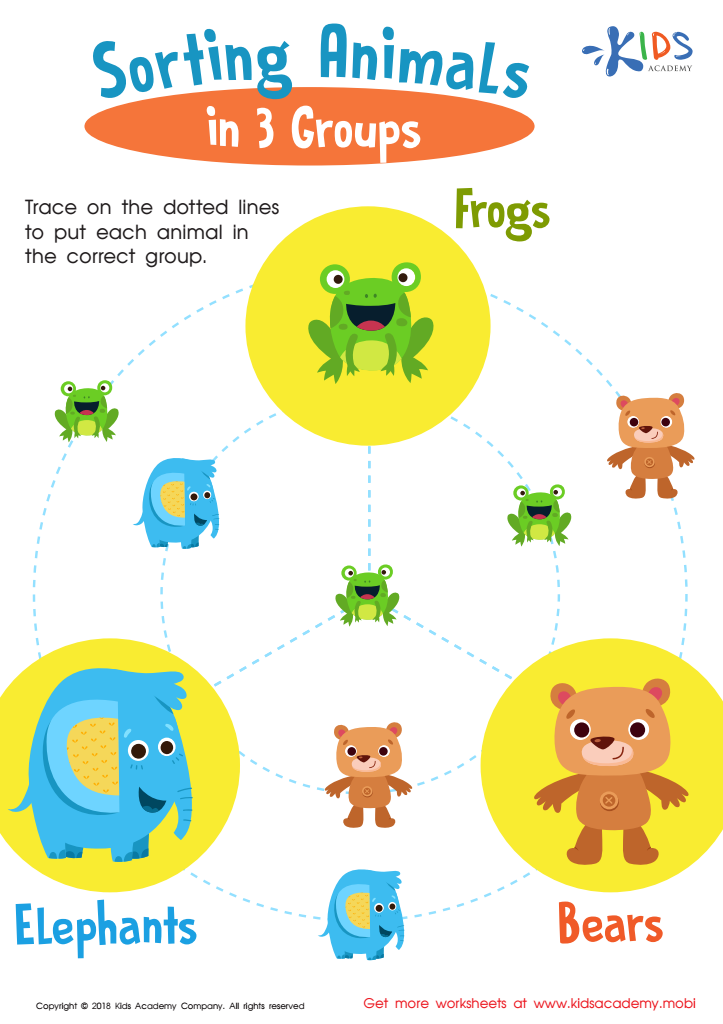
Sorting Animals in 3 Groups Worksheet
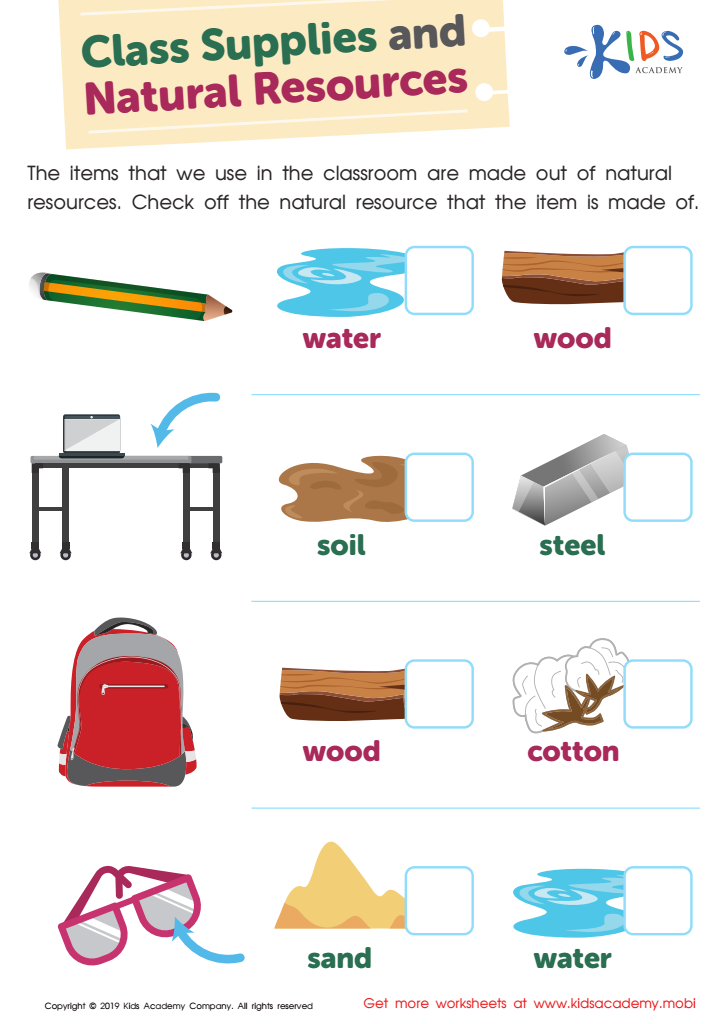
Class Supplies and Natural Resources Worksheet
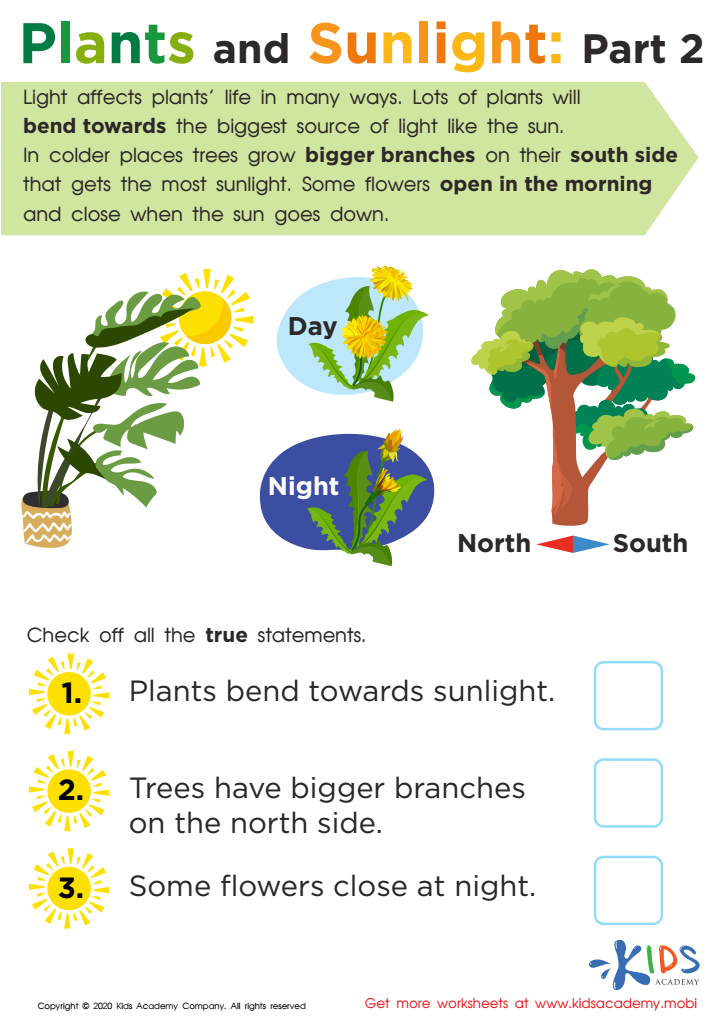
Plants and Sunlight: Part 2 Worksheet
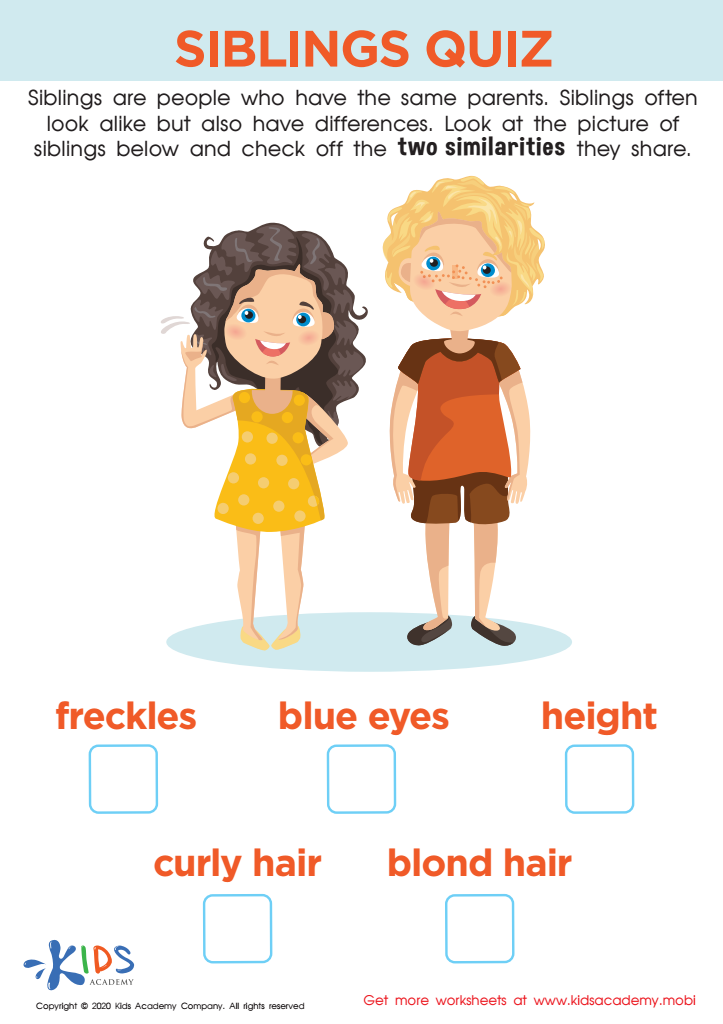
Siblings Quiz Worksheet








Parents and teachers should care about logical reasoning and its connection to understanding normal plants and animals because it forms a foundational skill set vital for a child's cognitive development. Logical reasoning helps children comprehend cause-and-effect relationships, organize their thoughts, and solve problems systematically. When children learn about plants and animals, they're not only absorbing facts but also utilizing observation, classification, and analytical skills. For instance, understanding why plants need sunlight and water encourages them to draw connections between the environment and life cycles, elaborating biological principles through logical structures.
Engaging with logical reasoning in the context of plants and animals also promotes curiosity and scientific inquiry. By asking questions like "Why do some animals hibernate?" or "How do plants adapt to their environment?", children are guided toward making hypotheses, testing them, and drawing conclusions—key components of scientific thinking. This fosters a love for learning and equips children with the skills to gather evidence and make informed decisions in various aspects of life.
Moreover, grounded knowledge about nature nurtures a sense of responsibility and empathy towards the environment, encouraging children to develop sustainable practices and appreciate biodiversity. Therefore, intertwining logical reasoning with natural studies cultivates smarter, more aware individuals equipped to address future challenges thoughtfully.







