Fine Motor Skills Normal Grade 2 ABC Letters Worksheets
23 filtered results
-
From - To
Enhance your second grader’s fine motor skills with our engaging ABC letters worksheets! Designed specifically for Grade 2 learners, these printable activities promote letter recognition and writing proficiency. Fun and interactive, our worksheets will help your child master the alphabet through tracing, coloring, and connecting exercises. As students practice their motor skills, they will build confidence and develop a solid foundation in handwriting. Ideal for home or classroom use, our finely crafted resources are tailored to meet educational standards while keeping your child entertained. Explore our collection today and watch your little one flourish while learning the ABCs!
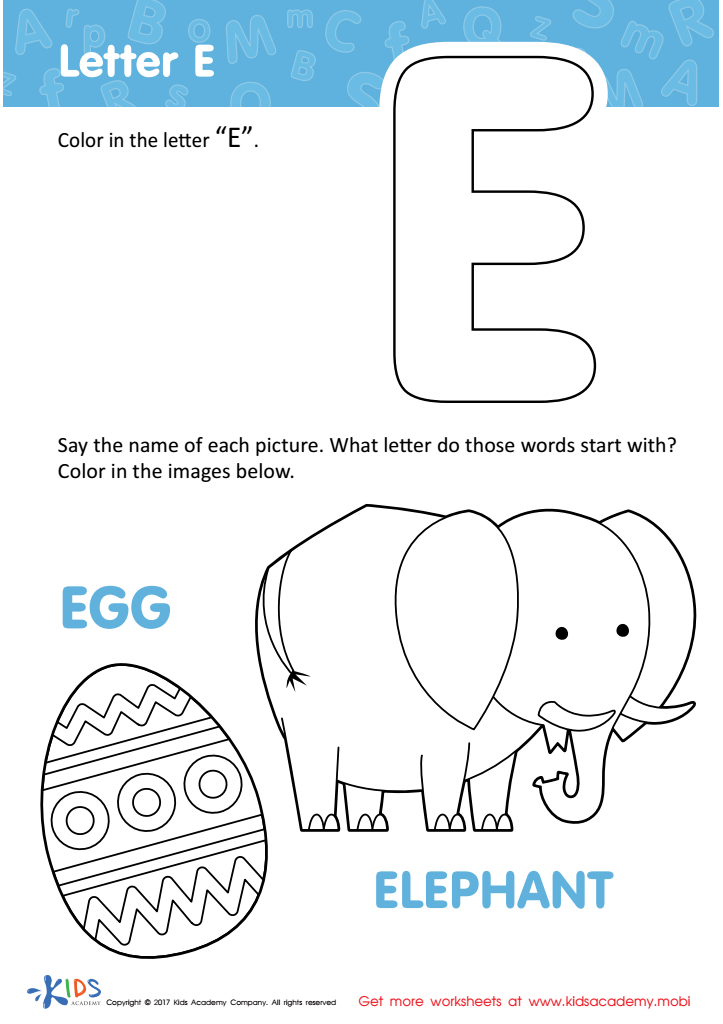
Letter E Coloring Sheet
 Assign to My Students
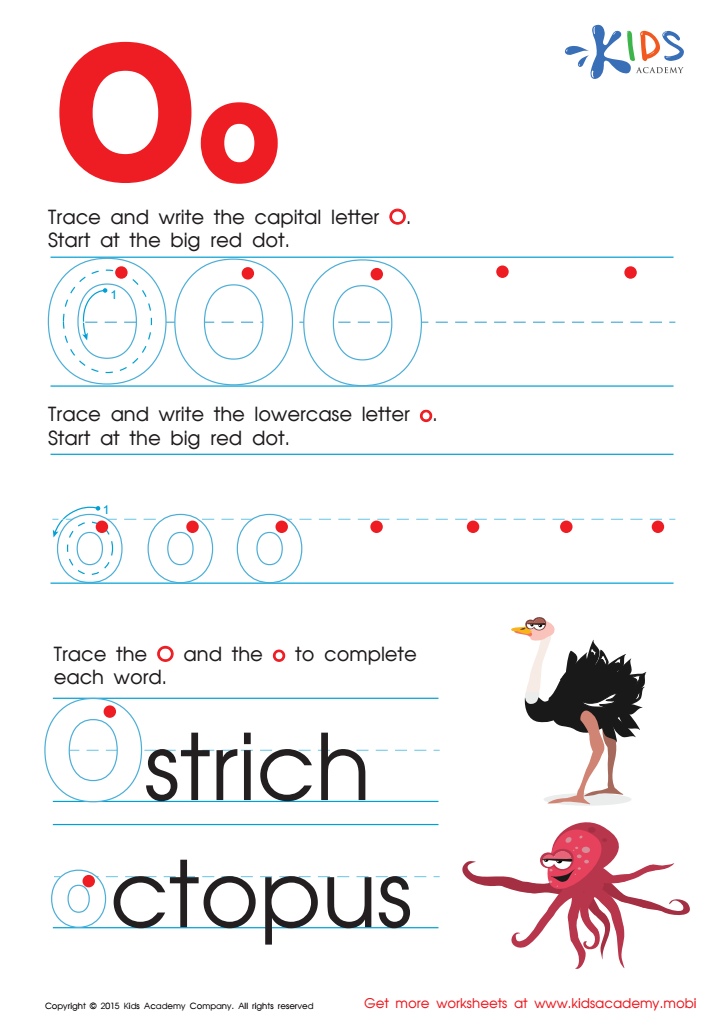
Letter O Tracing Page
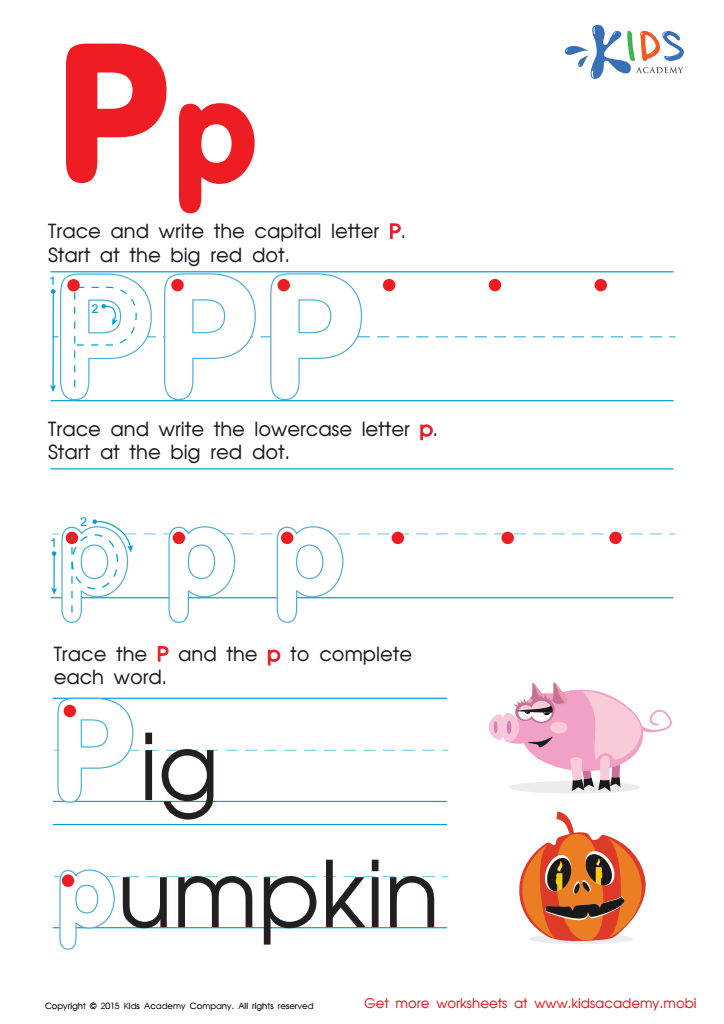
Letter P Tracing Page
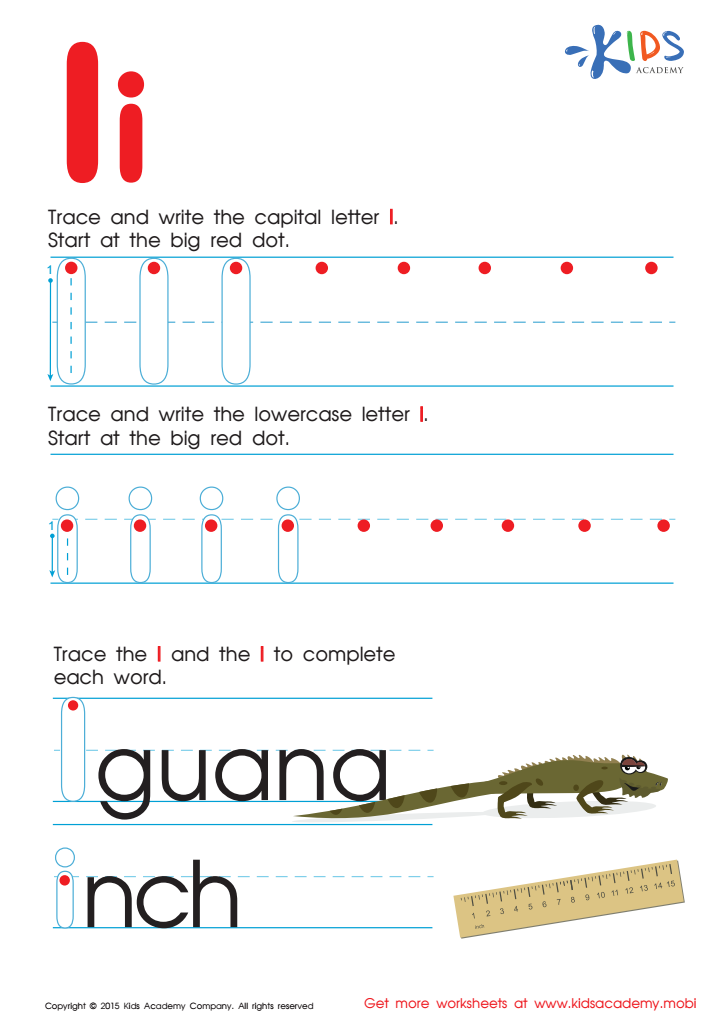
Letter I Tracing Page
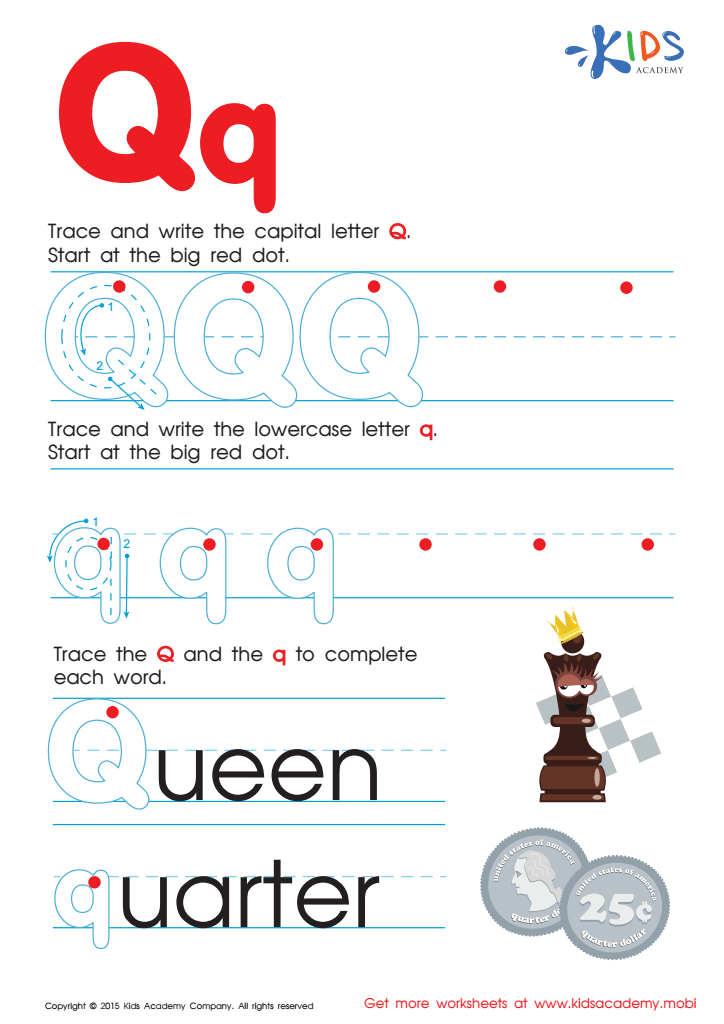
Letter Q Tracing Page
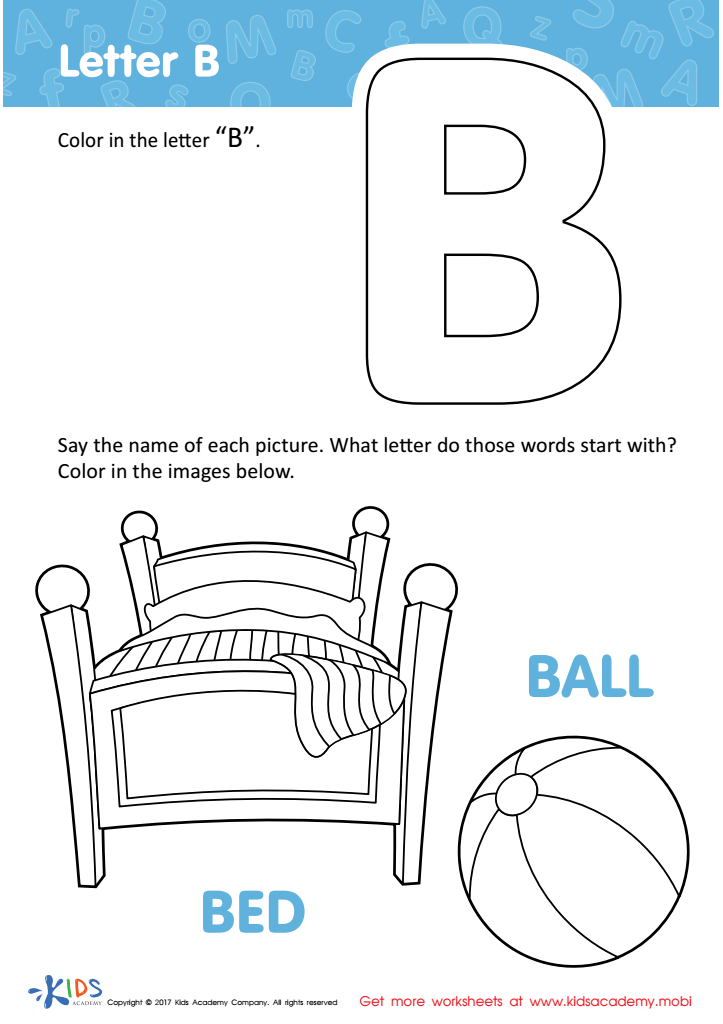
Letter B Coloring Sheet
Assign to My Students
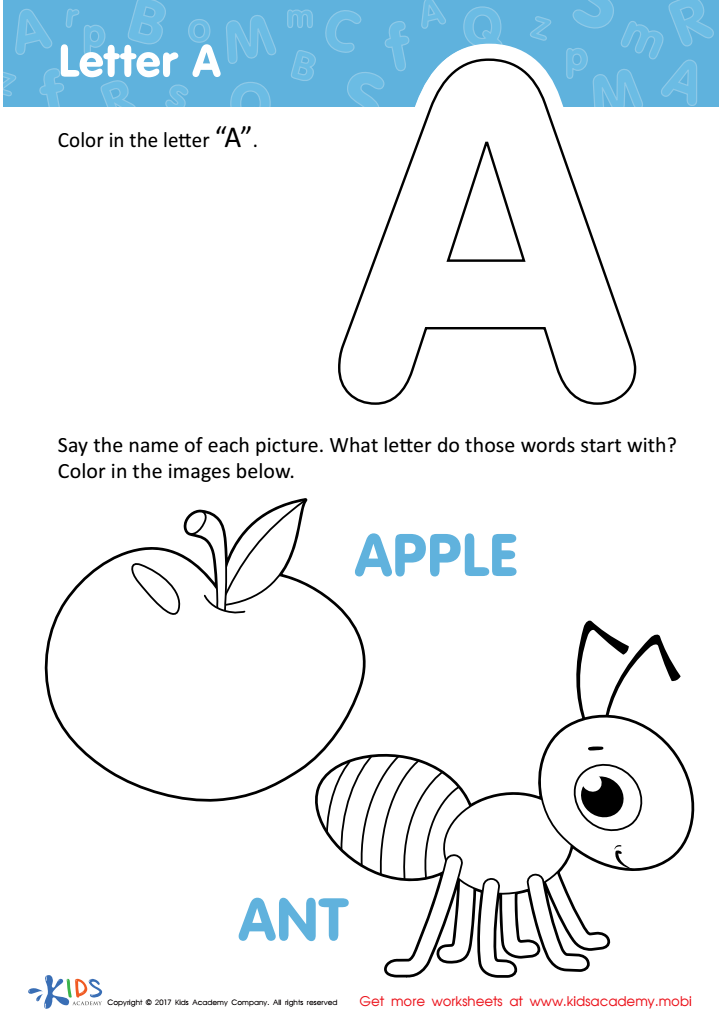
Letter A Coloring Sheet
Assign to My Students
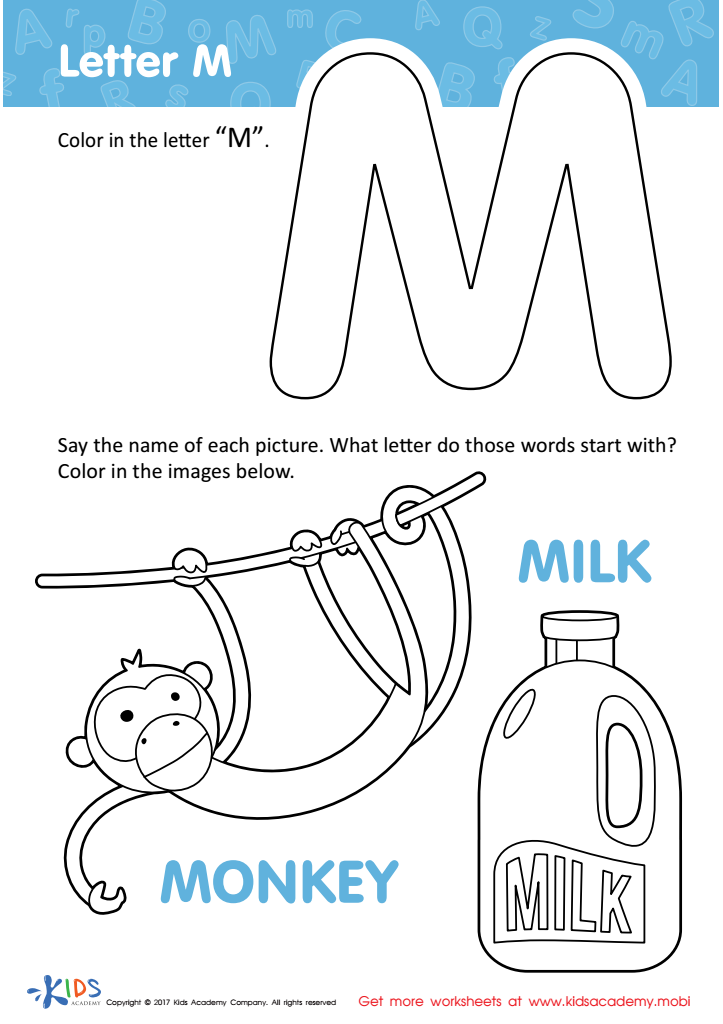
Letter M Coloring Sheet
Assign to My Students
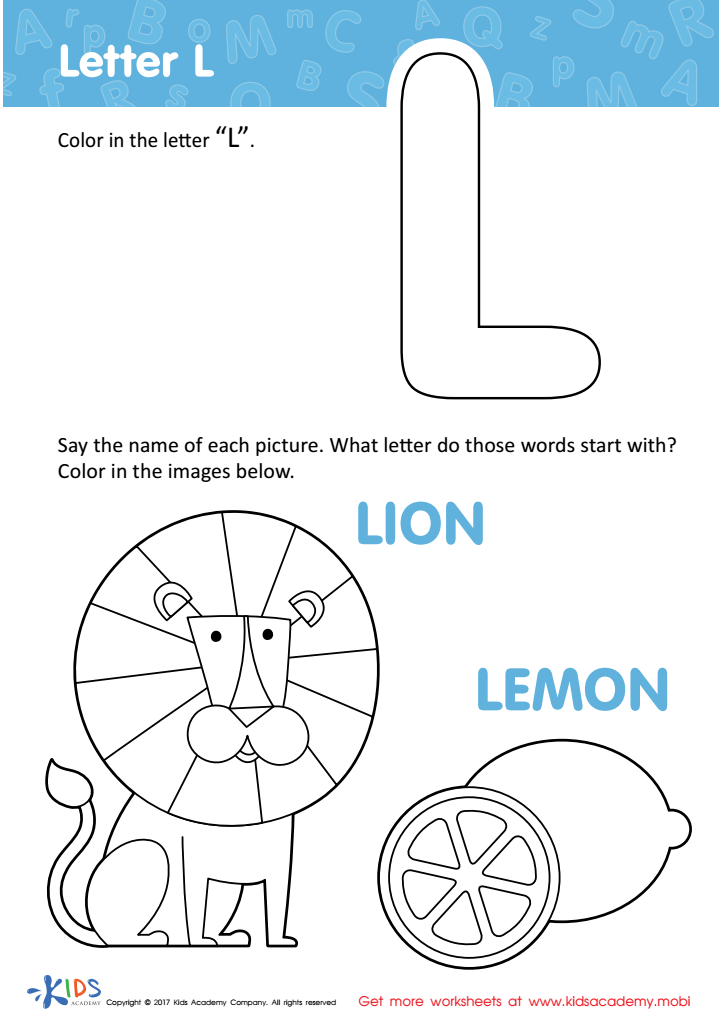
Letter L Coloring Sheet
Assign to My Students
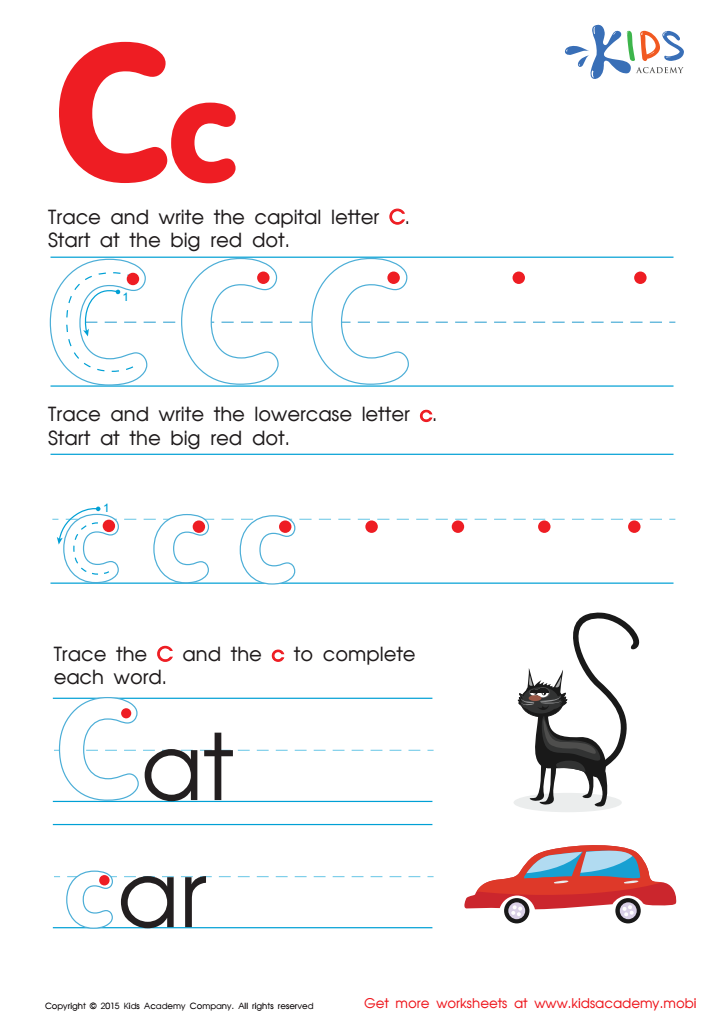
Letter C Tracing Page
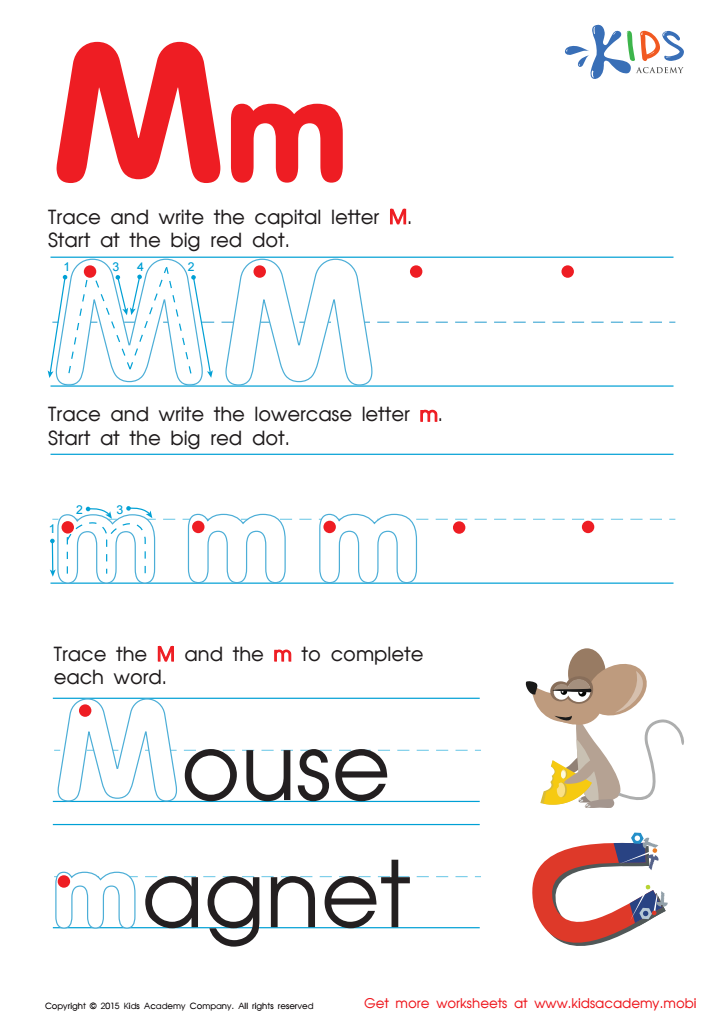
Letter M Tracing Page
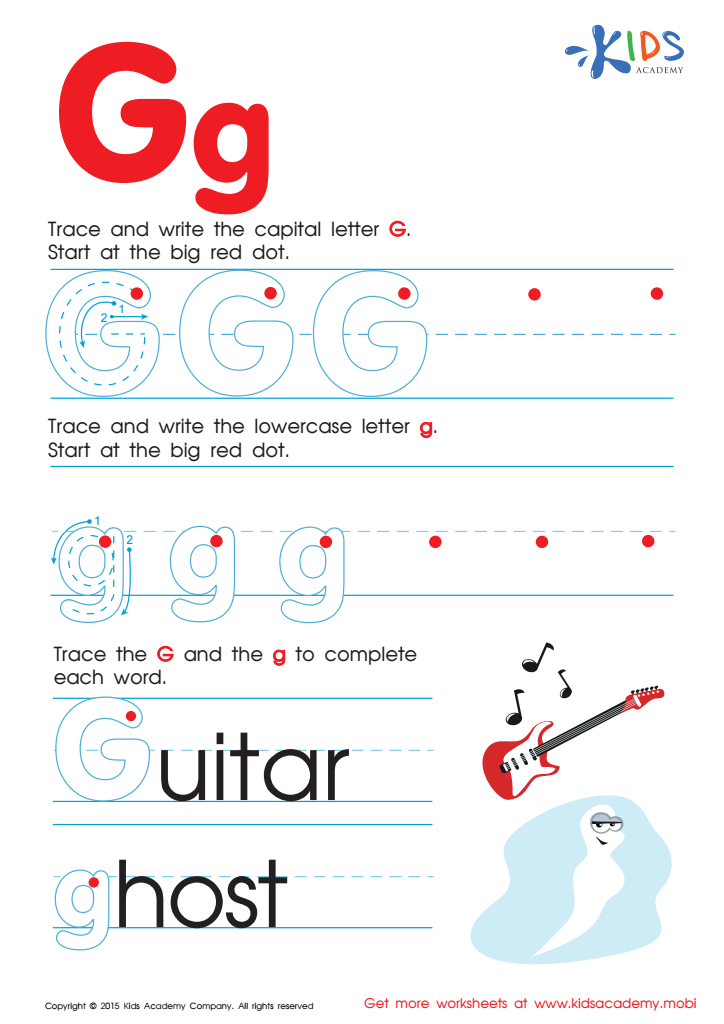
Letter G Tracing Page
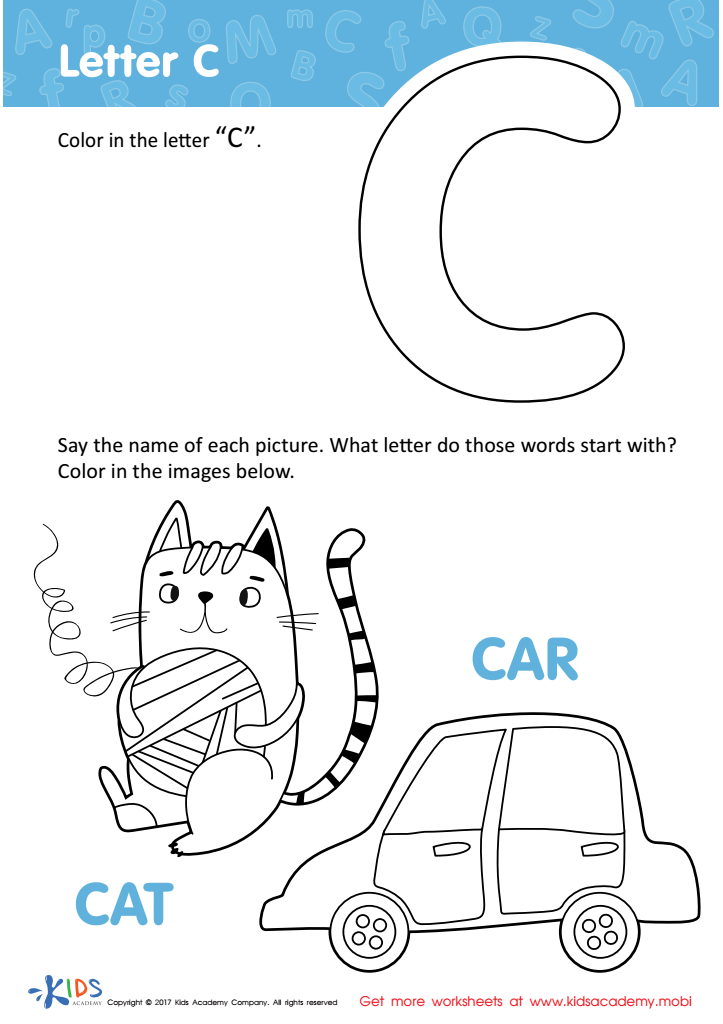
Letter C Coloring Sheet
Assign to My Students
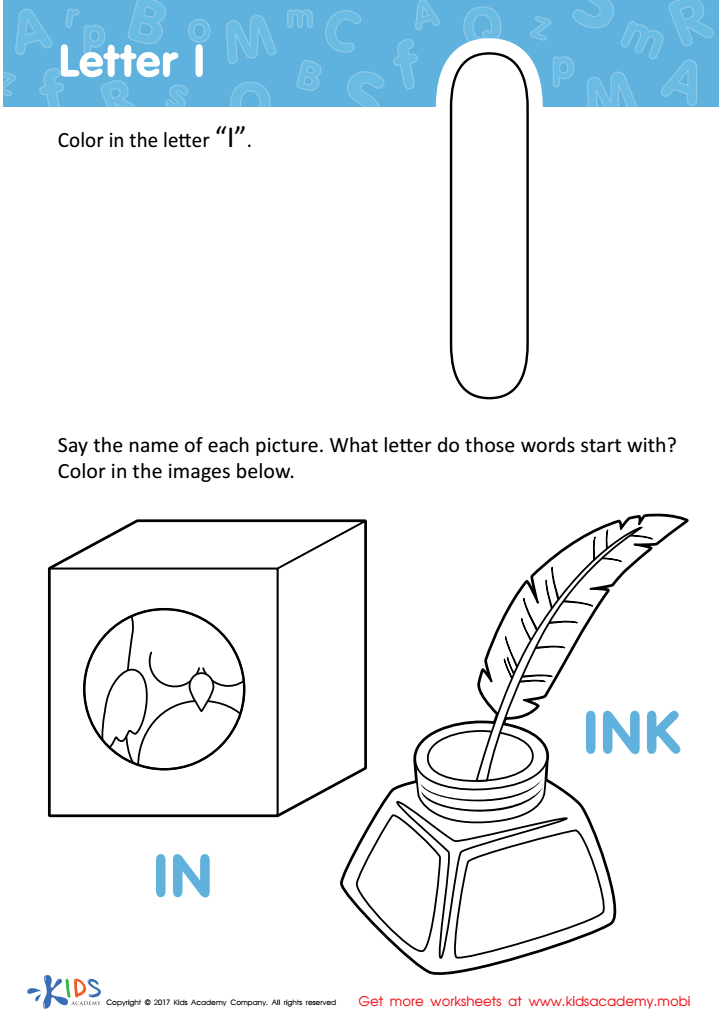
Letter I Coloring Sheet
Assign to My Students
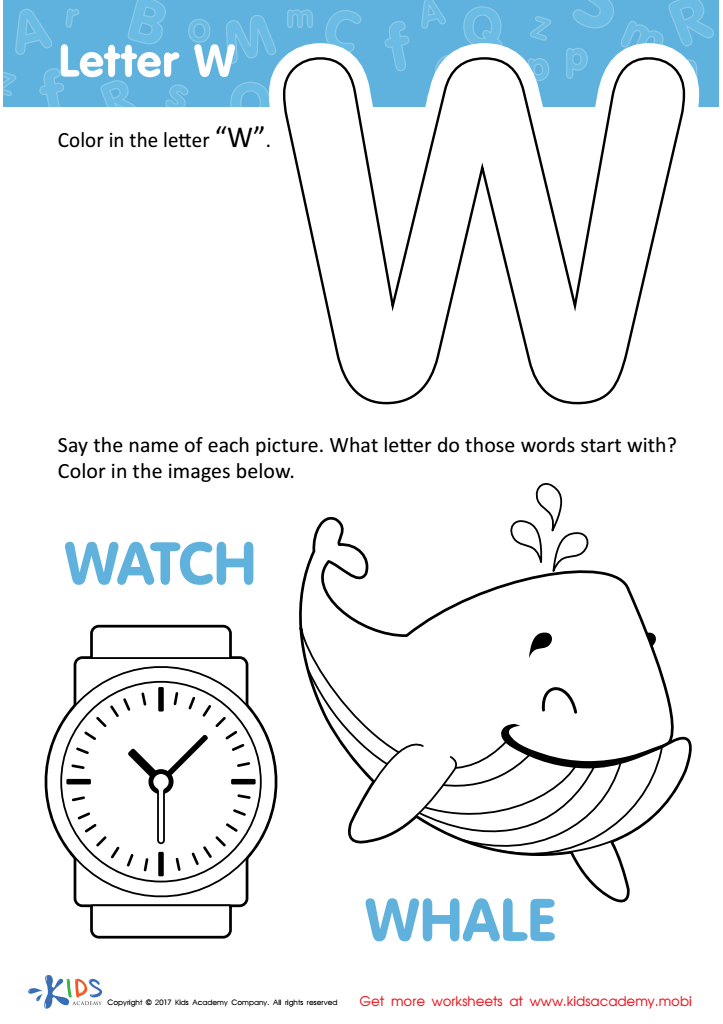
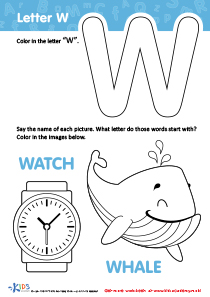
Letter W Coloring Sheet
Assign to My Students
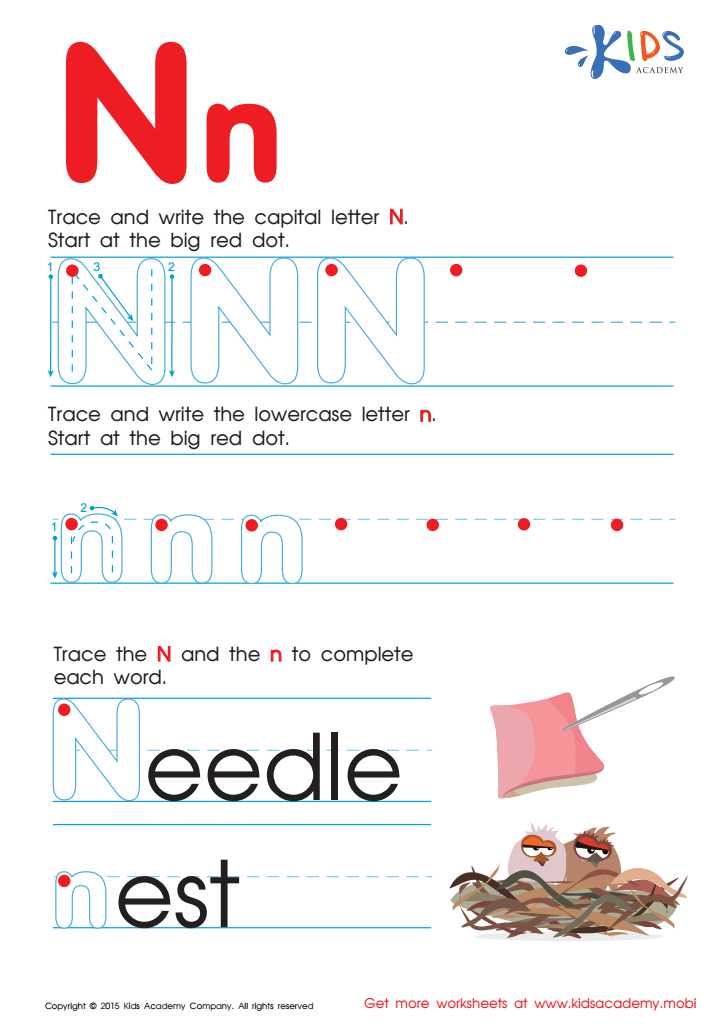
Letter N Tracing Page
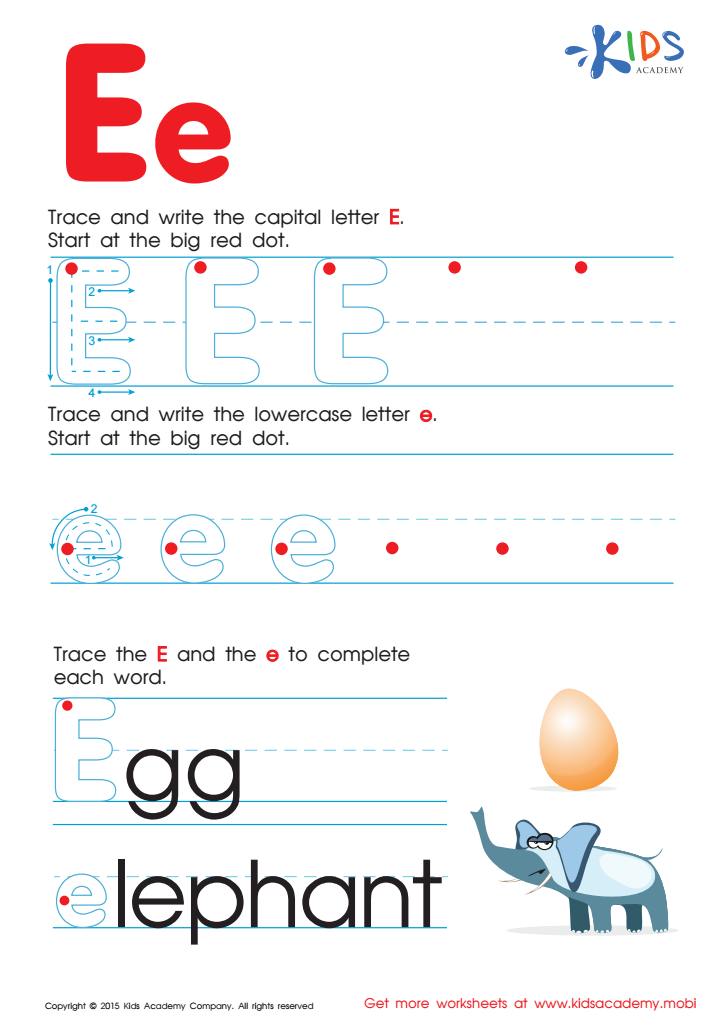
Letter E Tracing Page
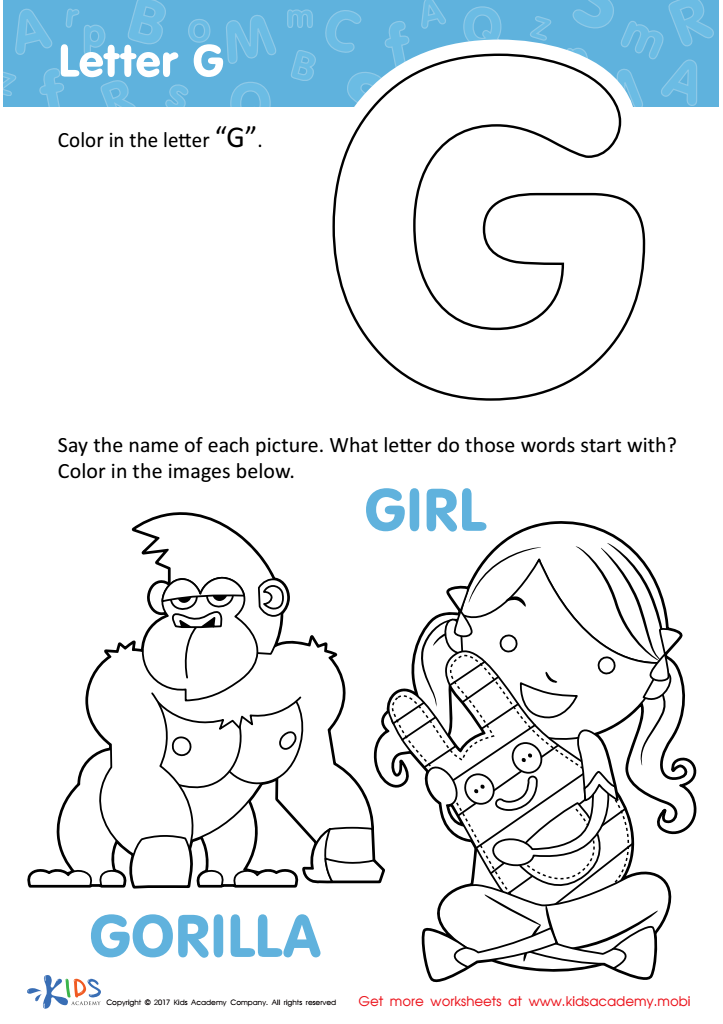
Letter G Coloring Sheet
Assign to My Students
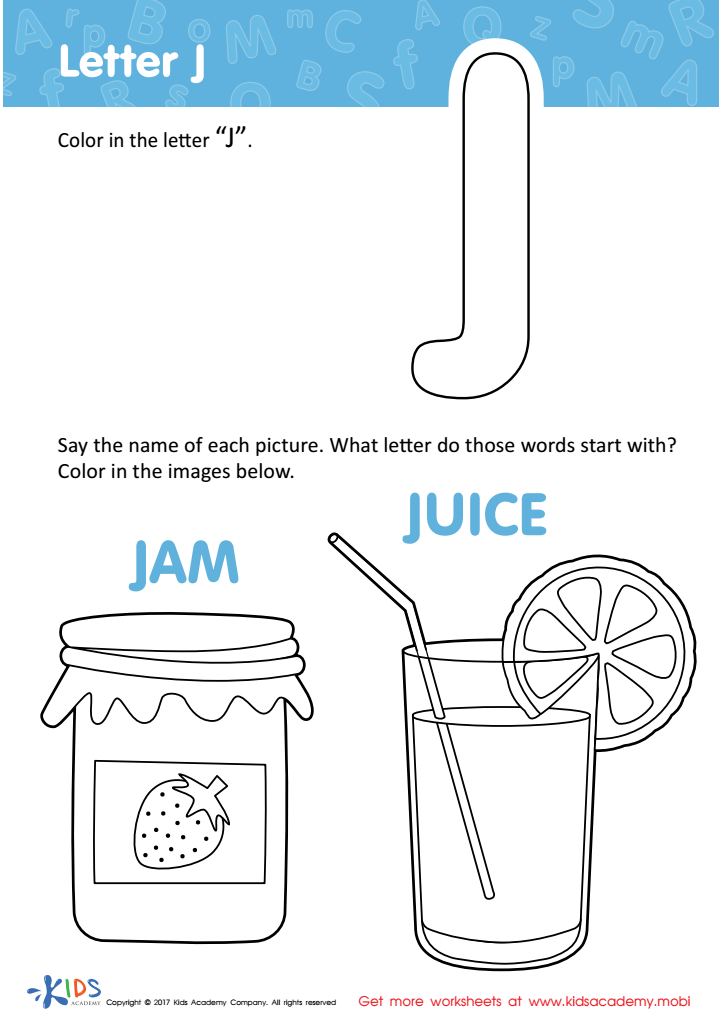
Letter J Coloring Sheet
Assign to My Students

Letter F Tracing Page
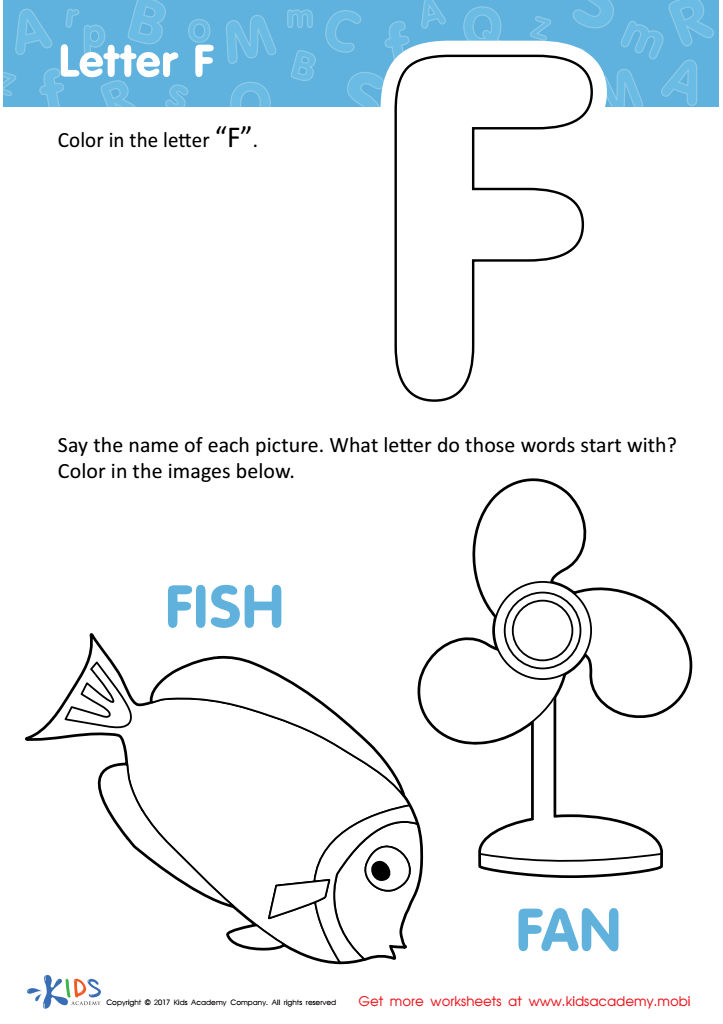
Letter F Coloring Sheet
Assign to My Students
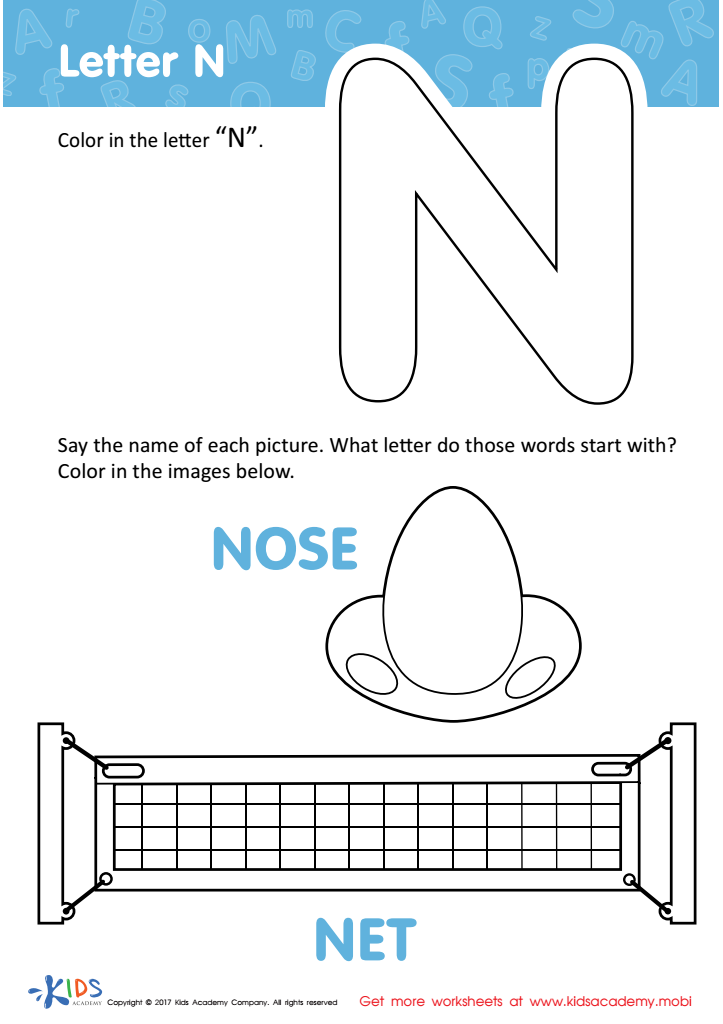
Letter N Coloring Sheet
Assign to My Students

Letter D Tracing Page



Fine motor skills are essential for children's overall development, particularly in grade 2 when they are refining their ability to write and manipulate objects. These skills involve the coordination of small muscles in the hands and fingers, which are crucial for tasks such as writing letters and numbers, drawing, and cutting with scissors. The ability to form letters correctly is not only vital for legibility but also impacts a child's confidence and willingness to engage in written work.
Parents and teachers should care about fine motor skills because they play a fundamental role in a child’s academic success. In grade 2, students are transitioning from learning to write to writing to learn. If children struggle with fine motor skills, they may find written assignments overwhelming, which can lead to frustration and a negative attitude towards learning.
Furthermore, developing fine motor skills supports cognitive development, as children learn to concentrate, follow directions, and enhance their problem-solving abilities. Encouraging activities that promote these skills, such as drawing, crafting, or practicing letter formation through play, can significantly impact a child’s educational experience and long-term success. Recognizing and supporting the development of fine motor skills will foster confidence and independence in young learners.