Alphabet tracing Normal Grade 2 Alphabet Worksheets
5 filtered results
-
From - To
Explore our engaging Grade 2 Alphabet Tracing Worksheets designed to enhance your child's literacy skills! These colorful, printable worksheets help young learners practice letter formation, improving their handwriting and familiarity with the alphabet. Each worksheet features a variety of tracing activities for both uppercase and lowercase letters, creating a fun and interactive learning experience. Perfect for classroom use or at-home practice, our worksheets boost confidence in letter recognition and writing. Ideal for second graders, these resources align with educational standards and cater to different learning styles. Start tracing today and watch your child's reading and writing skills flourish!
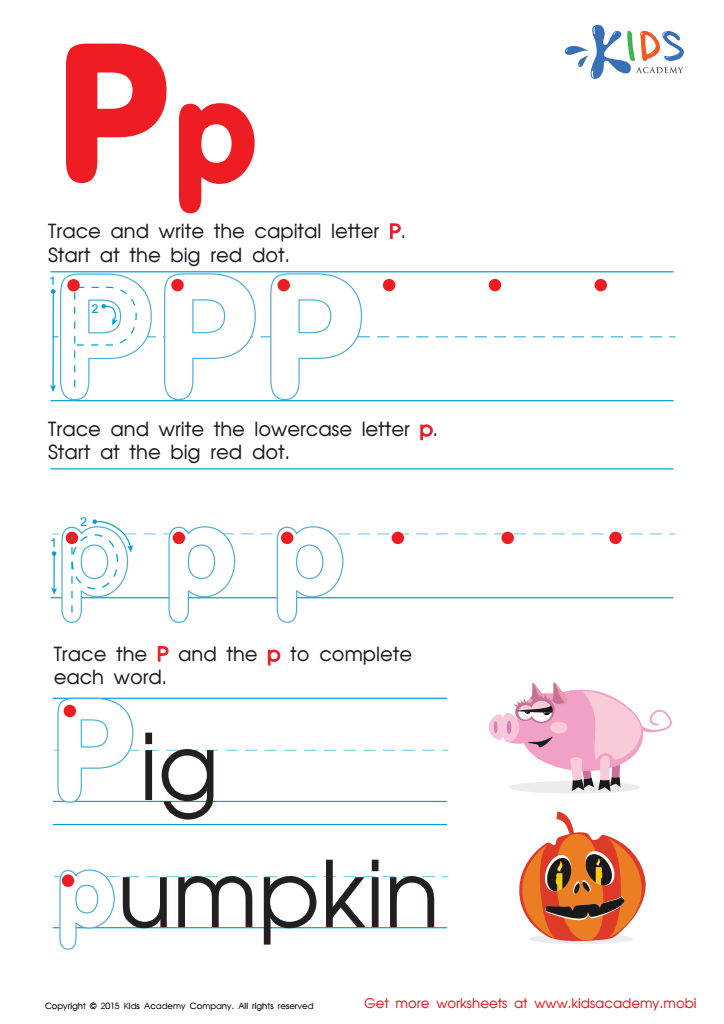
Letter P Tracing Page
 Assign to My Students
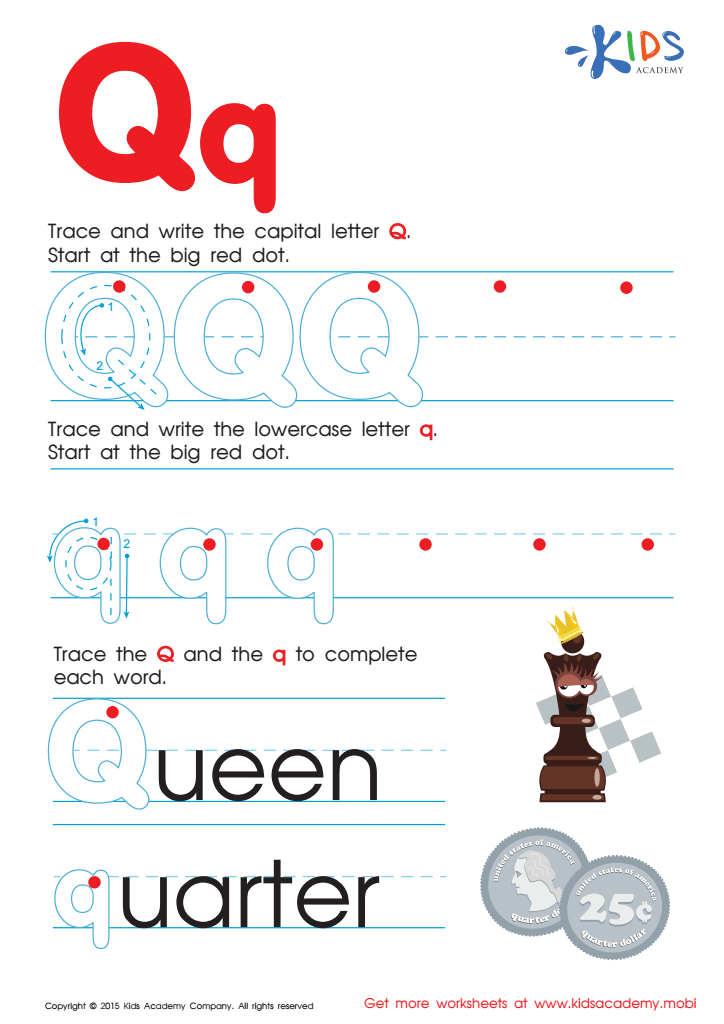
Letter Q Tracing Page

Letter H Tracing Page
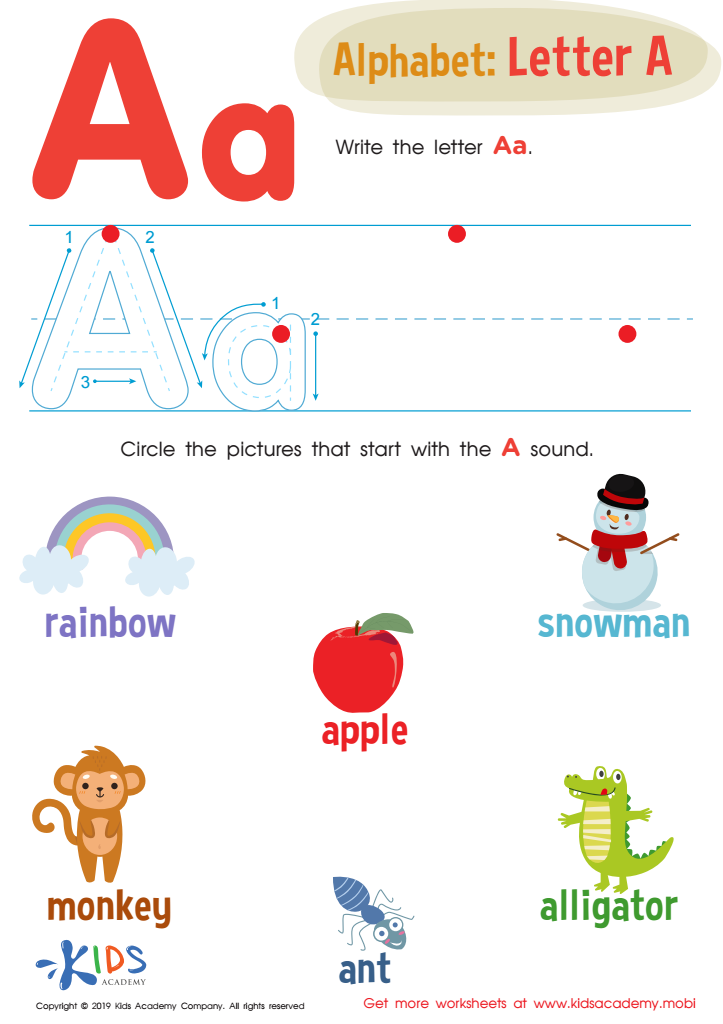
Letter A Tracing Worksheet

Letter D Tracing Page








Alphabet tracing is an essential component of early literacy development, particularly in Grade 2, where children solidify their understanding of letters and sounds. Parents and teachers should be invested in this practice for several reasons.
Firstly, tracing reinforces fine motor skills, helping children develop the hand-eye coordination necessary for writing. As students trace letters, they practice control and precision, laying the foundation for more complex writing tasks.
Secondly, tracing activities are not only about motor skills but also cognitive engagement. As children trace each letter, they recognize letter shapes and learn their correct formation, which is crucial for writing fluency. This recognition builds confidence and boosts their ability to read and spell, essential skills for academic success.
Additionally, tracing can be an engaging way to combine learning with fun. Through creative activities like coloring or using different materials, teachers and parents can make tracing enjoyable, motivating children to practice more.
In summary, incorporating Alphabet tracing into Grade 2 practices fosters essential motor skills, enhances recognition and fluency, and nurtures a love for learning—all critical factors for a child’s educational journey. Therefore, both parents and teachers play a pivotal role in promoting these activities to support literacy development.