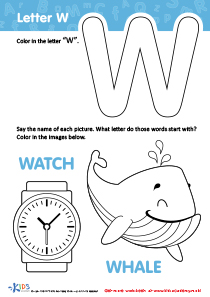
Phonics practice Normal Grade 2 Alphabet Worksheets
6 filtered results
-
From - To
Enhance your second grader's literacy skills with our Phonics Practice Normal Grade 2 Alphabet Worksheets! These engaging worksheets are specifically designed to strengthen phonetic awareness through fun exercises and activities. Students will explore letter sounds, blending techniques, and word formation, empowering them to read and write with confidence. Featuring vibrant illustrations and interactive tasks, our worksheets make learning enjoyable and effective. Perfect for classroom use or at-home practice, these resources cater to diverse learning needs and help reinforce essential skills foundational to language development. Dive into phonics practice today and watch your child thrive in their reading journey!
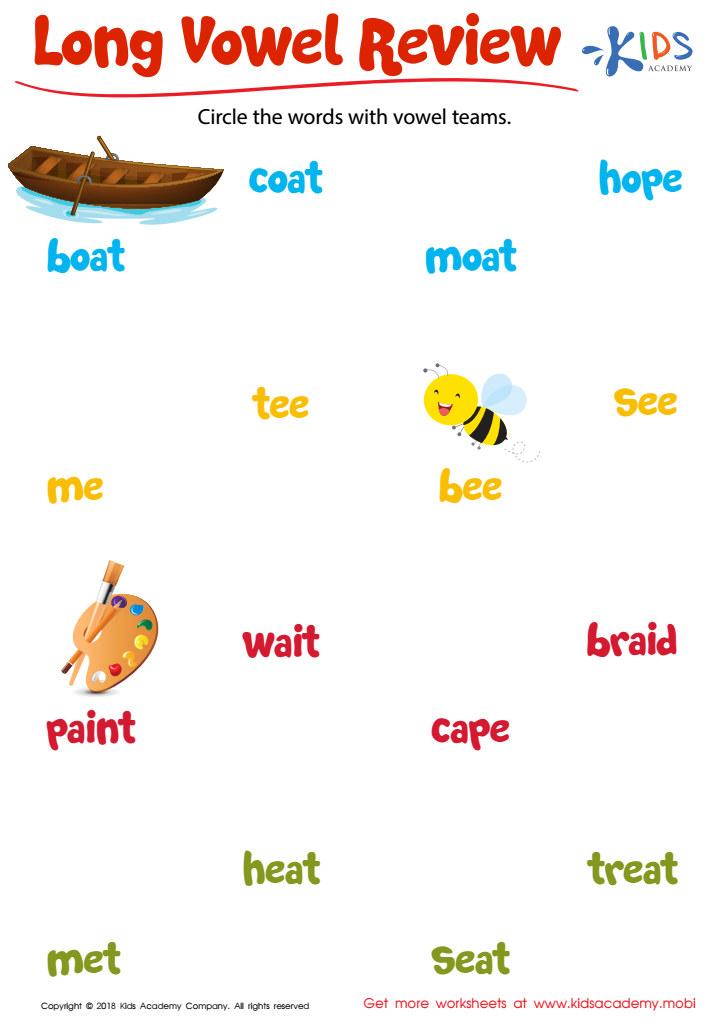
Long Vowel Review Worksheet
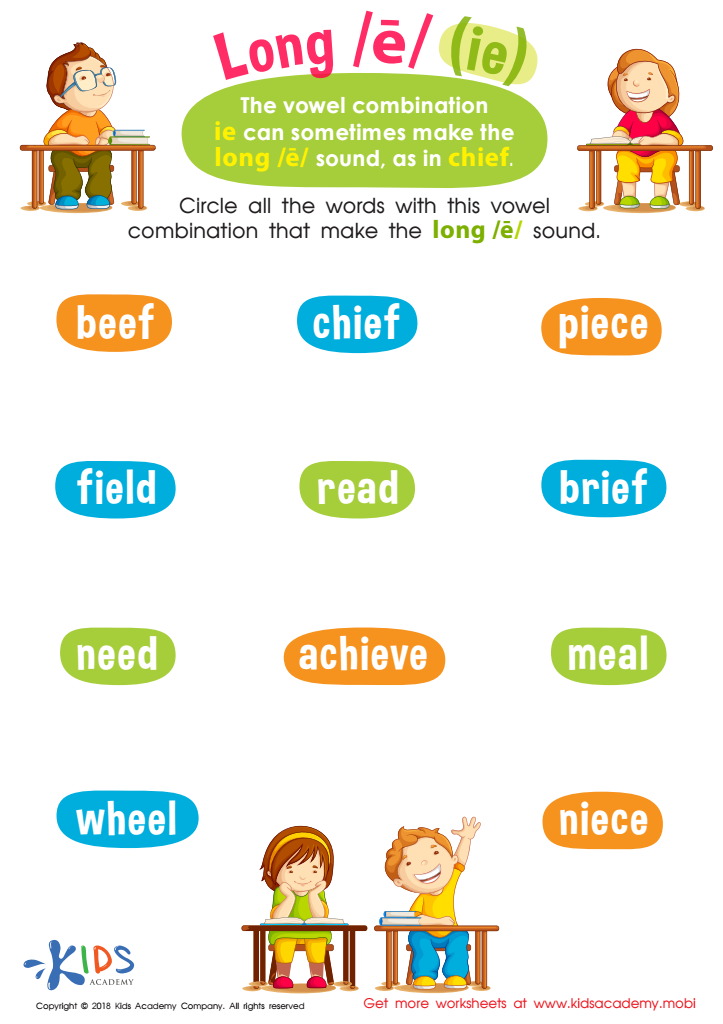
Reading: Long E and IE Worksheet
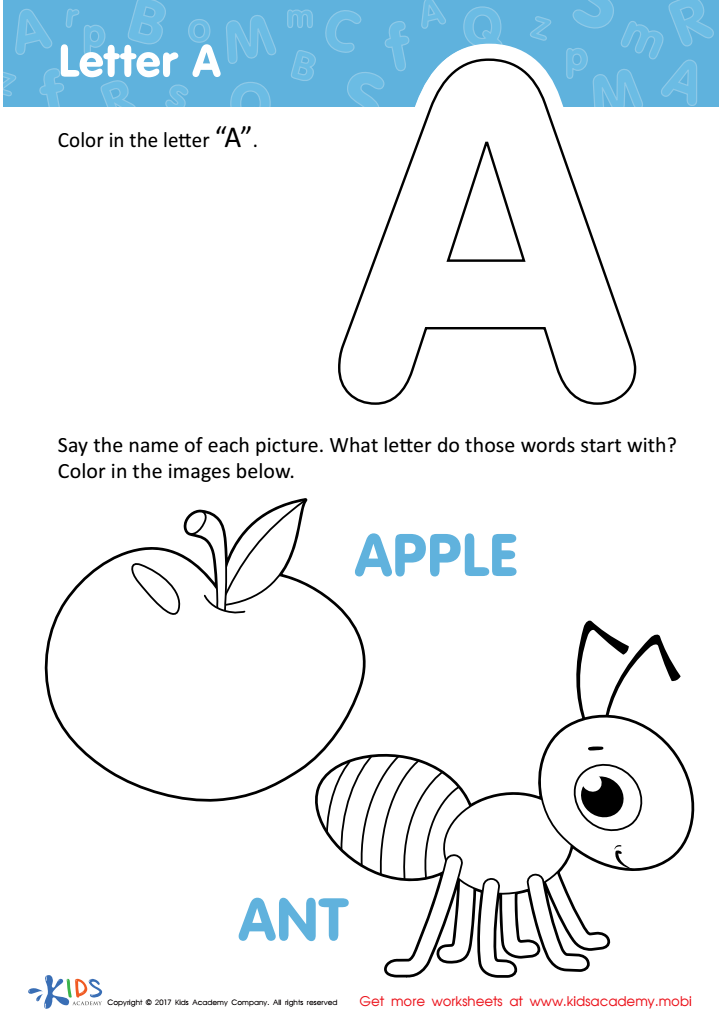
Letter A Coloring Sheet
 Assign to My Students
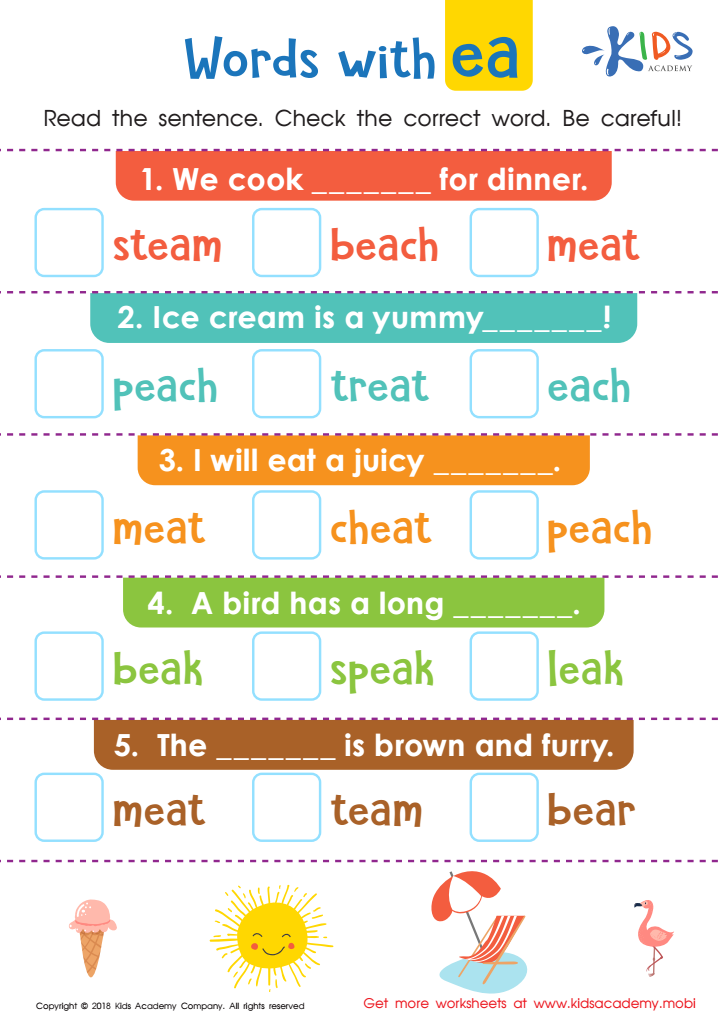
Words with ea Worksheet
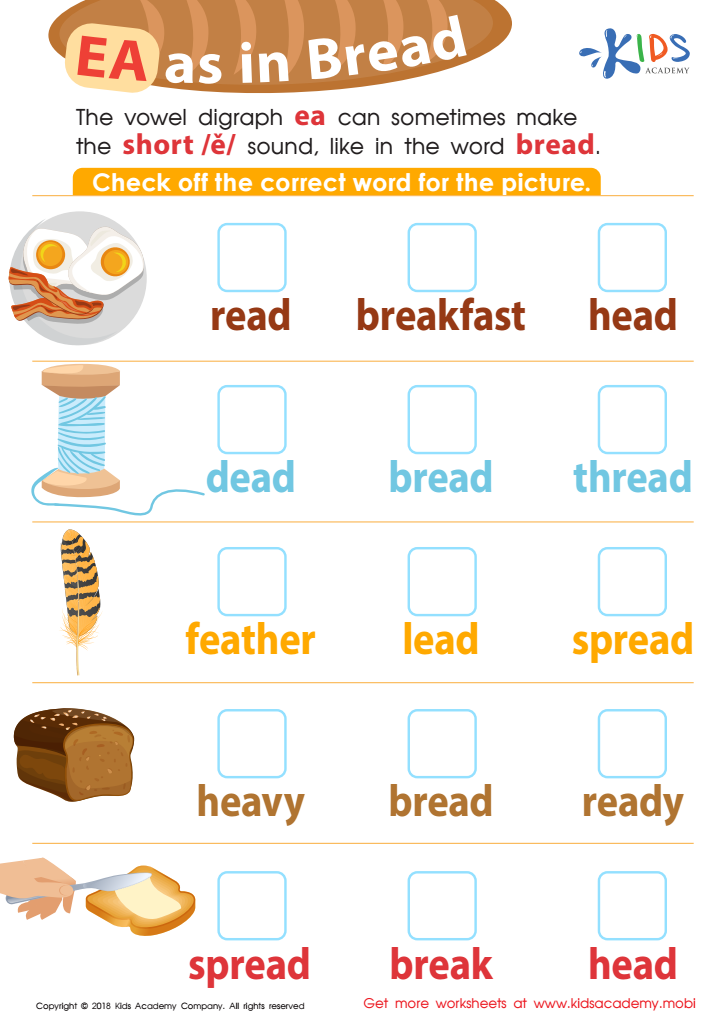
Reading: EA as in Bread Worksheet
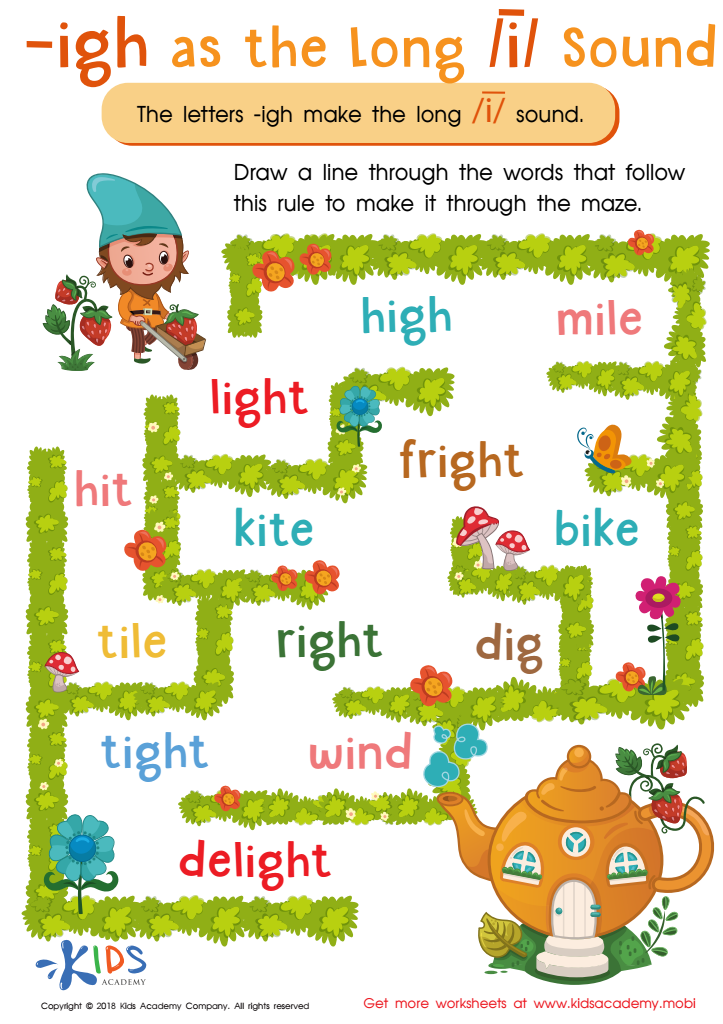
Reading: IGH as Long I Worksheet








Phonics practice is essential for Grade 2 students as it plays a crucial role in their reading and writing development. Understanding phonics helps children decode words by recognizing the relationship between letters and sounds. At this age, children typically move from learning to read to reading to learn, making phonemic awareness vital in developing their literacy skills.
Firstly, phonics promotes reading fluency. When students grasp foundational phonics skills, they can read more smoothly and with greater comprehension, allowing them to engage with diverse texts. This is critical for their academic growth since their curriculums increasingly rely on reading as a means to acquire knowledge.
Secondly, solid phonics instruction enhances spelling skills and vocabulary acquisition. Children learn to connect sounds to letters, making it easier for them to decode unfamiliar words and enrich their vocabulary through varied literary encounters.
Lastly, phonics practice can boost a child's confidence in literacy skills. Children who feel competent in their reading capabilities are more likely to develop a love of reading, which is essential for lifelong learning. By actively supporting phonics practice, parents and teachers can empower their children to become proficient readers, ultimately setting the stage for academic success and beyond.