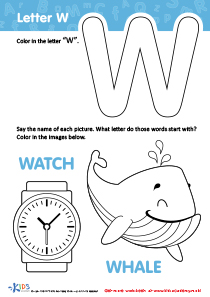
Reading comprehension Normal Grade 2 Alphabet Worksheets - Page 2
26 filtered results
-
From - To
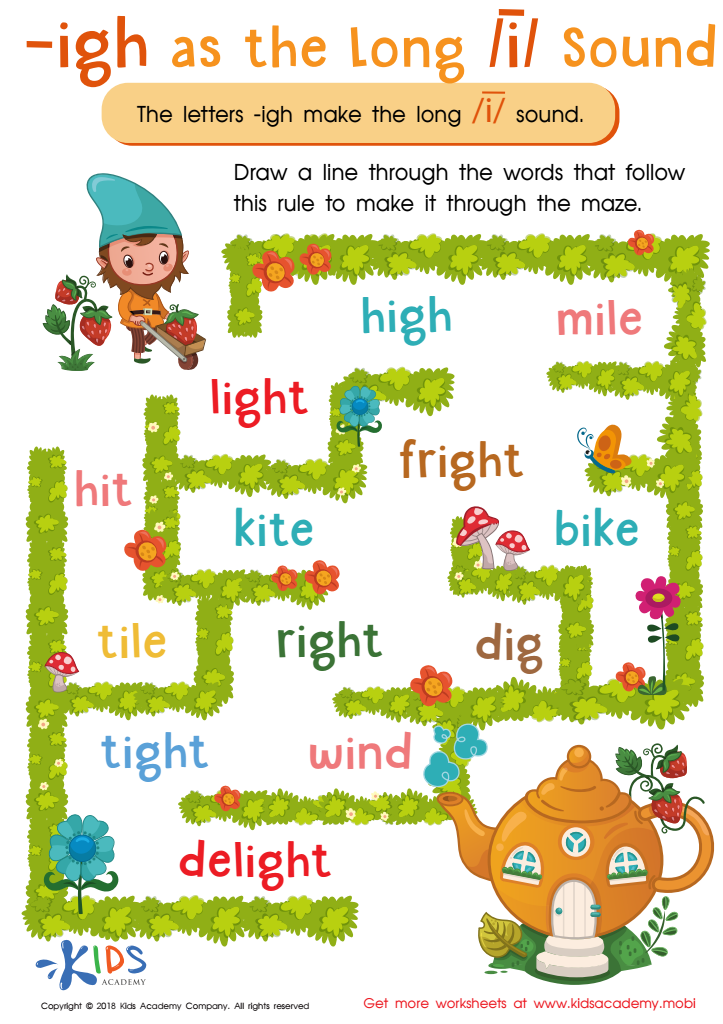
Reading: IGH as Long I Worksheet
 Assign to My Students
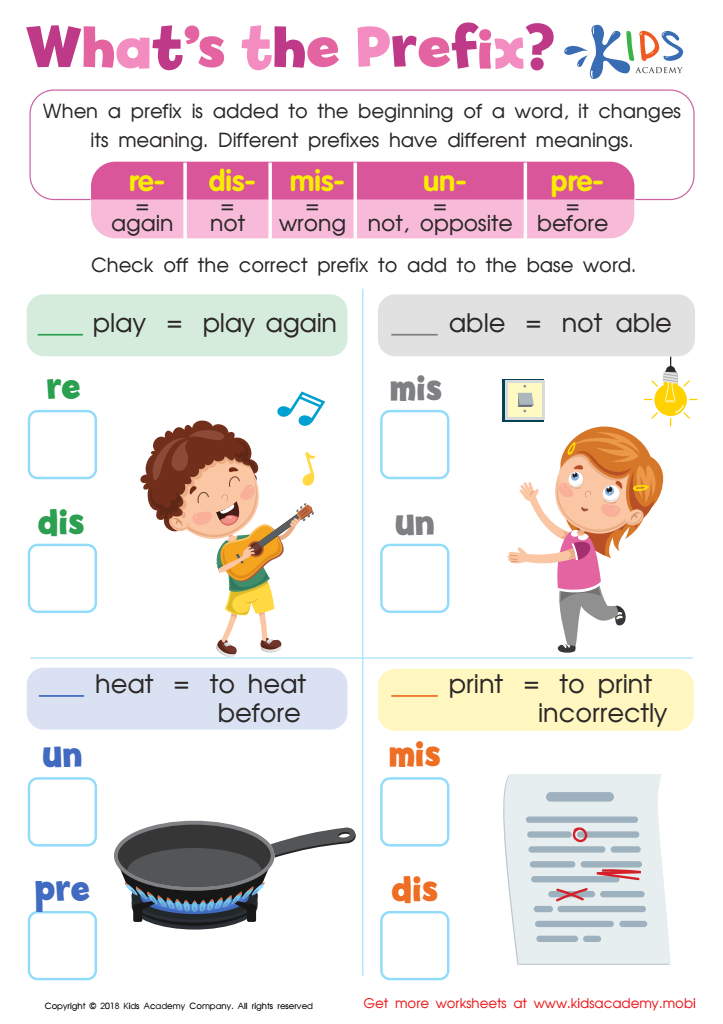
Reading: What Is the Prefix Worksheet








Reading comprehension is a critical skill for second graders, impacting their overall academic success and lifelong learning. At this age, children transition from learning to read to reading to learn. Mastering comprehension allows them to understand stories, gather information, and express thoughts more effectively.
First and foremost, strong reading comprehension helps children make connections between what they read and their own experiences, fostering critical thinking and creativity. It enhances vocabulary and verbal skills, providing a foundation for effective communication. Furthermore, skilled comprehension promotes enjoyment in reading—which can cultivate a lifelong love of literature.
Parents and teachers play a pivotal role in this developmental phase. They can create supportive environments that encourage practices like discussing storylines, asking open-ended questions, and engaging in shared reading activities. These efforts not only boost understanding but also improve confidence, making reading a pleasurable activity.
Inculcating good reading habits in early education leads to better performance in all subjects. Children with strong comprehension skills tend to perform better in assessments and are more prepared for future challenges. Thus, parents and teachers should actively prioritize and support reading comprehension to ensure children thrive academically and grow as inquisitive, well-rounded individuals.