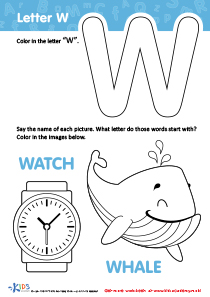
Reading Improvement Normal Grade 2 Alphabet Worksheets
5 filtered results
-
From - To
Enhance your second grader's reading skills with our specially designed "Reading Improvement Normal Grade 2 Alphabet Worksheets." These engaging worksheets focus on fundamental alphabet recognition and phonetics, providing students with targeted practice to boost their reading proficiency. Each worksheet incorporates fun activities and colorful illustrations, making learning enjoyable and effective. The exercises are tailored to reinforce vocabulary, enhance word recognition, and promote early literacy development. Perfect for classroom or home use, these worksheets serve as a valuable resource for educators and parents alike, assuring children build a strong foundation in reading as they progress through Grade 2. Explore our collection today!
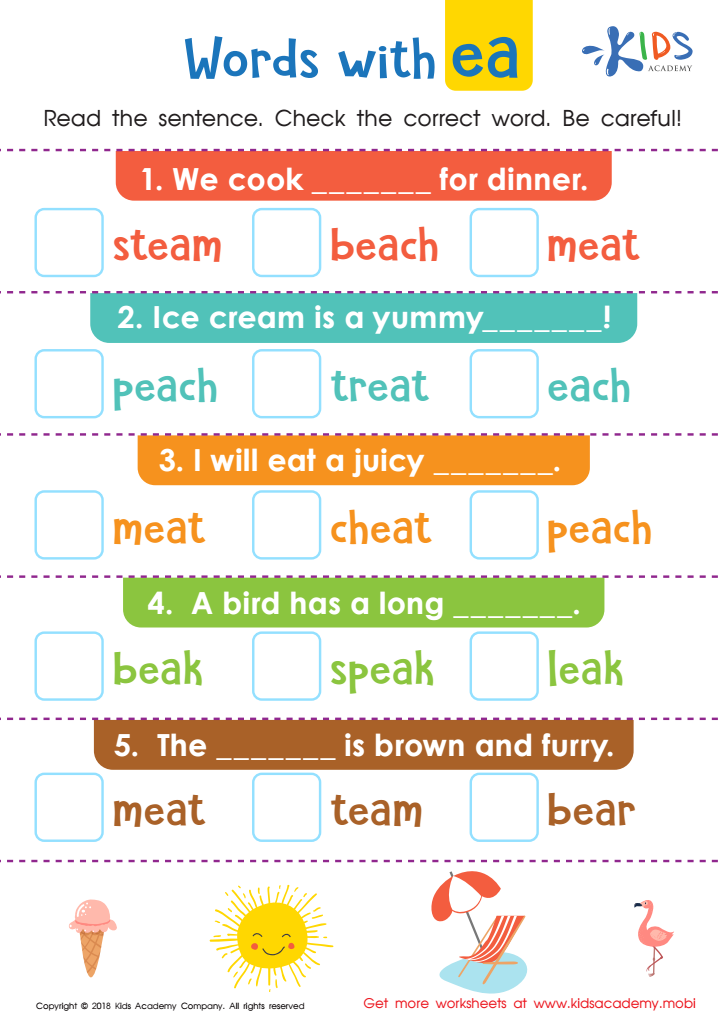
Words with ea Worksheet
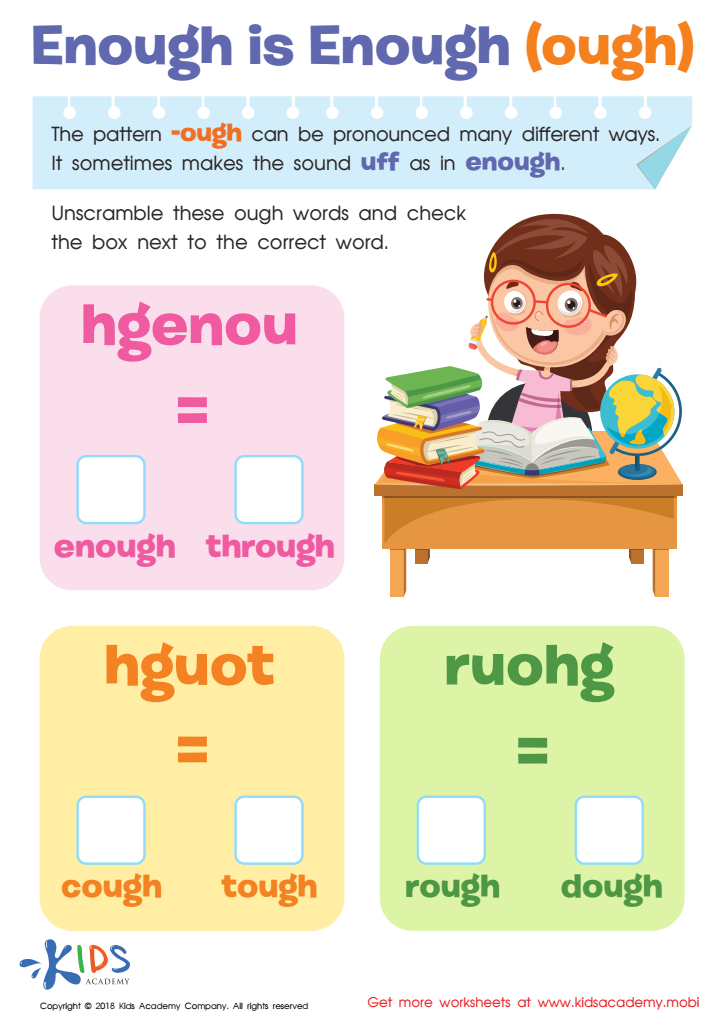
Enough Is Enough (ough) Worksheet
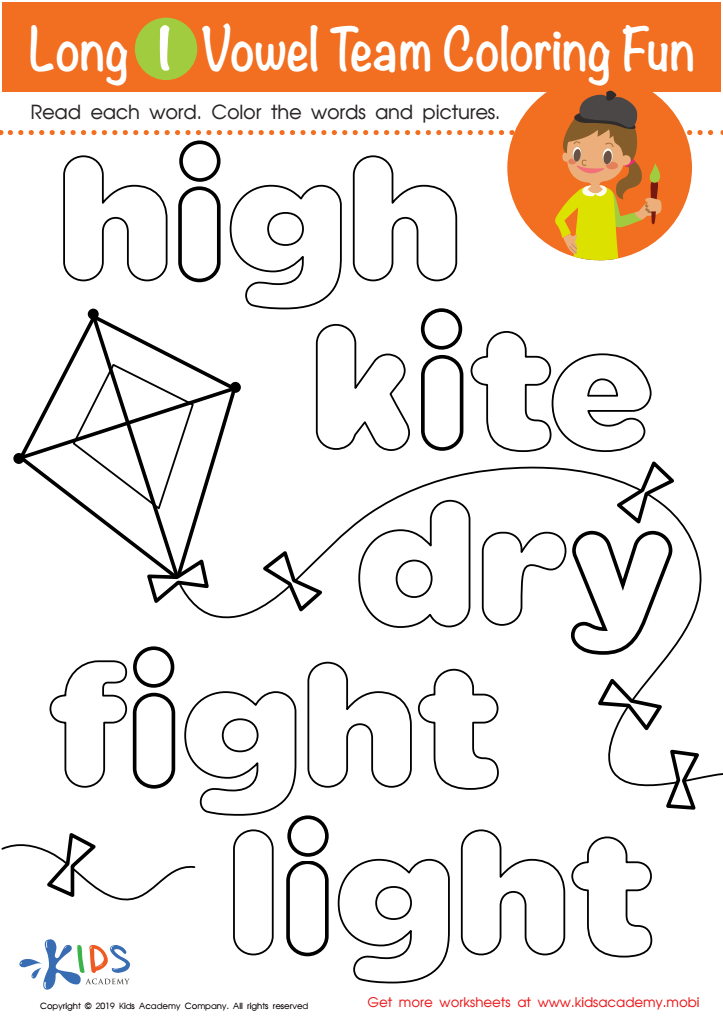
Long I Vowel Team Coloring Worksheet
 Assign to My Students
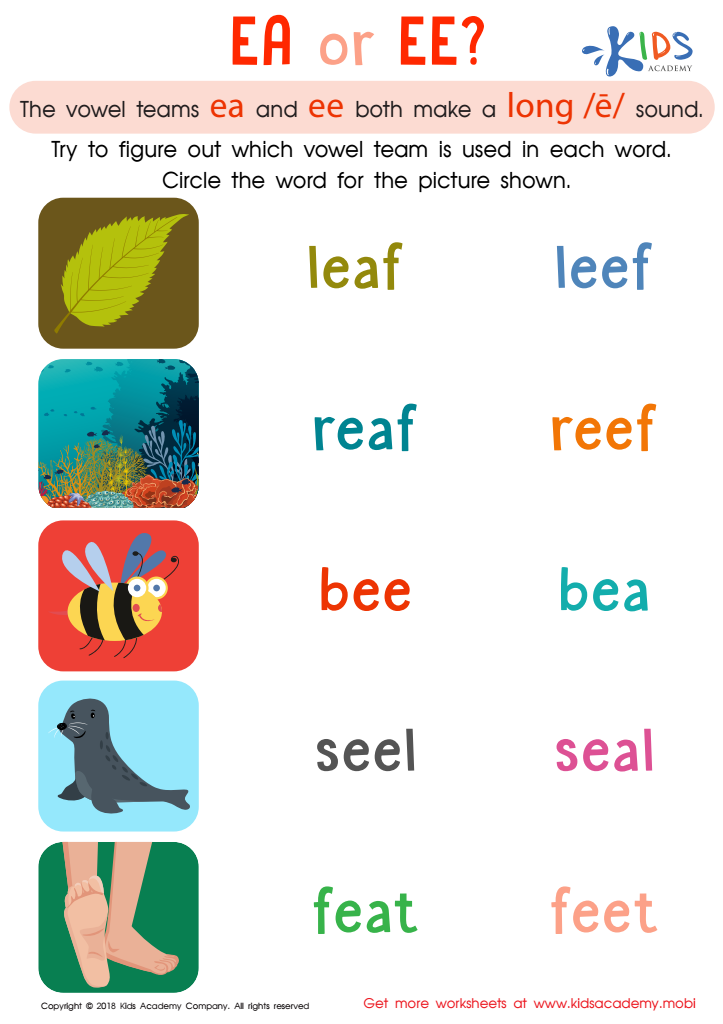
Reading: EA and EE Worksheet
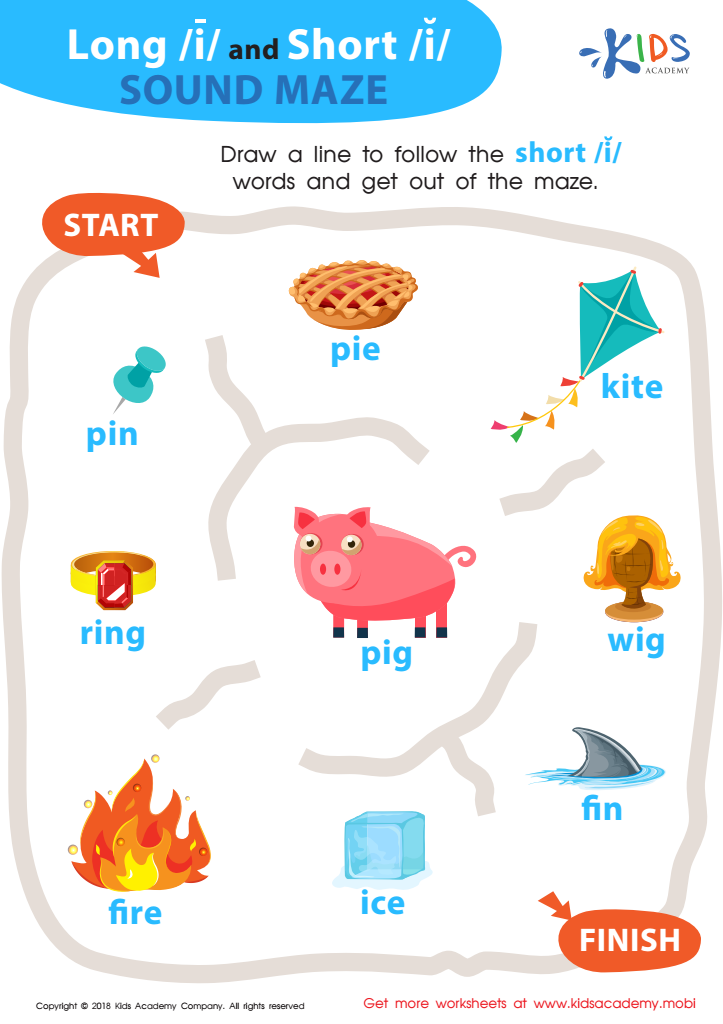
Reading: Long I and Short I Sound Maze Worksheet








Reading improvement in Grade 2, particularly focusing on the alphabet, is crucial for the foundational development of literacy skills in children. At this stage, children are transitioning from learning to read to reading to learn, making alphabet proficiency essential. Understanding letter recognition and sounds aids them in deciphering words, promoting fluency, and developing comprehension skills.
Parents and teachers should care because strong alphabet knowledge fosters confidence and motivation in young readers. It sets the stage for future academic success, influencing performance in all subjects, not just language arts. Inconsistent or poor reading skills at this level can hinder a child's yearning to learn, leading to frustration and aversion to reading.
Additionally, engaging in reading improvement initiatives helps identify individual needs, allowing for tailored support. This can close achievement gaps and ensure that every child has the opportunity to become a proficient reader, bolstering their enjoyment of literature and lifelong learning.
By prioritizing alphabet recognition and reading improvement in Grade 2, parents and teachers play a key role in nurturing a child’s educational journey, equipping them with essential tools for their future and fostering a deep appreciation for reading.