Reading Improvement Normal Grade 2 Phonics Worksheets
5 filtered results
-
From - To
Boost your second grader's reading skills with our engaging Phonics Worksheets designed specifically for reading improvement. These worksheets focus on essential phonetic concepts, helping children to decode words and improve their pronunciation. With fun exercises that reinforce vowel and consonant recognition, our resources make learning enjoyable. Each worksheet includes a variety of activities such as matching sounds, filling in blanks, and reading practice that cater to different learning styles. Ideal for both classroom and home use, our phonics worksheets lay a solid foundation for lifelong literacy. Discover the joy of reading as children gain confidence and skill in their abilities!
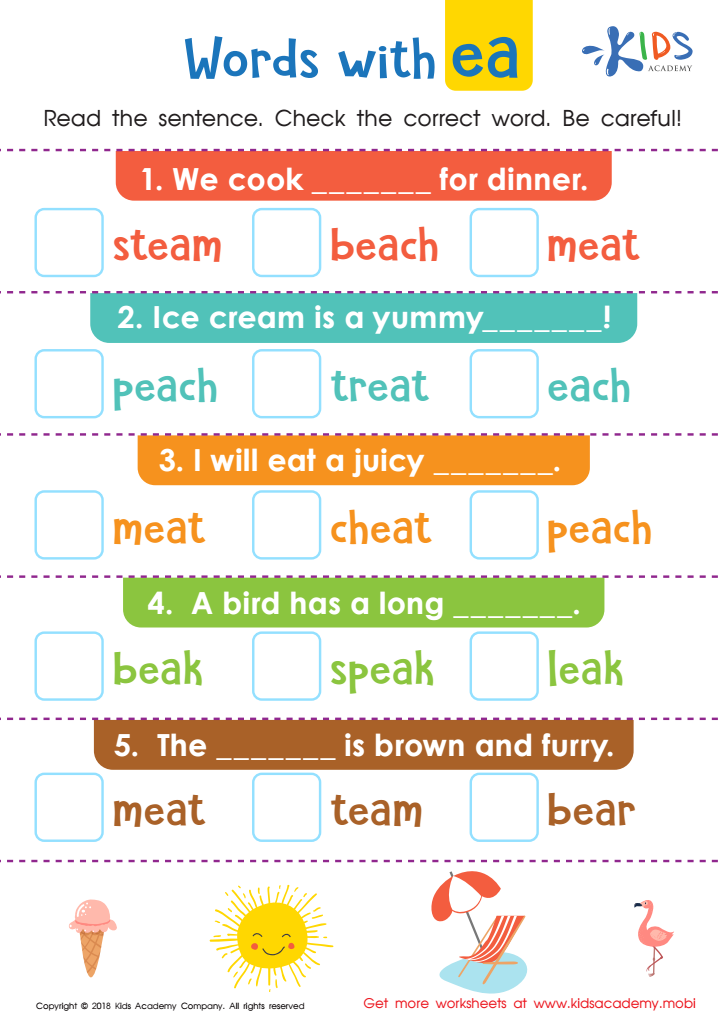
Words with ea Worksheet
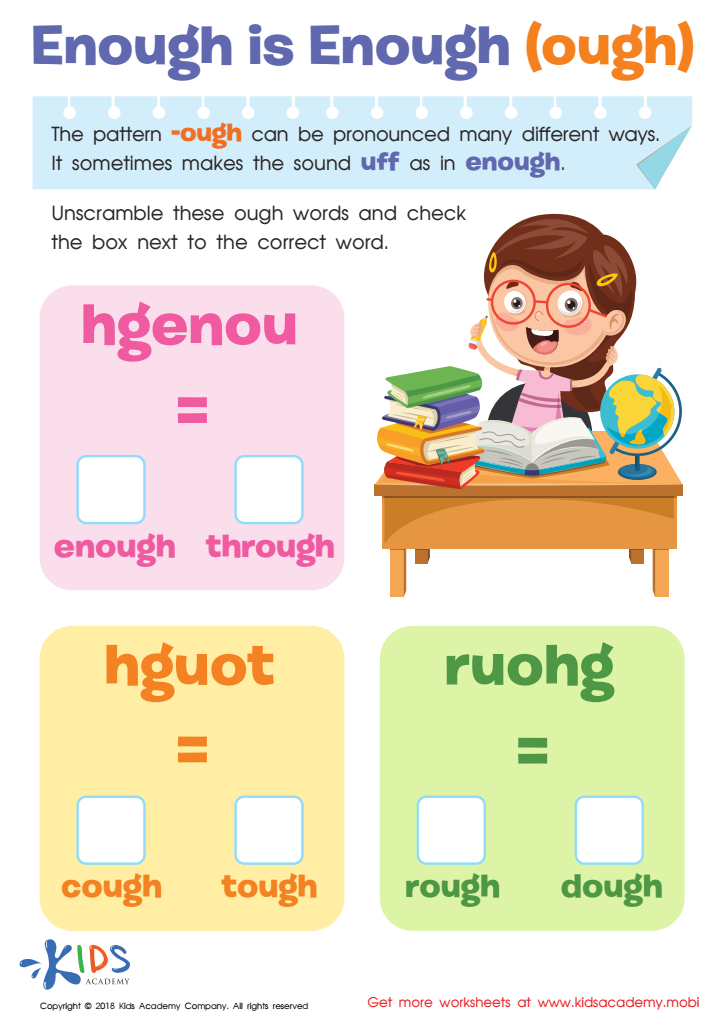
Enough Is Enough (ough) Worksheet
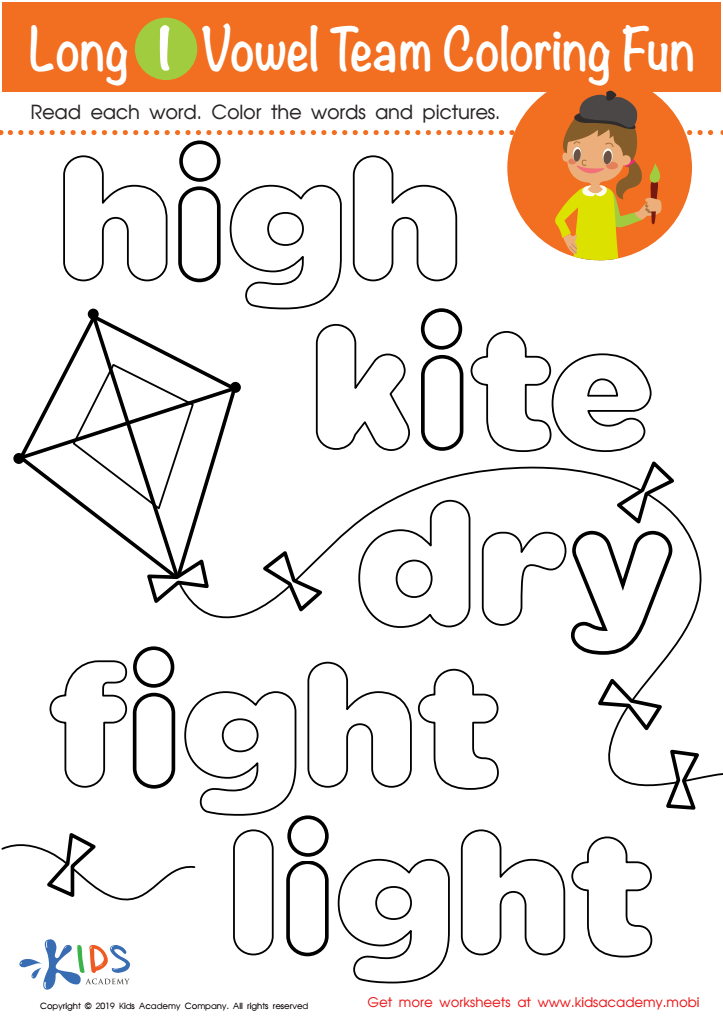
Long I Vowel Team Coloring Worksheet
 Assign to My Students
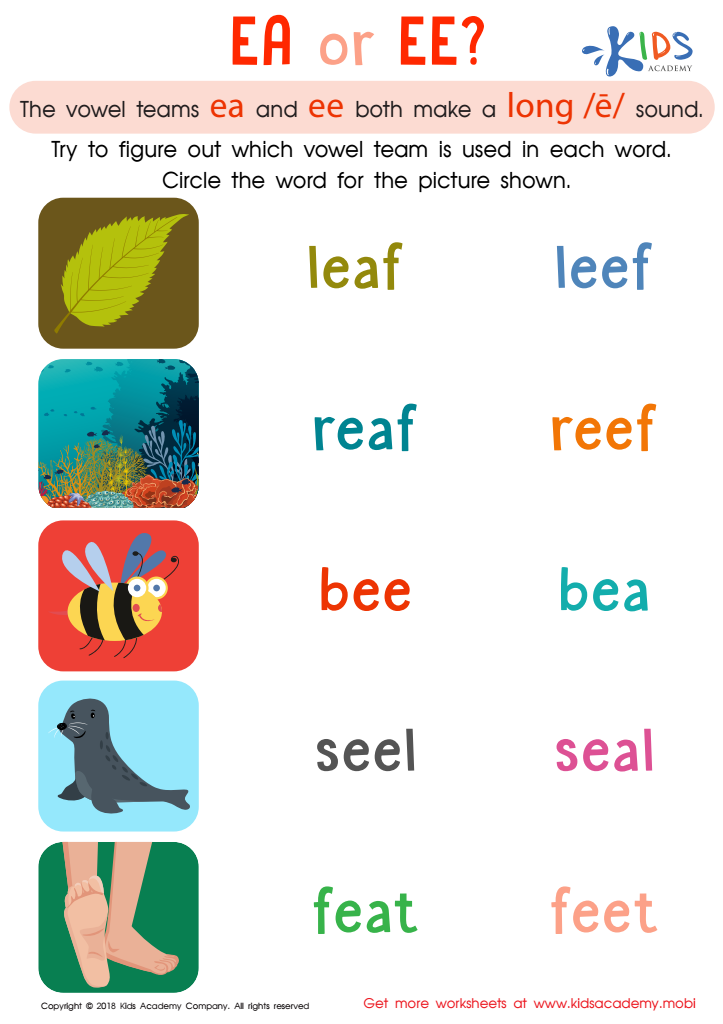
Reading: EA and EE Worksheet
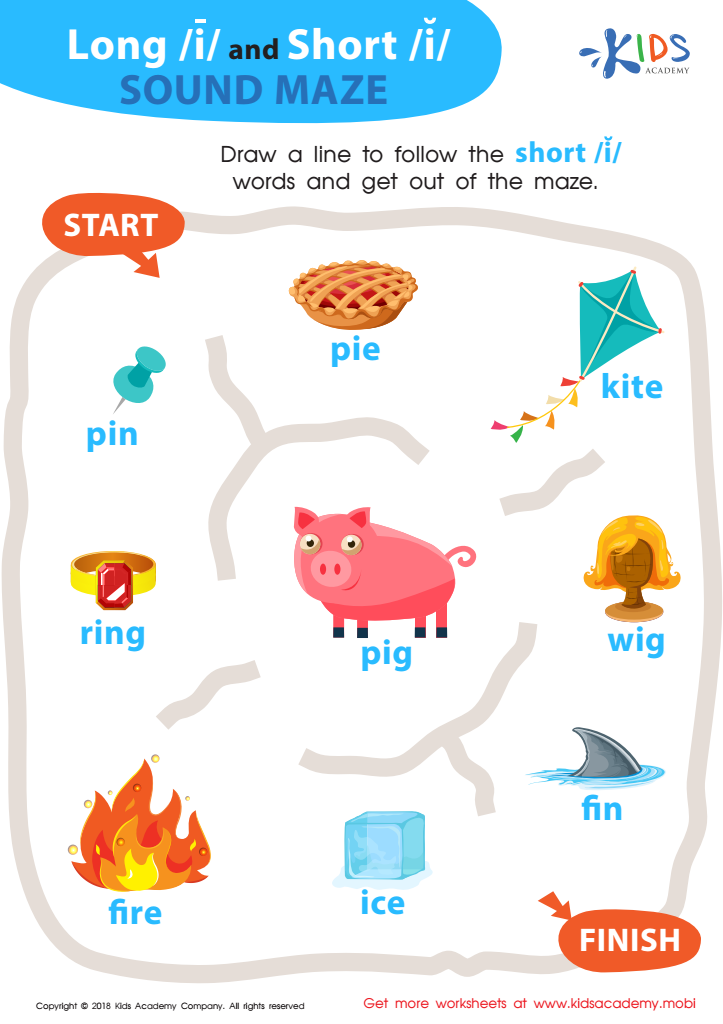
Reading: Long I and Short I Sound Maze Worksheet



Parents and teachers should prioritize reading improvement in second-grade phonics because foundational literacy skills are crucial for children's overall educational success and development. At this stage, children are transitioning from learning to read to reading to learn. Phonics instruction—understanding the relationships between letters and sounds—helps students decode words, improving their reading fluency, vocabulary, and comprehension.
Strong phonics skills enable students to become independent readers, fostering a love for reading and learning. If phonics is overlooked, children may struggle with more complex literacy tasks later, leading to academic challenges and decreased self-esteem. Improving phonics ensures that students can access a variety of texts, supporting their ability to engage in subjects across the curriculum.
Moreover, early intervention in reading can prevent long-term literacy difficulties. Parents and teachers have a role in creating supportive environments that encourage reading practice, monitoring progress, and providing necessary resources. When phonics instruction is integrated into regular classroom practices and home reading activities, it helps instill confidence in young learners, fostering their motivation to explore literacy further. Building strong phonics skills in second grade lays the groundwork for lifelong reading habits essential for personal, social, and academic development.