Understanding vowel sounds Normal Grade 2 Phonics Worksheets
3 filtered results
-
From - To
Explore our "Understanding Vowel Sounds: Normal Grade 2 Phonics Worksheets" at Kids Academy! Designed for second graders, these engaging worksheets help children recognize, pronounce, and use vowel sounds effectively. Through fun activities, kids will enhance their phonics skills, advancing their reading and spelling abilities. Each worksheet focuses on different vowels, blending them in word exercises, matching games, and sentence creation. Ideal for classroom and home use, these worksheets offer a solid foundation in phonics, fostering academic confidence and a love for learning. Unlock your child’s potential with our expertly crafted vowel sound lessons. Start today and see the difference!
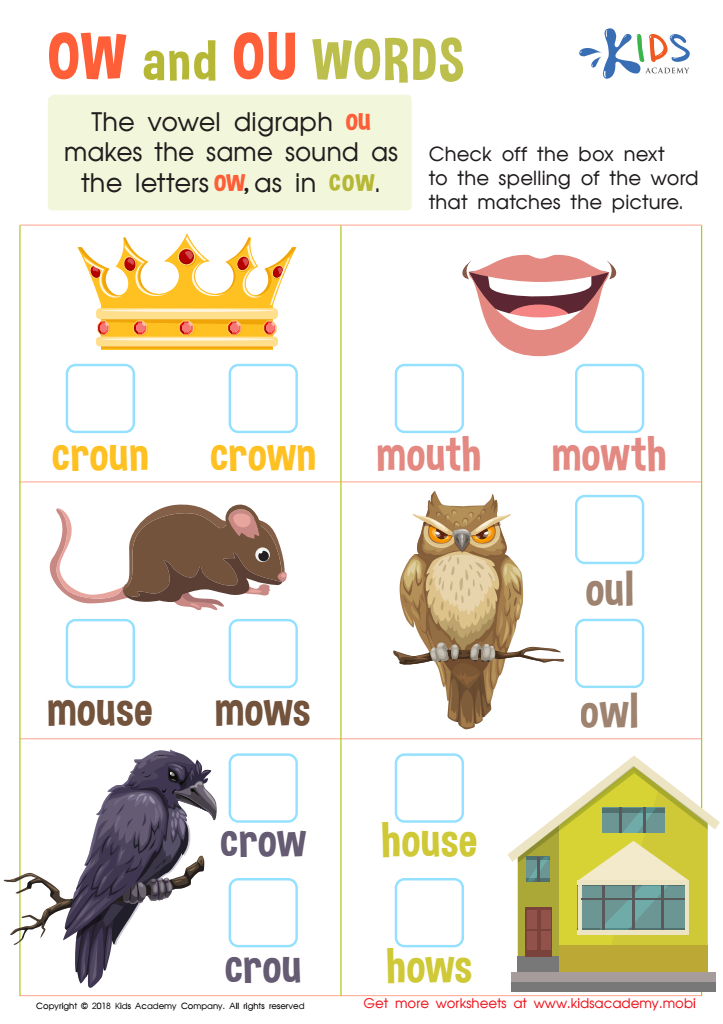
Reading: OW and OU Words Worksheet
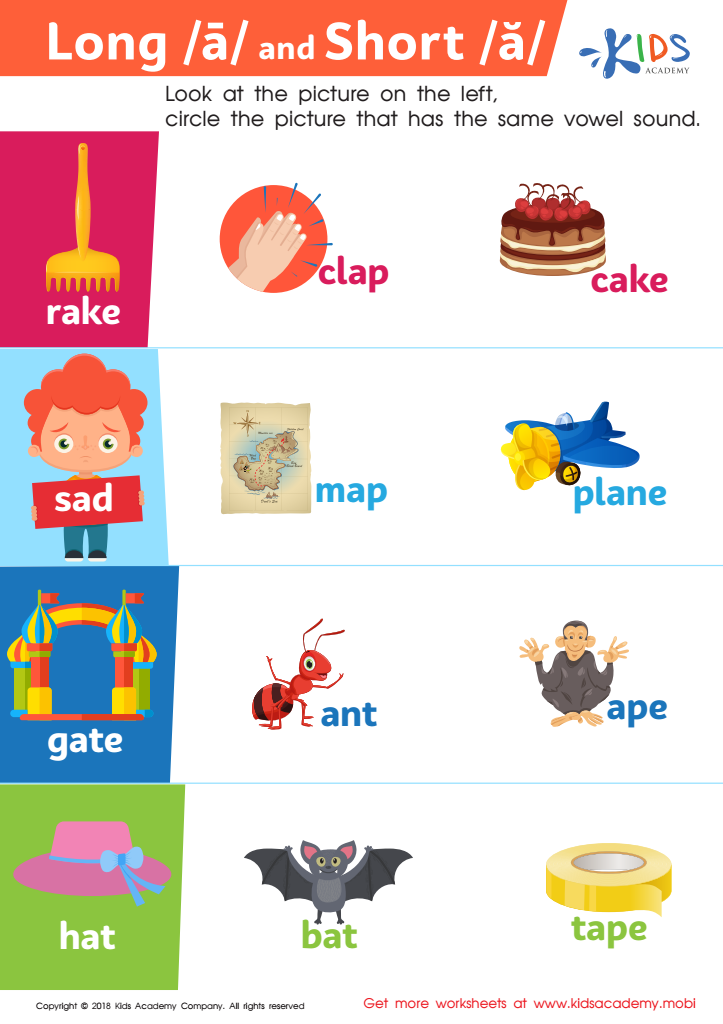
Reading: Long a and Short a Worksheet
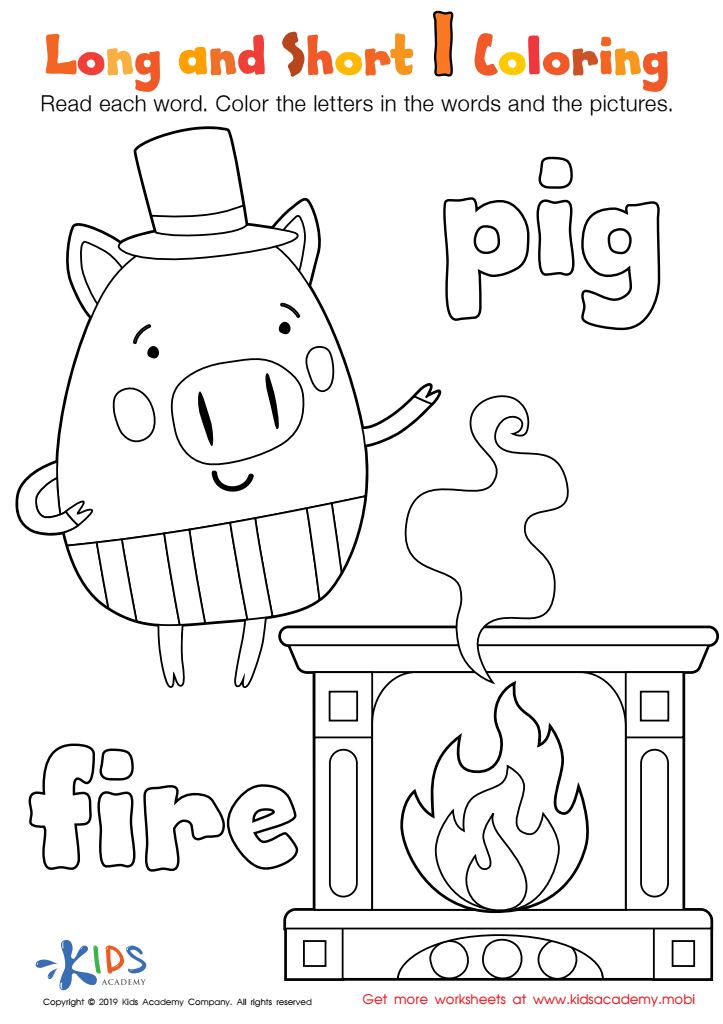
Long and Short I Worksheet
 Assign to My Students



Understanding vowel sounds is a critical component of early literacy, which lays the foundation for fluent reading and writing. By second grade, children are transitioning from simple word recognition to more complex decoding and spelling tasks. Recognizing and differentiating vowel sounds enables young learners to decode unfamiliar words efficiently and read with greater fluency and comprehension.
When parents and teachers invest time in teaching vowel sounds, children become more confident readers. Vowel sounds can often be tricky for young learners because they are soft and located in the middle of words. Mastery of short and long vowel sounds, as well as recognizing vowel patterns and phonemes, allows children to anticipate word structures, improving their spelling and reading accuracy.
Children who struggle with vowel sounds may face challenges in literacy development that can impact their overall academic success. This can lead to frustration and a lack of confidence, which may affect their willingness to engage with reading and learning activities.
Moreover, vowel sounds form the core of phonemic awareness, an essential skill for decoding. Without this foundational skill, students are less likely to develop strong reading fluency. Therefore, fully grasping the intricacies of vowel sounds creates a robust framework for all future language and literacy learning, making it crucial for both parents and teachers to focus on during these formative years.