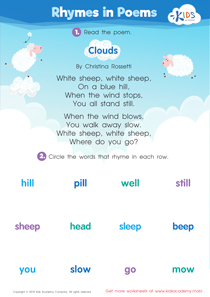
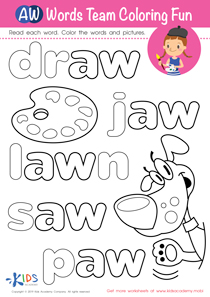
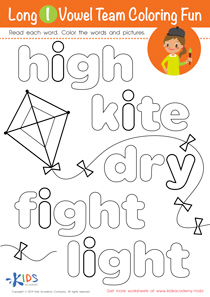
Phonics practice Normal Grade 2 Vowels Worksheets
5 filtered results
-
From - To
Enhance your Grade 2 students' reading skills with our engaging Phonics Practice Worksheets focused on vowels. These printable resources are designed to reinforce vowel recognition, sounds, and usage in a fun and interactive way. Each worksheet provides a variety of activities, including fill-in-the-blank exercises, sound matching, and word-building tasks, all aimed at boosting phonics proficiency. Ideal for independent practice or classroom lessons, these vowel worksheets cater to diverse learning styles, ensuring every child can strengthen their foundational reading skills. Explore our collection now to make phonics learning enjoyable and effective for your second graders!
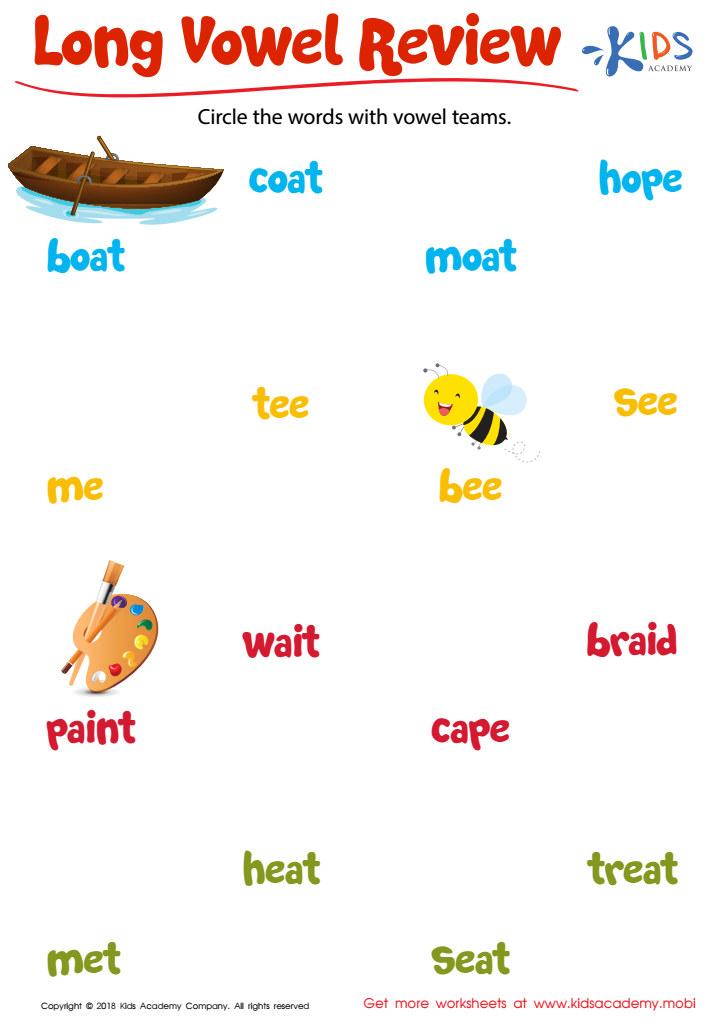
Long Vowel Review Worksheet
 Assign to My Students
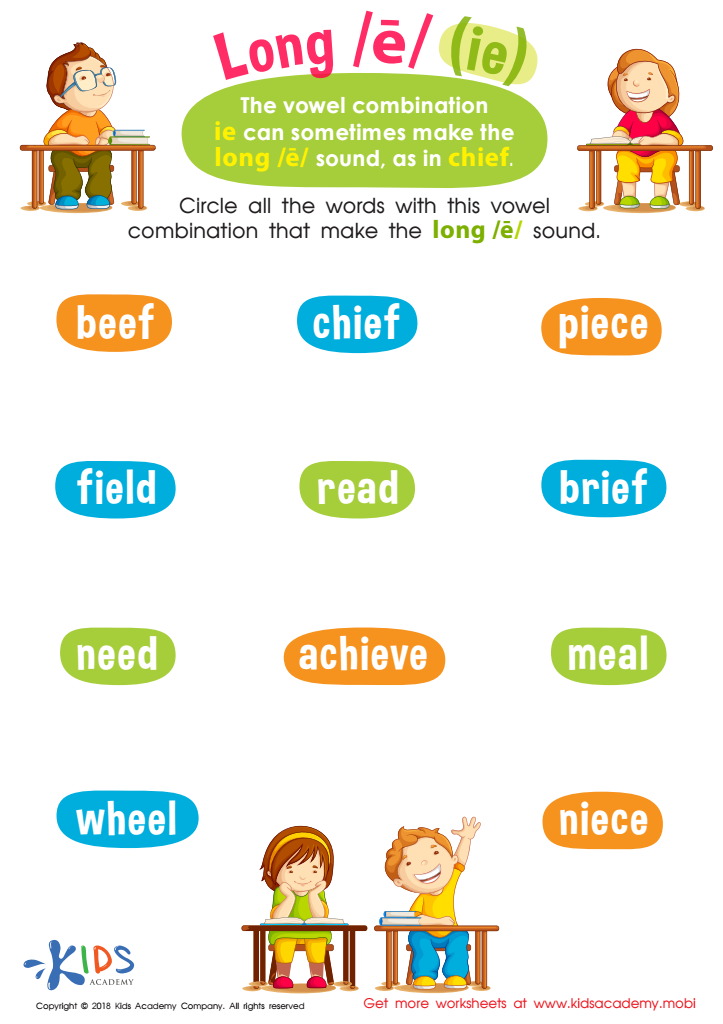
Reading: Long E and IE Worksheet
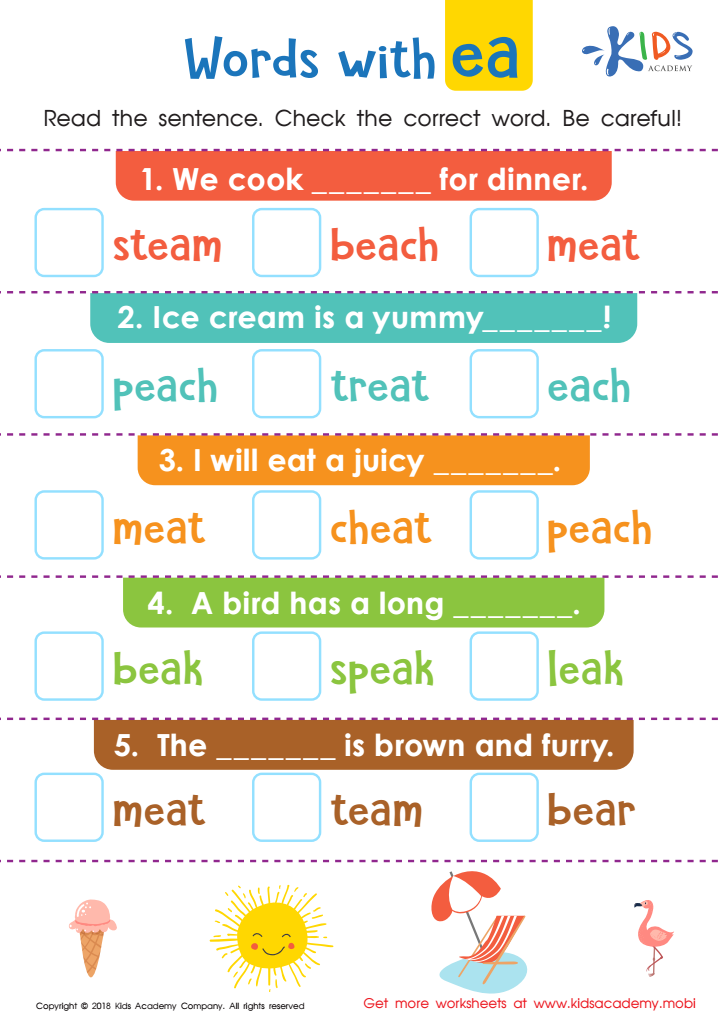
Words with ea Worksheet
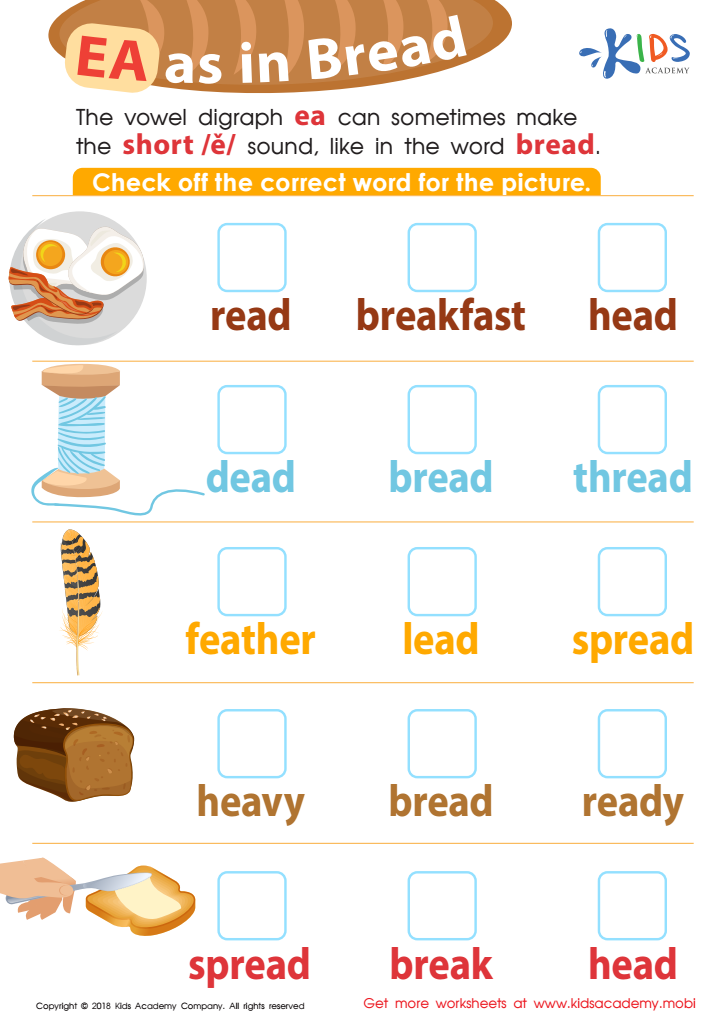
Reading: EA as in Bread Worksheet
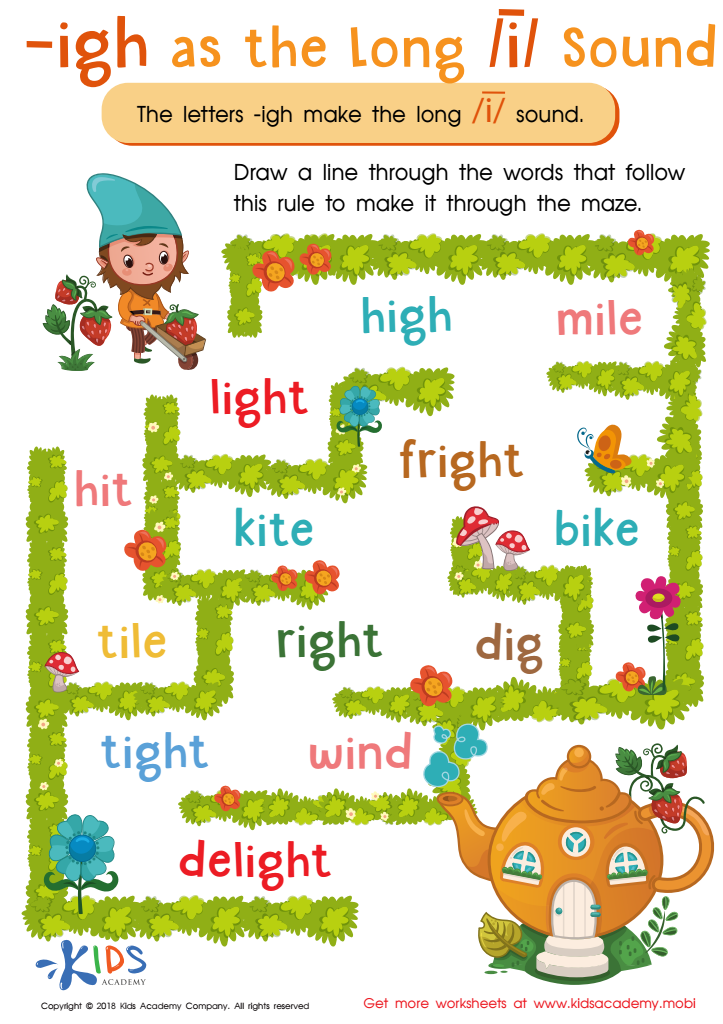
Reading: IGH as Long I Worksheet



Phonics practice, particularly focusing on vowels, is essential for second graders as it lays the foundation for reading proficiency. Understanding vowels—often the most challenging aspect of phonics—enables students to decode words more effectively. Mastery of vowel sounds helps students sound out unfamiliar words independently, boosting their confidence and willingness to engage with texts.
Parents and teachers should care about this practice because strong phonetic skills enhance literacy, which correlates with academic success across all subjects. As students learn to distinguish short and long vowel sounds, they improve their reading fluency, comprehension, and writing abilities. This becomes increasingly important in grade 2 when children are expected to transition from "learning to read" to "reading to learn."
Additionally, phonics practice supports language development beyond reading. It fosters spelling skills and enriches vocabulary by helping students decode and understand new words. In the digital age, proficient reading skills are vital for navigating information effectively. With parents and teachers collaborating to emphasize the importance of phonics, they can create a supportive learning environment that nurtures robust literacy skills essential for lifelong learning. In summary, vowel practice empowers students in reading, communication, and academic achievement, making it a crucial focus in early education.