Recognizing number patterns Normal Grade 2 Numbers Worksheets
3 filtered results
-
From - To
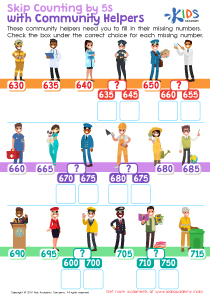
Discover our engaging "Recognizing Number Patterns" worksheets for Grade 2 students! Designed to enhance numerical understanding, these worksheets help young learners identify and create patterns using numbers. Through various activities, kids will explore sequences, skip counting, and recognizing visual arrangements, laying a solid foundation for essential math skills. Perfect for individual practice or as part of classroom activities, these resources ensure learning is both effective and enjoyable. Help your child build confidence in their mathematical abilities with our easy-to-follow, interactive exercises that cater to diverse learning styles. Visit us today to encourage your child’s growth in numeracy and pattern recognition!
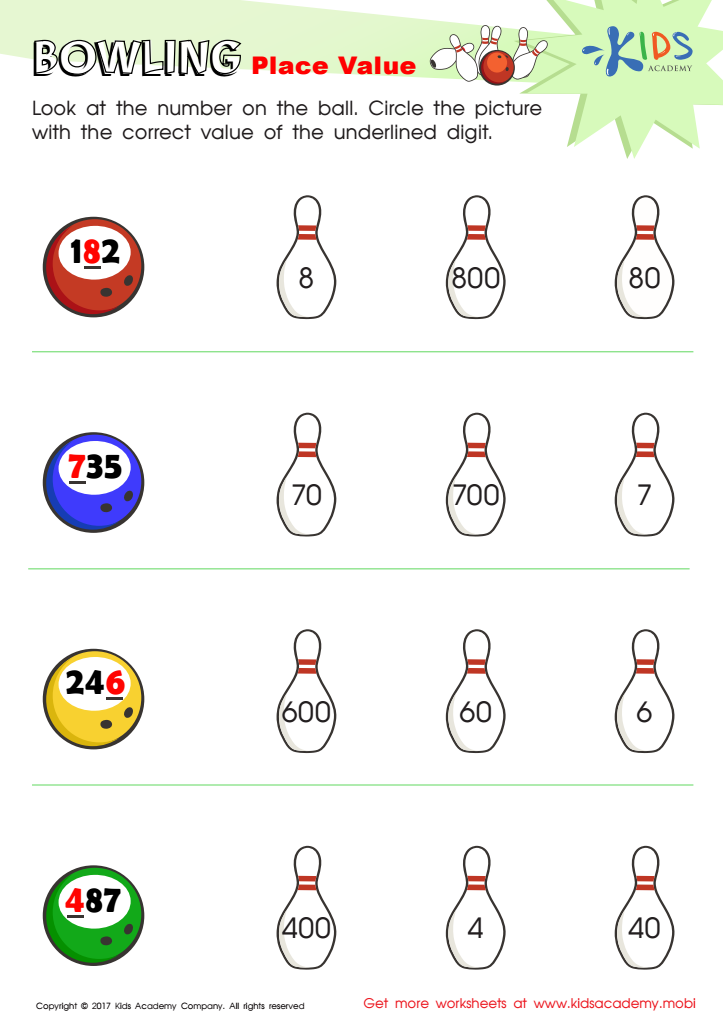
Place Value Worksheet
 Assign to My Students
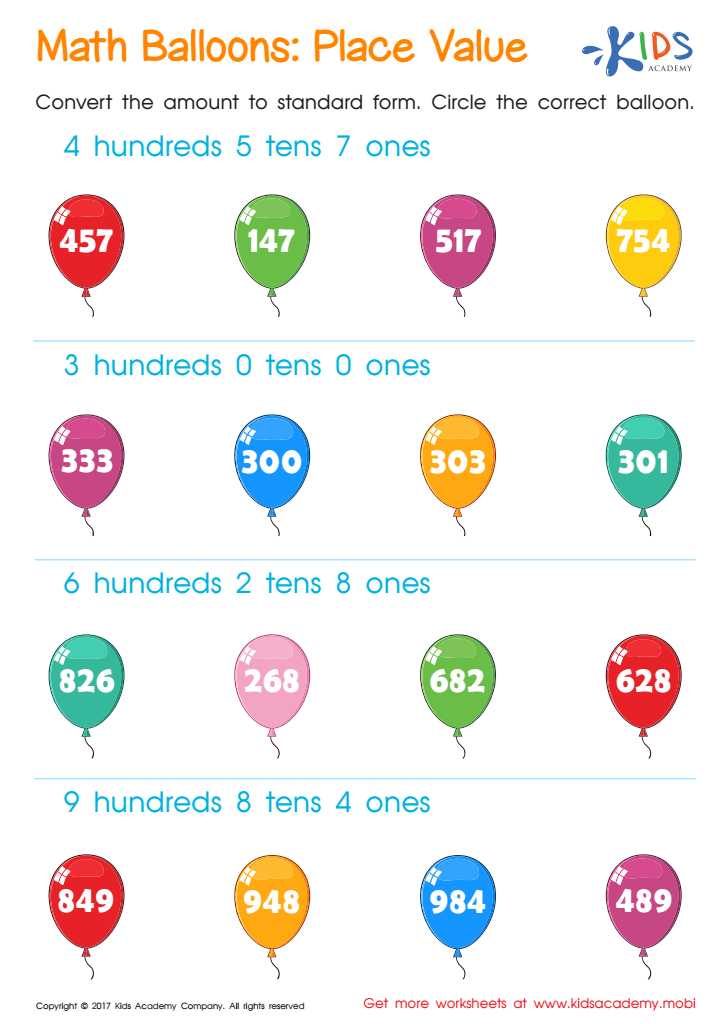
Place Value Printable Worksheet
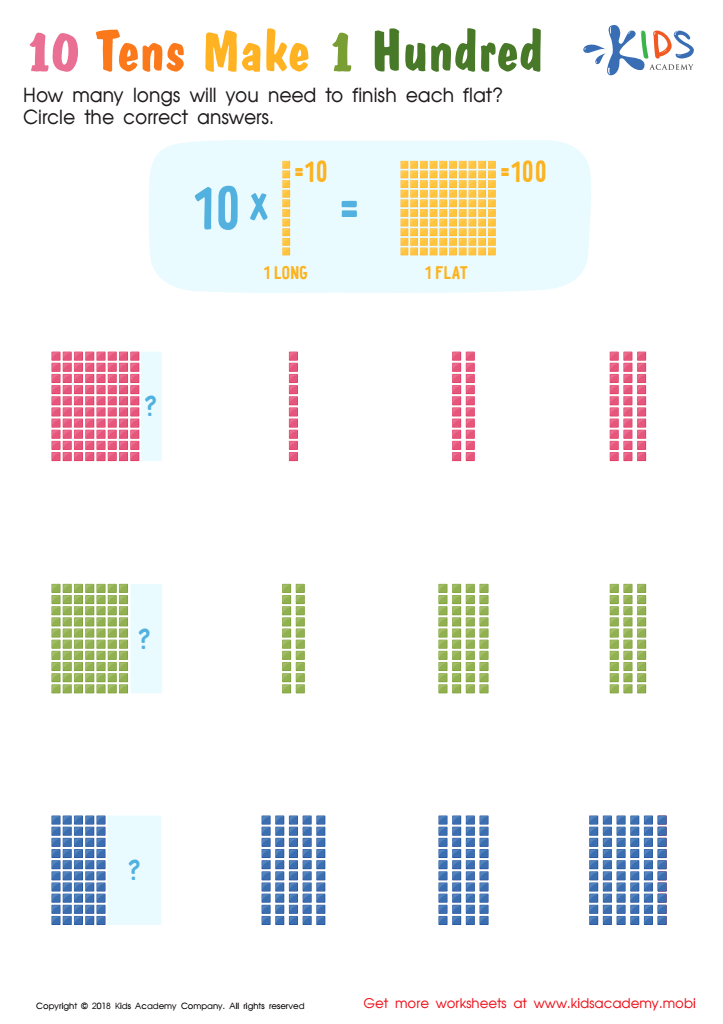
10 Tens Make 1 Hundred Worksheet








Recognizing number patterns is crucial in the early education of children, particularly in Grade 2. At this stage, students start developing foundational math skills that underpin more complex concepts later on. Understanding number patterns helps children make sense of numerical relationships, fosters logical thinking, and improves problem-solving abilities.
When students identify patterns, they develop number sense, which can reinforce concepts such as addition, subtraction, multiplication, and division. This skill allows them to predict outcomes and engage in active math learning. Teachers and parents should encourage this skill, as it helps children become more aware of the structure and orderliness of numbers.
Moreover, recognizing patterns promotes critical thinking, enabling children to connect new concepts to prior knowledge. This application boosts confidence and nurtures a love for mathematics, which can last a lifetime. Ultimately, incorporating pattern recognition into daily learning fosters a holistic approach to math, empowering students to see mathematics as a cohesive and meaningful subject.
For parents and teachers, emphasizing the importance of patterns not only supports academic success but also contributes to children's overall cognitive development, paving the way for a brighter future in their educational journeys.