Cognitive Development Normal Grade 2 Reading Worksheets
3 filtered results
-
From - To
Enhance your second grader's cognitive development with our expertly crafted reading worksheets! Designed to improve critical thinking, comprehension, and problem-solving skills, these engaging activities provide a well-rounded learning experience. With a variety of topics aligned to grade 2 standards, children will encounter fun passages and stimulating questions that encourage analytical thinking and creativity. Our worksheets support literacy development while challenging young minds to make connections, draw conclusions, and express their thoughts clearly. Perfect for classroom use or home practice, these activities ensure your child gains confidence in their reading abilities while fostering a lifelong love for learning. Start exploring today!
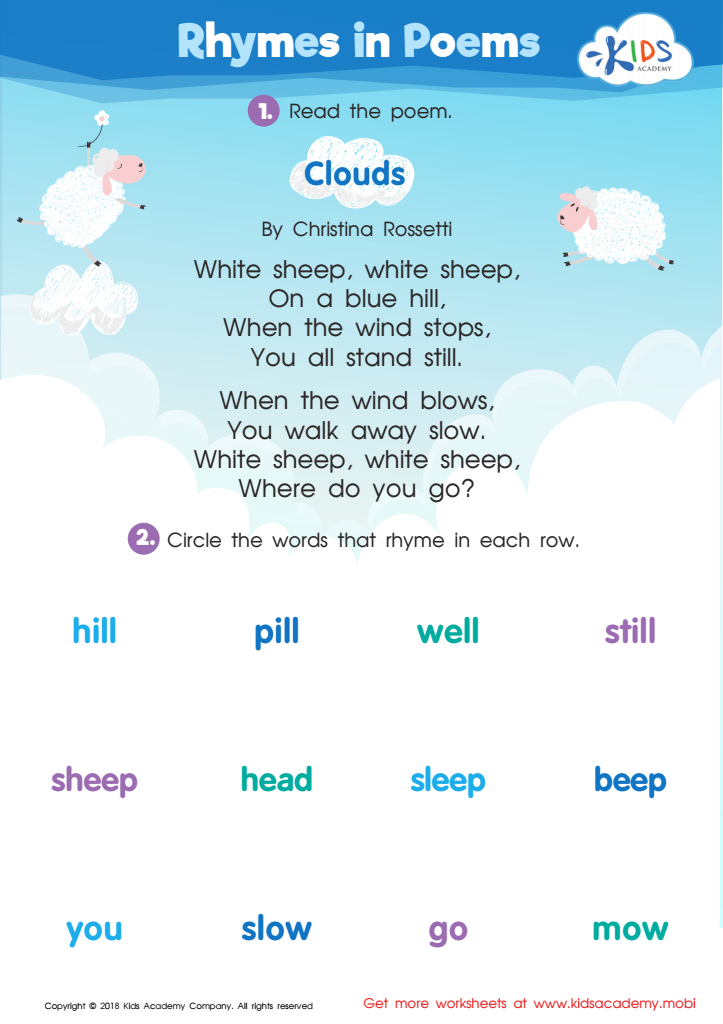
Rhymes in Poems Worksheet
 Assign to My Students
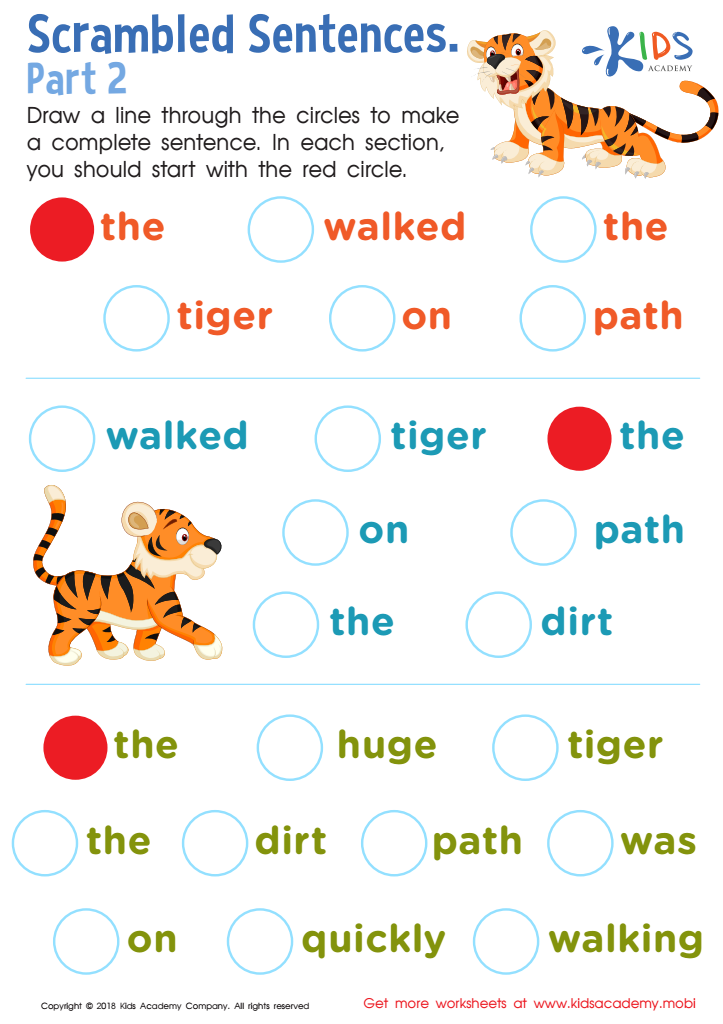
Scrambled Sentences Part 2 Worksheet
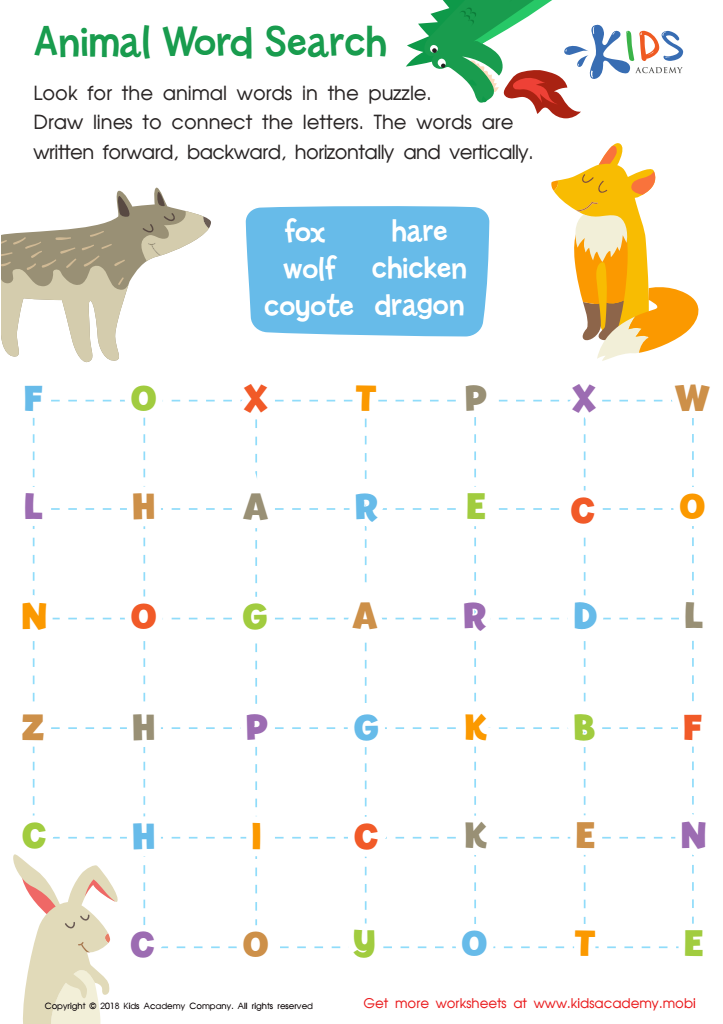
Animal Word Search Worksheet








Cognitive development plays a crucial role in a child's learning journey, particularly in grade 2 reading skills. At this stage, children transition from learning to read to reading to learn, making this an essential period for literacy development. Parents and teachers should care about cognitive development in reading because it influences a child's ability to comprehend, analyze, and internally verbalize information, which becomes foundational for future learning.
Understanding cognitive development helps educators and parents recognize typical milestones and address any reading difficulties early on. As children progress, their critical thinking skills begin to deepen, further impacting their academic performance across subjects. By fostering cognitive skills such as memory, attention, and problem-solving, adults can create rich opportunities for exploratory reading, enriching vocabulary and comprehension.
Additionally, a strong reading foundation ultimately supports lifelong learning and enables children to navigate increasingly complex texts as they advance in school. Encouraging cognitive development during this critical period not only enhances academic achievement but also boosts a child’s confidence and love for reading, instilling a positive attitude towards education. Concerned adults can employ strategies like reading together, discussing stories, and engaging in critical thinking exercises to nurture these skills effectively.