Reading comprehension Normal History Worksheets - Page 2
32 filtered results
-
From - To
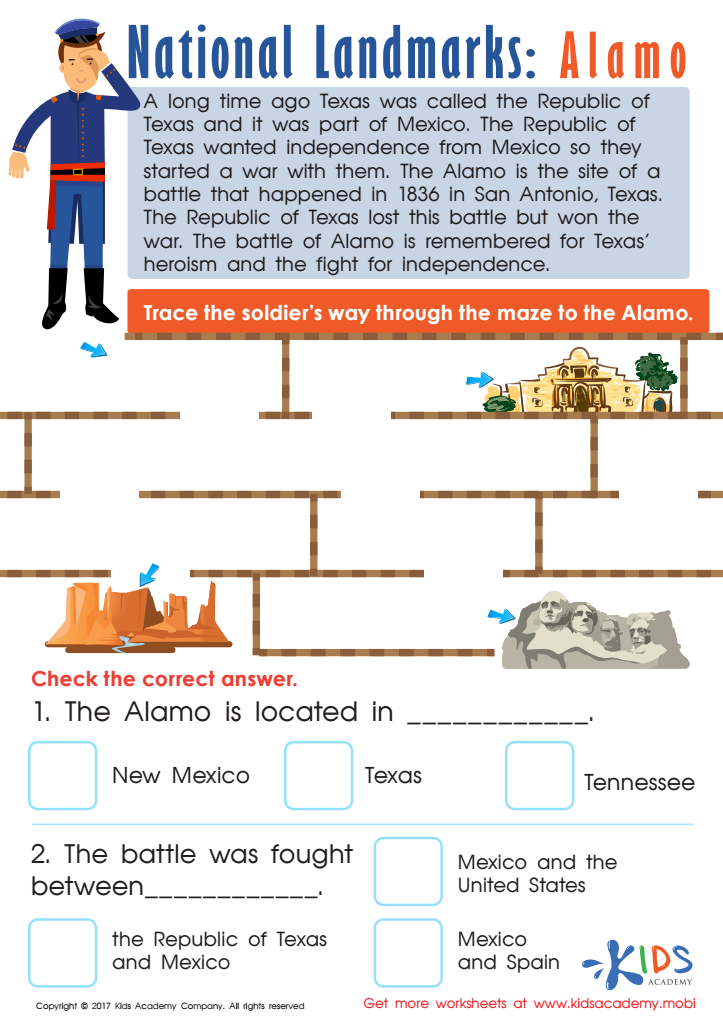
Alamo Printable Worksheet
 Assign to My Students
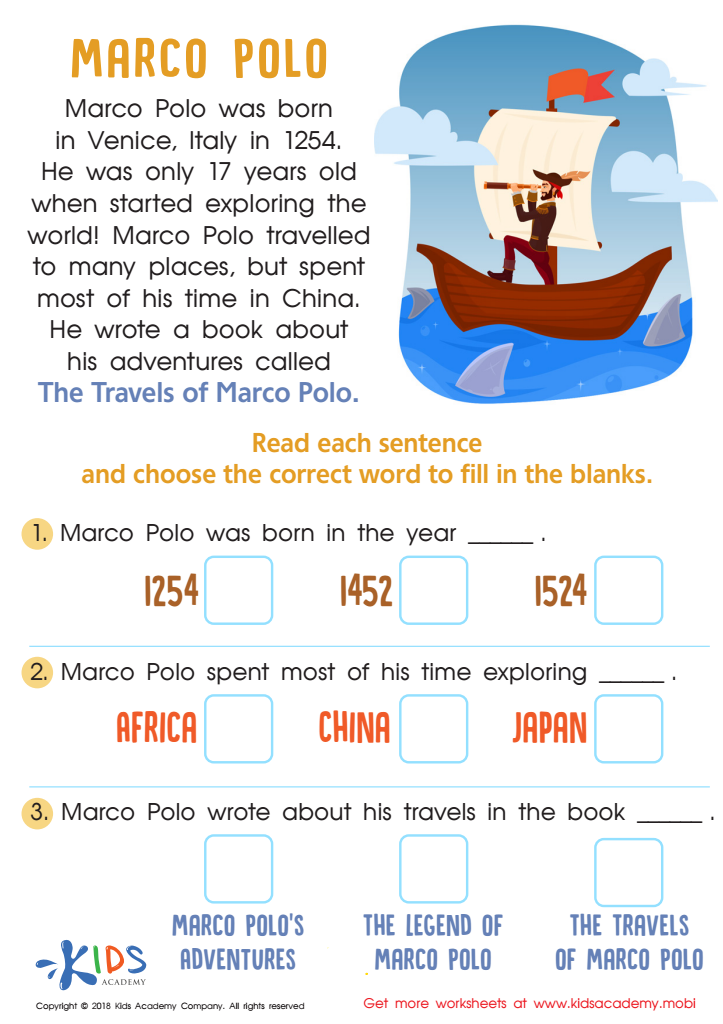
Marco Polo Worksheet
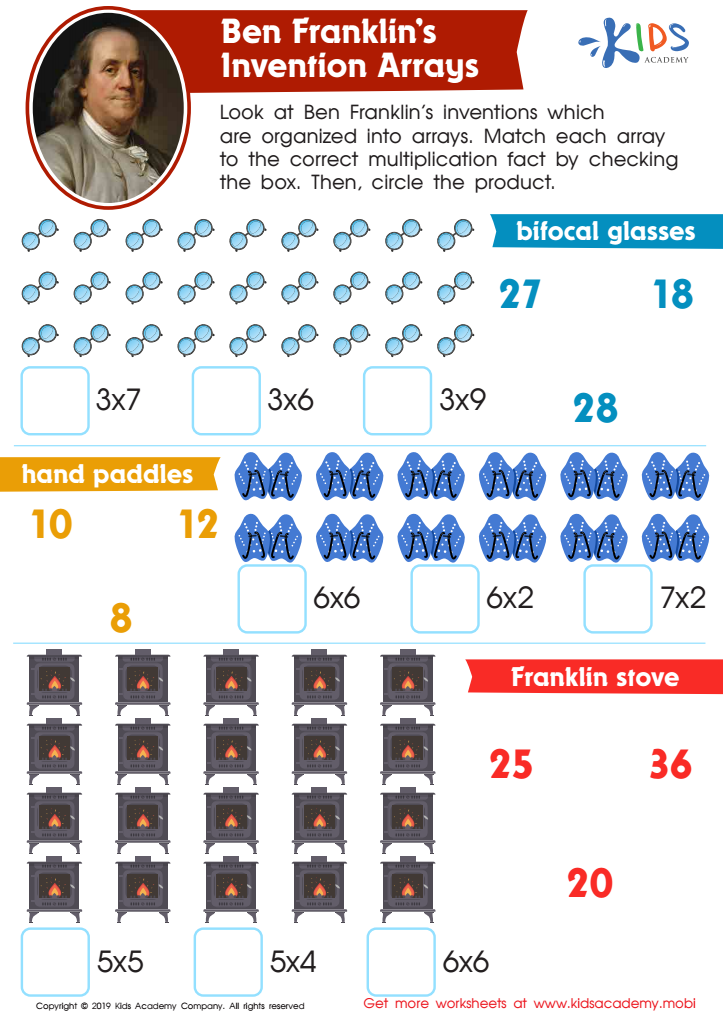
Ben Franklin’s Invention Arrays Worksheet
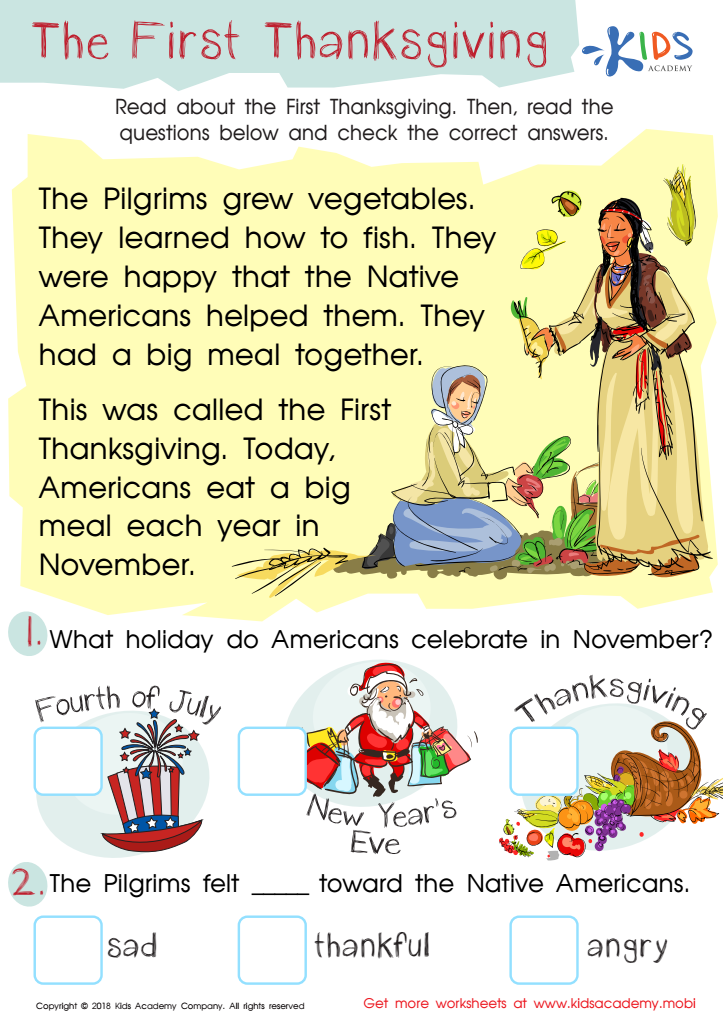
Assessment: First Thanksgiving Worksheet
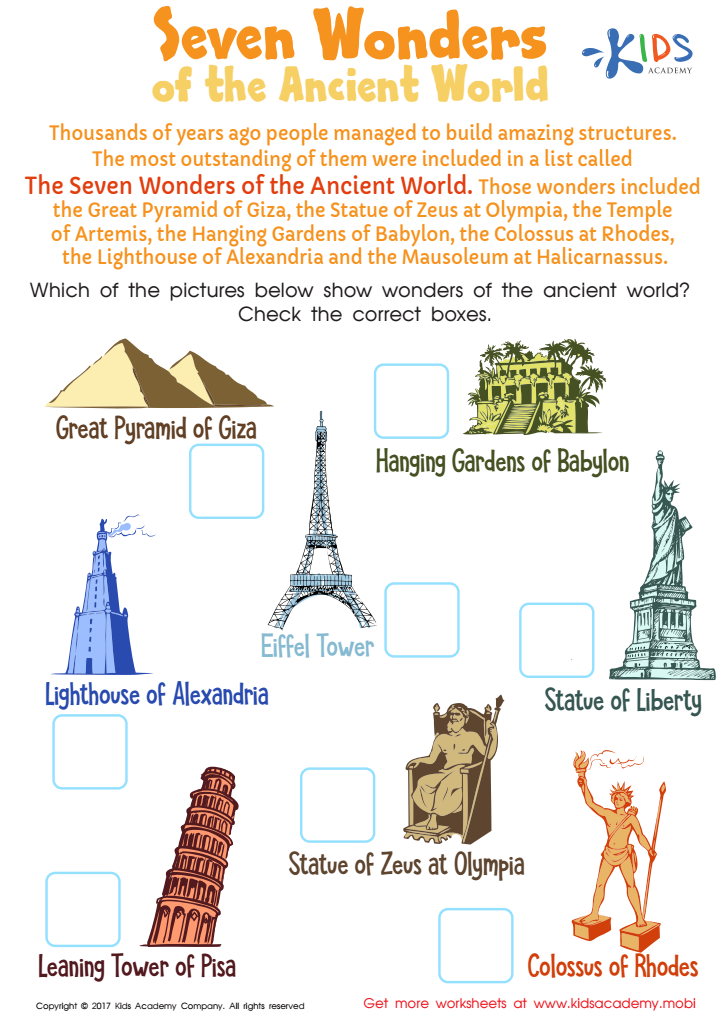
Seven Wonders of the Ancient World Worksheet
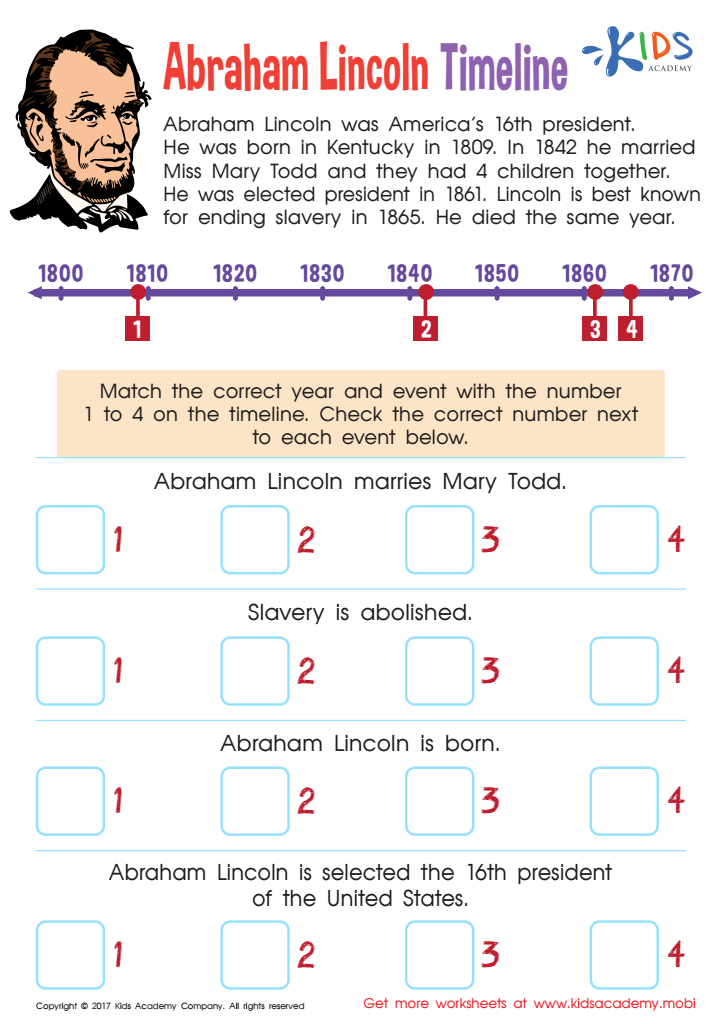
Abraham Lincoln Timeline Worksheet
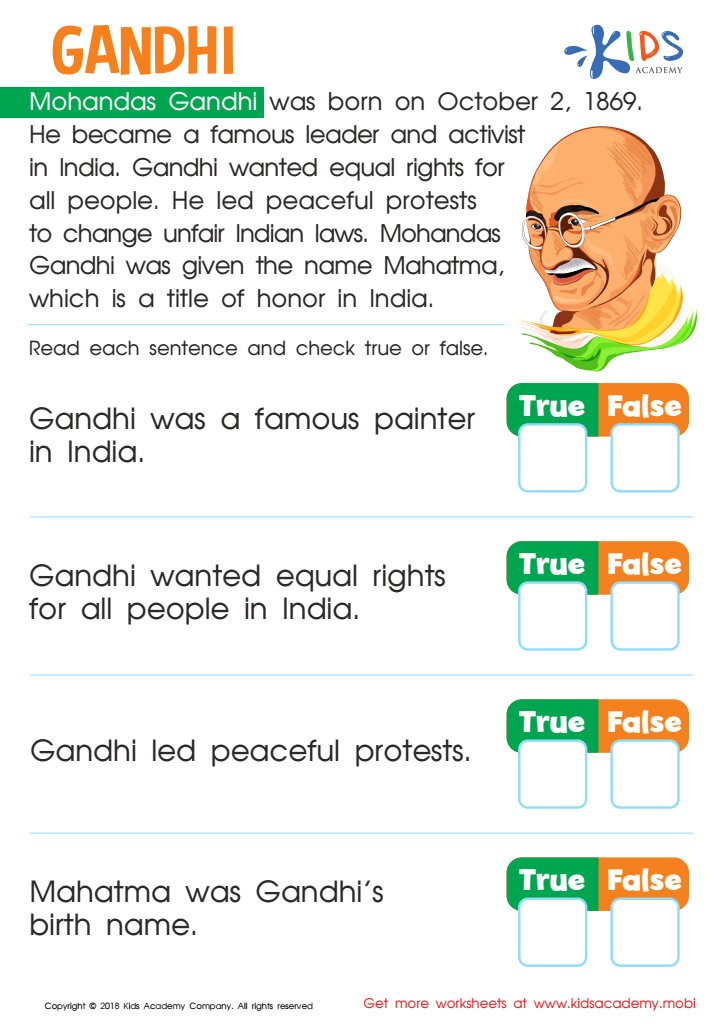
Gandhi Worksheet
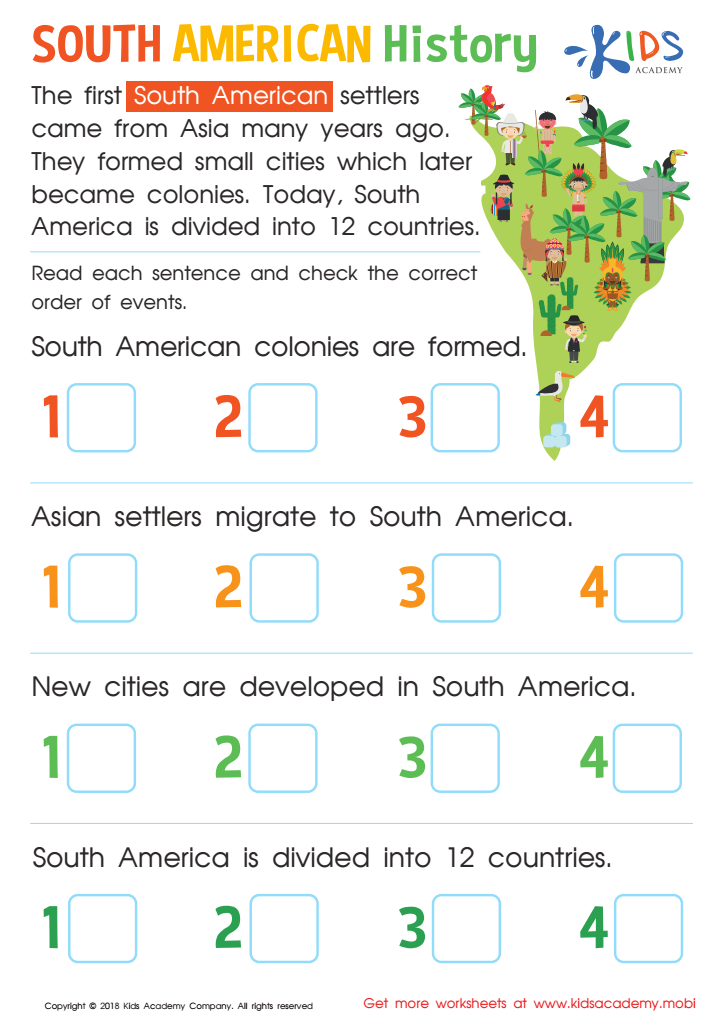
South American History Worksheet








Reading comprehension is a fundamental skill that directly impacts a child's academic success and overall development. For parents and teachers, understanding its normal history is crucial as it informs approaches to helping children improve their reading skills.
Historically, reading comprehension has evolved from a focus on rote memorization to an emphasis on critical thinking and analysis. In formative years, children learn to decode words, but true comprehension occurs when they connect with the text. Teachers can recognize milestones in this evolution, which should guide instructional strategies tailored to a child's developmental stage.
By emphasizing the normal history of reading comprehension, educators and parents can better identify when a child may be struggling and intervene promptly. Understanding common progression stages enables adults to provide appropriate resources—such as age-specific reading materials or targeted comprehension exercises.
Additionally, knowledge of this history empowers parents and teachers to foster a love for reading, knowing that it’s not just about word recognition but about engaging with narratives and making meaning. Ultimately, by appreciating the longstanding evolution of reading comprehension, adults can create a supportive environment that nurtures lifelong readers capable of navigating complex texts confidently.