Color Identification Normal Social Studies Worksheets
3 filtered results
-
From - To
Discover "Color Identification Normal Social Studies Worksheets" designed to enhance early learners' recognition of colors and social studies concepts. Ideal for young students, these engaging worksheets combine vibrant illustrations with interactive activities. Children will develop foundational color identification skills while exploring basic social studies themes, promoting cognitive and social development. Perfect for classroom or home use, these printable resources align with standard learning objectives to provide a fun, educational experience. Foster creativity and critical thinking with our expertly crafted worksheets, making learning a delightful adventure. Check out our collection today and transform your child’s learning journey!

Fireman Worksheet
 Assign to My Students
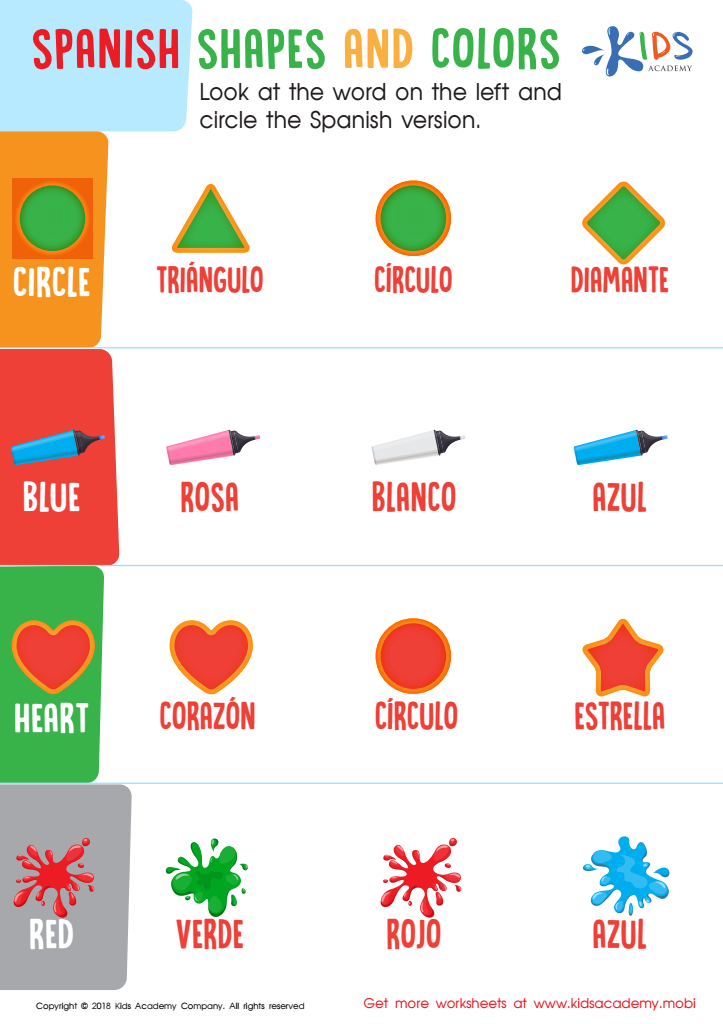
Spanish Shapes and Colors Worksheet
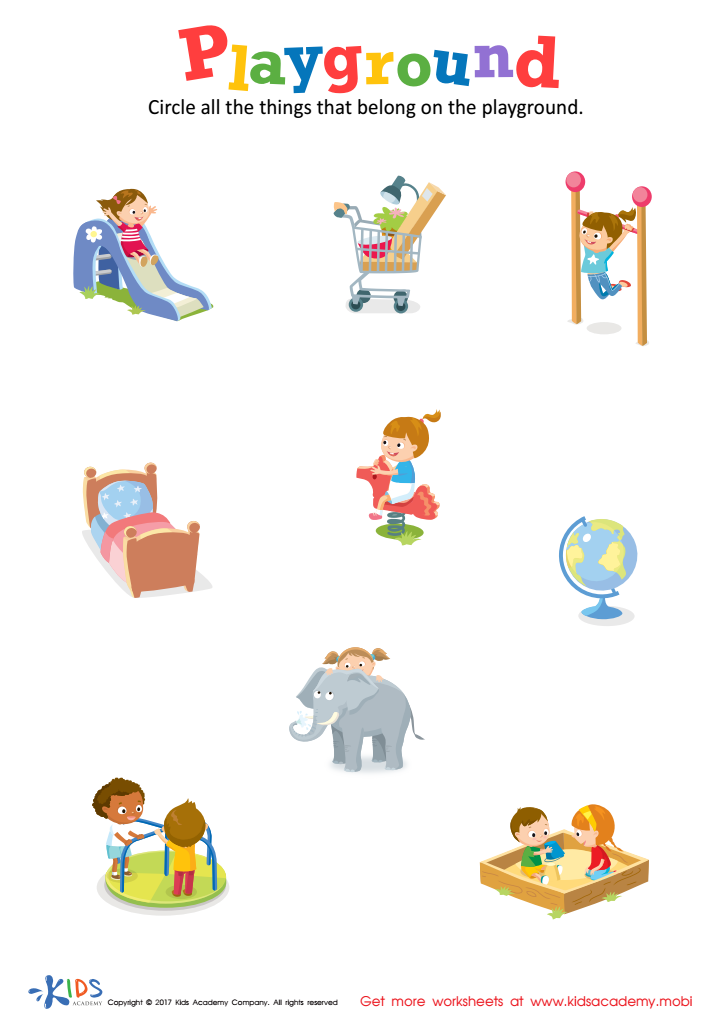
Playground Worksheet






.jpg)

Color identification is a fundamental aspect of early childhood education, which intersects even with subjects like social studies. It's crucial for parents and teachers to care about color identification because it builds a child’s cognitive and developmental skills. Recognizing and naming colors enhance their descriptive language abilities, supporting effective communication. In social studies, identifying colors helps children interpret maps and globes, which are color-coded to convey geographic and political information.
Caring about color identification fosters an inclusive learning environment. Children recognize that colors can signify different cultural, societal, and historical contexts. For instance, traffic lights use red, yellow, and green universally to direct behaviors safely—learned early can prevent accidents. Additionally, understanding colors associated with various cultural symbols can instill a sense of global awareness and respect for diversity.
Moreover, teachers can gauge developmental progress by observing how well children identify and use colors in their work. Early identification of issues like color blindness can lead to prompt intervention and mitigation strategies, ensuring no child is left behind because of unnecessary learning barriers. In summary, caring about color identification fosters strong foundational skills, crucial for navigating and appreciating the diverse and colorful world in which we live.