Enhancing observation skills Normal Social Studies Worksheets
3 filtered results
-
From - To
Discover our "Enhancing Observation Skills Normal Social Studies Worksheets," designed to boost students' critical observation abilities through engaging activities. These worksheets encourage young learners to explore their environment, analyze information, and draw meaningful connections to the world around them. Featuring age-appropriate exercises, our printable resources support the development of essential skills in a fun and interactive way. Whether at home or in the classroom, children will enhance their ability to observe, think critically, and communicate effectively. Equip students with the tools they need to succeed in social studies while fostering a lifelong love for exploration and discovery. Start teaching today!
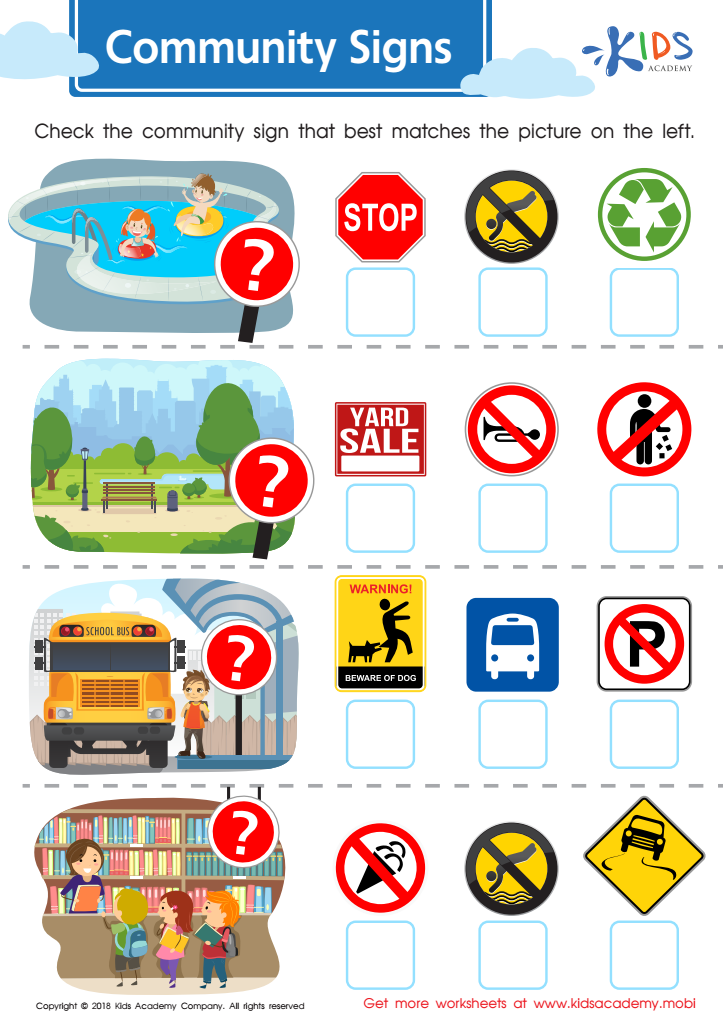
Community Signs Worksheet
 Assign to My Students
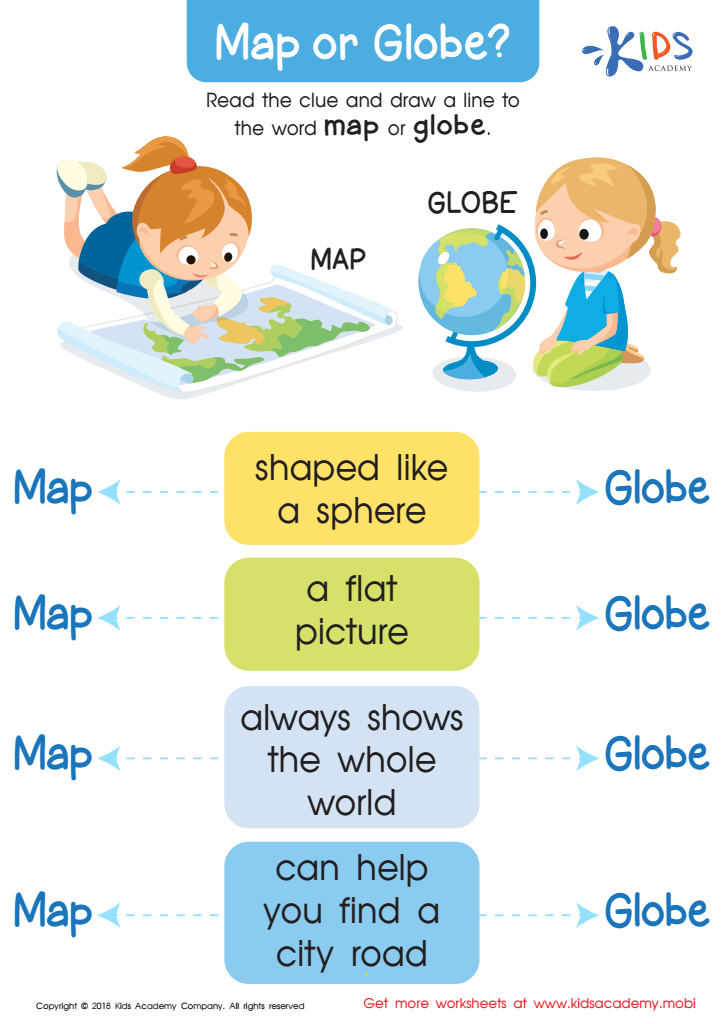
Map or Globe? Worksheet
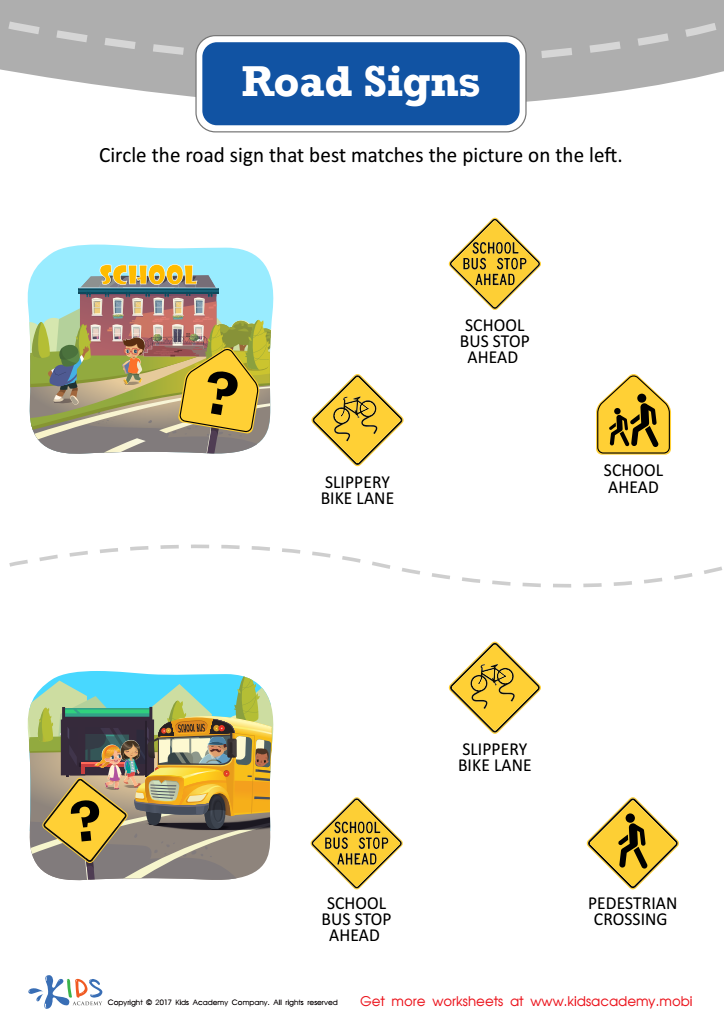
Road Signs (Part 1) Worksheet




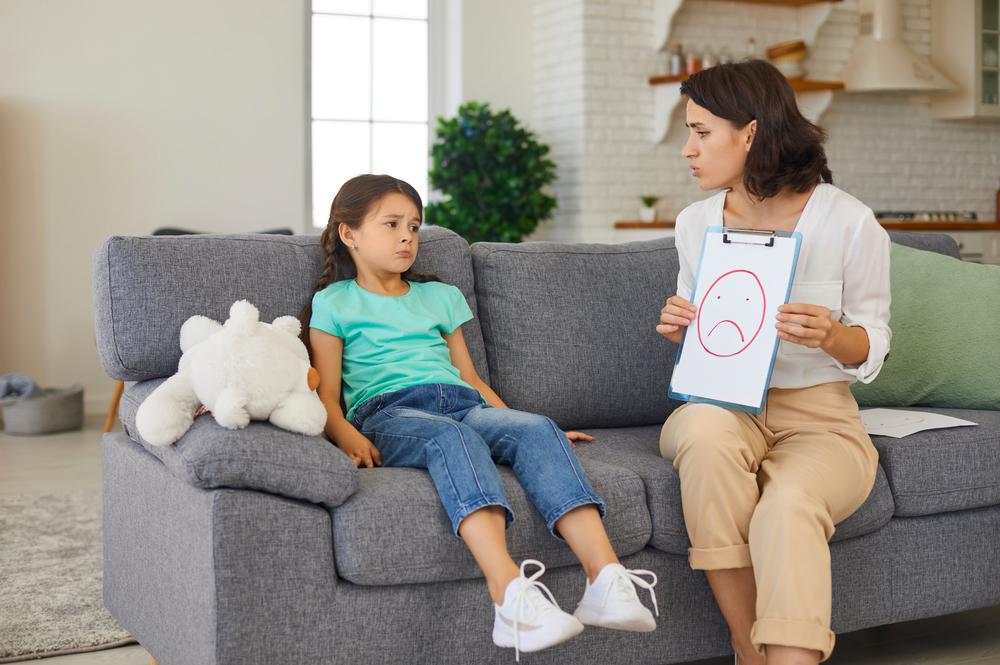
Enhancing observation skills in young learners is crucial for their overall development, particularly in subjects like Social Studies. First, strong observation skills foster critical thinking. When children learn to notice details in their environment, they start asking questions and making connections between their observations and the world around them. This leads to deeper comprehension of social concepts, history, and cultural nuances.
Additionally, keen observation nurtures empathy. By learning to observe social interactions and environments, students can better understand diverse perspectives, promoting acceptance and inclusion among peers. This foundational skill aids in recognizing social cues, which is critical for effective communication and teamwork.
Furthermore, observation skills play a central role in encouraging active learning. When children engage with their surroundings, they are more likely to participate in discussions and group projects, enriching the learning experience. Teachers and parents who emphasize these skills help cultivate inquisitive, engaged citizens equipped to contribute positively to society.
Lastly, fostering observation skills in Social Studies aligns with educational standards and holistic teaching approaches, preparing students for an increasingly interconnected world. By nurturing these skills, educators and parents empower children to become thoughtful, observant individuals who can analyze and interpret their social landscapes effectively.