Geographic Understanding Normal Social Studies Worksheets
3 filtered results
-
From - To
Geographic Understanding worksheets by Kids Academy offer a dynamic approach to enhancing children's knowledge of geography within the social studies curriculum. These engaging activities are designed to teach young learners essential skills such as map reading, identifying continents and oceans, and understanding geographical terms and symbols. The worksheets cater to different learning speeds and styles through a variety of exercises, including puzzles, quizzes, and interactive maps. Perfect for early grade students, these resources aim to build a strong foundation in geography while making learning enjoyable and accessible. Download today and watch your child's geographic confidence grow!
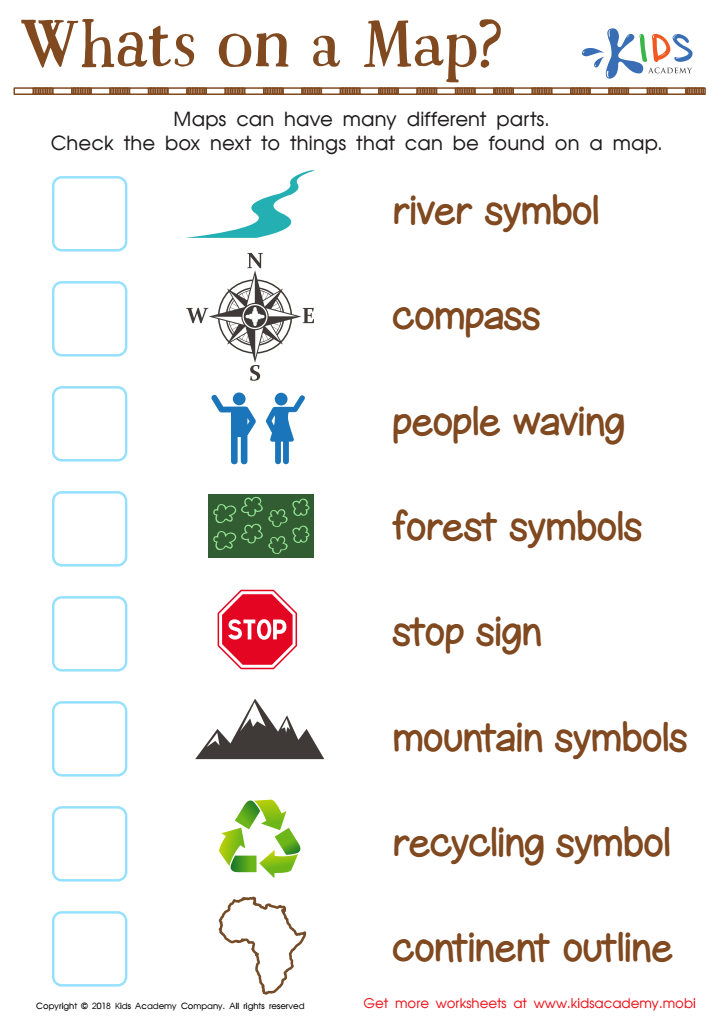
Whats on a Map? Worksheet
 Assign to My Students
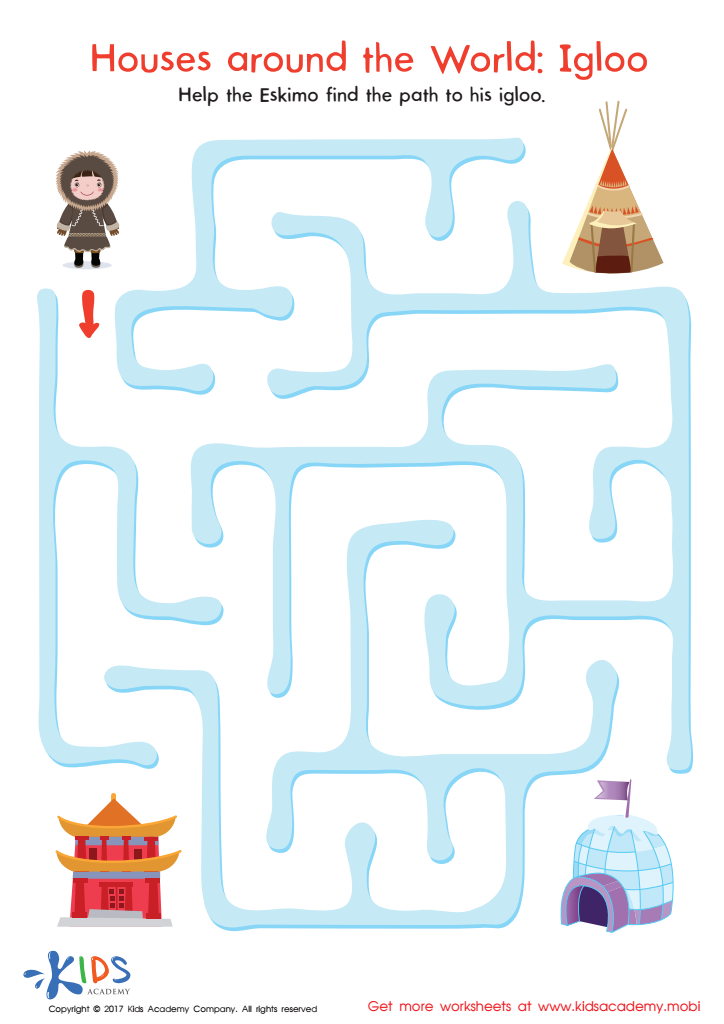
Houses Around the World: Igloo Printable
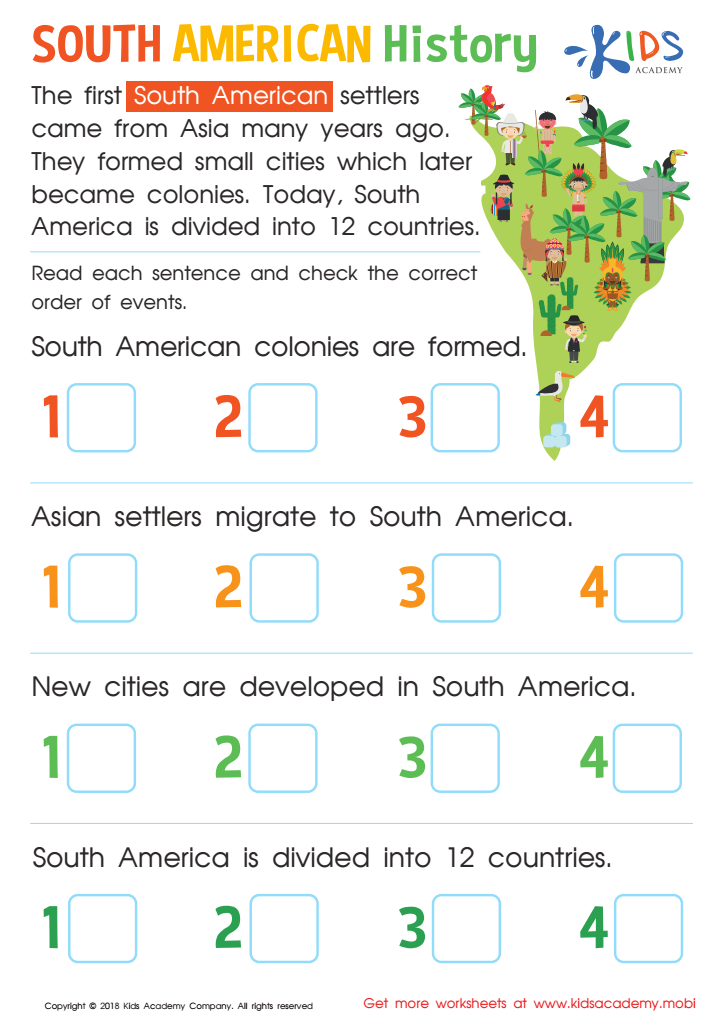
South American History Worksheet




.jpg)

Geographic understanding within social studies is crucial for early students because it lays the foundation for comprehending the world around them. Parents and teachers must prioritize this to help children develop a spatial awareness that is vital for everyday life. Knowing geography helps students make sense of events, cultures, and different ways of life globally, fostering a sense of global citizenship and empathy for others.
Understanding geography goes beyond memorizing maps; it involves comprehending how location impacts culture, economy, and even historical events. For example, children who understand why certain regions produce specific crops or why certain historical events happened in specific places can better appreciate current events' context. This knowledge can make children more thoughtful and informed individuals.
Moreover, foundational geography skills are critical in developing critical thinking and problem-solving skills. Engaging with geographic concepts encourages children to ask questions, think analytically about the environment, and understand complex systems like weather patterns and resource management. This type of thinking is transferable and beneficial in all academic subjects and life situations.
By investing time and energy in geographic education, parents and teachers help ensure children grow into well-rounded, knowledgeable, and compassionate adults, capable of navigating and appreciating the globally connected world.








