Shape Recognition Normal Social Studies Worksheets
4 filtered results
-
From - To
Explore our engaging Shape Recognition Normal Social Studies Worksheets, designed to enhance early learners' understanding of shapes while integrating essential social studies concepts. These worksheets offer a fun and interactive way for students to identify, categorize, and connect shapes with real-world contexts, fostering critical thinking and creativity. Each activity is tailored for various learning levels and encourages hands-on participation, making learning enjoyable and effective. Perfect for classroom or at-home use, our worksheets help children develop foundational skills in both shape recognition and social studies, ensuring a well-rounded educational experience. Download and inspire young minds with our exciting resources today!
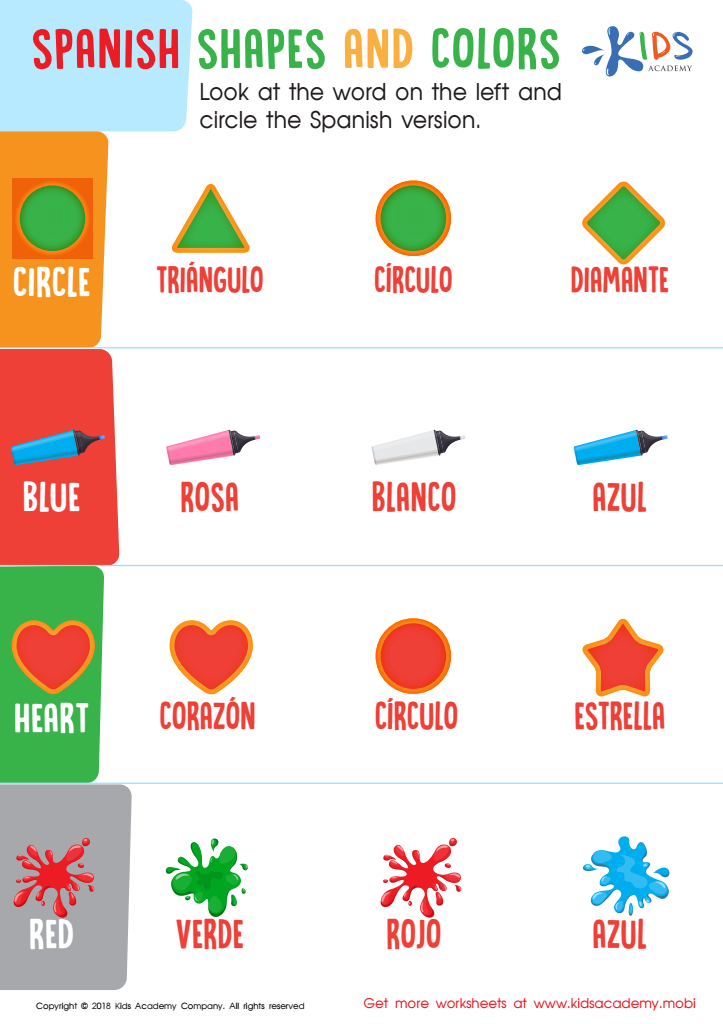
Spanish Shapes and Colors Worksheet
 Assign to My Students
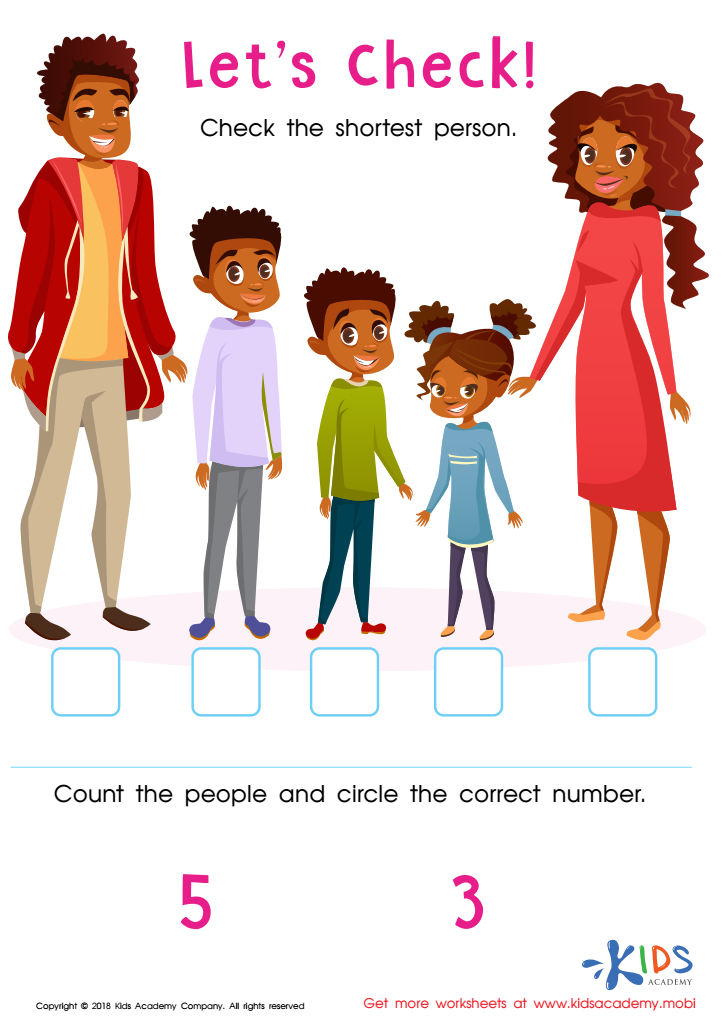
Let's Check! Assessment Worksheet

Playground Worksheet
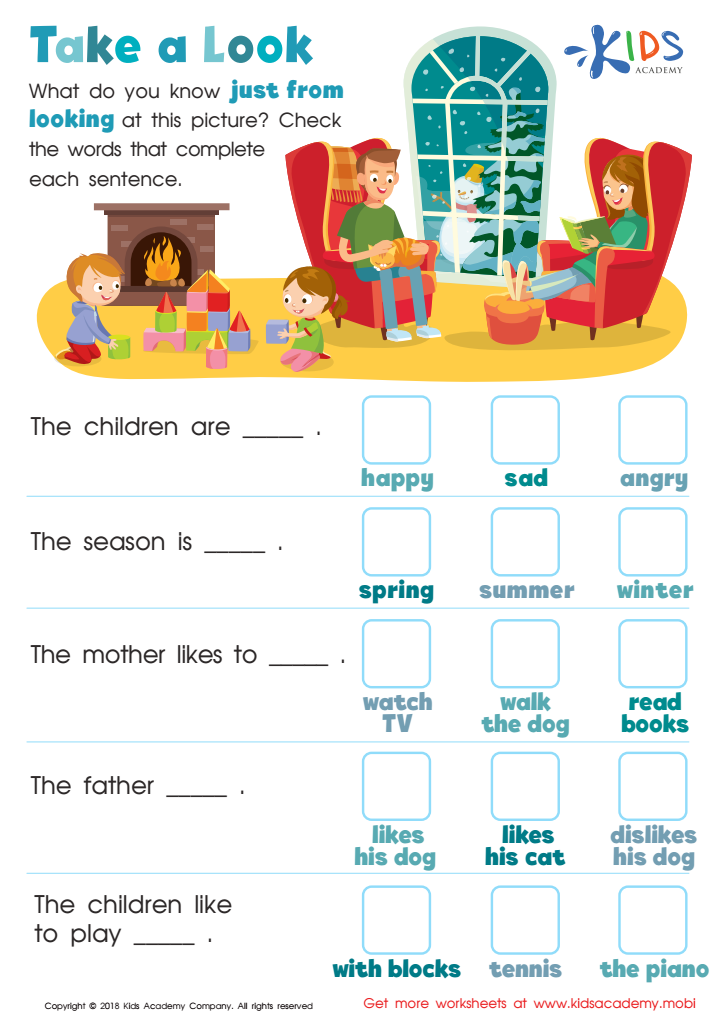
Take a Look - Part 1 Worksheet








Shape recognition is an essential foundational skill that plays a significant role in early childhood development and learning. For parents and teachers, understanding the importance of shape recognition creates a basis for meaningful interactions with children and enhances their ability to participate in social studies and broader educational activities.
Firstly, shape recognition encourages cognitive development. It helps children identify and categorize their environment, laying the groundwork for problem-solving and critical thinking skills. For instance, by recognizing different shapes, children can relate them to everyday objects, fostering their observational skills and awareness of their surroundings.
Moreover, shape recognition connects to math readiness. Recognizing shapes is foundational for understanding geometry, measurements, and spatial relationships, which are pivotal for more advanced mathematical concepts later on.
In a social studies context, shapes help children comprehend maps, graphs, and various visual aids. Understanding these concepts can influence their ability to interact with and understand their community, environments, and cultures.
Ultimately, promoting shape recognition among children not only enhances their educational experiences but also supports their social, emotional, and cognitive development, making it crucial for both parents and teachers to prioritize this skill in everyday learning.