Handwriting practice Normal Grade 3 Worksheets - Page 2
27 filtered results
-
From - To
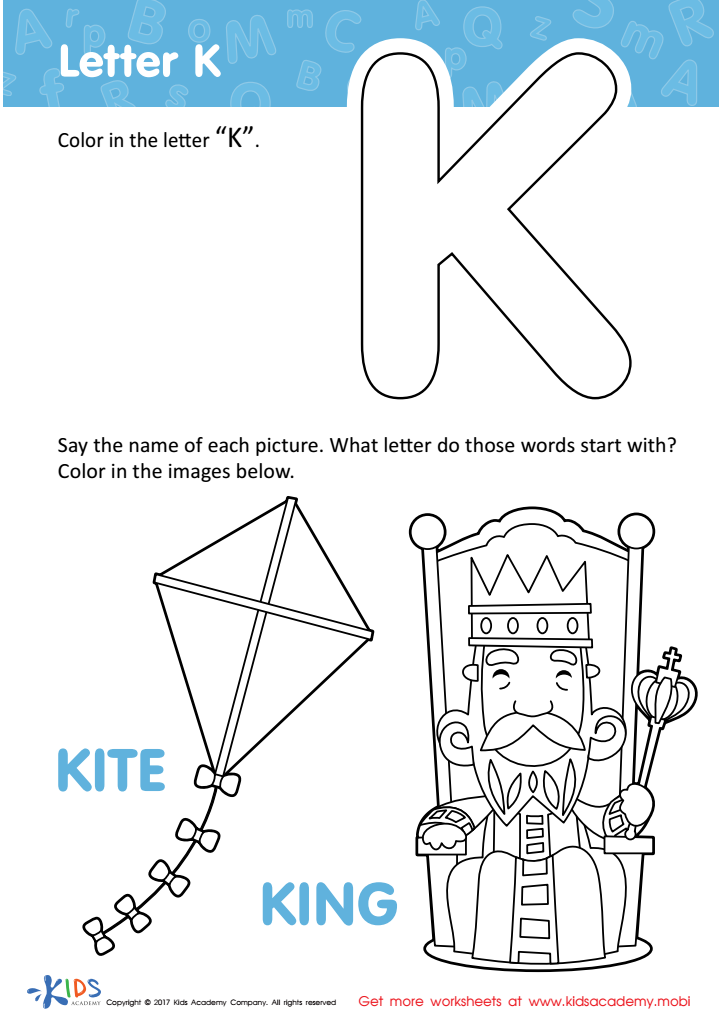
Letter K Coloring Sheet
 Assign to My Students
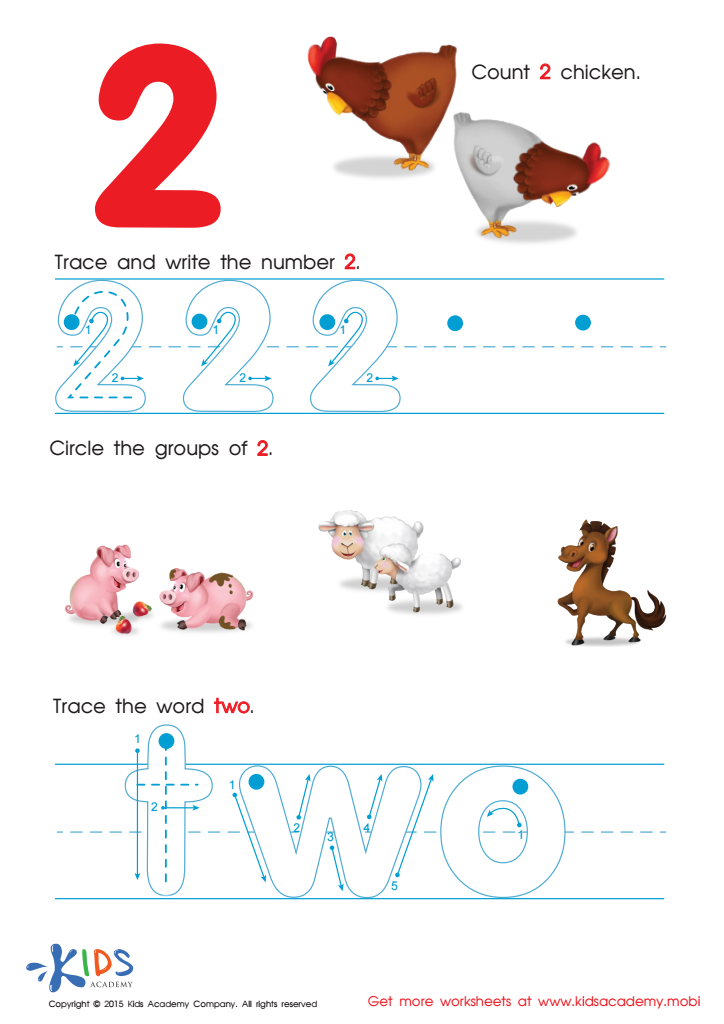
Learn to Write the Number 2 Worksheet
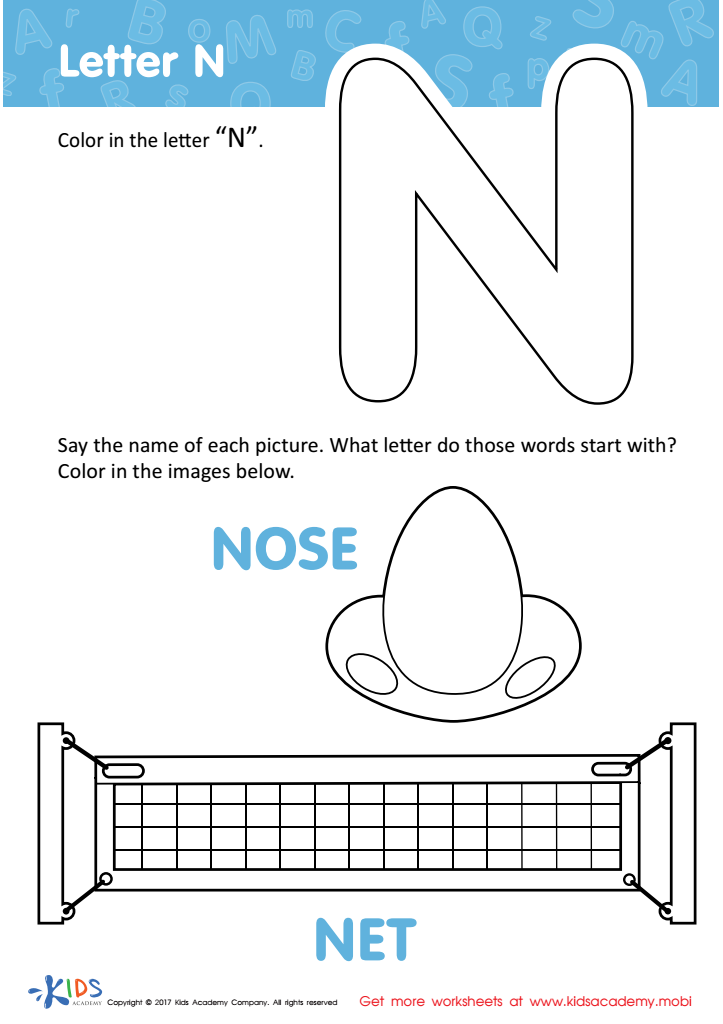
Letter N Coloring Sheet
Assign to My Students






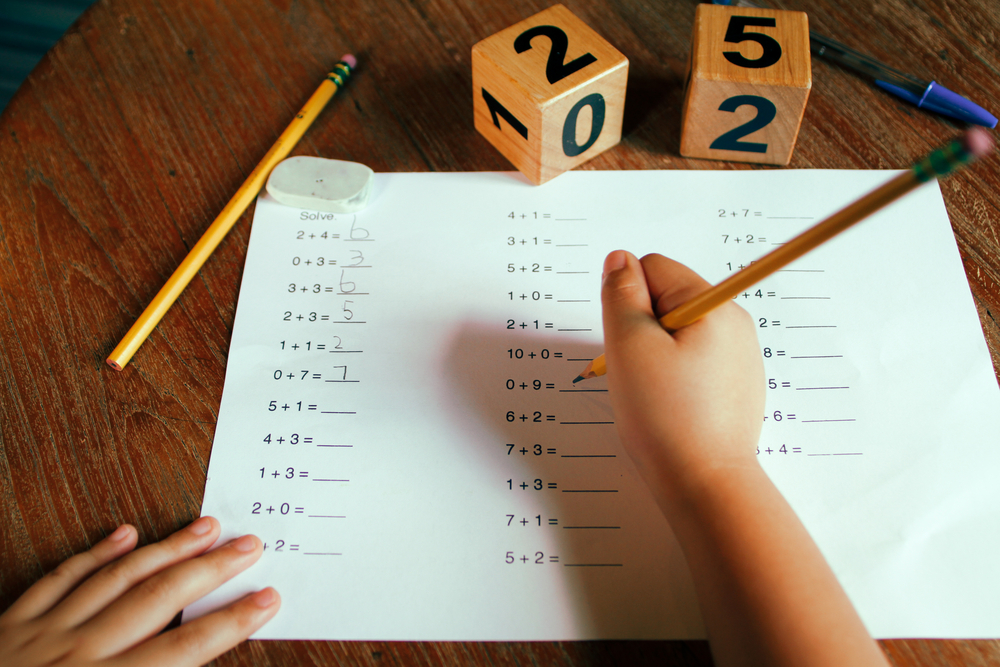
Handwriting practice in Grade 3 is crucial for several reasons. Firstly, it enhances fine motor skills which are essential for other important tasks like tying shoelaces or buttoning shirts. Proficient handwriting also allows children to focus on expressing their thoughts and knowledge, rather than struggling with letter formation. This can boost their confidence and willingness to participate in writing tasks.
Moreover, cognitive benefits are notable. Handwriting requires brain coordination between multiple processes, such as memory and sequencing, which enhances cognitive development. Research shows that students who write by hand tend to retain and comprehend information better compared to those who type, because the act of writing by hand engages the brain in learning at a deeper level.
Handwriting practice also aids in developing a sense of discipline and attention to detail, which are beneficial traits throughout life. Clear and legible handwriting can positively influence teachers' perception of a student's work, potentially affecting grades and self-esteem. Lastly, while technology is pervasive, legible handwriting remains a practical skill for everyday tasks such as jotting notes, filling out forms, or writing personal letters. Ensuring that students in Grade 3 develop good handwriting habits sets a foundation for academic and personal success.