Problem Solving Normal Grade 3 Worksheets
6 filtered results
-
From - To
Enhance your third grader’s critical thinking skills with our Problem Solving Normal Grade 3 Worksheets. These engaging resources are designed to help students tackle real-world challenges while developing their math and reasoning abilities. Each worksheet features a variety of scenarios that encourage kids to analyze problems and employ strategies for effective solutions. Our printable worksheets cater to diverse learning styles, providing ample practice in a fun and interactive manner. Perfect for classroom use or at-home learning, these worksheets are great for honing essential skills that will benefit students throughout their educational journey. Get started, and watch your child’s confidence grow!
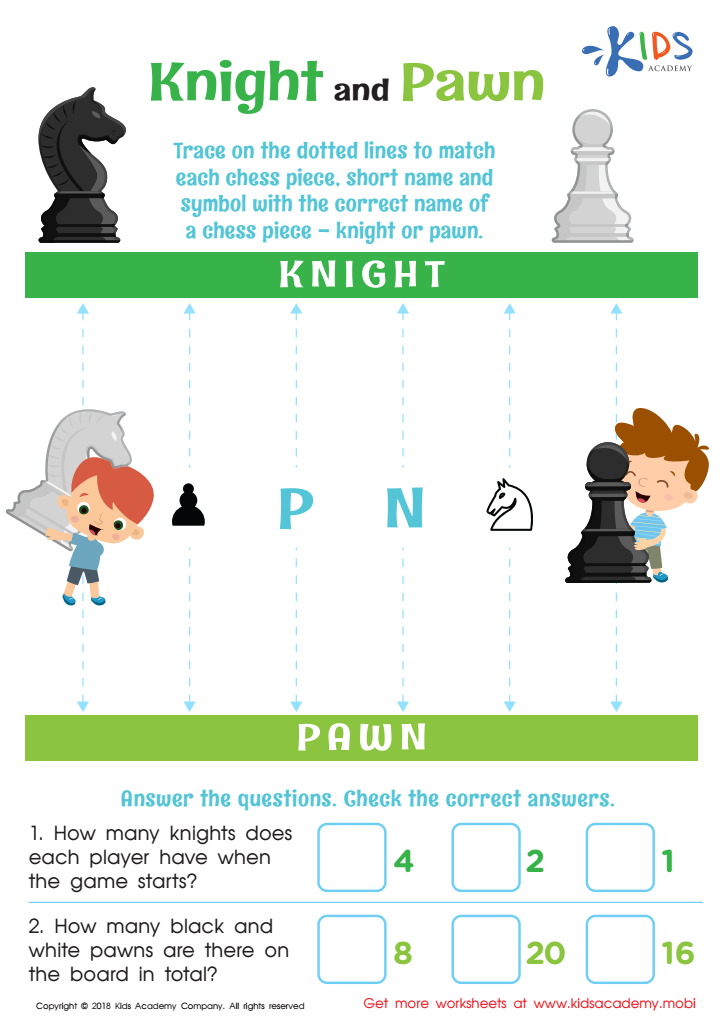
Knight and Pawn Worksheet
 Assign to My Students
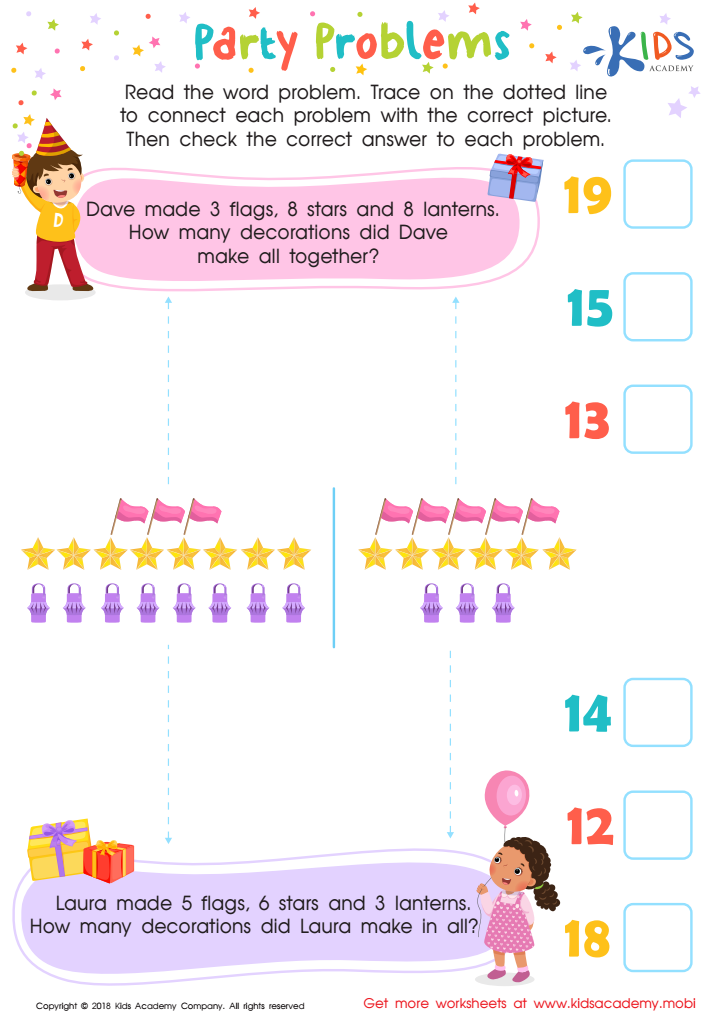
Party Problems Worksheet
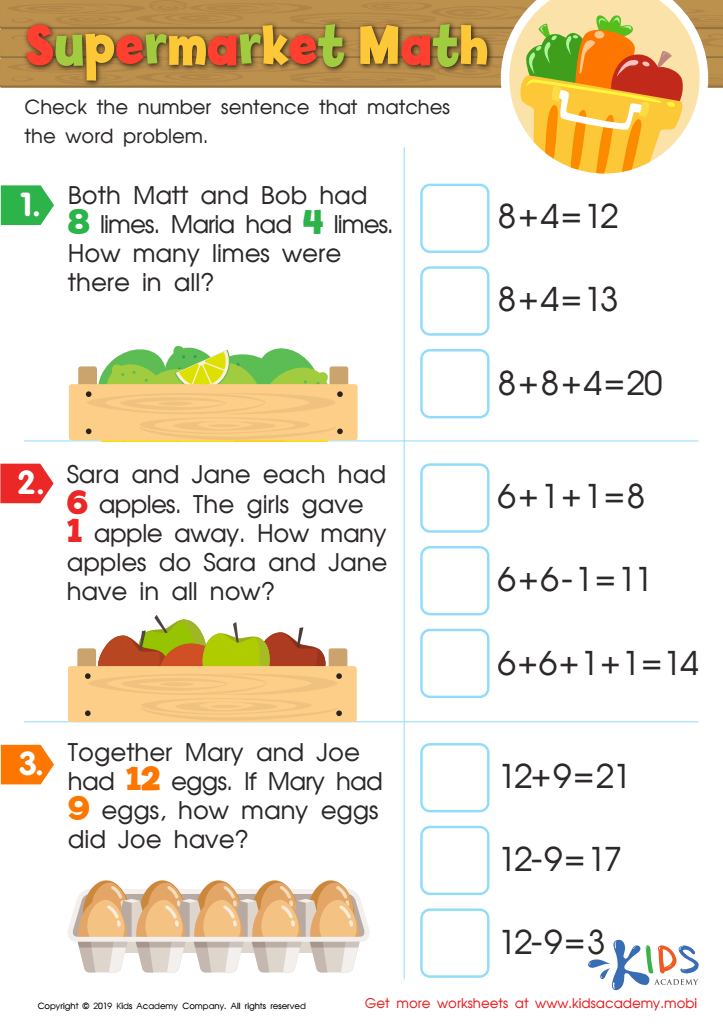
Supermarket Math Worksheet
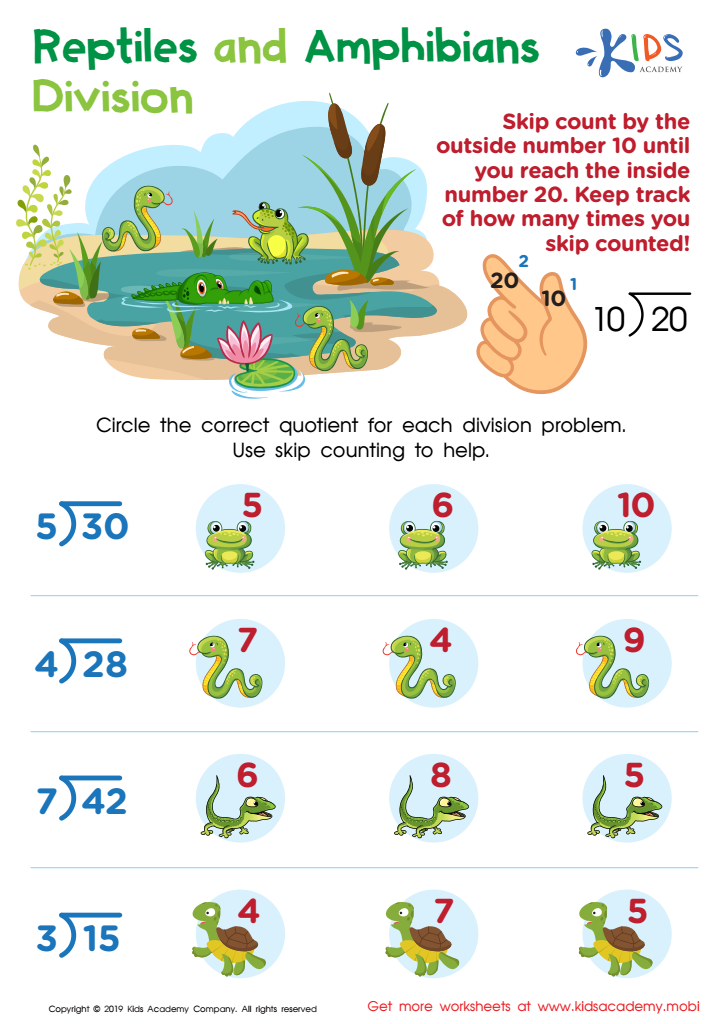
Reptile and Amphibians Division Worksheet
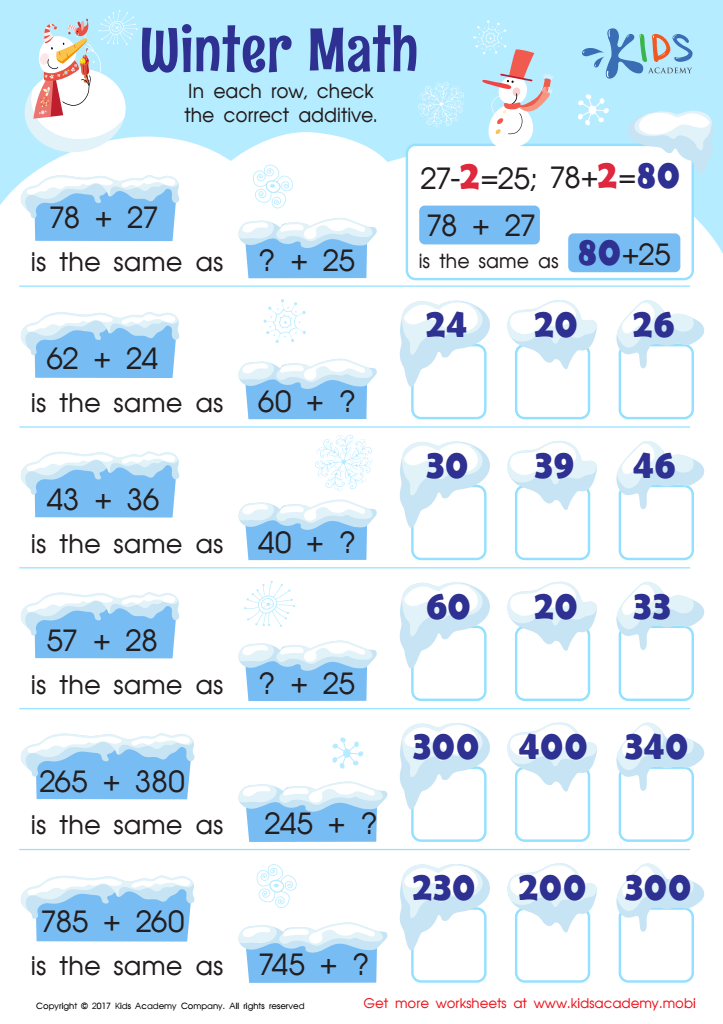
Free Addition Worksheet
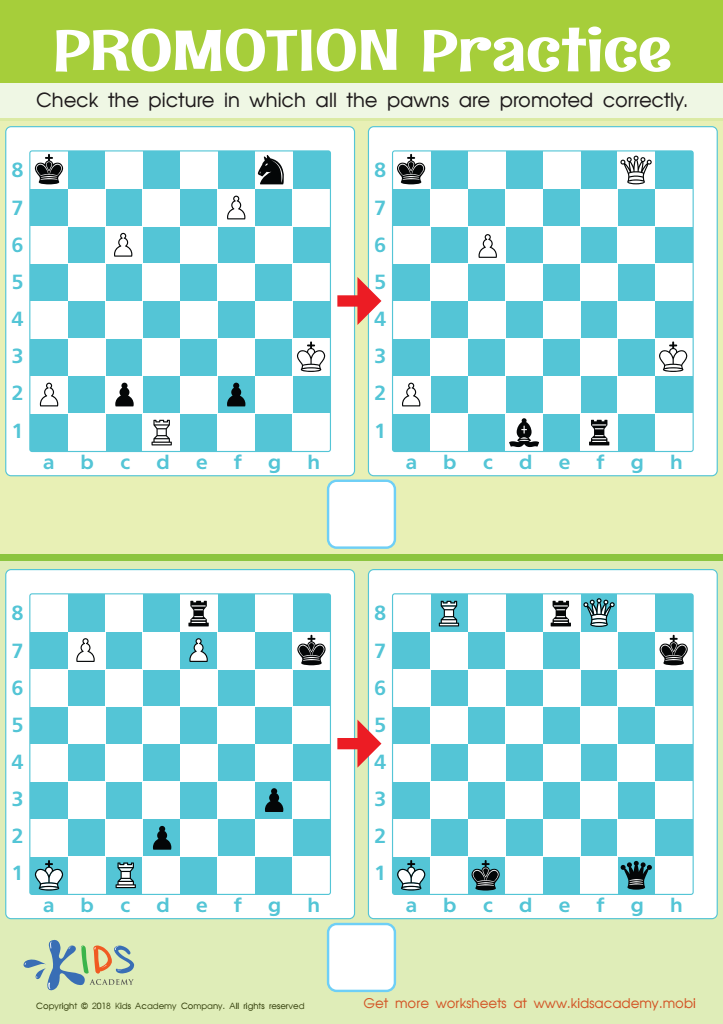
Promotion Practice Worksheet






Problem-solving skills are essential for students in grade 3 as they form the foundation for higher-level thinking in mathematics and other subjects. At this stage, children begin to transition from concrete to abstract thinking, making it crucial for parents and teachers to nurture their problem-solving abilities. Engaging students in problem-solving encourages logical reasoning, critical thinking, and persistence in facing challenges.
Moreover, effective problem-solving cultivates a growth mindset, helping children understand that they can improve through effort and learning from mistakes. Teachers can integrate problem-solving activities into the curriculum, allowing students to explore real-life scenarios that make math more relatable, potentially increasing their interest and motivation.
Parents play a crucial role as well, reinforcing these skills at home through interactive games, puzzles, and discussions that invite children to express their thought processes. Encouraging collaboration with peers can also enhance communication skills and teamwork.
Ultimately, fostering strong problem-solving abilities in grade 3 not only supports academic success but also prepares students for future challenges, making it essential for both parents and teachers to prioritize these skills in their educational approaches.