Number Recognition Normal Grade 3 Addition & Subtraction Worksheets
3 filtered results
-
From - To
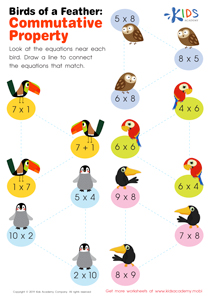
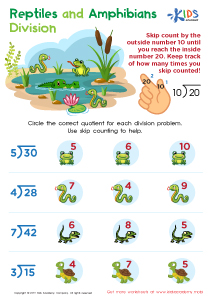
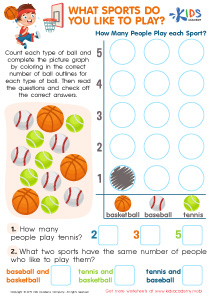
Enhance your child's arithmetic skills with our "Number Recognition Normal Grade 3 Addition & Subtraction Worksheets." These expertly crafted worksheets are designed to strengthen third graders' number recognition while honing their proficiency in addition and subtraction. Each sheet combines engaging tasks with educational exercises to make learning fun and effective. Our carefully structured content aligns with the grade 3 curriculum, ensuring your child receives the best practice to boost their math confidence and fluency. Visit Kids Academy to download these dynamic worksheets and turn math practice into a delightful experience for your young learner.
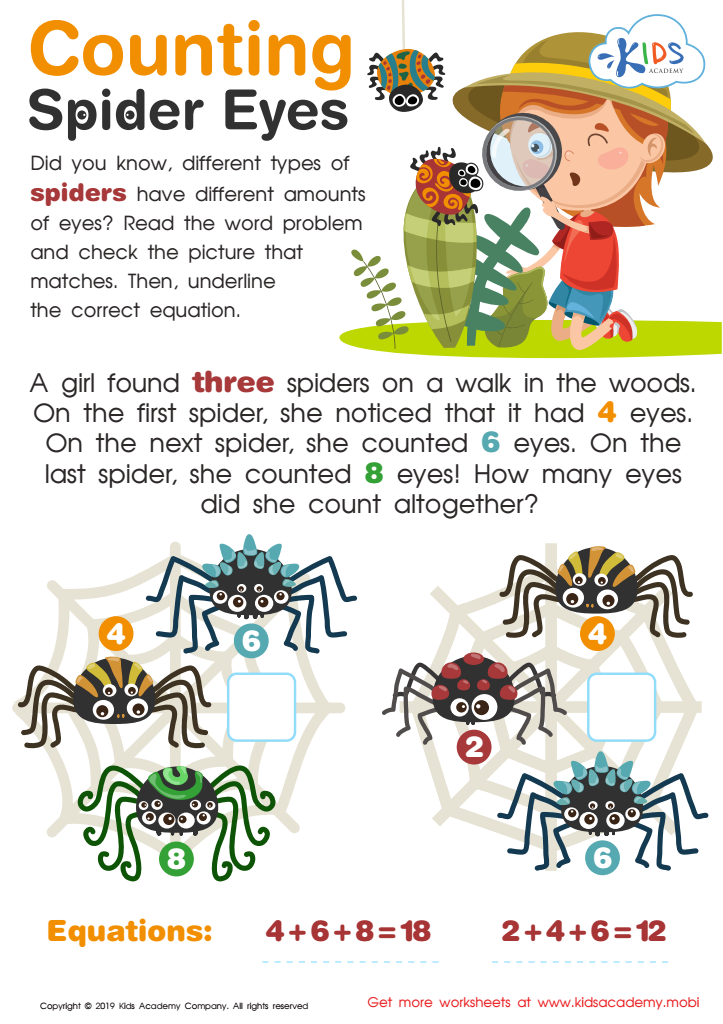
Counting Spider Eyes Worksheet
 Assign to My Students
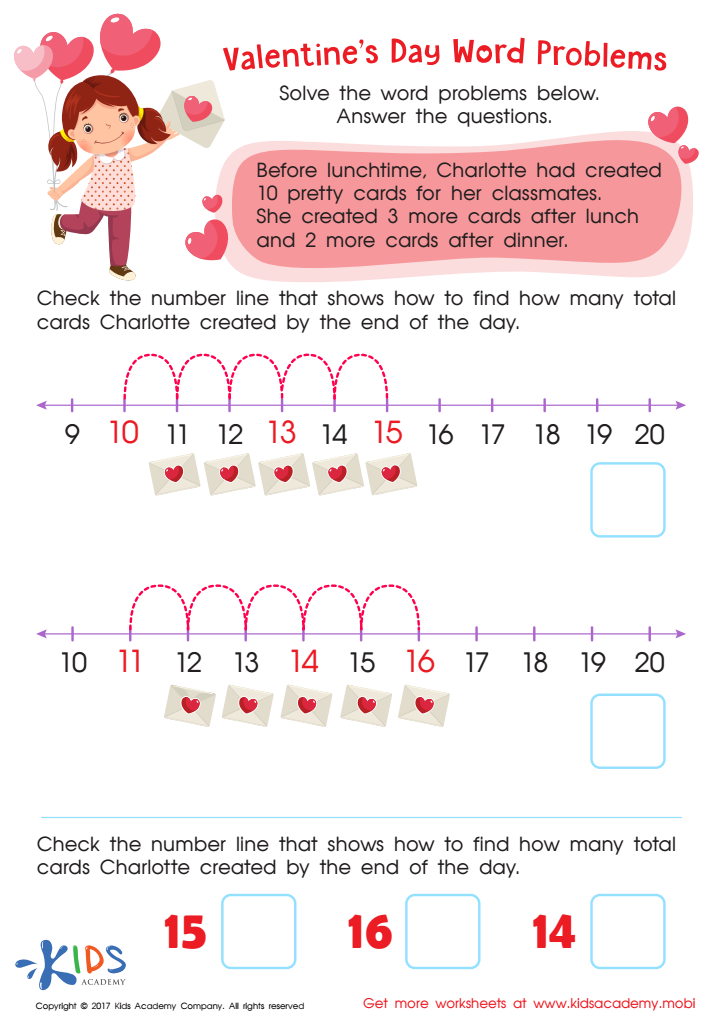
Valentines Day Word Problem Worksheet
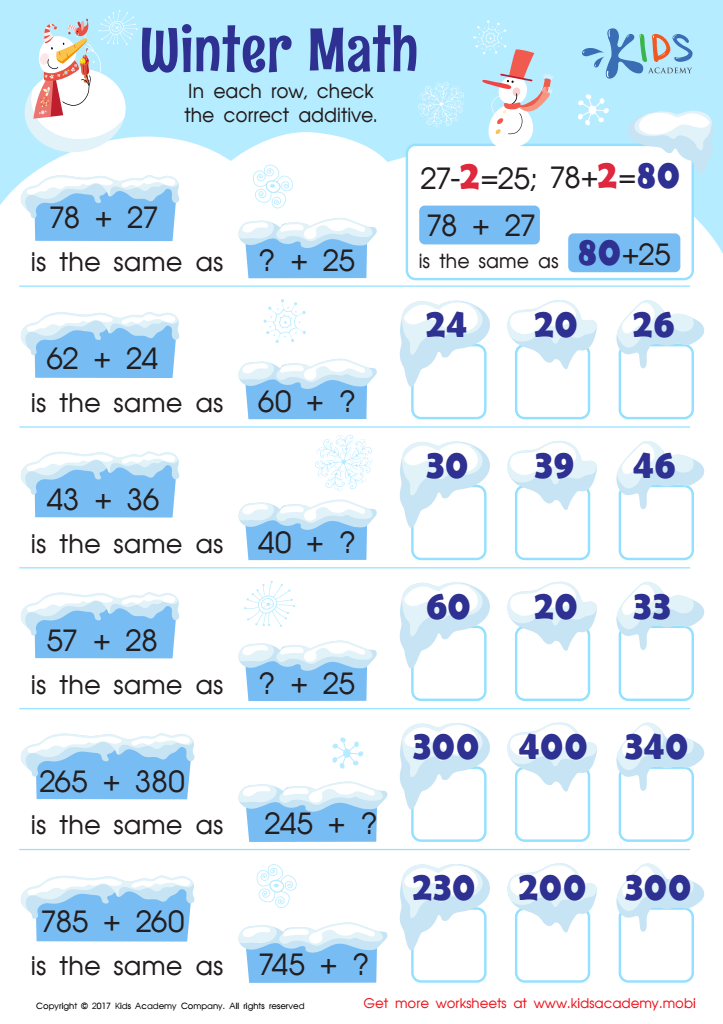
Free Addition Worksheet








Number recognition and mastering addition and subtraction form the cornerstone of a child's math education, especially by Grade 3. These basic arithmetic skills are crucial for several reasons. First, they serve as building blocks for more advanced mathematical concepts that students will encounter in later grades, such as multiplication, division, fractions, and problem-solving. Without a solid understanding of numbers and basic operations, students are likely to struggle as the math curriculum becomes more complex.
Parents and teachers should also care because these skills are essential for real-world applications. Everyday activities, such as shopping, cooking, and time management, often require quick mental calculations and understanding of numbers. Ensuring that children have a firm grasp on these foundational skills can enhance their life skills and foster greater independence.
Moreover, developing competency in addition and subtraction boosts a child's confidence and academic self-esteem. As children achieve mastery, their belief in their abilities strengthens, creating a positive feedback loop that encourages further academic pursuit and curiosity.
Lastly, proficiency in early math skills sets a child's academic trajectory. Early interventions and support can close achievement gaps and set students on a path toward future educational success. Thus, teachers and parents play a crucial role in prioritizing number recognition and basic arithmetic during this developmental stage.