Understanding patterns Normal Grade 3 Math Worksheets
5 filtered results
-
From - To
Welcome to our "Understanding Patterns" Grade 3 Math Worksheets! Designed specifically for third graders, these worksheets foster essential math skills through engaging activities. Students will explore various patterns, including number sequences and shape patterns, enhancing their ability to recognize and predict the continuation of patterns. Our resources aim to make learning fun and interactive, helping students develop critical thinking skills. Each worksheet is tailored to support different learning styles, ensuring every child can grasp the concepts effectively. Perfect for classroom use or at-home practice, our worksheets provide a comprehensive approach to mastering patterns in math. Start your journey toward math confidence today!
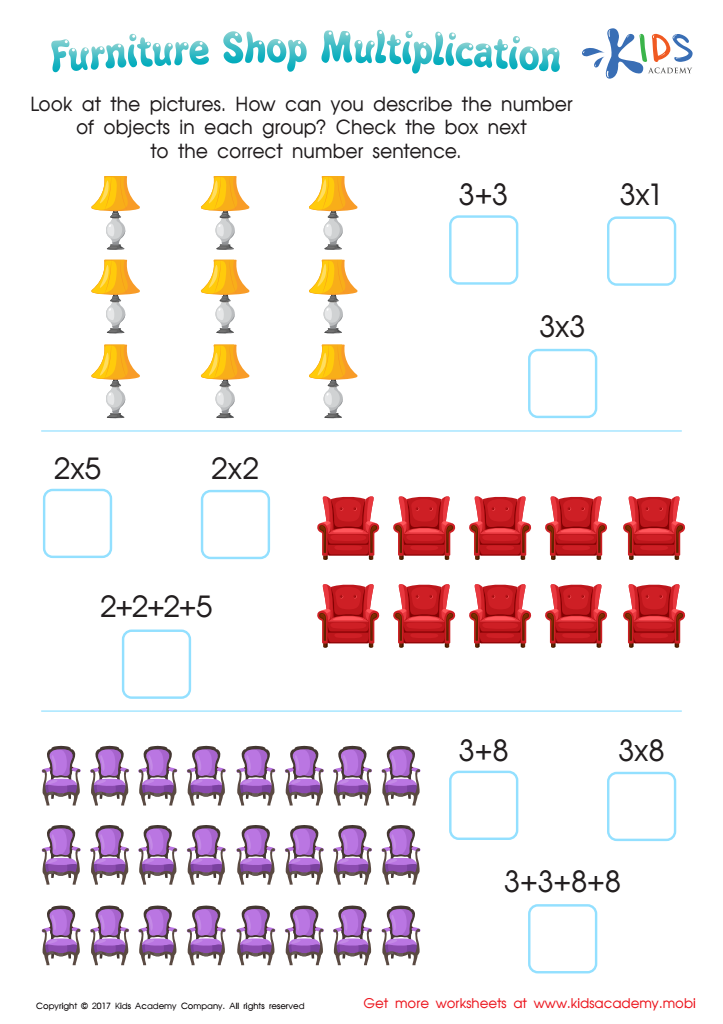
Furniture Shop Worksheet
 Assign to My Students
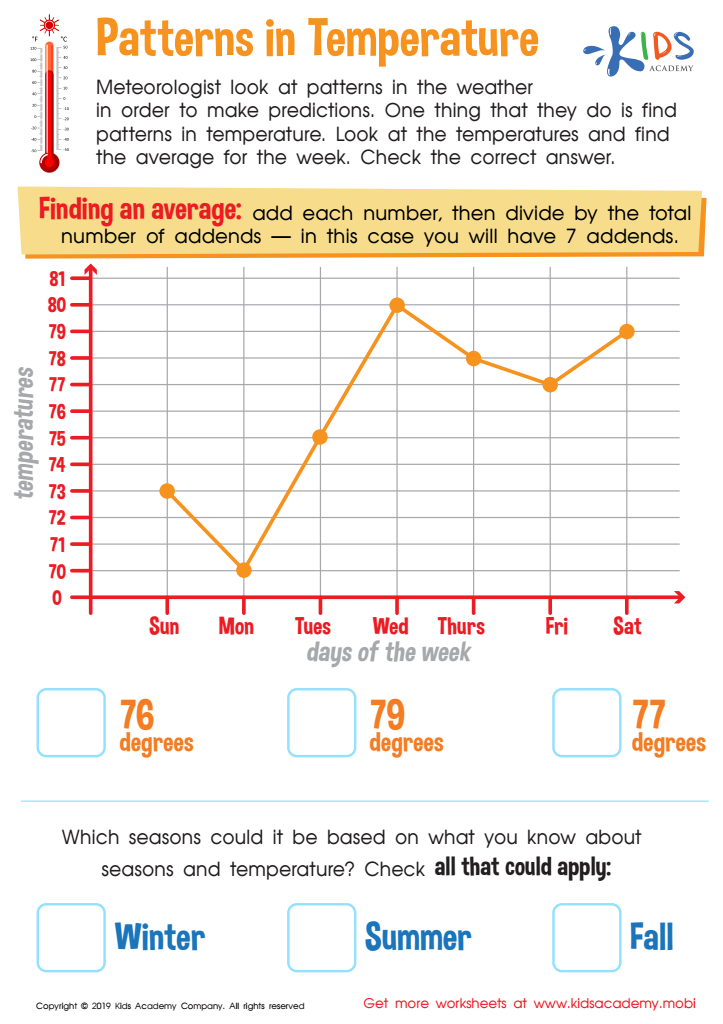
Patterns in Temperature Worksheet
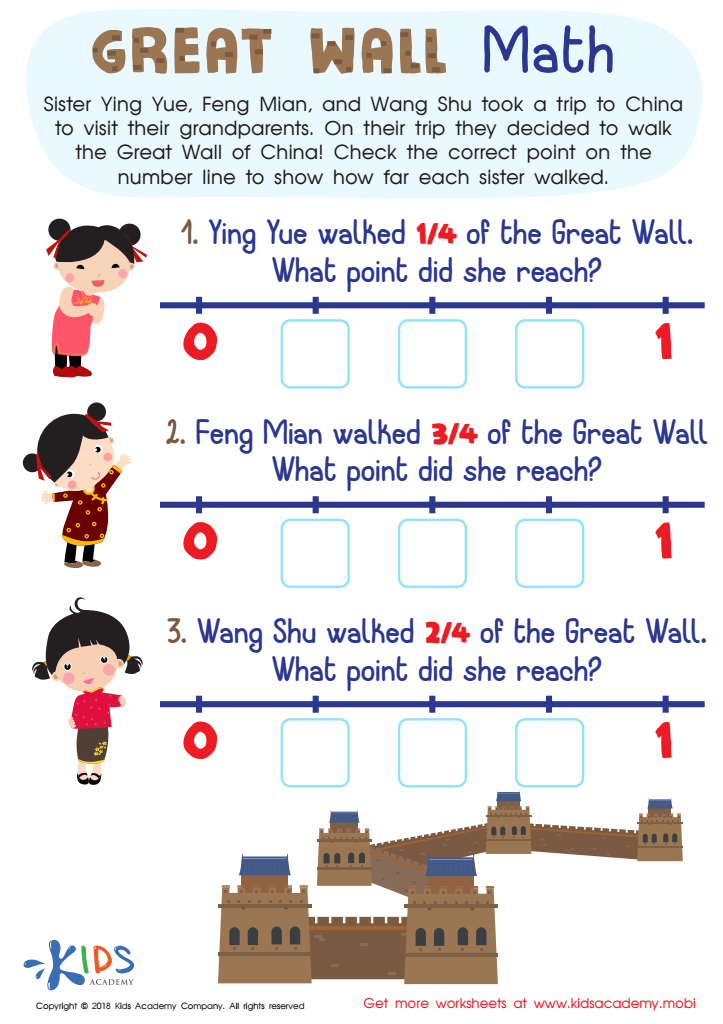
Great Wall Math Worksheet
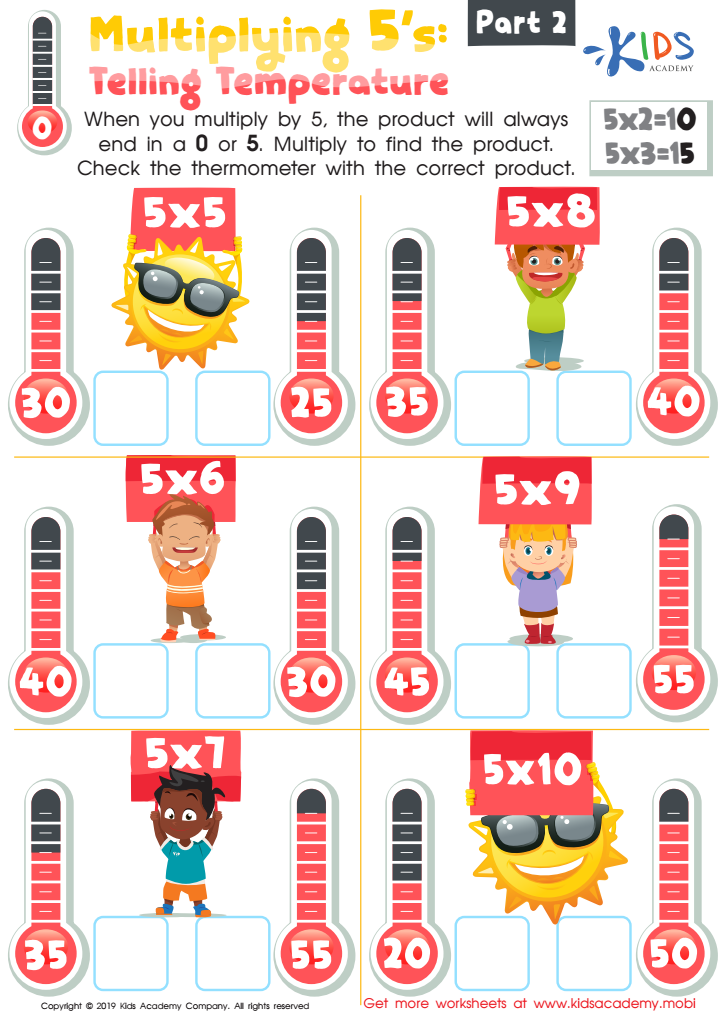
Multiplying 5’s: Telling Temperature Part 2 Worksheet
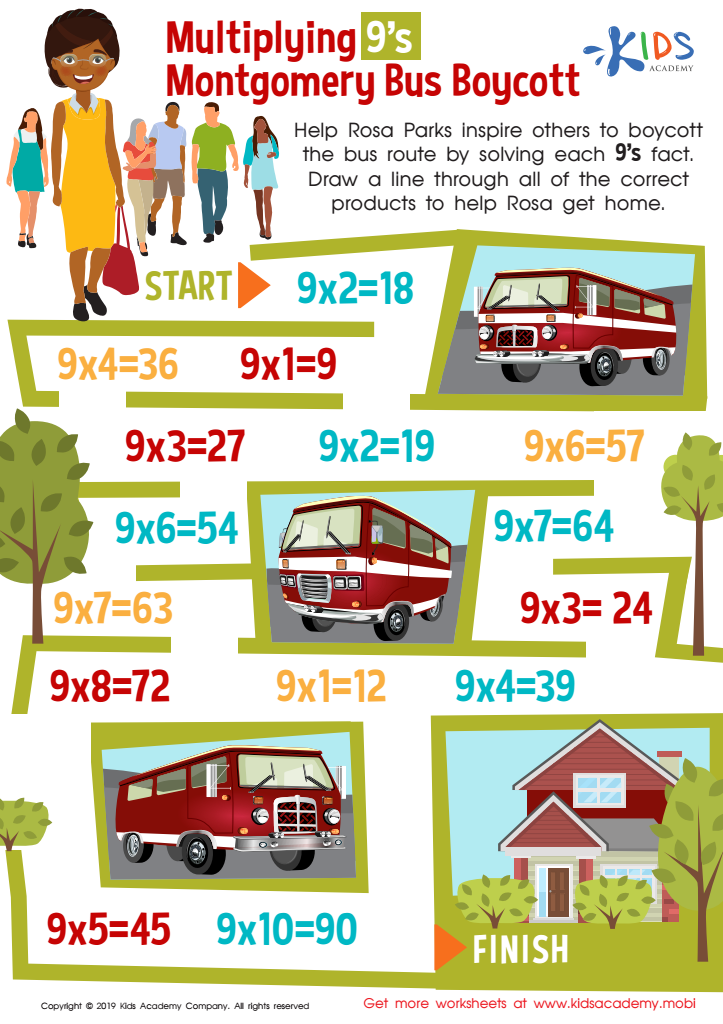
Multiplying 9’s Montgomery Bus Boycott Worksheet





Understanding patterns in grade 3 math is crucial for several reasons that benefit both students and their future academic success. Patterns form the building blocks of mathematical reasoning and problem-solving skills, and they provide insight into numerical relationships and operations.
For example, recognizing patterns helps students predict future outcomes, as seen in sequences or arithmetic patterns, which deepens their understanding of addition and subtraction concepts that are fundamental in later math functions. When children identify and create patterns, they strengthen their logic and critical thinking abilities.
Furthermore, engaging with patterns fosters a love for mathematics. When students explore and solve pattern-related problems, they develop confidence in their problem-solving skills, which contributes to a positive learning environment. Parents and teachers should also care about patterns because they tie into real-world applications; understanding patterns can help children in everyday scenarios, like recognizing schedules, budgeting, or time management.
By emphasizing the importance of patterns in math instruction, parents and teachers equip students with essential tools that enhance their analytical skills, prepare them for more complex math concepts in higher grades, and instill a sense of achievement—ultimately supporting their overall academic journey.